



Happy Monday! Today, we continue our “Cooking The Anti-Inflammatory Food Pyramid” series with a look at soy foods. Soy foods can be especially healthy for women, so read on for the types we recommend, our takes on soy food and women’s health, our Guide to Tofu, and three soy-rich recipes to try!
And coming up this week:
Diana covers easy breakfasts for your whole family
We dive into if we think lab-grown meat and eggs are healthy
Let’s cook with quinoa!
Share this post with anyone you know who may be interested in our anti-inflammatory food insight, recipes and cooking suggestions!


Cooking The Anti-Inflammatory Food Pyramid: Soy Foods

Whole Soy Foods
How much: 1 to 2 servings (one serving is equal to ½ cup tofu or tempeh, 1 cup soy milk, ½ cup cooked edamame, or 1 ounce of soynuts)
Healthy choices: Tofu, tempeh, edamame, soynuts, soymilk
Why: Soy foods contain isoflavones that have antioxidant activity and can be protective against cancer. Choose whole-soy foods over fractionated foods like isolated soy-protein powders and imitation meats made with soy isolate.
Tofu and Hormones: A Link? Our Thoughts
Dr. Weil:
I know some women and men worry about soy because it contains isoflavones, plant compounds known as phytoestrogens. While phytoestrogens can bind to estrogen receptors in the body, they are not the same as the estrogen our bodies produce. In fact, in some contexts, phytoestrogens can act like weak anti-estrogens, helping to block stronger forms of estrogen that might otherwise promote cancer growth. It’s this distinction that helps explain why human studies repeatedly show that soy consumption does not increase the risk of breast cancer. Not only does soy not cause breast cancer, but it can also help prevent it, particularly if eaten regularly during childhood and adolescence. Evidence also suggests that moderate soy intake is safe and may even be beneficial for breast cancer survivors.
Diana:
In my opinion, the more whole soy foods we eat, the better. This applies to women, including those with a history of estrogen-dependent breast cancer, as well as men and children. The fear surrounding soy is largely due to misunderstandings, misinformation, and animal studies. However, research consistently shows that soy DOES NOT cause cancer, nor does it cause men to develop breast tissue. The confusion comes from the fact that soy contains isoflavones, compounds often called phytoestrogens, which resemble estrogen. While breast cancer cells can bind to estrogen in the body and use it to fuel growth, isoflavones don’t act the same way. They do not bind to estrogen receptors in the same way and therefore do not stimulate cancer cell growth.
Want more takes? You may enjoy these posts:


5 Easy Ways to Add More Soy to Your Diet
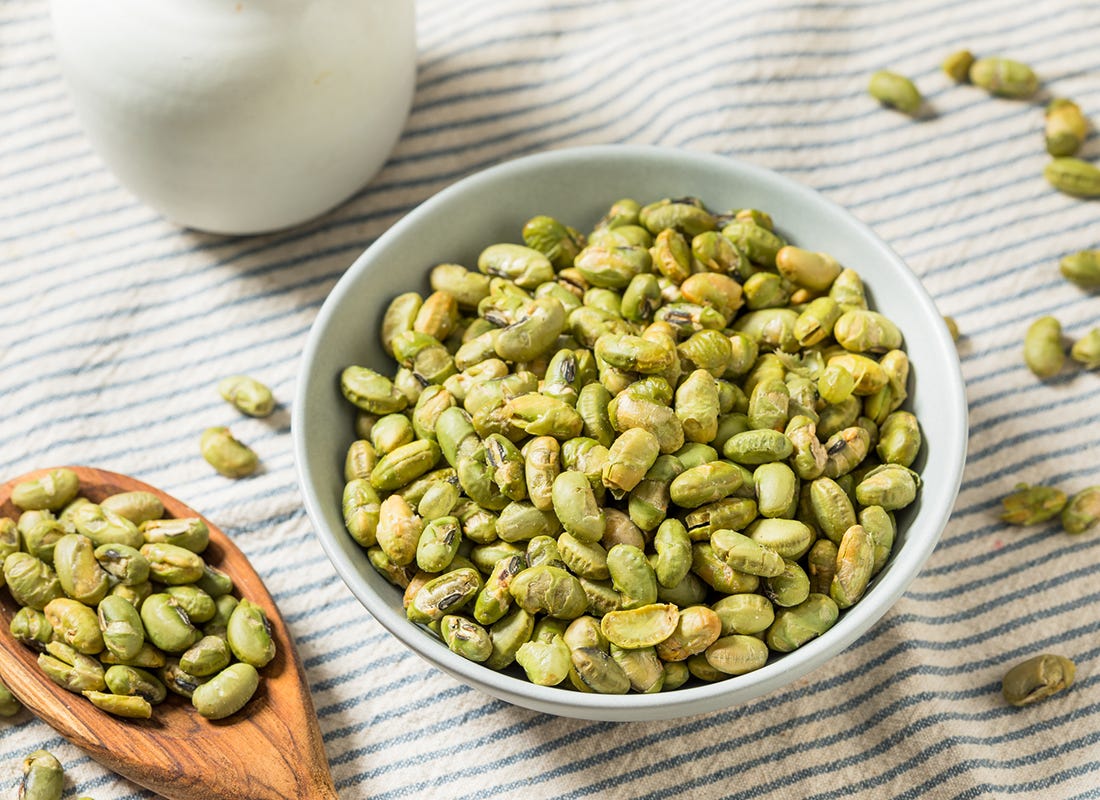
Soy is a versatile source of plant-based protein and contains isoflavones, natural compounds that may support heart and bone health. Here are five simple ways to enjoy more whole and minimally processed soy foods:
1. Tofu: Add cubed tofu to stir-fries, soups, or grain bowls. Try blending silken tofu into smoothies, creamy dressings, or sauces for an extra protein boost.
2. Tempeh: Slice and marinate tempeh, then bake or sauté until golden. Use it in sandwiches, salads, tacos, or vegetable stir-fries for a hearty, nutty meat alternative.
3. Edamame: Enjoy steamed edamame sprinkled with sea salt as a protein-rich snack. Add shelled edamame to salads, soups, or rice bowls, or blend into a bright green hummus.
4. Soynuts: Keep roasted soy nuts on hand for a crunchy, satisfying snack. Sprinkle them over salads, yogurt, or oatmeal in place of croutons or other crunchy toppings. Choose unsalted or lightly salted varieties.
5. Soymilk: Use unsweetened, fortified soymilk in smoothies, oatmeal, overnight oats, or your morning coffee. It also works well as a dairy milk substitute in baking and creamy soups.
WEIL Nutrition Corner® Food as Medicine: Choose organic, minimally processed soy foods whenever possible. Traditional soy foods provide protein, fiber (except soymilk and some tofu), and beneficial plant compounds. Regular consumption can be part of Dr. Weil’s Anti-Inflammatory Diet, supporting overall health without the need for concentrated soy isoflavone supplements.
WEIL Nutrition Corner® VIP Guide to Tofu
If you want more protein in your diet without adding more animal-based products, tofu is a great choice: It is versatile, low-cost, and the perfect base for any flavor profile you are in the mood for. We’re both big fans of tofu, so we created this guide to help you get comfortable with cooking and eating it.
This WEIL Nutrition Corner® VIP Guide To Tofu Includes:
The different types of tofu, and what each is well-suited for when it comes to cooking
How to buy tofu, including ingredients to avoid
Our takes on tofu and whole soy foods
Food As Medicine: Why tofu is such a healthy dietary addition
12 tasty recipes, from savory to sweet!


Recipes Featuring Soy
Try our tasty recipes that provide more soy to your diet:
Edamame Hummus Dip - free for all!
Sesame Tofu & Edamame Bowl - VIP
Easy BBQ Bowls (featuring tempeh) - VIP
If you aren’t yet a WEIL VIP, upgrade today to access our entire recipe library plus all of our guides!


WEIL Nutrition Corner® is the registered trademark of Healthy Lifestyle Brands, LLC