



Happy Wednesday! We continue to focus on women’s health concerns this month with today’s topic - one readers like you asked us to chime in on. Today we take a look at Hormone Replacement Therapy (HRT), including how Dr. Weil’s views on HRT has shifted over the years, what Diana thinks is important when it comes to nutrition and menopause, and more - including a One-Day Hormone-Balancing Meal Plan.
Share this post with anyone you know who may be interested in our anti-inflammatory In The News series!


Is HRT Safe for Women?

Hormone Replacement Therapy (HRT) can be safe and effective for many women, but it is not one-size-fits-all. Learn more about HRT, the questions we think you should discuss with your doctor, the foods that can help manage your hormones, our takes on HRT, and a one-day meal plan designed to support your hormones in menopause.
What Is HRT?
HRT involves taking either estrogen alone or estrogen + progesterone to help manage symptoms of menopause, such as:
Hot flashes
Night sweats
Mood changes
Vaginal dryness
Bone loss
Who Can Benefit From HRT?
For many women, especially those under the age of 60 and within 10 years of menopause onset, HRT can relieve menopausal symptoms like those mentioned above, help protect bone density and improve quality of life.
What Are Potential Risks of HRT?
Risks depend on type, dose, timing, and individual health history.
Possible concerns include:
Increased risk of blood clots
Stroke (in some populations)
Breast cancer risk (mainly with long-term combined therapy)
While HRT is not inherently dangerous, it should be personalized and medically guided for each person by their physician. Be sure to discuss personal and family history, symptom severity and risk factors when deciding to take HRT.
Are There Food Alternatives to HRT That May Support Hormonal Balance?
Food cannot replace HRT in terms of hormone levels, but diet can help support the body during hormonal changes and may ease some symptoms. Try the following:
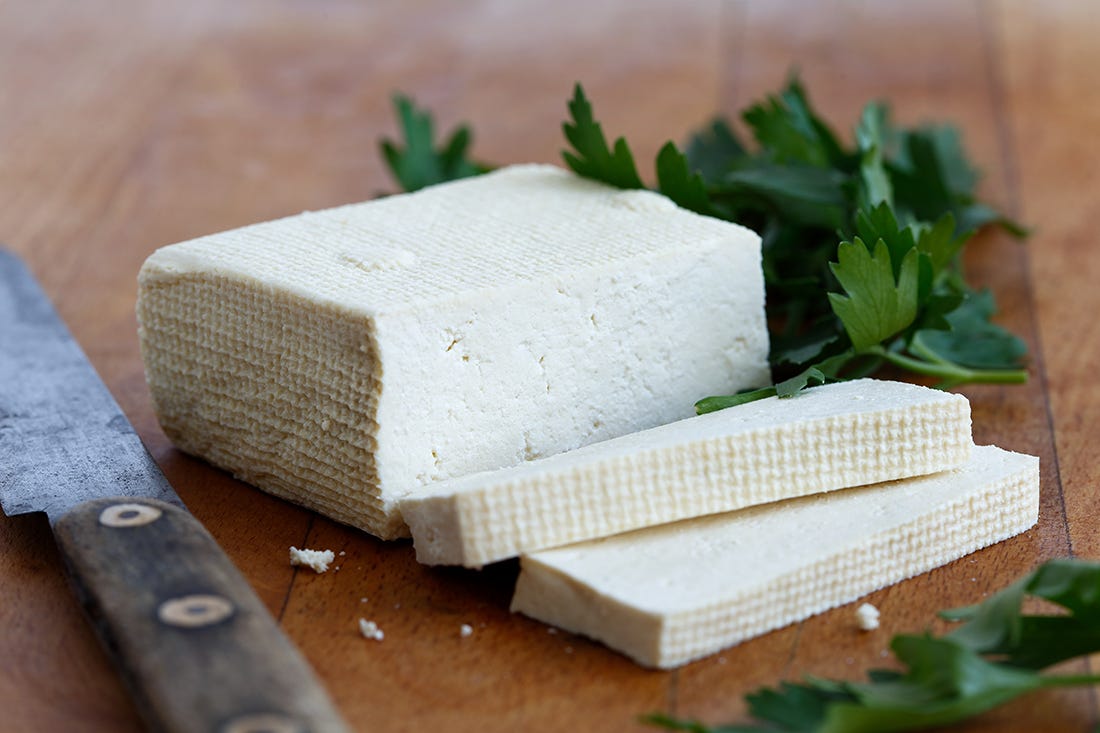
Phytoestrogen-rich foods. These may help with mild hot flashes and hormonal shifts for some women as they contain plant compounds that mimic estrogen. Soy foods (tofu, tempeh, edamame), flaxseeds and sesame seeds are good sources.
Healthy fats. They support hormone production and reduce inflammation. Use more olive oil, avocados, and nuts and seeds in your meals.
Cruciferous vegetables. They support estrogen metabolism and detox pathways. Broccoli, kale and cauliflower are good choices.
Omega-3-rich foods. May help with mood, inflammation, and heart health. Add more salmon, sardines and walnuts.
Calcium and vitamin D foods. They support bone health, which becomes more important post-menopause. Add more leafy greens, fortified foods and fatty fish.
If you are interested in this post, you may enjoy these:


Our Takes On HRT and a One-Day Hormone-Supporting Meal Plan
Our WEIL Nutrition Corner™ VIPs have access to our takes on this topic, the meal plan and recipes, and full access to our entire In The News library of content! Upgrade today to unlock everything we offer, including guides, recipes, courses, challenges and more.