



Happy Wednesday! Today, we are covering two hot topics: Whole soy foods and whether or not they are harmful to women’s health, specifically breast health - read our opinions, learn more about soy, and for our VIP subscribers, try our Edamame Hummus recipe!
Plus, Diana tackles the debate between breastfeeding and formula - which is healthier for you and your baby? To participate in the comments for this, click over to the Nourished Mama Collective to read this post. (Comments in the Nourished Mama Collective are open to everyone to discuss that day’s topic!)
We want to know - do you eat whole soy foods? Avoid them? Why? Share in the comments!
(P.S. Become a paid subscriber to join the full conversation.)

What’s Healthier: Breastmilk or Formula?
There will be no shaming for the way a mama feeds her baby in the Nourished Mama Collective. Whether you exclusively breastfeed, use formula, or combo feed, you’re doing an incredible job.
Breast milk really is remarkable, and the more I learn about it, the more it blows my mind. It’s uniquely tailored to your baby’s needs, and constantly shifts and evolves in composition over time. For example, colostrum is highly concentrated, rich in antibodies and immune-boosting properties, and ideal for newborns’ tiny stomachs. Later, breast milk continues to adjust its balance of protein, fat, and carbohydrates as your baby grows. If your baby is sick, your body can even produce milk with more immune cells to help fight infection. Research also shows breast milk supports healthy gut microbiome development and may reduce the risk of certain illnesses (like ear infections and gastrointestinal issues). Even if you only breastfeed for the first few weeks of your baby’s life, they still receive meaningful benefits.
That said, I don’t want to minimize the incredible effort it takes to breastfeed. It’s demanding, mentally, emotionally, and physically. And while breast milk might be optimal from a purely nutritional standpoint, formula is a WONDERFUL, healthy, and life-saving alternative. Nutritional content also isn’t the only thing that matters. What a baby needs most is a happy and healthy mom, and if that means relying on formula, that is more than okay.
Infant formulas are carefully regulated, designed to mimic breast milk as closely as possible, and fortified with essential vitamins and minerals. Studies consistently show that long-term health and developmental outcomes are nearly identical between breastfed and formula-fed babies. Using formula can also allow the other parent to be more involved in feeds, which can be so positive for the whole family. What matters most is having a baby who is fed and a mama who is supported and healthy.
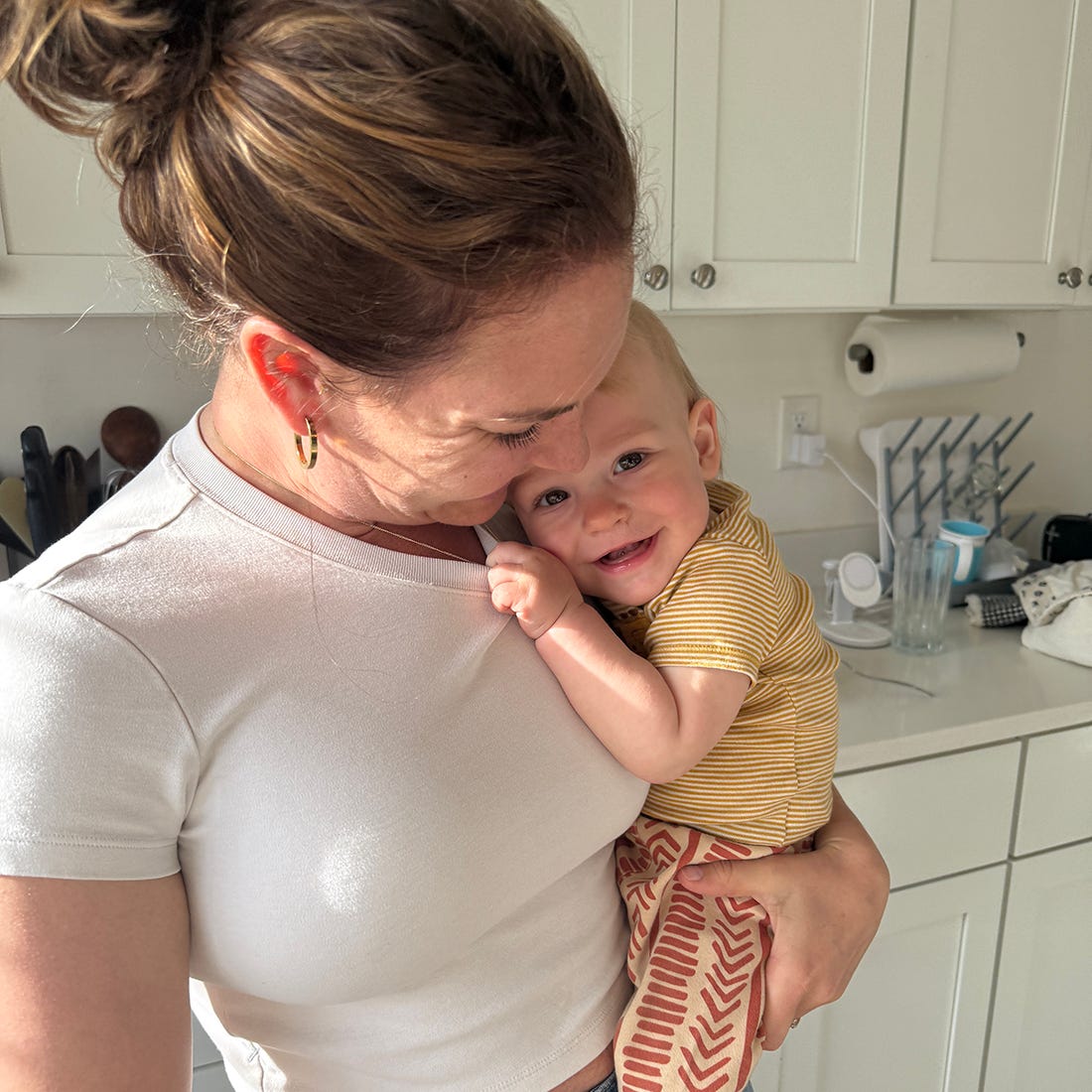
I’ll share from my own experience: I exclusively breastfed for the first six months of Elio’s life, and it is something I’m proud of. But I’m someone who produces just enough milk for my baby. I never had an oversupply or a big freezer stash. I also had a really difficult time pumping and could often only get an ounce or two. When he started daycare two days a week, I couldn’t pump enough to send him with only breast milk, so we began combo feeding. Looking back, I wish I had introduced formula earlier. There were nights when I desperately needed sleep, but felt I was the only one who could feed him. Breastfeeding is beautiful, but it’s also exhausting. Interestingly, it was when I weaned him around 12 months and started giving him a bottle of half formula and half cow’s milk before bed that I noticed a big difference in his sleep.
So which is healthier? It depends! There are many benefits to breastmilk, and it is a bit like liquid gold. But it can also take a toll. Formula is specifically created to meet little ones’ needs and is truly life-saving for many families. Overall, I think what’s healthiest is what allows your baby to grow and thrive while also supporting your well-being as a mother.
Do you (or did you) breastfeed? Use formula? A combination? Share in the comments when you read this post in the Nourished Mama Collective.

Whole Soy Foods: Unhealthy For Women?
Dr. Weil’s Take:
I find the misinformation around soy really upsetting and harmful. Not only are whole foods safe for women, they are very beneficial, even for women with a history of breast cancer.
Whole soy foods, such as tofu, tempeh, edamame, soy nuts, and unsweetened soy milk, are among the most nutritionally valuable plant foods you can include in your diet. They provide high-quality protein, fiber, B vitamins, potassium, and magnesium, and because they are low in saturated fat, they make excellent alternatives to red meat. Beyond basic nutrition, there is evidence that consuming whole soy foods may offer protection against certain types of cancer and support cardiovascular health.