



Happy Monday! Today, we are looking at beans and legumes - you would be hard-pressed to find a more economical food that presents so many health benefits! It’s part of our Cooking The Anti-Inflammatory Food Pyramid Series, so read on for:
Why beans are an excellent addition to your diet
The different types of beans and legumes and how to use them
How to select and prepare them
Our favorites
Choosing legumes and beans based on protein, fiber and more
Delicious recipes to try at home!
Share this post with anyone you know who may be interested in our anti-inflammatory food insight, recipes and cooking suggestions!


Beans and Legumes: A Foundation for Lasting Health
Beans and legumes, like whole grains, are low-glycemic-index foods (slow-digesting carbohydrates) and are an important part of Dr. Weil’s Anti-Inflammatory Food Pyramid. They are rich in vitamins, minerals, and fiber, key dietary components that support healthy aging, and are delicious when prepared properly. Additionally, being among the most inexpensive foods you can buy, they stand as the ultimate refutation of the notion that “you have to be rich to eat healthy.”
Whether you’re working toward a more plant-forward diet or simply looking to improve overall nutrition, beans and legumes are a practical and beneficial addition.
Why Are Beans and Legumes A Healthy Choice?
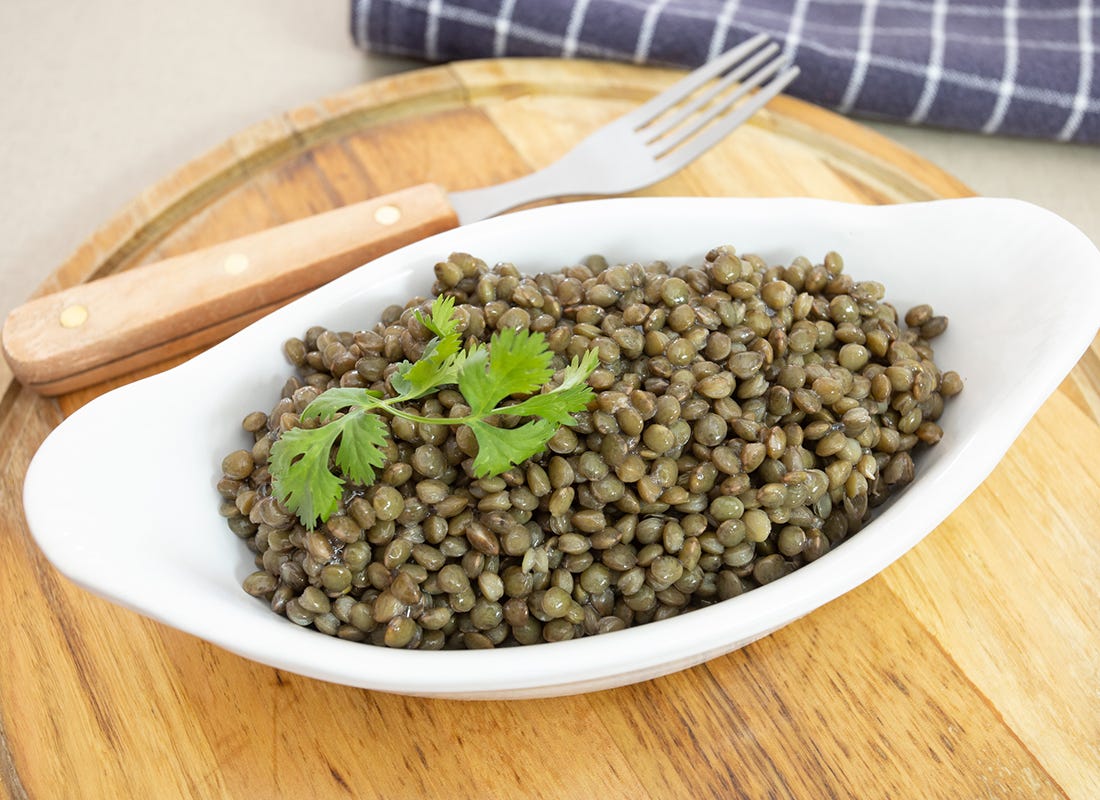
Here are some of the many reasons we recommend you eat more beans:
High in fiber. They are one of the best sources of dietary fiber, which can support digestive health, keep gut microbiome healthy, help you feel satiated and full, help regulate blood sugar and lower cholesterol levels. This makes them particularly beneficial for cardiovascular and metabolic health. And keep in mind that about 95% of Americans aren’t getting enough fiber.
Rich in plant-based protein. Beans and legumes provide a decent amount of protein, helping to support muscle maintenance, promote satiety and reduce reliance on animal proteins.
Support heart health. Regular consumption of beans and legumes has been associated with lower LDL (“bad”) cholesterol, improved blood pressure and a reduced risk of heart disease. Their combination of fiber, potassium, and plant compounds contributes to these effects.
Provide important minerals. Beans and legumes are rich in iron, for energy and oxygen transport. Magnesium, for muscle and nerve function, and potassium, for blood pressure balance. These nutrients are essential for maintaining vitality over time.
Help maintain steady energy. Because they are digested more slowly, beans and legumes provide sustained energy, better blood sugar control and reduced spikes and crashes.
If you enjoy this topic, try these posts:


A Guide to Beans & Lentils
Upgrade to VIP for more insight into beans and lentils, including:
An easy-to-follow chart with the types, flavor and best uses
Our favorites and how we use them
Insight into how to choose and cook beans and legumes
What beans are highest in protein, fiber and more
Delicious, fiber-rich recipes