



Today, we are covering the Flexitarian Diet - it’s similar to our recommended Anti-Inflammatory Diet, but with a few differences. Learn more about this diet, what we think about it, and more.
Share this post with anyone you know who may be interested in our Anti-Inflammatory In The News series, and if you enjoy this, like it as well - thanks!


The Flexitarian Diet Can Be A Balanced, Flexible Approach to Eating
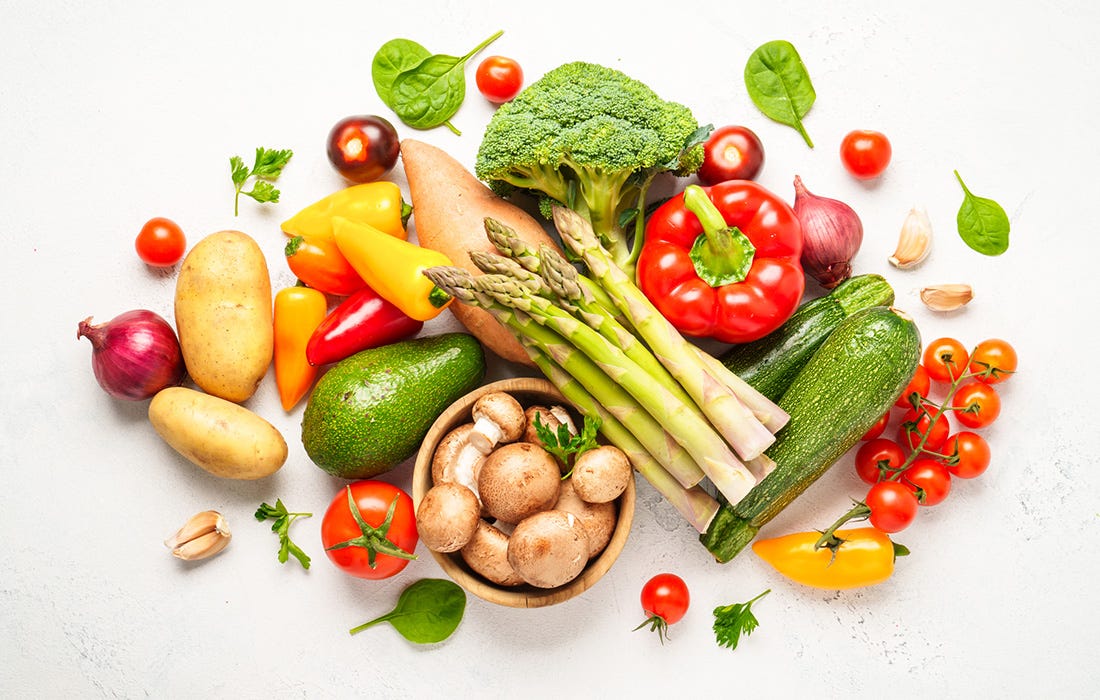
The flexitarian diet, short for “flexible vegetarian,” is less a strict diet and more a lifestyle that emphasizes a plant-based diet while allowing occasional meat and animal products.
It’s designed to offer the benefits of a vegetarian diet without requiring full elimination of animal foods, making it a practical and sustainable option for many people.
At its core, the flexitarian approach encourages:
A foundation of vegetables, fruits, whole grains, legumes, nuts, and seeds
Moderate intake of dairy and eggs
Occasional, smaller portions of meat and fish
What Are The Benefits Of A Flexitarian Diet?
It supports heart health. By emphasizing plant foods and reducing red and processed meats, the flexitarian diet may lower cholesterol levels, improve blood pressure, and reduce risk of cardiovascular disease.
It can help to manage weight. Plant-forward diets tend to be higher in fiber and lower in calorie density, which can support satiety and healthy weight over time.
It encourages nutrient diversity. A varied intake of plant foods provides antioxidants, phytonutrients and vitamins and minerals, which contribute to overall health and resilience.
You maintain a flexible eating approach. The Flexitarian Diet is more sustainable and realistic for many people, which may lead to better consistency.
What Are The Downsides Of A Flexitarian Diet?
As with any plant-forward diet you risk:
Nutrient gaps (if not well thought out). If animal foods are significantly reduced without thoughtful replacements, there may be lower intake of Vitamin B12, iron and omega-3 fatty acids.
Lack of quality food. A flexitarian diet can still include highly processed foods and refined carbohydrates. Eating less meat does not automatically make a diet healthy.
If you are interested in this topic, you may enjoy:


The Flexitarian Diet: Our Takes
Our WEIL Nutrition Corner™ VIPs can read about the difference between these diets, our takes on this topic, and full access to our entire In The News library of content! Upgrade today to unlock everything we offer, including guides, recipes, courses, challenges and more.