



Happy Wednesday!
Today we’re exploring a lesser-known but well-researched eating pattern that’s gaining attention for heart health: the Portfolio Diet. You’ll learn what it is, why it works, and how we think about incorporating its principles in a realistic, sustainable way - plus where it fits alongside the Anti-Inflammatory Diet.
If heart health is on your radar (or should be), this is a valuable one to bookmark.
If you missed our recent update: Nourished Mama now publishes on Tuesdays. You can catch Diana’s latest article on why weight loss may stall during breastfeeding.


The Portfolio Diet: Our Takes
Dr. Weil's Take:
The Portfolio Diet doesn’t seem to be very well known, but I am asked about it on occasion. It’s a diet developed by researchers at the University of Toronto to lower LDL (“bad”) cholesterol. I learned about this diet when it first appeared in the early 2000s, and I do find it to be a reasonable eating plan for heart health.
What initially caught my attention were the results. In controlled studies, people following the Portfolio Diet saw LDL cholesterol reductions of up to 30 percent, which was an effect comparable to that of statin drugs. That is far more than we typically see from standard low-fat diets, which usually lower cholesterol by only about 10 percent.
The reason the Portfolio Diet works is that it doesn’t rely on a single change. Instead, it combines several cholesterol-lowering foods into one overall pattern: soluble fiber from oats, barley, legumes, and certain vegetables; nuts, especially almonds; soy protein; and plant sterols, which reduce cholesterol absorption in the intestine. In some studies, psyllium fiber was added to further increase soluble fiber intake.
The only disagreement I have with this diet is its exclusion of whole-fat dairy. Our understanding of saturated fat has evolved: high-quality, whole-fat dairy, especially fermented products like yogurt and cheese, does not appear to increase cardiovascular risk as once believed and is likely very healthy.
Overall, I think that the Portfolio Diet has sound core principles, and many people can likely benefit from them.
Diana’s Take:
I actually hadn’t heard of the Portfolio Diet until I started researching it for this article. After learning more about it, I can see why it’s compelling for many. It seems to be a pretty basic diet and a nutrient-dense way of eating. I’m glad it incorporates many of the things we know support heart health, namely a high-fiber diet, healthy fats from nuts and seeds, and whole soy foods.
I think one of the strongest aspects of the Portfolio Diet, and to me, signals it’s based on solid research, is its emphasis on fiber. Increasing fiber intake is one of the most effective ways to lower LDL cholesterol, improve blood sugar regulation, and support overall gut health. Most people don’t get nearly enough fiber, so any increase will likely be helpful.
Like my dad, I don’t agree with excluding whole-fat dairy or with just how low-fat the diet is in general. We’ve learned a lot over the past couple of decades about saturated fat and dietary cholesterol, but there’s still much we don’t know. We know the relationship between saturated fat, cholesterol, and heart disease is much more nuanced than we once thought, and that whole, minimally processed foods, like full-fat dairy, can absolutely have a place in a healthy diet. For vegetarians, especially, whole-fat dairy can be an important source of protein.
I also think that when it comes to improving your health, consistency matters most. I have a slight concern that the Portfolio Diet is too restrictive, or simply not enjoyable enough, for many people to stick with long-term.
Learn How To “Heal With Every Meal”
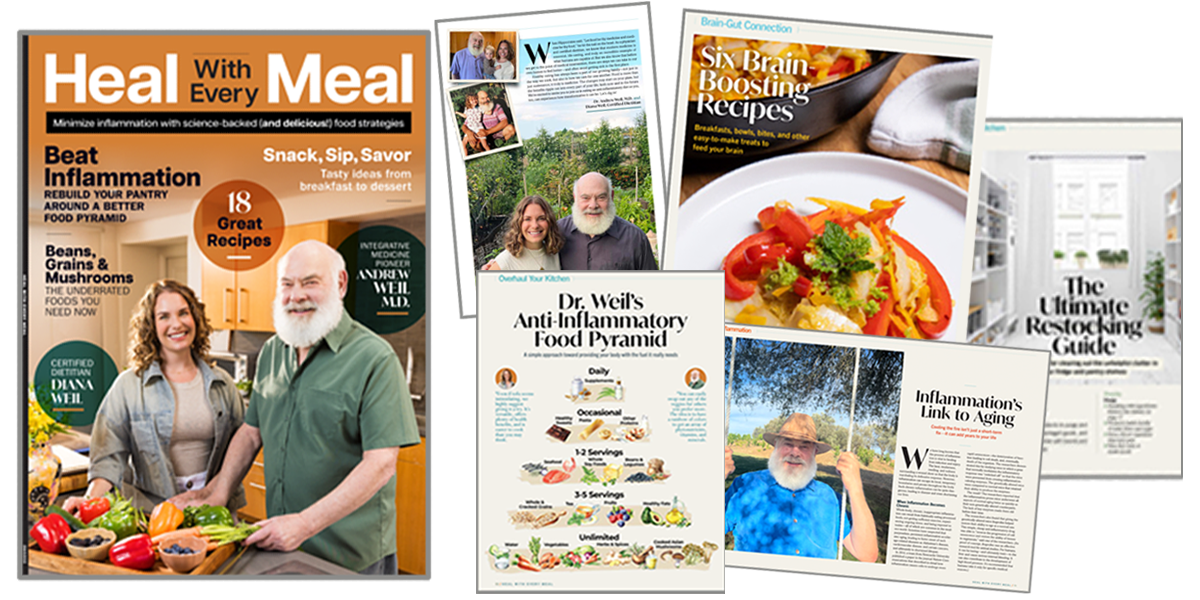
For decades, we have both considered food to be one of our most powerful tools for reducing inflammation and supporting healthy aging. We are proud to share Heal With Every Meal, an essential guide to anti-inflammatory eating that we created together. Within it we bring science-backed nutrition to life with practical pantry rebuilds, kitchen guidance, and delicious anti-inflammatory recipes. Whether you’re just beginning or refining your approach, this 100-page keepsake magazine offers clear, approachable tools to help you feel better - one meal at a time.
Available now wherever magazines are sold and online.
About the Portfolio Diet (The Big Picture)
The Portfolio Diet is a plant-forward eating pattern designed to lower cholesterol by combining several foods that each have proven cholesterol-lowering effects - a “portfolio” of heart-protective foods working together.
Developed by Dr. David Jenkins (who also created the glycemic index), it focuses on four core components:
Soluble (viscous) fiber
Plant protein
Nuts
Plant sterols
Rather than eliminating foods, the diet emphasizes adding specific foods in meaningful amounts.
Why the Portfolio Diet Is Good for Heart Health

Research shows that the Portfolio Diet can:
Lower LDL cholesterol by 15–30%
Improve overall lipid profiles
Reduce inflammation and oxidative stress
Support blood sugar balance and weight management
Everything above gives you the why. What follows is the how - and this is where our VIP subscribers get the real advantage.
Paid members receive:
Our Portfolio Diet food framework (daily vs weekly foods)
Access to curated recipes that can help you follow the Portfolio Diet
Upcoming deep dives into the science of fiber, plant sterols, and cholesterol (released weekly)
Access to heart-healthy checklists and guides
Upgrade to continue reading and access the recipes deep dives and upcoming guides.
How the Portfolio Diet Works - Component by Component
Soluble (Viscous) Fiber
Found in oats, barley, beans, lentils, apples, and psyllium.
Helps trap cholesterol in the digestive tract so it’s excreted, while supporting blood sugar and gut health.
Plant Protein
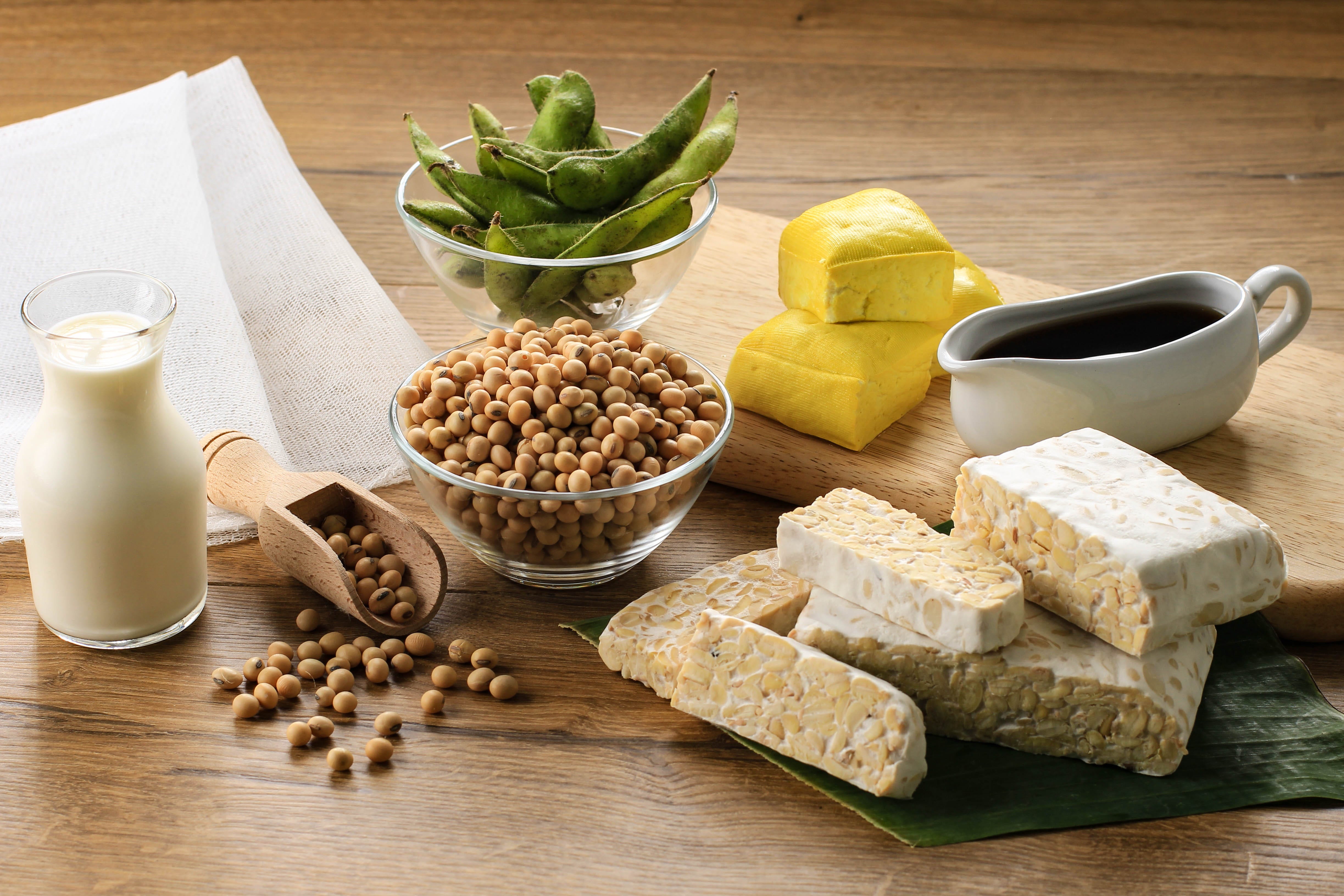
From tofu, tempeh, edamame, beans, and lentils.
Helps replace saturated-fat-heavy proteins while supporting muscle and metabolic health.
Nuts
Especially almonds, walnuts, and pistachios.
Provide healthy fats, fiber, and antioxidants that lower LDL and inflammation.
Plant Sterols
Naturally present in fruits, vegetables, nuts, seeds, and legumes.
Help block cholesterol absorption in the gut.
How to Incorporate the Portfolio Diet, Real Life Edition
Rather than following it rigidly, we recommend layering in the core foods.
Simple daily targets:
2 servings plant protein
1-2 servings nuts
2+ servings soluble fiber-rich foods
Plenty of fruits and vegetables
Portfolio Diet Meal Ideas + Recipes
Breakfast
Oatmeal with berries and walnuts
Overnight oats with chia seeds and almond butter
Try these recipes:


Lunch
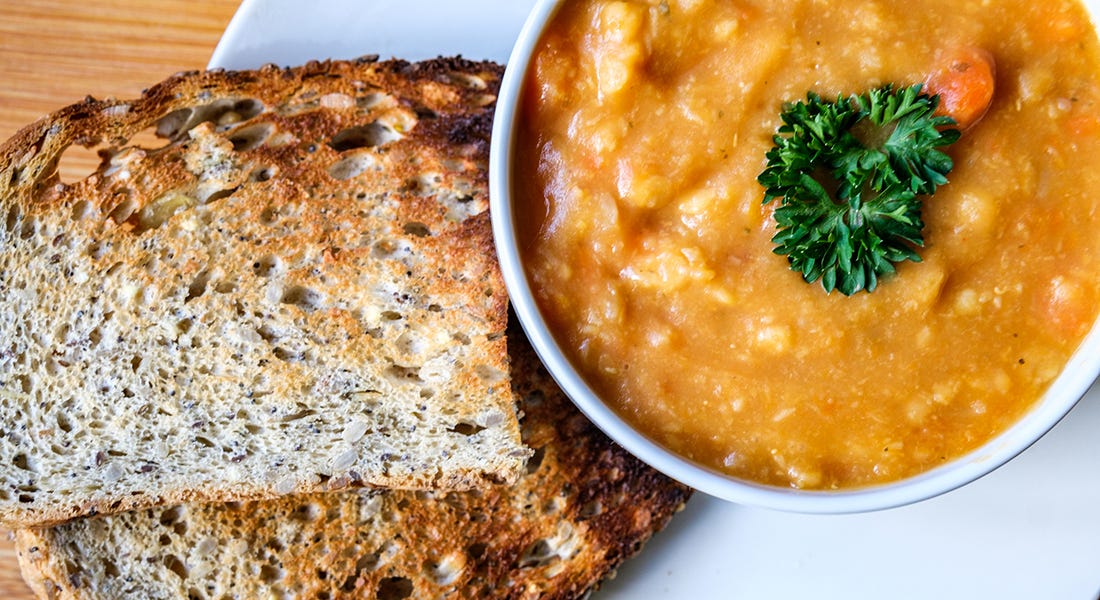
Lentil or bean soup with whole-grain bread
Grain bowl with farro, vegetables, tofu, and olive oil
Try these recipes:
Tuscan Bean Soup With Farro & Swiss Chard

This version of a classic main-dish soup from Tuscany makes use of canned white beans to save time. You can use Tuscan kale in place of chard if you wish. I like to serve this with extra grated Parmesan and red pepper flakes on the side as well as a cruet of very flavorful olive oil for your guests to drizzle over the soup.

Dinner
Tofu or salmon with barley and roasted vegetables
Bean-based chili or stew
Try these recipes:

Salmon Farro Bowl

This is a perfect recipe for when you want to eat healthy but hearty. It’s also highly customizable, so you can mix and match whatever you want within it!
Barley Salad

This tasty salad combines barley, a satisfying, nutty grain, with fresh vegetables. Flavored with mint, parsley, garlic and lemon, it might remind you of tabbouleh, a Middle Eastern dish traditionally made with bulghur wheat. Look for the flat-leaf (Italian) parsley, which has a more pronounced flavor than the curly leaf variety. This dish makes a healthy alternative to the usual picnic or potluck potato salad. Try it as a light meal all on its own, or as a wonderful accompaniment to other dishes.

Snacks
Apple with almond butter
Hummus with vegetables
A small handful of nuts
Portfolio Diet versus The Anti-Inflammatory Diet
The Portfolio Diet is more targeted and cholesterol-focused, while the Anti-Inflammatory Diet is broader and includes fish, olive oil, and moderate dairy.
Many people benefit from combining the two, using the Portfolio Diet’s cholesterol-lowering foods within an Anti-Inflammatory framework.
WEIL Nutrition Corner™ Takeaway
The Portfolio Diet works because it’s food-based, evidence-driven, and additive rather than restrictive. When applied thoughtfully, it can significantly support heart health, without requiring perfection.
Thank you for the information regarding this particular diet. Unknowingly, my husband and I have been eating this way for years including the incorporation of Dr. Weil's Anti-Inflammatory Diet. It isn't a boring approach to eating, just think outside the box. We have discovered many "new" foods this way and that makes planning and cooking meals fun.
Thank you for making this information available. I probably won't follow, exactly, "the diet," however. I don't like the limitations that are always there with any so-called "diet," but I always welcome any new food ideas, and any new information about various food items (and beverages too, but primarily food). I have a special request to make, that you've possibly already done and I missed it...but could you include, sometime, an instructional video on how to properly "massage" kale? I'd like to see the technique in action. I've not had good success with my attempts, which is why I'm making the request...just something to keep in mind for a future thing when you're putting something together. Thank you!