



Happy Wednesday! Today, we are taking a look at the Atkins Diet, a low-carb diet that was popular in the early 2000s and is still somewhat around today. Read below for a rundown of what the Atkins Diet is about, why some people follow it, and common side effects of low-carb diets like this one. Then get our takes on this diet.
P.S. If you missed yesterday’s Nourished Mama post, we are asking for reader feedback to help guide our content offerings. You can check it out here and add your interests!


What Is the Atkins Diet?
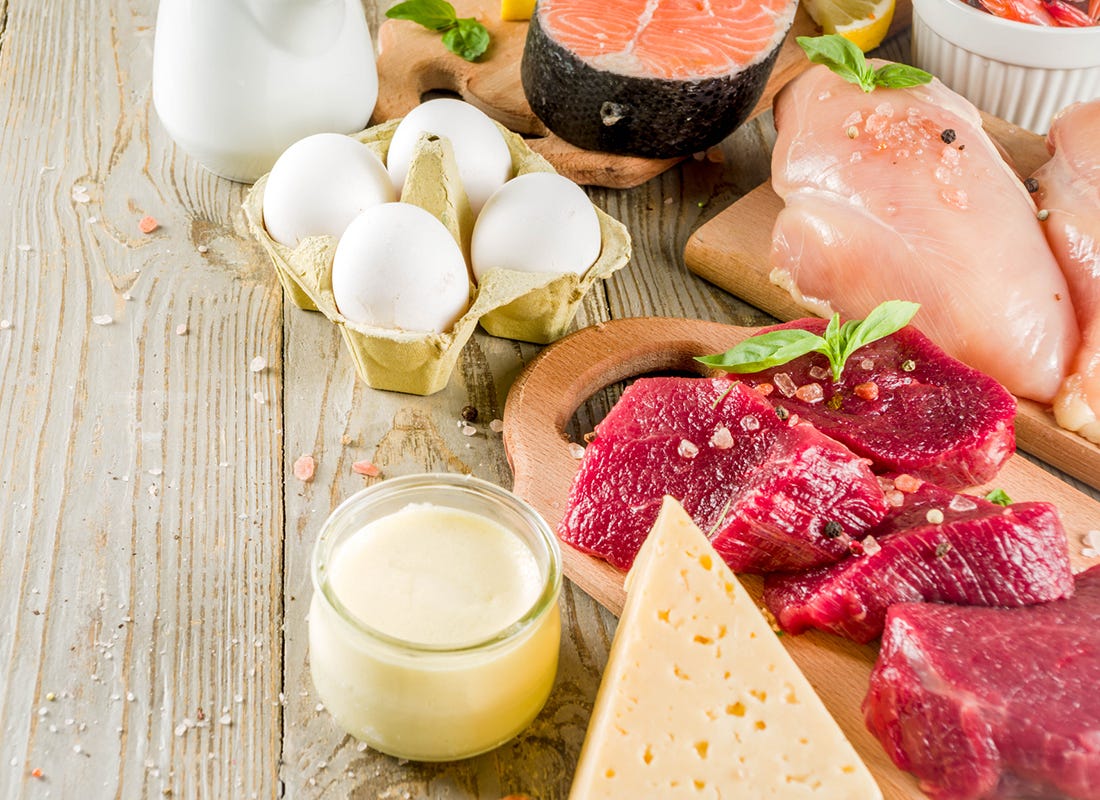
The Atkins diet is a low-carb, high-protein, higher-fat diet designed for weight loss by restricting carbohydrates, especially in the early phases. It is based on the idea that cutting carbohydrates forces the body to burn fat for fuel instead of glucose (sugar). Introduced in 1972 by Dr. Robert C. Atkins, a cardiologist, the diet gained widespread popularity in the early 2000s.
The Atkins Diet typically encourages eating:
Meat, poultry, and fish
Eggs
Cheese and full-fat dairy
Oils, butter, and fats
Non-starchy vegetables
And limiting or avoiding:
Bread, pasta, rice, and grains
Most fruits (especially early on)
Beans and lentils
Starchy vegetables like potatoes
Sugary foods and desserts
How It Works: The Four Phases
Atkins is structured in phases, starting with very low-carb and gradually adding carbs back:
1. Induction (Most Restrictive)
Around 20 grams of carbs per day
Mostly protein, fat, and leafy vegetables
Designed to trigger ketosis
2. Balancing
Slowly reintroduces small amounts of nuts, berries, and some carbs
3. Pre-Maintenance
Adds more carbs as weight loss slows
4. Maintenance
A long-term plan with a higher (but still limited) carb intake
Why People Follow It
Many people try Atkins for:
Quick weight loss
Reduced appetite
Improved blood sugar control (short term)
Side Effects of Low-Carb Diets Like the Atkins Diet
1. “Keto Breath” (Bad Breath)
Very low-carb diets can push the body into ketosis, where fat is burned for fuel. This produces ketones, including acetone, which can cause a distinctive fruity or metallic breath odor. This is a sign of metabolic shift, not necessarily dangerous, but not ideal or pleasant.
2. Constipation
Restricting carbohydrates often means reducing fiber intake, particularly from whole grains, legumes, and fruit. Low fiber can lead to:
Slower digestion
Constipation
Disruption of the gut microbiome
3. Fatigue and Brain Fog (Especially Early On)
When carbohydrate intake drops suddenly, some people experience:
Low energy
Headaches
Irritability
Difficulty concentrating
This is sometimes referred to as the “low-carb flu,” and may be due to the body adjusting to a new fuel source and to potential electrolyte shifts.
4. Nutrient Gaps
Eliminating fruits, whole grains, and legumes can reduce intake of:
Fiber
Vitamin C
Folate
Magnesium
Protective phytonutrients
Over time, this may affect immune function and cardiovascular health.
5. Increased LDL Cholesterol (In Some Individuals)
While some people see triglycerides improve on low-carb diets, others may experience a rise in LDL cholesterol, especially if the diet is high in saturated fat from red meat and dairy.
6. Mood Changes
Very low carbohydrate intake can affect serotonin production, since carbohydrates help facilitate tryptophan’s entry into the brain. Some people report:
Irritability
Mood swings
Sleep disruption
Our Takes
We believe the Atkins diet misses some key elements necessary for long-term health. Read on for where we differ, our takeaways, and a link to our preferred way of eating, The Anti-Inflammatory Diet.
Dr. Weil’s Take:
I think the Atkins diet was, in many ways, a corrective of the low-fat era. For years, Americans were told that fat was the enemy, and in response they consumed more refined carbohydrates. Dr. Atkins was one of the first physicians to call attention to the metabolic consequences of that shift. I think his approach moved the conversation in the right direction. I believe it was a more sensible diet than the very low-fat Ornish/Pritikin model, and given the choice, I would prefer it to a very low-fat diet.
That said, Atkins went too far in the opposite direction. It sharply restricts carbohydrates without distinguishing between high-glycemic-load carbohydrates (such as sweetened beverages and processed foods made with flour and sugar) and whole, minimally processed ones ( like whole grains, beans, winter squashes, and sweet potatoes). At the time, few people were talking about glycemic index or glycemic load, but the differences between these types of carbohydrates matters enormously. Lentils and sweet potatoes are not metabolically equivalent to white bread and sugar.
Where I strongly disagree is the heavy reliance on animal protein and saturated fat. From an anti-inflammatory perspective, a diet so high in animal products can promote inflammation over time. I would much rather someone emphasize vegetables, fruits, whole grains, legumes, healthy fats such as olive oil, nuts, seeds, and moderate amounts of high-quality protein, preferably from fish and plant sources.
Reducing carbohydrates can be beneficial for some individuals, especially those with insulin resistance. But the long-term goal should not be to eliminate carbohydrates entirely, but rather carbohydrate discernment. A health-promoting diet is balanced, varied, and based on whole foods and is neither extremely low in fat or carbohyrdates.
Diana’s Take:
The Atkins Diet walked so the carnivore diet could run. Anytime a diet demonizes an entire macronutrient, that’s a big red flag to me.
I think the Atkins Diet places too much of an emphasis on animal protein and has a lack of emphasis on food quality. I remember when the Atkins Diet was huge and grocery stores were filled with “Atkins-approved” bars and shakes, which were really just highly processed products with minimal nutritional value. They fit the “rules” because they were low carb, but they weren’t necessarily healthy.
I don’t disagree that limiting refined carbohydrates, like white bread, soda, cupcakes, sugary cereals, can be healthy and beneficial. But that doesn’t mean we need to be avoiding all carbohydrates like broccoli and sweet potatoes. Don’t forget, carbohydrates are the body’s primary energy source and the brain’s preferred fuel. They don’t need to be demonized, we can just do a better choosing healthier ones.
The reason the Atkins Diet worked is simple - when you eliminate major food groups, you naturally reduce overall calorie intake. It’s not magic. You can achieve similar results and still keep fruits, vegetables and whole grains, while cutting back on sugary drinks, ultra-processed foods, alcohol, and desserts.
My biggest problem with these highly restrictive diets is that while they work in the short-term, there’s no sustainability and most people struggle to maintain them long term. When you’re on a really restrictive diet it’s very common to rebound, which leads to gaining back all the weight (if not more) that you just lost. For me, a less restrictive, more balanced diet based on whole, balanced foods will always be better.
WEIL Nutrition Corner™ Takeaway: Atkins vs. The Anti-Inflammatory Diet
The Atkins Diet was, in many ways, a response to the excesses of the low-fat era. It correctly recognized the metabolic consequences of refined carbohydrates and brought needed attention to the role of insulin and blood sugar regulation in weight management. For that, it deserves credit.
However, in sharply restricting carbohydrates across the board, Atkins does not sufficiently distinguish between highly processed, high-glycemic foods and whole, fiber-rich plant foods that support long-term health. Lentils, whole grains, and sweet potatoes are metabolically and nutritionally distinct from white bread and sugary beverages.
Where we differ most strongly is in emphasis. A diet centered heavily on animal protein and saturated fat does not align with the evidence supporting cardiovascular health, microbiome diversity, and inflammation reduction. Long-term health appears to be better supported by a dietary pattern rich in vegetables, fruits, legumes, whole grains, nuts, seeds, extra virgin olive oil, and moderate amounts of high-quality protein, particularly from fish and plant sources.
Reducing refined carbohydrates can be beneficial, especially for individuals with insulin resistance or metabolic risk factors. But eliminating carbohydrates entirely is neither necessary nor sustainable for most people.
A balanced, anti-inflammatory eating pattern - varied, plant-forward, and rooted in whole foods - offers a more sustainable and health-promoting path than dietary extremes in either direction.
Use Our Anti-Inflammatory Diet Guide
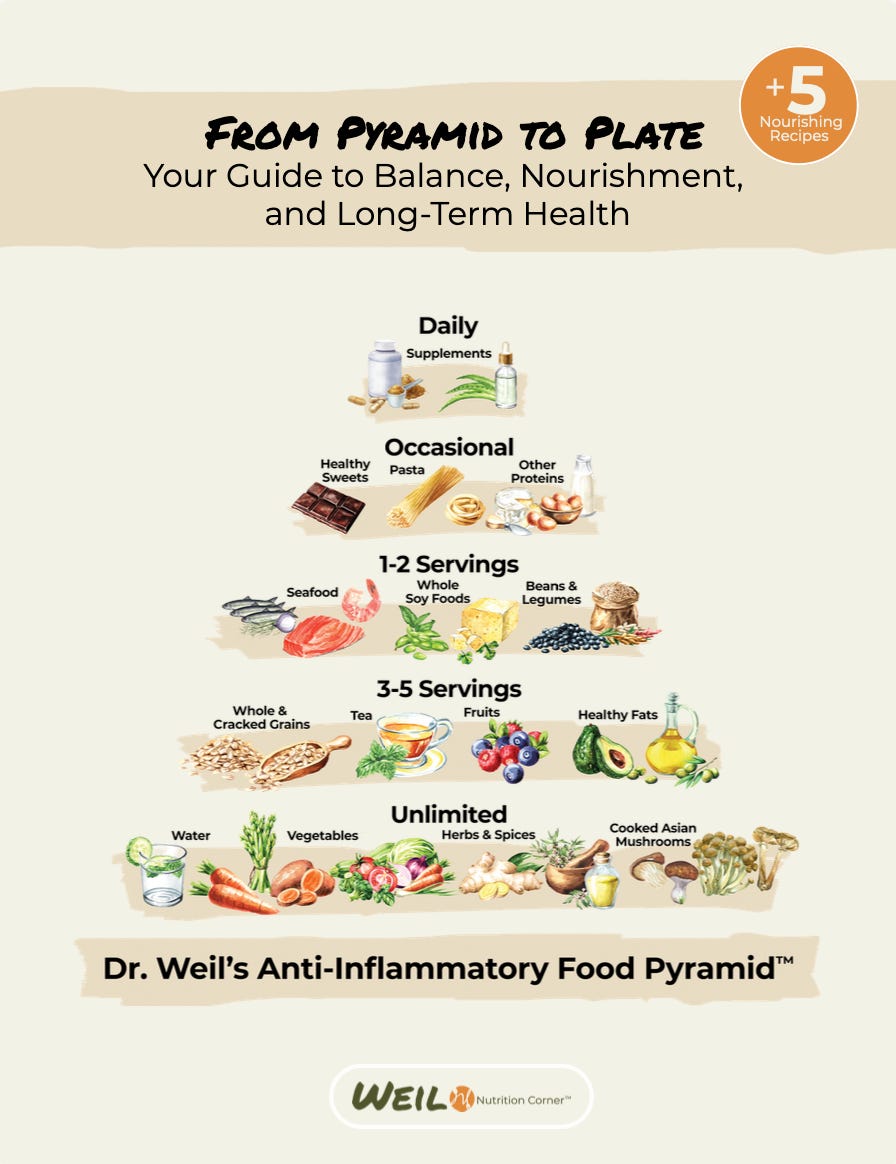
Learn more about the specific recommendations for our Anti-Inflammatory Diet Food Pyramid, and try the recipes we have included.
Begin To “Heal With Every Meal”

For decades, we have both considered food to be one of our most powerful tools for reducing inflammation and supporting healthy aging. We are proud to share Heal With Every Meal, an essential guide to anti-inflammatory eating that we created together. Within it we bring science-backed nutrition to life with practical pantry rebuilds, kitchen guidance, and delicious anti-inflammatory recipes. Whether you’re just beginning or refining your approach, this 100-page keepsake magazine offers clear, approachable tools to help you feel better - one meal at a time.
Available now wherever magazines are sold and online.
In responding to the poll I said I had tried the Atkins diet but it did not work for me. It may have worked eventually if I had stayed with it, but I do not remember ever feeling worse than when I was on that diet. For the few weeks that I tried to follow the eating suggestions I was constipated and just felt ill. I feel so much better with variety in my diet. I cook more at home and have a pretty good record for eliminating processed foods.