



Happy Monday! We are highlighting Healthy Aging Month all September long, and today we are looking at foods that are not just in season in September, but have healthy aging benefits as well. Check them out below and try the recipes! Also learn why we’re always recommending you eat your veggies, what Dr. Weil says about frozen produce, and more!
And coming up this week:
Diana revisits breastfeeding and weight loss
Our next Questions From The Corner, where we answer your questions about supplements for people over 70 and mitochondria
A nutrient-dense meal plan to keep you energized as you age
We appreciate all our readers and thank you for being part of this community!


Dr. Weil on Fresh Versus Frozen Vegetables
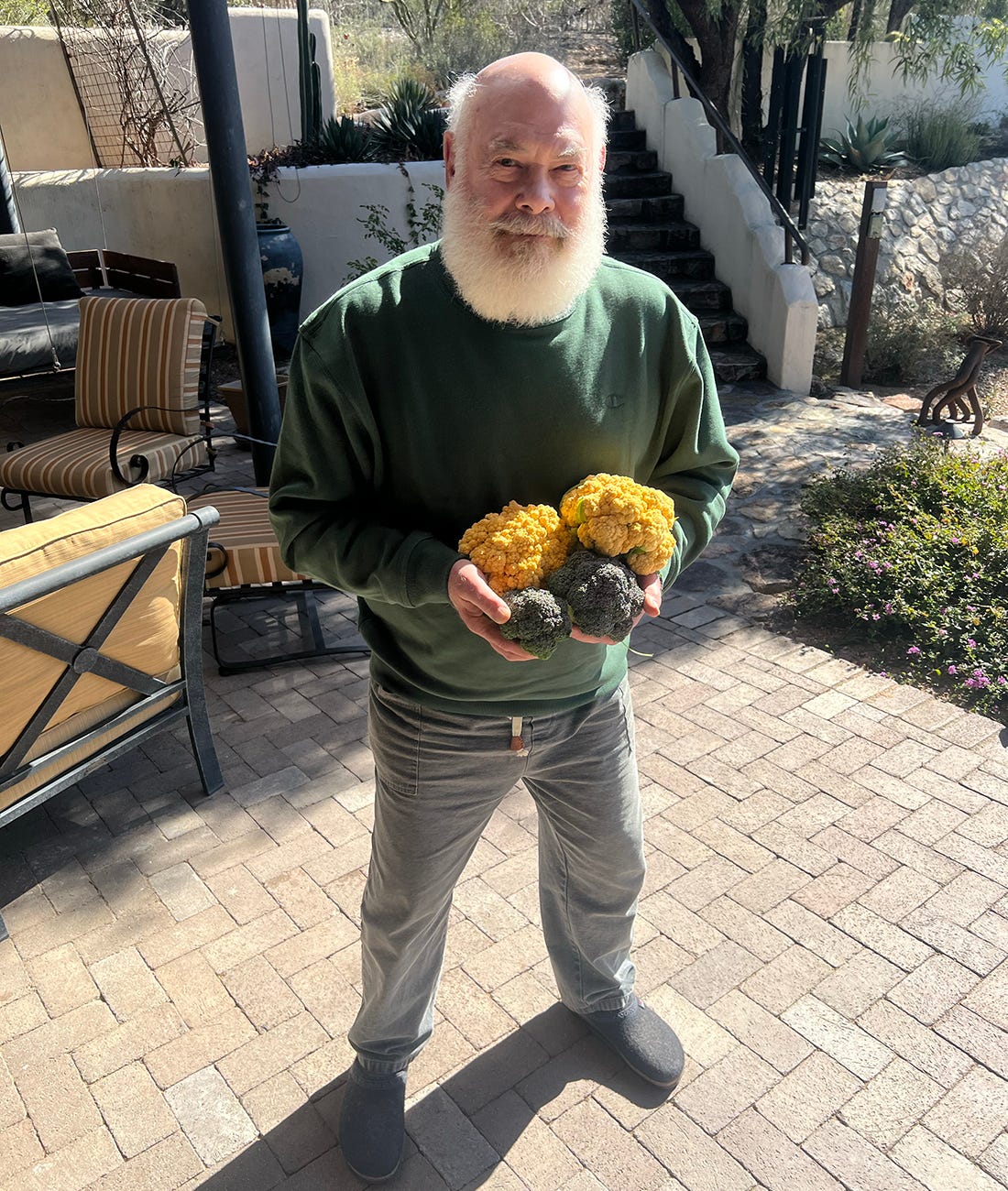
When it comes to produce, many people assume fresh is always the healthiest choice. But that’s not necessarily true.
In an ideal world, we’d all be eating organic vegetables picked at the peak of ripeness from our own gardens or a nearby farm stand, when nutrient levels are at their highest. In reality, most of us rely on grocery stores, where produce may have traveled hundreds or even thousands of miles before reaching our plates.
Because of this, frozen vegetables can actually be a more nutritious choice, as they are often harvested when perfectly ripe and quickly blanched and flash-frozen, a process that helps preserve vitamins, minerals, and antioxidants. By comparison, many “fresh” vegetables are picked before they’re fully ripe so they can survive shipping and storage. During that time, nutrients naturally begin to decline. For example, fresh spinach can lose roughly half of its folate content after just eight days.
If you’re buying frozen produce, look for plain vegetables or fruit without added sauces, sugar, or salt. I also recommend choosing products labeled USDA “U.S. Fancy” when available, as they meet the highest quality standard. In general, frozen vegetables retain more nutrients than canned varieties, with tomatoes and pumpkin being notable exceptions, since the canning process actually makes some beneficial compounds, like lycopene, more available.
As I emphasize in my Anti-Inflammatory Food Pyramid, aim for four to five servings of vegetables each day, including both raw and cooked options from across the color spectrum.
Diana Weil On Eating More Vegetables
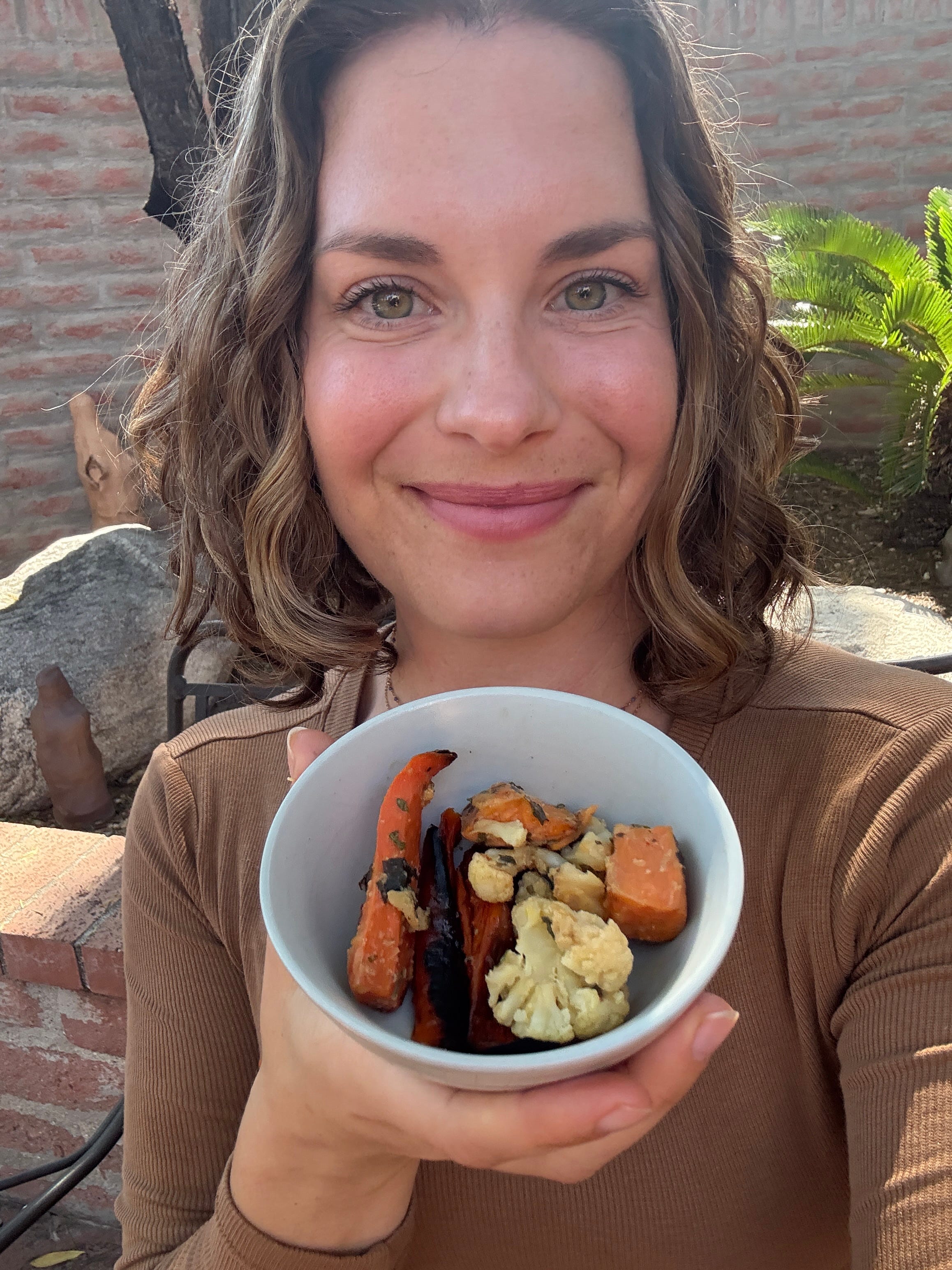
I genuinely love vegetables, and if a meal doesn’t have at least one veggie, it doesn’t feel complete to me. But I also know plenty of people who feel the exact opposite, and eating vegetables is something they really struggle with.
I generally recommend aiming for about 5-6 servings of vegetables each day. A serving is about ½ cup cooked or 1 cup raw, which can be a big push if vegetables aren’t something you love
If you’re someone who doesn’t like vegetables, try to approach them the same way we encourage kids to try new foods - with curiosity and repetition. It can take 10-15 (or more) exposures before someone begins to accept a new food. If you didn’t grow up eating many vegetables, start just by putting them on your plate consistently. You don’t have to force yourself to love them overnight, but simply seeing them and taking a bite here and there can make a difference.
I also think learning how to cook vegetables is one of the most underrated cooking skills. I can’t stand canned peas, overcooked broccoli, or mushy carrots, but I do love fresh peas, perfectly roasted broccoli, and a big salad with crisp carrots. Experiment with different cooking methods, seasonings, herbs, and sauces until you find what you enjoy. Maybe roasted Brussels sprouts are your thing, or grilled zucchini tastes better to you than steamed.
One of the easiest ways to eat more vegetables is to stop thinking of them as a side and use them as a base for every meal. When I make scrambled eggs, I throw in spinach and chopped bell peppers. Sandwiches always get lettuce, tomato, onion, and sometimes cucumber or sprouts. If dinner is light on vegetables, I’ll make a simple side salad (we have one with dinner most nights anyway, because it’s such an easy way to add nutrients and fiber).
And remember, it’s ok to make things easy. Pre-washed salad mixes, frozen vegetables, and pre-cut broccoli are all fantastic options if they make it easier for you to eat more plants.
Cooking The Anti-Inflammatory Diet Food Pyramid Series: Vegetables
You can eat as many vegetables as you’d like according to our Anti-Inflammatory Food Pyramid! Keep reading to learn more about how vegetables are incorporated in Dr. Weil’s Anti-Inflammatory Food Pyramid, what veggies we recommend, and how to use them - plus recipes!
Vegetables
How much: Unlimited (one serving is equal to 2 cups salad greens or ½ cup vegetables cooked, raw, or juiced)
Healthy choices: There really are no “unhealthy choices” when it comes to vegetables, but you can aim for lightly cooked dark leafy greens (spinach, collard greens, kale, Swiss chard), cruciferous vegetables (broccoli, cabbage, Brussels sprouts, kale, bok choy and cauliflower), carrots, beets, onions, peas, squashes, sea vegetables and washed raw salad greens
Why: Vegetables are rich in flavonoids and carotenoids with both antioxidant and anti-inflammatory activity. Go for a wide range of colors, eat them both raw and cooked, and choose organic when possible.
Try one of our favorite veggie recipes - free for all!
Tuscan Kale Salad

This traditional Tuscan kale salad recipe is made with strips of Italian black kale, fresh lemon juice, extra virgin olive oil, crushed garlic, red pepper flakes, grated pecorino Tuscano cheese and bread crumbs. These bright, refreshing flavors combine to bring the sunny taste of Italy to your table in a Tuscan kale salad. A True Food Kitchen restaurant…
If you like this, you may enjoy these posts:



September Seasonal Foods
Our VIPs have access to the seasonal vegetables Dr. Weil recommends and veggie forward recipes including:
Garlic and Herb Roasted Eggplant
Mediterranean Stuffed Bell Peppers
Mediterranean Olive and Salmon Bowl Recipe