



Today we’re looking at magnesium and sleep, a topic we know a lot of you have questions about! Read on for a look into magnesium, ways to get it from your diet, a magnesium drink Diana enjoys, and Dr. Weil’s thoughts on taking magnesium and calcium together.
Today’s post is brought to you by Pique’s RE Fountain, and is free for all our readers!
Share this post with anyone you know who may be interested in our anti-inflammatory In The News series!


Magnesium and Better Sleep: A Link?

Magnesium is an essential mineral that plays a role in relaxation and nervous system function. But can getting more magnesium really help you get a better night’s rest?
If you have trouble falling asleep or staying asleep, you’ve probably heard that magnesium might help. This essential mineral has become increasingly popular as a natural sleep aid, with supplements, powders and bedtime drinks promising deeper, more restful sleep.
But is there science behind the claims? Magnesium plays an important role in hundreds of processes throughout the body, including muscle function, nerve signaling, energy production and blood sugar regulation. It also helps regulate the nervous system, making it a nutrient of particular interest when it comes to relaxation and sleep.
While magnesium isn’t a cure for insomnia, getting adequate amounts may help support the body’s normal sleep processes.
How Does Magnesium Affect Sleep?
Magnesium contributes to several functions that may influence how easily we relax and fall asleep:
It supports a calm nervous system. Magnesium helps regulate nerve signaling and influences neurotransmitter systems involved in relaxation, including GABA, which helps quiet nervous system activity. This is one reason researchers are interested in its potential effects on sleep.
It supports normal muscle function. Magnesium helps muscles contract and relax properly. Maintaining adequate magnesium levels supports healthy muscle function, an important part of overall physical comfort and well-being.
It may influence sleep quality. Some research suggests that magnesium supplementation may modestly improve certain aspects of sleep, particularly in people with low magnesium intake. However, findings have been inconsistent, and more research is needed to determine how effective supplements are for treating sleep problems.
The Best Food Sources of Magnesium

When it comes to magnesium, consider your diet. Many magnesium-rich foods are also important components of an anti-inflammatory eating pattern.
Some excellent choices include:
Pumpkin seeds: One of the richest dietary sources of magnesium.
Almonds and cashews: Provide magnesium along with healthy fats and plant protein.
Spinach and other leafy greens: Offer magnesium, fiber and protective plant compounds.
Black beans and lentils: Supply magnesium, protein and fiber.
Whole grains: Oats, quinoa and brown rice contribute magnesium and other important nutrients.
Dark chocolate: A source of magnesium and antioxidant compounds, particularly varieties with a high cocoa content.
For most adults, recommended magnesium intake ranges from 310 to 420 milligrams daily, depending on age and gender.
Want A Calming, Magnesium-Rich Drink? Try Pique’s RE-Fountain
Along with taking a warm bath with some magnesium salts, I’ve also been using Pique’s RE-Fountain in the evenings, a calming magnesium electrolyte that is part of Pique’s Hydration Protocol. I like RE-Fountain because it’s an electrolyte, which helps with hydration, but it also contains three different forms of magnesium: bisglycinate, taurate, and malate. (I also enjoy Pique’s BT Fountain - the other part of their Hydration Protocol System - for its hydrating properties.)
Pique’s RE-Fountain offers many benefits - it:
Calms the nervous system and brain for rest and recovery before and as you sleep
Helps boost cognitive performance, memory, and focus in the morning
The tangy taste is made with only dehydrated lemon juice and lemongrass powder - no artificial flavorings or sugar
I don’t think of it as a replacement for magnesium-rich foods - food always comes first for me, and supplements are there to help fill in the gaps. But RE-Fountain has become a really easy way for me to boost both my electrolyte intake and my magnesium intake. - Diana
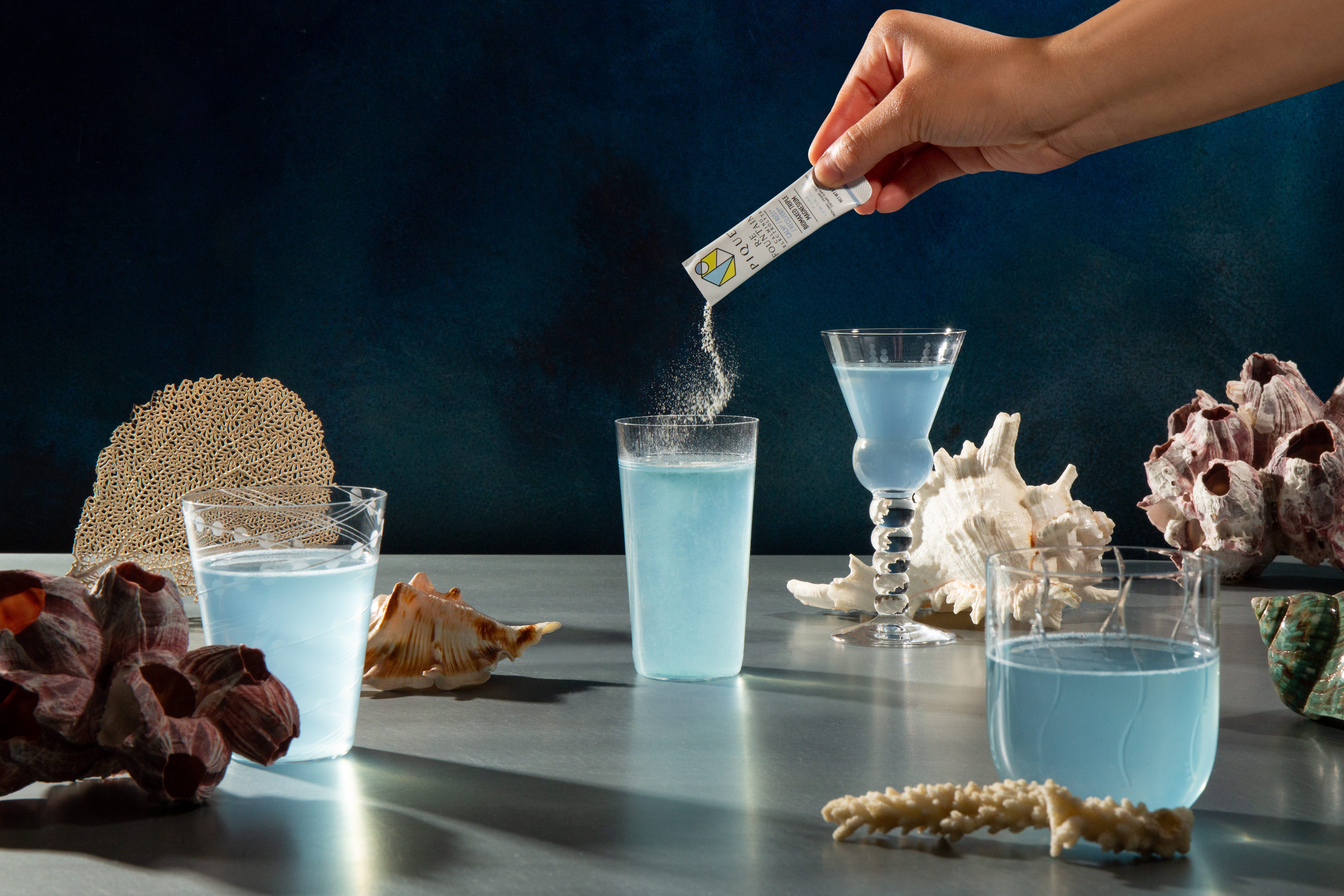
Right now, you can save 15% on your purchase of Pique’s RE Fountain!
Dr. Weil On Magnesium and Calcium
Watch what Dr. Weil says about taking magnesium with or without calcium.
As always, if you’re considering a supplement, discuss it with your healthcare provider, especially if you have kidney problems or take medications. Magnesium supplements can interact with certain medications, and excessive amounts can cause adverse affects.
You may also enjoy these posts:


Our WEIL Nutrition Corner™ VIPs have access to our entire In The News library of content! Upgrade today to unlock everything we offer, including guides, recipes, courses, challenges and more.
WEIL Nutrition Corner® is the registered trademark of Healthy Lifestyle Brands, LLC