


Happy Wednesday! Today we’re tackling an age-old conversation: Should dinner be the smallest meal of the day? Does breakfast need to be the largest meal? Read our thoughts.
Plus, Diana is sharing the rules she threw out the window when she became pregnant. Buckle up because this may be a controversial one! Read it over in the Nourished Mama and join the conversation around the “rules” that you followed - or didn’t!
As a reminder, we are taking Friday off to be with our families, so we hope everyone has a wonderful Thanksgiving meal and weekend! You can look forward to our November Round Up.
We want to know: What meal is your largest? Smallest? Are they all about the same? Share in the comments.
(P.S. Become a paid subscriber to join the full conversation.)

“Rules” In Pregnancy I Threw Out
There are a lot of things pregnant women are told they can’t do. And I disregarded most of them.
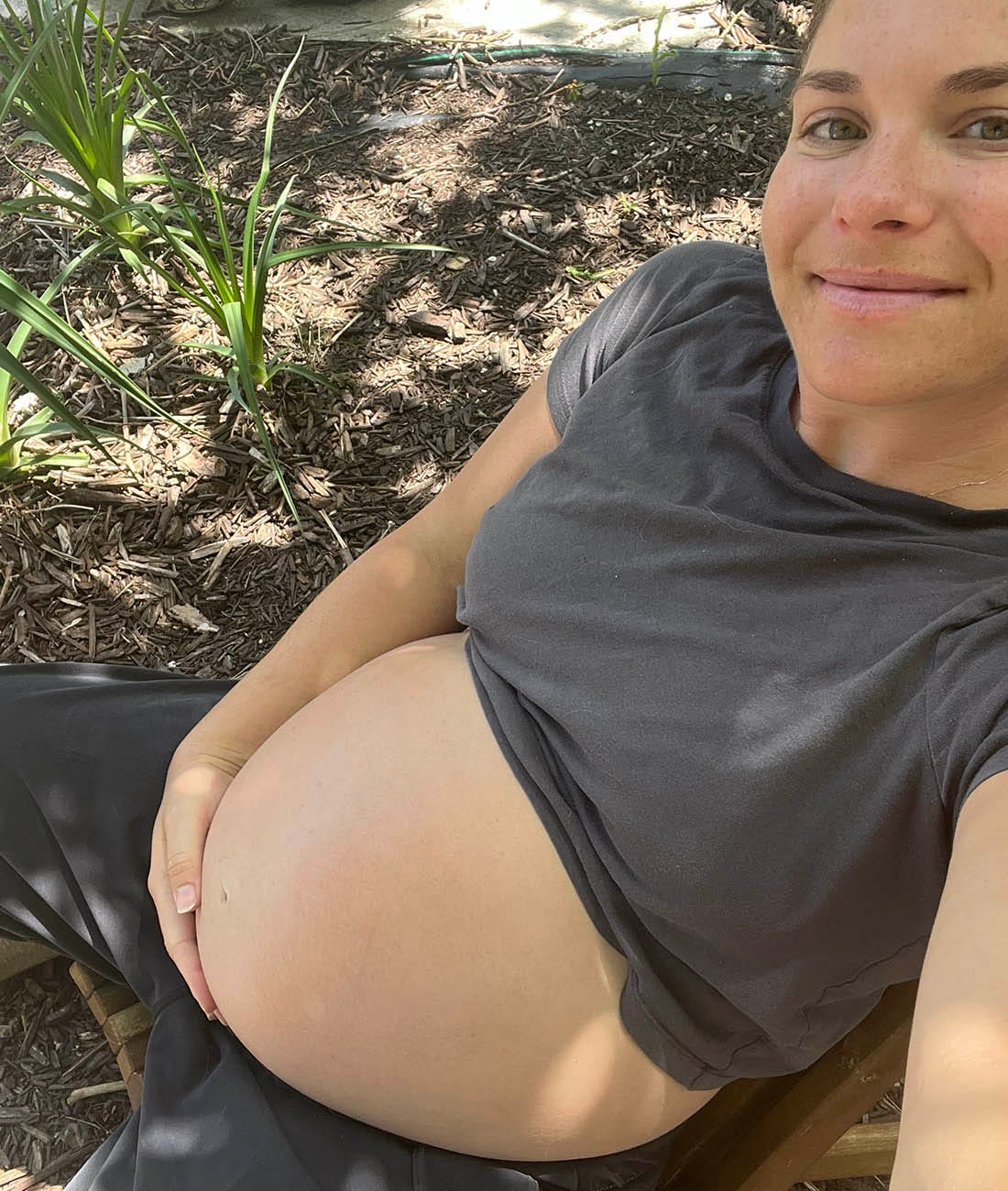
Some common pregnancy “don’ts” include: don’t lift more than 25 pounds, don’t eat sushi, don’t let your heart rate go above 140 bpm, avoid deli meat, don’t drink alcohol, only use pregnancy-safe skincare, sleep only on your left side, and, of course, don’t smoke.
Before I go further, I want to note that I had a healthy, low-risk pregnancy. If there had been any complications or concerns, I would have followed my medical team’s guidance.
Exercise
The first “rule” I ignored was around exercise. Older guidelines suggest that pregnant women should avoid lifting more than 25 pounds and shouldn’t let their heart rate exceed 140 bpm. That never made sense to me - especially if you’re pregnant and have a toddler who weighs more than that!
I’ve been exercising regularly for most of my life and have been strength training consistently for the last eight years, so continuing to lift and move felt both safe and natural. This is also backed by newer research, and what the American College of Obstetricians and Gynecologists recommends.
As for heart rate, the “140 bpm rule” is considered outdated. New recommendations now advise focusing on how you feel rather than a specific number, which I think makes much more sense. Studies show that healthy pregnant women can safely reach heart rates of 170–175 bpm during exercise without harming the baby. This wasn’t something I ever monitored. I just listened to my body and took breaks when I needed them.
I firmly believe that staying active throughout pregnancy was a major factor in handling such a long labor and in how quickly I recovered afterward. Proud to say I stayed active right up until the day I went into labor!
Sushi and Deli Meat
I don’t eat fish or meat, so these didn’t apply directly to me, but if I did, I would have felt comfortable enjoying both.
The main concern with sushi is foodbourne illness. But the data show that the risk is very low when eating sushi made from fresh, properly handled fish at a reputable restaurant. Most outbreaks actually come from produce, not fish.
Similarly, the worry with deli meat is Listeria contamination. While it’s possible and does happen, outbreaks are uncommon; the past few outbreaks have been linked back to foods like cantaloupe or leafy greens, not sushi or deli meats. Ultimately, I think this is a personal risk–benefit decision.
Sleep
Sleep was impossible for me during pregnancy, and I took it however I could get it. For years, the recommendation for pregnant women has been to only sleep on their left side, but a large study found no increased risk of complications from other sleep positions in healthy pregnancies. So I let myself sleep in whatever position I could.
Skincare
I didn’t overhaul my skincare routine or buy anything labeled “pregnancy safe.” I already avoid harsh chemicals and try to choose products with high Environmental Working Group (EWG) ratings, but beyond that, I didn’t stress about it. Most ingredients that are truly contraindicated in pregnancy, like retinoids or hydroquinone, are easy to avoid.
Alcohol
And finally, the most controversial one: alcohol.
I didn’t drink during pregnancy, mostly because I didn’t want to. But based on the research I reviewed, I believe an occasional small glass of wine with a meal later in pregnancy is unlikely to cause harm. I read Emily Oster’s book Expecting Better, which I loved and which informed a lot of my opinions
That said, there’s no known “safe” threshold for alcohol in pregnancy, and it is abundantly clear that heavy drinking is bad for both you and your baby.
Ultimately, most of these “rules” come down to personal choice and risk tolerance. For me, the best approach was to stay informed, listen to my body, and make decisions that felt right for my situation.
What rules did you follow during pregnancy? Any you avoided? Let’s talk about it over in Nourished Mama!

Should Dinner Be The Smallest Meal Of The Day?
Dr. Weil’s Take:
For years, I’ve advised people to pay attention to both what they eat and when they eat. Our bodies are governed by circadian rhythms that influence metabolism, hormone regulation, and how efficiently we use the energy in our food. While I don’t think everyone needs to or should “eat breakfast like a king and dinner like a pauper,” I do think there’s wisdom in eating more of your calories earlier in the day and avoiding large meals late at night.
Growing research suggests that our metabolic machinery is simply more active earlier in the day. We digest food more efficiently, our insulin response tends to be sharper, and we’re better able to use calories for energy rather than store them. By contrast, eating heavily at night - when the body is naturally preparing for rest - can lead to sluggish digestion, poorer glucose regulation, and less favorable metabolic outcomes over time. This doesn’t mean you need an oversized breakfast or an austere dinner, but it does mean that meal timing can meaningfully influence how your body handles food.