



Happy Wednesday! Today we are taking a look at a social media trend that is still going strong: fibermaxxing. Also called “fiber maxxing,” this wellness trend encourages people to increase their daily fiber intake, often by adding more beans, lentils, vegetables, fruits, whole grains, nuts, and seeds to their diets. As most Americans don't consume enough fiber, there is something to be said about this trend - learn more about the pros and cons, our takes, and tasty ways to get more fiber into your diet.
Share this post with anyone you know who may be interested in our anti-inflammatory In The News series!


Fibermaxxing: Should You Try It?
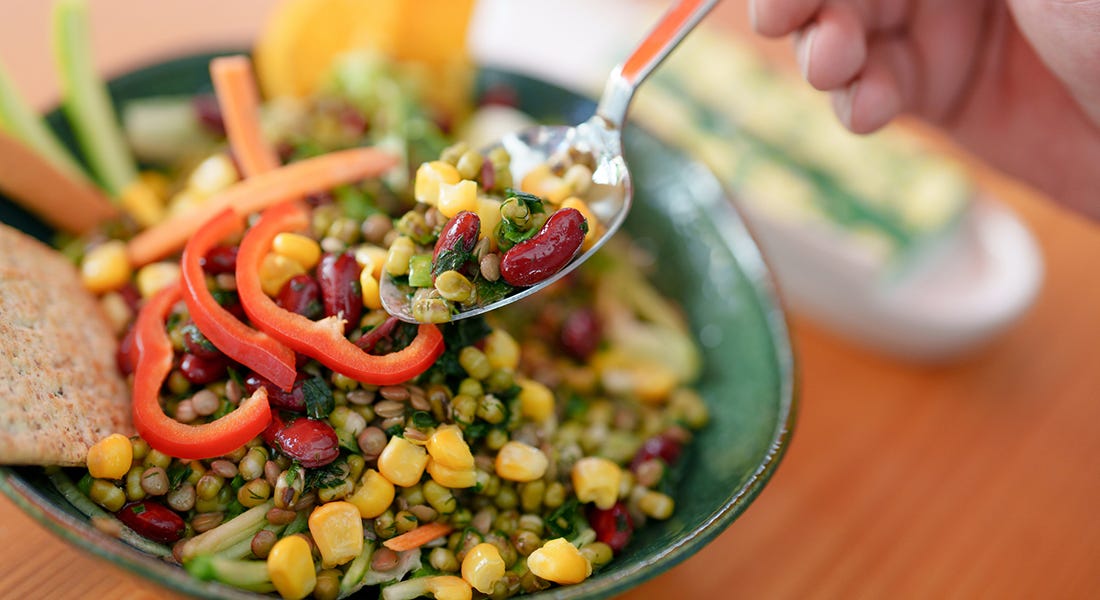
Eating more fiber is truly one of the best things you can do for your health. But does that mean you should maximize your intake? Here’s what to know about the benefits and potential downsides of this popular nutrition trend.
What Is Fibermaxxing?
Fibermaxxing is simply the practice of intentionally increasing fiber intake, often by making fiber-rich foods a priority at every meal.
Dietary fiber is a type of carbohydrate found in plant foods that the body cannot fully digest. Instead of being broken down and absorbed like other carbohydrates, fiber moves through the digestive tract and provides important health benefits along the way.
There are two main types:
Soluble fiber: Dissolves in water to form a gel-like substance that slows digestion, helps manage blood sugar, and can lower LDL cholesterol. Good sources include oats, barley, beans, apples, and chia seeds.
Insoluble fiber: Adds bulk to stool and helps keep digestion regular. It’s found in whole grains, vegetables, nuts, seeds, and the skins of many fruits.
Most plant foods contain a combination of both types, which is why eating a variety of fiber-rich foods is more beneficial than focusing on a single source.
The Pros: Why Eating More Fiber Is a Good Idea
1. Supports a Healthier Gut Microbiome
One of fiber’s most important benefits is its role in gut health. Certain types of fiber act as prebiotics, nourishing beneficial bacteria in the digestive tract. As these bacteria ferment fiber, they produce short-chain fatty acids, including butyrate, which helps nourish cells lining the colon and supports intestinal health.
A diverse, fiber-rich diet can help create a healthier environment for the gut microbiome, which plays an important role in digestion, immune function, and metabolic health.
2. Helps Lower Cholesterol and Protect Heart Health
Soluble fiber, particularly the type found in oats, barley, and certain legumes, can help lower LDL cholesterol by binding bile acids in the digestive tract and promoting their elimination. Research consistently associates higher dietary fiber intake with a lower risk of cardiovascular disease.
3. Promotes Steadier Blood Sugar
Fiber slows carbohydrate absorption, helping reduce sharp increases in blood sugar after meals. This is particularly valuable for people managing insulin resistance, prediabetes, or type 2 diabetes. Choosing fiber-rich carbohydrates such as lentils, oats, and whole grains instead of refined carbohydrates can support more consistent energy throughout the day.
4. Supports Healthy Weight Management
Fiber-rich foods generally take longer to digest and can help you feel satisfied after eating. Foods such as beans, vegetables, and whole grains also provide substantial volume and nutrients, making them useful for maintaining a healthy weight without restrictive dieting.
5. May Reduce the Risk of Certain Cancers
Higher fiber intake, particularly from whole grains, is associated with a lower risk of colorectal cancer. Fiber helps promote regular bowel movements, and certain fibers support the production of beneficial compounds in the colon. Although no single nutrient can prevent cancer, a fiber-rich, plant-forward eating pattern is an important part of long-term disease prevention.
Enjoy this post? Check out these:


The Cons: When Fibermaxxing Goes Too Far
Want to learn more about fibermaxxing, including the cons, healthy approaches to take to get more fiber into your diet, our takes and how much fiber we recommedn you get, and tasty fiber-rich recipes that can help promote a healthy body? Become a WEIL Nutrition Corner® VIP to unlock all our content - including our VIP Guide to Fiber!