



“Anti-aging” products are everywhere - but it’s a term that drives us both a bit crazy. While we understand the sentiment and the desire to age gracefully and in good health, it's not something we can stop or reverse. Still, anti-aging remains a booming industry, with collagen supplements touted as a miracle cure. In this issue, we explore whether collagen is worth considering, what it actually is, and why your body does need it.
Next, I (Dr. Weil) share my thoughts on green tea, which is hands down my favorite beverage. Packed with antioxidants, green tea may help combat free radicals and support healthy aging, making it one of nature’s most potent “anti-aging” allies.
Now we want to hear from you:
What’s your take on the term anti-aging? Do you use products that claim to slow the aging process? Let us know in the comments.


Collagen Supplements: Our Takes and Learn More About Collagen
Dr. Weil’s Take:
Collagen is the most abundant protein in the body, critical for the structure of skin, bones, tendons, and other types of connective tissue. It’s what helps keep skin firm and joints strong. Starting around age 40, however, our bodies produce less collagen - about one percent less per year - leading to visible signs of aging, such as wrinkles, as well as reduced joint flexibility.
So while it’s understandable that people turn to supplementation, I’m not convinced that taking collagen in supplement form is helpful. While the supplements appear to be safe,
with no significant adverse effects reported in studies, I don’t think they do that much for us.
Some research, especially on marine-derived collagen peptides and hydrolyzed collagen, shows modest improvements in skin hydration, elasticity, and dermal density. However, the evidence isn’t overwhelming. The benefits, if they occur, tend to be subtle, and not everyone will see them.
I don’t take a collagen supplement. I prefer to support my body’s natural collagen production by focusing on nutrient-rich foods - such as vitamin C from citrus and berries, copper from nuts and seeds, and amino acids from eggs, beans, and lean proteins. These are the building blocks of collagen, and unlike a supplement, they support overall health and well-being.
Mostly, I try to minimize behaviors that damage collagen: I wear sunscreen, avoid excess sugar, and have never smoked. Aging gracefully, to me, means embracing some wrinkles while doing what I can to stay healthy and vital.
If you’re curious about collagen supplements, I don’t see harm in trying one - as long as you choose a high-quality product with some scientific backing, and keep your expectations realistic. But in the long run, I believe that good nutrition, sun protection, and healthy habits will do far more for your skin - and your whole body - than a scoop of any powder.
Diana’s Take:
“Should I take a collagen supplement?” is one of the most asked questions I get. Collagen powders have taken the wellness world by storm - promising healthier skin and nails, thicker hair, joint support, and better bone health. With claims like this, I can completely understand why so many people are curious about it and why many are adding it to their diets.
But here’s the thing: collagen is simply a chain of 19 amino acids. Like any protein, once consumed, your body breaks collagen down into individual amino acids and uses them wherever needed. You can’t direct your body to rebuild that collagen in your skin or joints. Collagen isn’t even considered a complete protein as it’s missing one of the nine essential amino acids: tryptophan.
That doesn’t mean collagen isn’t important. It absolutely is. But instead of buying expensive collagen supplements, I recommend making sure you're getting enough high-quality protein overall. Getting adequate protein gives your body the building blocks it needs to naturally produce collagen on its own.
That said, there is some emerging research suggesting that hydrolyzed collagen (a form that's broken down for easier absorption) may offer benefits for athletes -particularly around recovery and performance. But we still need more solid evidence before making strong claims.
So, bottom line? If you’re going to try a collagen supplement, go for a hydrolyzed one. Collagen powders are considered quite safe, and if you personally notice improvements when taking one, it's likely fine to continue. However, I still think that focusing on your that daily protein needs (ensuring you’re getting all essential amino acids throughout the day) is a more reliable way to support your body’s natural collagen production.
About Collagen Powder: Do You Need It?
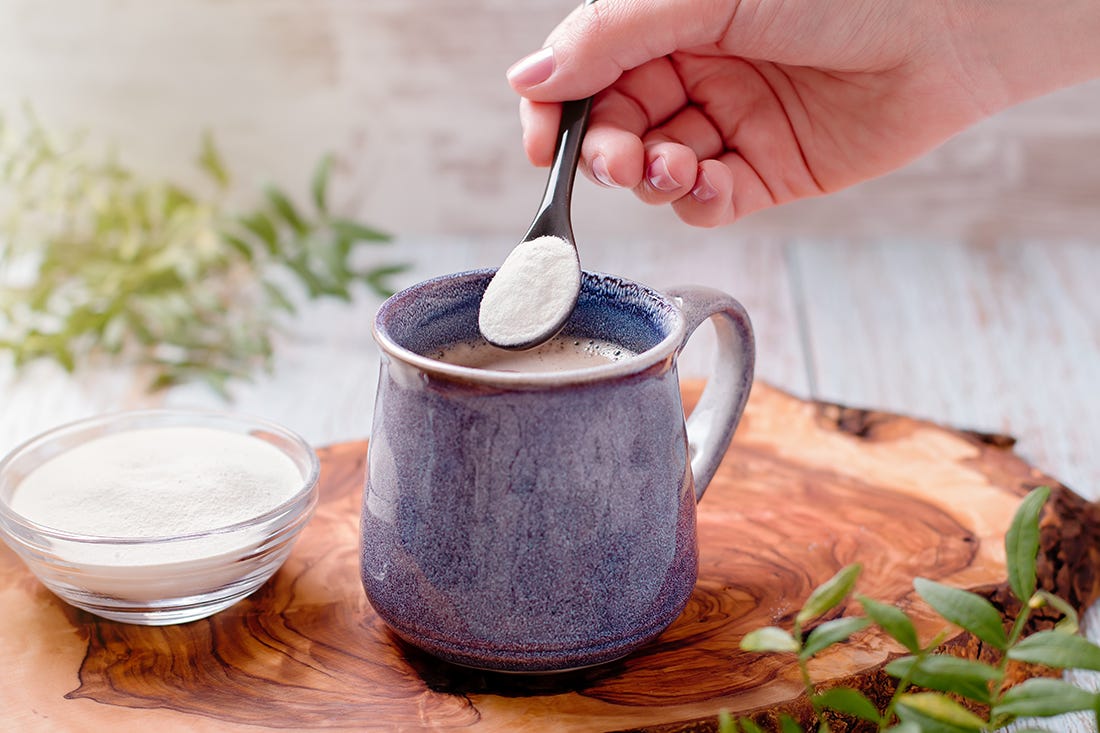
Collagen, derived from the Greek word for “glue,” is the main protein in the human body. It gives our connective tissue, muscles, bones, tendons, and skin the necessary structure and strength to hold everything together. There are at least 16 different types of collagen, with type I accounting for about 90 percent of collagen found in the human body.
In addition to providing structure, collagen helps keep our skin firm and supple. As stated above, our body produces less collagen as we age; beginning around age 40, the body’s collagen production starts to decline at about one percent per year. You’re likely to see the effects as lines, wrinkles and sagging skin on the face and neck. Sun damage, smoking, exposure to pollution, and even weight fluctuations can further decrease collagen production, leading to wrinkles and thinner, sagging skin.
This is likely why an entire industry of collagen supplements, powders, and other products has emerged, promising “anti-aging” benefits, particularly for the skin. Supplements may work to a minor degree for some, although they are unlikely to make a significant difference, and opinions among dermatologists seem mixed.

Marine collagen is one such product. Derived from fish skin or scales as well as from seaweed, sponges, jellyfish, and algae, marine collagen has been used medically as a dressing for skin wounds to protect against infection and promote healing and skin regrowth. Some studies have shown small beneficial effects in women who ingested marine-sourced collagen for weeks, including improvements in skin texture, firmness, and hydration, as well as enhanced skin brightness and overall appearance. No side effects, hypersensitivity, or systemic effects have been reported.
An advantage of marine collagen is that it is free of the risks of diseases that may be transmitted by collagen extracted from cattle and pigs. Marine collagen is widely available and is said to have better chemical and physical durability.

Overall, collagen supplements may work for some to a minor degree, although they’re unlikely to make a significant difference. Studies have shown that some products can reduce wrinkles and fine lines, while others do not. If you decide to try one, don’t rely on advertising claims or “before” and “after” photos. Instead, look for a product backed by positive results from a scientific study that was published in a peer-reviewed medical journal.
Consuming more foods rich in collagen itself might also help, but the evidence is mixed. For example, bone broth (made by simmering animal bones in water to extract collagen) has grown in popularity, but recent research suggests that it may not be a reliable source. Likewise, it may depend on the specific part of a protein that you consume: Although fish is noted to be a good source of marine-derived collagen, the eyes, scales, and head are richest in it - and considered unappetizing by many people.
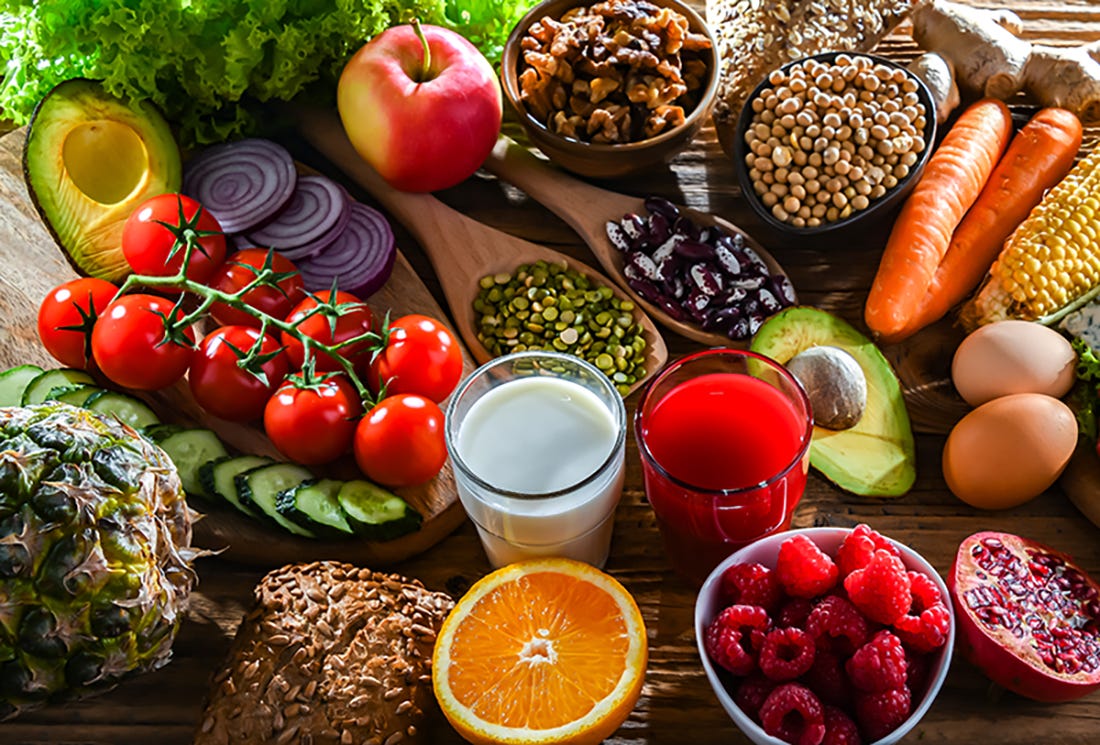
It’s important to note that our bodies make procollagen - a precursor - from the amino acids glycine, lysine, and proline, a process aided by vitamin C and the mineral copper. Foods containing these specific micronutrients, such as chicken, eggs, beans, and fruits and vegetables high in vitamin C (like citrus fruits, tomatoes, berries, and bell peppers), may help boost collagen production.
And as a reminder of what was mentioned above, you can also control some factors that damage collagen:
Avoid the sun during peak hours
Do not smoke
Minimize your consumption of sugar and other quickly digestible carbohydrates.
Sources:
https://health.clevelandclinic.org/the-best-way-you-can-get-more-collagen/
Ye-Seon Lim et al, “Marine Collagen as A Promising Biomaterial for Biomedical Applications,” Marine Drugs, August 17, 2019, doi. 10.3390/md17080467

Dr. Weil On Why He Loves Green Tea
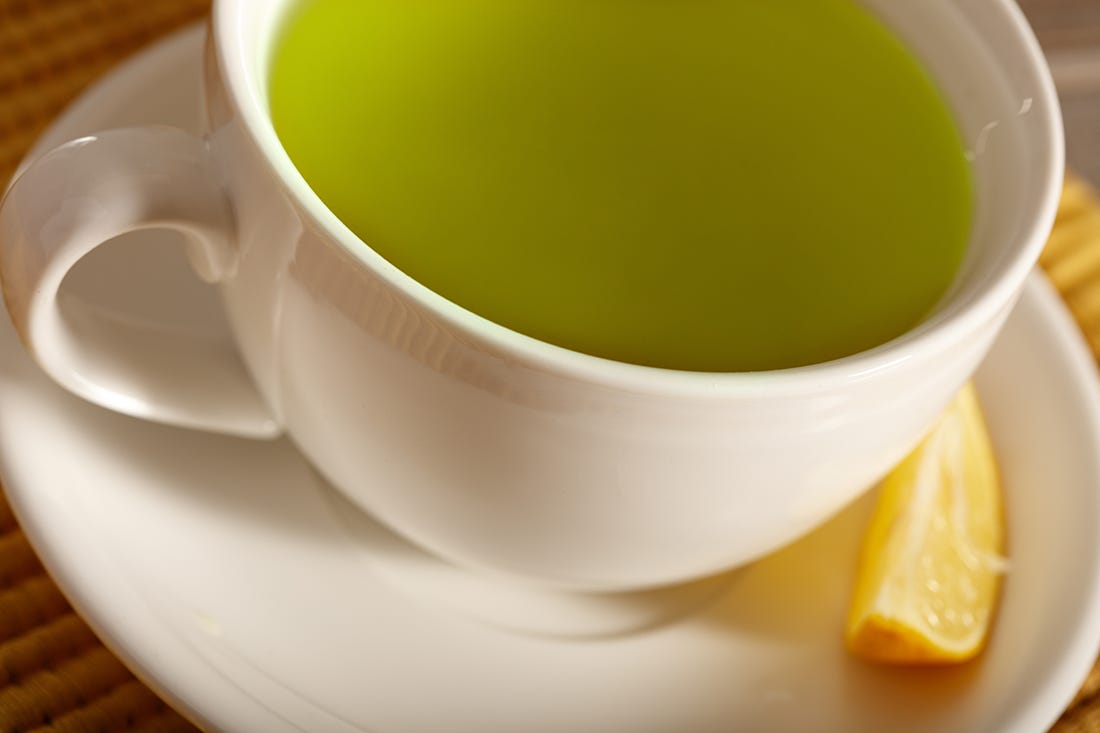
I truly believe one of the healthiest drinks you can reach for is green tea - which is why it’s featured in my Anti-Inflammatory Food Pyramid.
Backed by a numerous of studies, green tea offers a range of benefits for both mind and body. Here are just a few benefits of green tea - it can:
Neutralize damaging free radicals: Green tea is rich in antioxidants - particularly polyphenols like epigallocatechin gallate (EGCG) - which help neutralize harmful free radicals. Left unchecked, these unstable molecules can lead to oxidative stress, which contributes to aging and certain chronic diseases.
Support heart and metabolic health: Research suggests green tea can help lower the risk of hypertension, diabetes, and high cholesterol, making it a smart daily habit for long-term health.
Increase energy and focus: While green tea contains a modest amount of caffeine, it also provides L-theanine, an amino acid that promotes calm, focused energy. Together, they enhance cognitive performance and mood without the crash or jitters often associated with coffee.
Calm and relax your mind: L-theanine also supports mental well-being by increasing dopamine levels in the brain, promoting a relaxed yet alert state - ideal for focus and stress reduction.
Support fat metabolism: Green tea has been shown to aid fat burning through thermogenesis and fat oxidation, thanks to the synergistic effects of its polyphenols and caffeine.
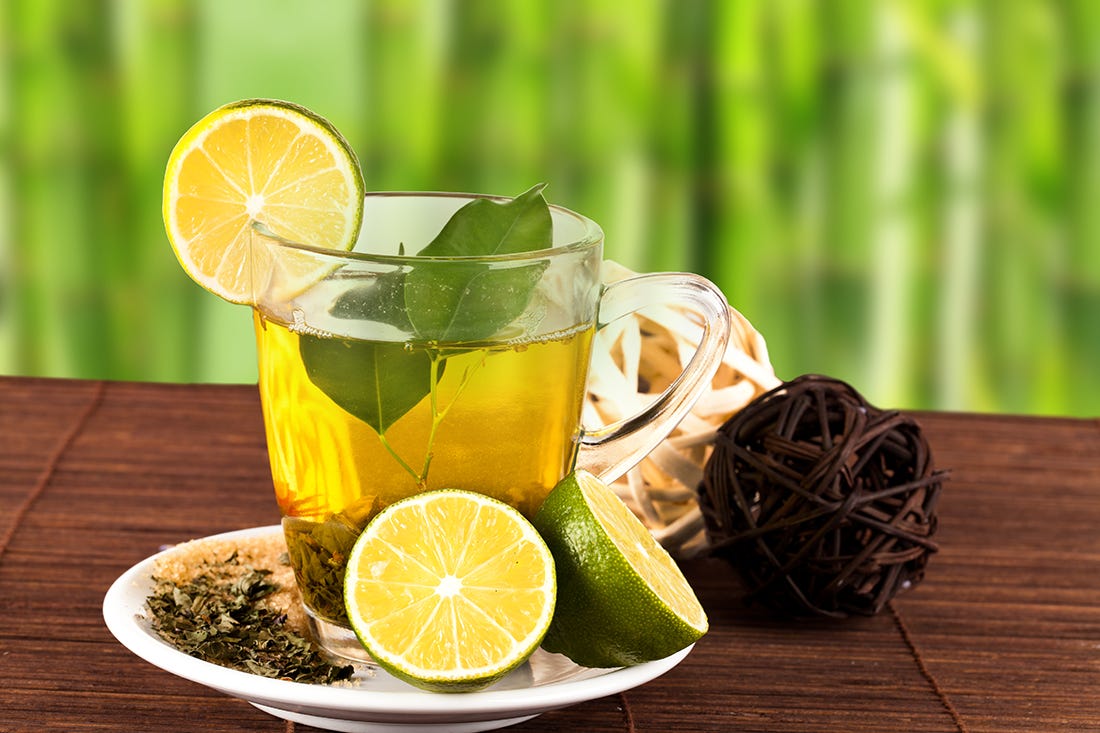
Studies have also found that green tea may help prevent skin damage, reduce the risk for some forms of cancer, and may improve bone health. And while green tea by itself is a potent source of healthy antioxidants, adding citrus juice or vitamin C can significantly boost the bioavailability of those compounds.

Made from the unoxidized leaves of the Camellia sinensis plant, green tea comes in a variety of flavors; some of my favorites include:
Matcha. The quintessential experience of Japanese green tea. It is made from skillfully cultivated, shade-grown tea leaves that have been meticulously stone-ground into a fine powder. To prepare, take a teaspoon of bright green, powdered matcha tea and stir it vigorously with hot water using a bamboo whisk. Because it is made from the entire tea leaf, matcha bursts with a bold, rich herbaceous flavor in the mouth. Be sure to look out for my video of how to make matcha tea, coming later this month.
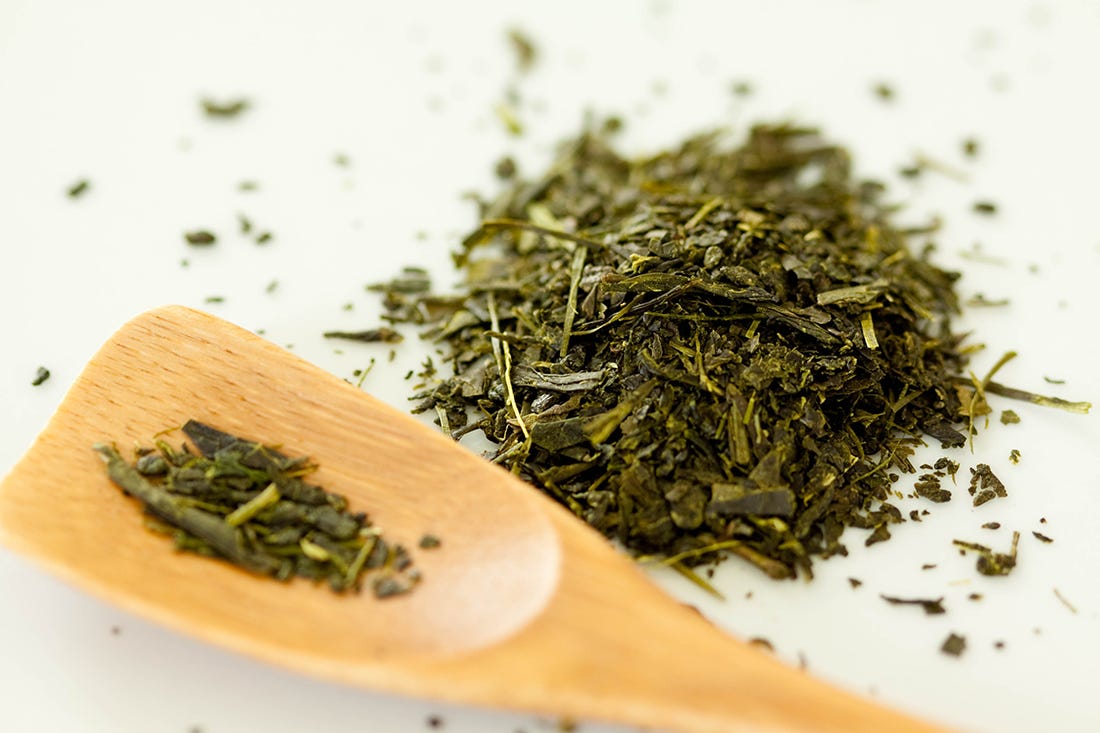
Sencha. This refers to a broad category of loose leaf green tea meant to be infused. For the best balance of flavor and color, many senchas are a mix of leaves of different sizes and shapes. The final brew will be yellow-green to a deeper shade of green. The taste may be mellow with a hint of maize or wildflower, or lively and herbaceous with a palate-cleansing astringency.
Gyokuro. An elaborated form of sencha, its leaves are meticulously shade-grown in the same manner as leaves for matcha. The shading creates a tea that is intensely rich in flavor and low in astringency. The intense labor behind gyokuro makes it one of Japan’s most expensive kinds of tea.
Genmaicha. One of the most popular Japanese green teas, it consists of a mix of roasted rice and either sencha or bancha tea. The roasted rice imparts a warm, toasty flavor to the vigor of green tea, creating a smooth overall taste.
Bancha. Made from more mature leaves than sencha, it is not as complex as sencha, yet is mellow and easy drinking, low in caffeine yet high in antioxidants, making it an ideal daily tea.
No matter which type of green tea you choose, your physical health and emotional well-being will benefit.
Sources:
Serafini, M., A. Ghiselli, and A. Ferro-Luzzi. “In vivo antioxidant effect of green and black tea in man.” European journal of clinical nutrition 50, no. 1 (1996): 28-32.
Wolfram, Swen. “Effects of green tea and EGCG on cardiovascular and metabolic health.” Journal of the American College of Nutrition 26, no. 4 (2007): 373S-388S.
Kim, Hae-Suk, Vedrana Montana, Hyun-Ju Jang, Vladimir Parpura, and Jeong-A. Kim. “Epigallocatechin Gallate (EGCG) Stimulates Autophagy in Vascular Endothelial Cells A POTENTIAL ROLE FOR REDUCING LIPID ACCUMULATION.” Journal of Biological Chemistry 288, no. 31 (2013): 22693-22705.
Ruxton, C. H. S. “The impact of caffeine on mood, cognitive function, performance and hydration: a review of benefits and risks.” Nutrition Bulletin 33, no. 1 (2008): 15-25.

Our go-to meals
Grilling suggestions
Dr. Weil on being a Pescatarian
How to make matcha tea
New recipes
And more!
My mother lived to be 104 years old and lived a full and active life. She challenged herself with learning new things, and never stopped being curious about the world around her. No, we can't stop getting older unless we die. We can age with grace and keep ourselves young by adopting a positive attitude and sense of humor at what we see in the mirror each day. Tomorrow has so many possibilities to offer us. I don't want to miss a one.