



Happy Friday! We are wrapping up our Best Of week with a focus one of our favorite foods: soup! With the weather getting colder, soup is not only comforting, but can be a tasty way to pack in extra nutrients and use up any veggies lingering in the fridge. It’s also easy to make ahead of time, which is great if you’re entertaining or just need a quick meal for the week.
In this post we cover:
Our favorite soups and how to make them
Tips on storing soup
Soup recipes including Energy-Boosting Lentil Soup, Barley and Vegetable Soup, Dr. Weil’s Immunity Soup, Gut-Healthy Split Pea Soup and Tuscan Bean Soup with Farro and Swiss Chard


Soups We Love
Dr. Weil:
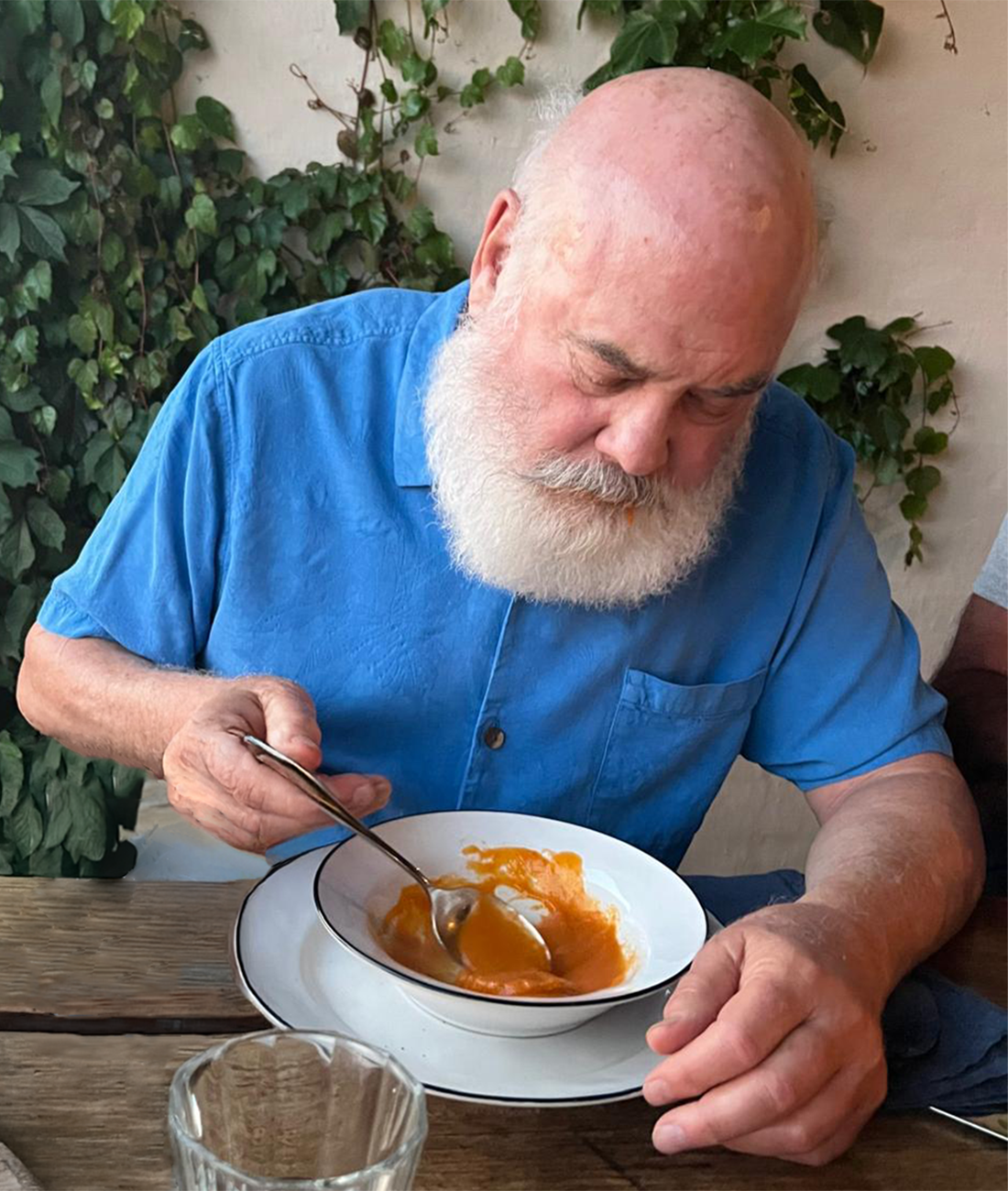
One of my favorite dishes to prepare and enjoy is lentil soup. When the nights are cold, I find this soup nourishes both my body and soul. Lentils, one of the oldest cultivated legumes, are highly nutritious. They provide an excellent source of plant protein, abundant soluble and insoluble fiber, and essential minerals, including magnesium, folate, and iron. Lentils are extraordinarily nutritious and quite affordable, making them a winner in any season.
To make my favorite lentil soup recipe, begin by rinsing a pound of lentils and simmering them gently with a bay leaf until tender. Add diced carrots, celery, onion, and a modest amount of cumin to the base, which contribute both flavor and additional nutrients. Then add two cups of crushed tomatoes (canned or fresh) and two tablespoons of extra-virgin olive oil. A final splash of vinegar just before serving balances the flavors.
This soup is hearty, deeply nourishing, and fully aligned with the principles of an anti-inflammatory diet. I often serve this soup with a simple green salad and whole-grain bread. Try the Energy-Boosting Lentil Soup Recipe below - I think you will enjoy it.
Diana:
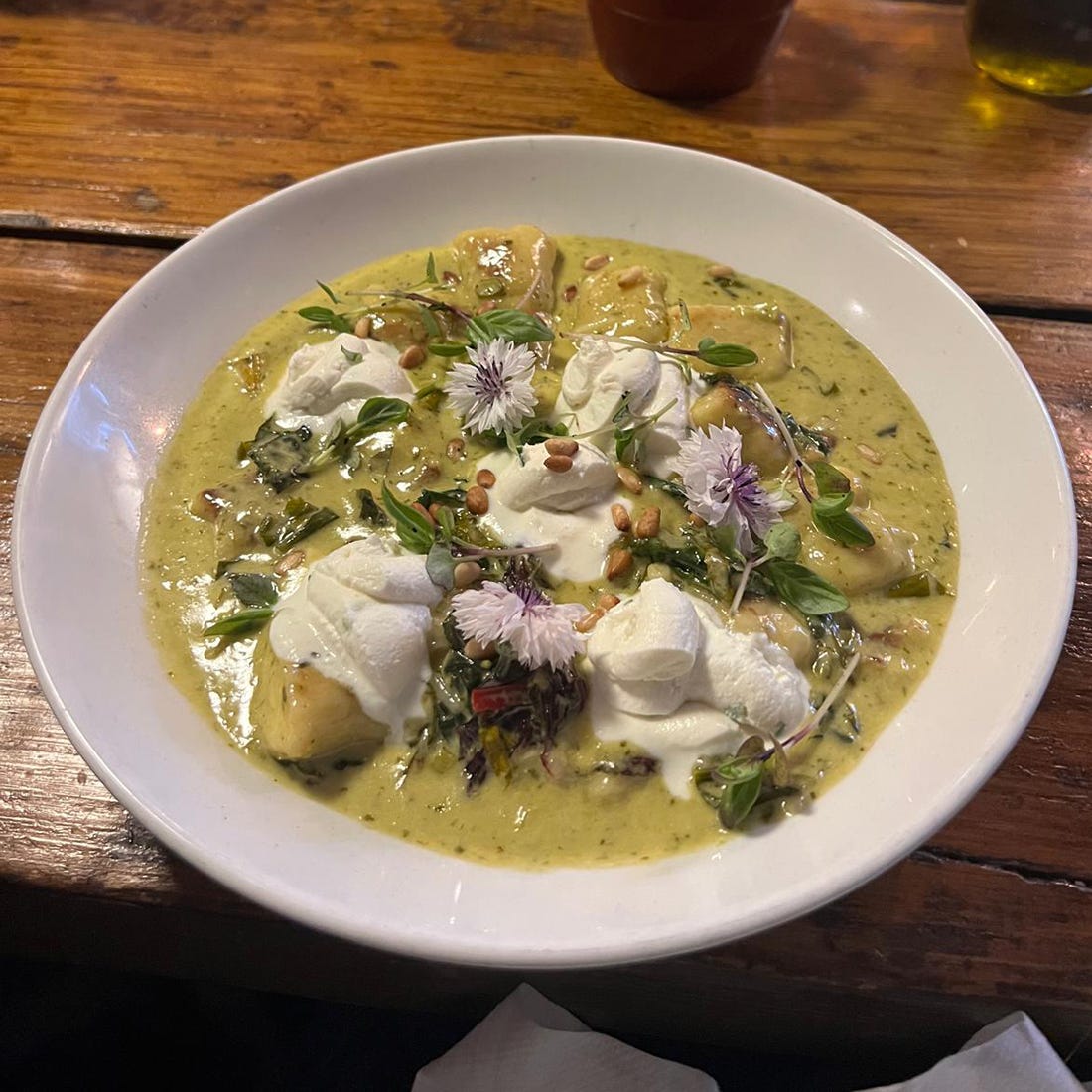
I’m a sucker for a good minestrone soup - both eating it and making it. Whenever my fridge is overloaded with vegetables, this is my go-to recipe to make. Minestrone is wonderfully forgiving, you can add just about anything, and it always seems to turn out delicious. The only thing I still can’t figure out is portion size. I only know how to make enough minestrone to feed a small army. But that’s ok! It makes for great leftovers.
I don’t typically follow a recipe when I make minestrone. I usually start by sautéing onion and garlic in a generous splash of olive oil until translucent and fragrant. From there, I add vegetable broth and whatever vegetables I have on hand. Truly, anything works, but some of my favorites are carrots, celery, potatoes, peas, zucchini, and bell peppers. Once the broth comes to a boil, I add pasta and let it simmer, covered, until the pasta is cooked and the vegetables are tender.
I do also like adding a splash of red wine and a can of crushed tomatoes to the broth. They deepen the flavor and make the soup feel just a bit richer. Near the end of cooking, I stir in a can of beans - kidney beans are my usual choice, but cannellini or garbanzo beans work great too. Just before serving, I add a handful of Parmesan cheese to everyone’s bowl.
I think minestrone is delicious, nutritious, and hearty. A true comfort food that is both satisfying and good for you. Plus, it helps you clear out the fridge!

Storing Soup
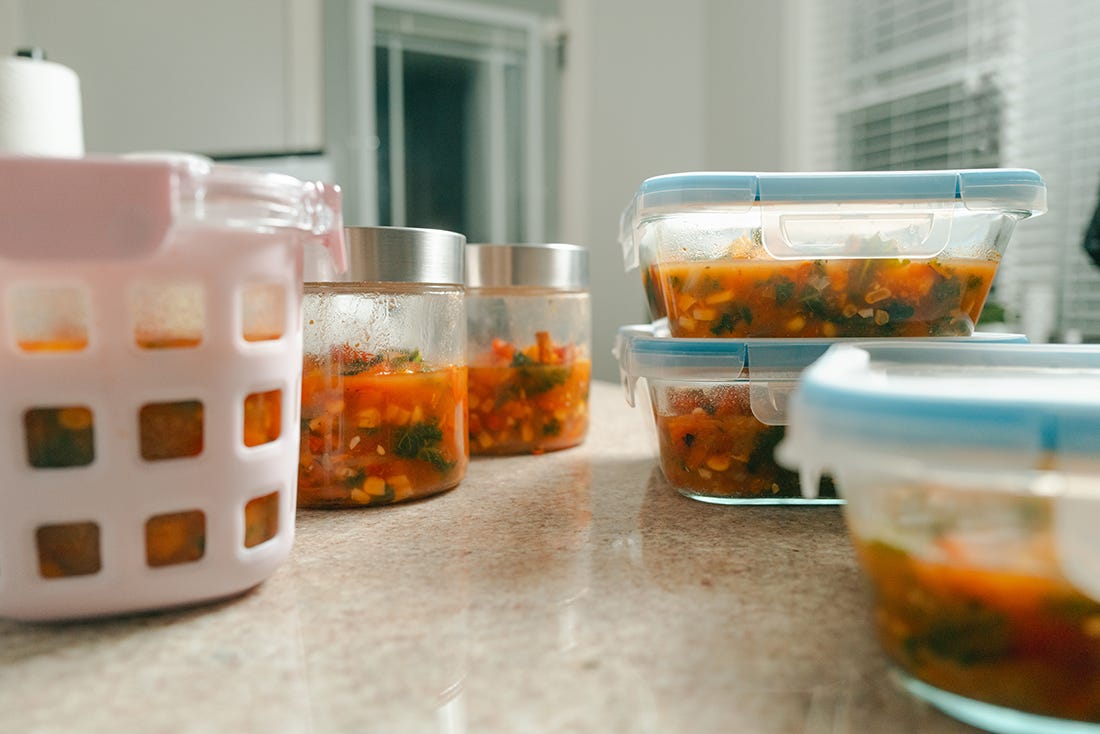
A pot of homemade soup is one of the easiest ways to prepare nourishing meals in advance. Most soups store well, and many taste even better the next day as their flavors have time to develop. A few simple precautions can help preserve both quality and food safety.
Cool it promptly. Don’t leave a large pot of soup sitting at room temperature for hours. Divide it into smaller, shallow containers so it cools more quickly before refrigerating.
Use airtight containers. Store soup in tightly covered glass or food-safe containers to help maintain freshness and prevent it from absorbing other flavors in the refrigerator.
Refrigerate for three to four days. Most cooked soups and stews can be safely kept in the refrigerator for three to four days. If you don’t expect to eat the soup within that time, freeze it instead.
Freeze individual portions. Soup freezes beautifully and can make a convenient meal on a busy day. Freeze it in individual or family-size portions, leaving a little room at the top of the container for expansion. Label each container with the soup and date.
Know which soups freeze best. Bean, lentil, vegetable and broth-based soups generally freeze very well. Soups containing pasta or grains can become softer after thawing, so you may prefer to cook and add those ingredients when reheating. Cream-based soups can sometimes separate or change texture when frozen.
Thaw safely. Defrost frozen soup in the refrigerator overnight or use the microwave’s defrost setting. Soup can also be reheated directly from frozen on the stovetop over low heat, stirring as it begins to thaw.
Reheat only what you need. Warm the portion you plan to eat until it is steaming hot throughout rather than repeatedly cooling and reheating the entire batch.
Making soup in larger quantities is a simple form of meal preparation we recommend. With a few containers in the refrigerator or freezer, a nourishing meal made from vegetables, beans, whole grains, herbs and spices can be ready when you need it and you’re less likely to rely on highly processed convenience foods.
Want more information on how to safely use leftovers? Check out our Storing Leftovers Guide.

Five Healthy Soup Recipes
Try these healthy, comforting, nourishing soups this fall and winter - some of our most popular soup recipes! Each offers a unique taste and most are hearty enough for a complete meal. Everyone can access the Energy-Boosting Lentil Soup recipe, and our VIPs also have access to:
Barley and Vegetable Soup
Dr. Weil’s Immunity Soup
Gut-Healthy Split Pea Soup
Tuscan Bean Soup with Farro and Swiss Chard
VIPs also have full access to our entire recipe library, our anti-inflammatory guides and meal plans, and more! Take 35% off your monthly or annual subscription with our Fall Sale!

Lentils are good for energy because they are rich in complex carbohydrates that provide a slow, sustained energy release, and they contain iron which is crucial for producing energy-transporting red blood cells and fighting fatigue. Their high fiber content also helps prevent energy-sapping blood sugar spikes, further contributing to stable and lasting energy levels. This is a hearty soup, perfect for lunch or dinner!
Weil Nutrition Corner® Food As Medicine: Lentils provide plant-based protein and fiber, greens add antioxidants, and olive oil and spices bring anti-inflammatory benefits.

This recipe is great for a cold weather meal for those of us that might need a little immune system boost.
Weil Nutrition Corner® Food As Medicine: Modern research shows that astragalus root, a Chinese herb long used to ward off colds and flu, has powerful immune-enhancing properties. The sliced, dried astragalus root in this soup is available online and in herb stores; it is nontoxic and adds a pleasant, sweet taste when simmered in soups. Shiitake mushrooms also boost immunity and have an antiviral effect. Garlic is an antibiotic and ginger a natural anti-inflammatory agent.

This cozy fall vegetable soup recipe is hearty, anti-inflammatory, and perfect for the season. Feel free to add in whatever veggies you have on hand!
Weil Nutrition Corner® Food As Medicine: Barley is a nutrient-rich whole grain that’s especially notable for its soluble fiber, including beta-glucan, which can help support healthy cholesterol levels, steadier blood sugar, and a healthy gut microbiome. It also provides plant protein, B vitamins, magnesium, and other minerals.

Split peas are good for gut health as they are rich in both soluble and insoluble fiber, which aids digestion, prevents constipation by adding bulk to stool, and promotes healthy gut bacteria by acting as a prebiotic. Additionally, split peas contain resistant starch, which feeds beneficial gut microbes and supports a healthy balance of gut flora. We enjoy this soup with a piece of crusty bread - delicious, and even better leftover once the flavors meld together!
Weil Nutrition Corner® Food As Medicine: Split peas are rich in fiber and plant protein, turmeric adds an anti-inflammatory boost, and the vegetable base provides immune-supporting nutrients.

This version of a classic main-dish soup from Tuscany makes use of canned white beans to save time. You can use Tuscan kale in place of chard if you wish. I like to serve this with extra grated Parmesan and red pepper flakes on the side as well as a cruet of very flavorful olive oil for your guests to drizzle over the soup.
Weil Nutrition Corner® Food As Medicine: White beans or cannellini are an especially good source of fiber. They are a close relative of the dark red kidney beans – both hold their shape and absorb flavors extremely well, making them an excellent choice for soups such as this one, and stews.
WEIL Nutrition Corner® is the registered trademark of Healthy Lifestyle Brands, LLC