



June is National Men’s Health Month, and today we are sharing specific foods men should consider eating for their health: what Dr. Weil eats to keep his brain healthy, the four foods we recommend men include in their diet, and some recipes to get you started.
If you know of any men in your life who would like this type of insight, it would mean the world to us if you shared it with them!
And coming up this week:
Diana’s husband walks us through how he stays healthy as a dad
We take a look at testosterone and nutrition
Our 2026 Father’s Day Gift Guide (and some anthocyanin insight and why they are good for men)


What Dr. Weil Eats For Brain Health

The brain controls just about every system in the body, including memory and decision-making. It makes sense then that most of us react with fear and worry when thinking about threats to brain health like Alzheimer’s disease and depression. Fortunately, there’s plenty you can do to keep your brain working optimally, and much of that involves what you choose to eat and drink.
Chronic inflammation and oxidative stress may contribute to the risk of Alzheimer’s disease. Research has found that older people with higher levels of vitamins B, C, D and E and omega-3 fatty acids in their blood perform better and mental acuity tests and exhibit less of the brain shrinkage typical of Alzheimer’s disease. On the other hand, a higher intake of trans fats found in baked and fried foods, alcohol, margarine, fast foods, and junk food is associated with consistently worse cognitive performance
In addition to following my Anti-Inflammatory Food Pyramid, which promotes monounsaturated and omega-3 fats over polyunsaturated, saturated and trans fats, try the following tips - and see what I eat to keep my brain healthy.
Minimize high-heat cooking. High heat methods of cooking can lead to the formation of advanced glycation and products or AGEs, carcinogenic compounds that have been linked to Alzheimer’s disease.
Eat more fish. Diets rich in fish and omega-3 fatty acids have been shown in some studies to alleviate symptoms of depression and other mental health issues. Wild Alaskan salmon, sardines, herring and sablefish are excellent sources of omega-3s yet are relatively low in potential environmental toxins.
Eat more plants. Studies suggest that diets rich in fruits and vegetables may help protect against both Alzheimer’s disease and Parkinson’s disease.
Add spice. Clinical research indicates that turmeric extracts block the formation of beta-amyloid, the substance responsible for the plaques that slowly obstruct cerebral function in Alzheimer’s disease.
Sip green tea. Studies suggest that regular consumption of green tea may help protect against Alzheimer’s and other forms of dementia.
Brain health is definitely something I think about in my own life and recommend everyone consider.
I eat omega-3–rich fish like salmon, sardines, or black cod two to three times per week. Omega-3’s are consistently linked to better brain health and reduced inflammation. For those who don’t eat fish, an algae-based omega-3 supplement can be a good alternative.
I also drink a glass of unsweetened iced matcha pretty much every day. Matcha is a great source of L-theanine, which supports a feeling of calm focus and improves cognitive function.
I also make a point to include a variety of plant foods with neuroprotective potential. Berries are a regular part of my diet due to their high levels of antioxidants, which help combat oxidative stress. I also really enjoy eating lion’s mane mushrooms. I like to cut them into thick slices, brush them with teriyaki sauce, and either grill or sauté them. Lion’s mane, in particular, may help support nerve growth and brain function.
I also frequently cook with turmeric and regularly drink fermented turmeric tea (just mixed with cold water). Its active compound, curcumin, has been shown to help modulate inflammation, a key factor in long-term brain health.
Beyond just diet, I also think it’s important to do things that keep your brain active. Like puzzles (my favorites are acrostics and the NYT Spelling Bee), learning another language (I’m currently learning Japanese), and being with people who stimulate you. I also very rarely drink alcohol these days.
If you enjoy this content, you may want to read these:


What Foods Should Men Be Eating More Of?
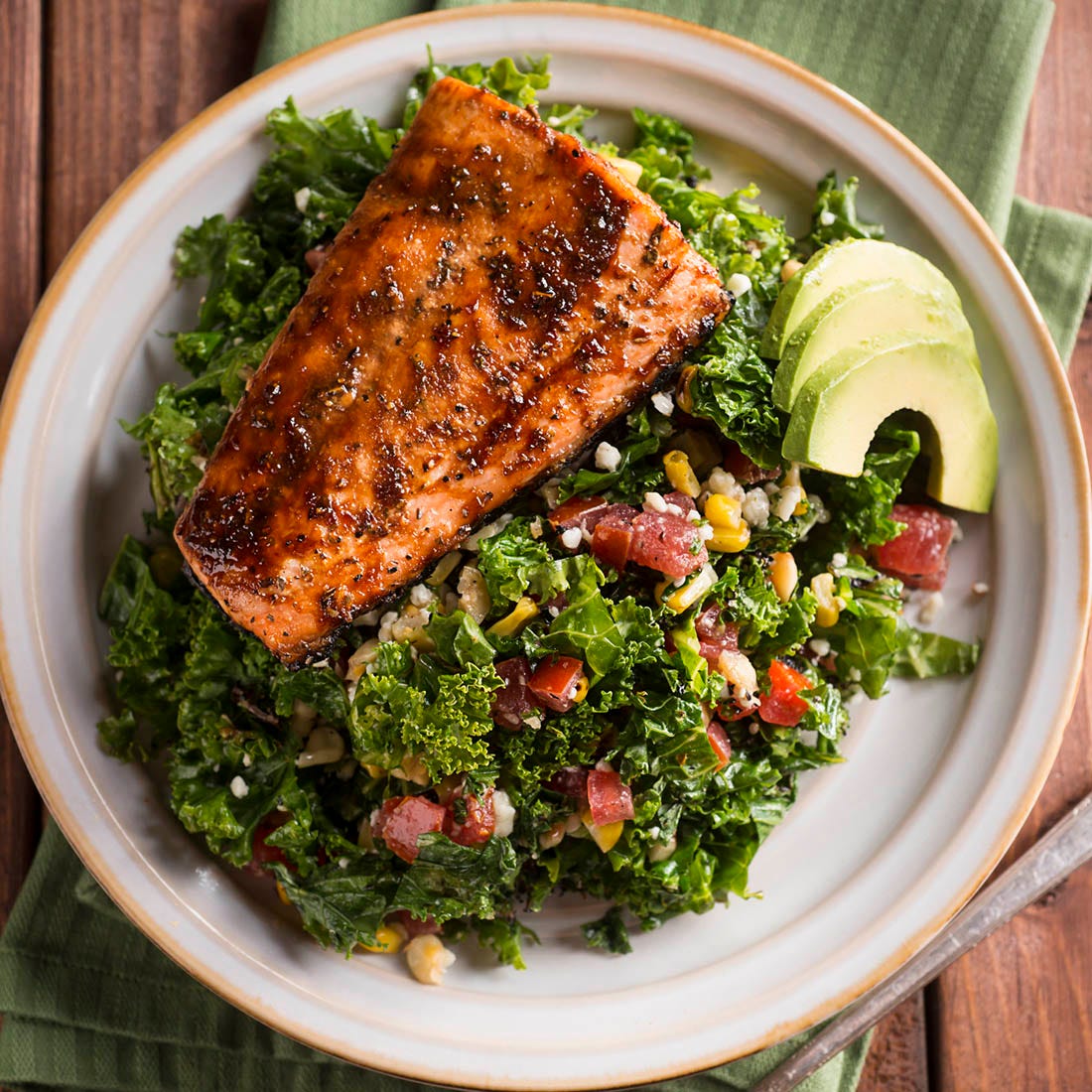
Here are four foods for men who want to help support heart health, muscle maintenance, hormones, and long-term disease prevention - all key areas for men’s health.
See all the foods and access the recipes when you become a WEIL Nutrition Corner® VIP!