



Happy Wednesday! Today, we’re taking a closer look at the new USDA Food Pyramid: what’s changed, what we like, what concerns us, and how it compares to the Anti-Inflammatory Diet we follow and teach here at the WEIL Nutrition Corner™.
You’ll hear both of our perspectives below, and we’re also sharing our Anti-Inflammatory Diet Food Pyramid Guide, which walks through the refreshed pyramid we released earlier this year.
If you’ve ever wondered how to translate nutrition guidance into real meals, grocery lists, and everyday choices, this post is a great place to start - our paid subscribers get even more tools, recipes, and practical support each week to help put these ideas into action.


Our Takes On The New USDA Food Pyramid
Dr. Weil's Take:
People have told me they find the new food pyramid confusing. Although I endorse the advice to eat more whole foods and fewer processed products, I have reservations about the general guidelines. Before you make changes in what you eat, let’s take a closer look at the new recommendations.
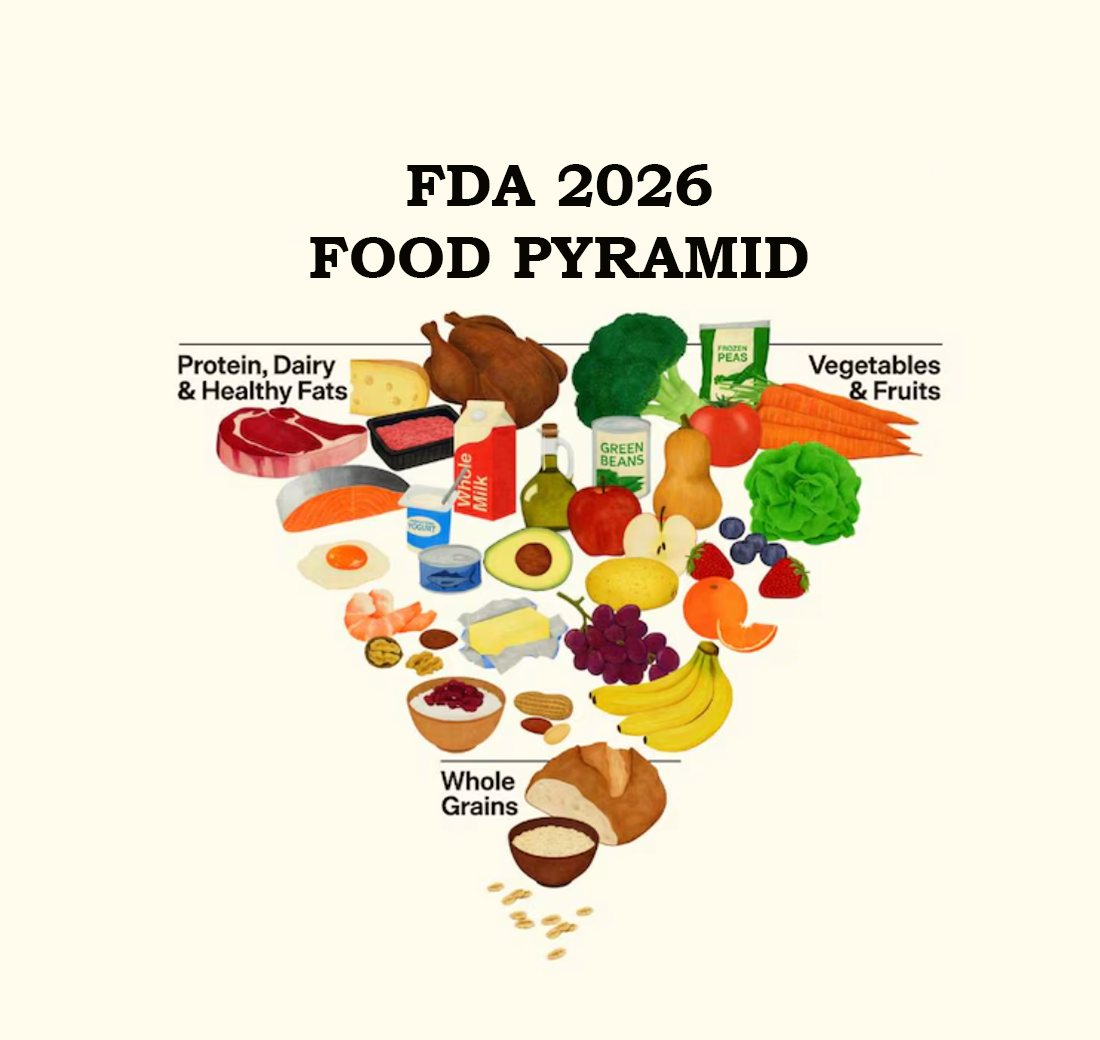
One of the most obvious changes in the USDA’s 2025-2030 edition of Dietary Guidelines for Americans, released in January 2026, is the graphic. The familiar pyramid has been inverted, with a broad top narrowing to a pointed base. The top is filled with meat, cheese, whole milk, and other items labeled “protein, dairy, and healthy fats” on one side, with a section for “vegetables and fruits” on the other. The inverted pyramid descends through butter and nuts, ending in a small section of whole grains at the bottom.
Many people, myself included, were confused to see a thick beef steak and a package of ground beef featured so prominently in the graphic. The suggestion that red meat should be one of the main items on anyone’s plate is questionable at best. Red meats (beef, lamb, and pork) are high in the kind of saturated fat associated with heightened risk of cardiovascular disease, cancer, and diabetes.
Although the written recommendations of the new food guidelines specify that saturated fat should not exceed 10 percent of one’s total daily calories, the prominence of red meat in the pyramid graphic suggests otherwise and could certainly confuse the message. (It’s also worth noting that the American Heart Association recommends we get less than 6 percent of daily calories, not 10 percent, from saturated fats.)
Saturated fats are a small but important part of our daily nutritional needs, and I recommend getting them from natural cheeses, yogurt, and small amounts of whole milk. The saturated fat in natural cheeses and yogurt may actually be beneficial.
It’s fine to cook with small amounts of butter, but the guidelines’ new suggestion that we cook with beef tallow to add “healthy fats” to our meals is alarming. Beef tallow is 50 percent saturated fat - not the good kind - and I’ve been concerned about recent dietary fads touting its supposed health benefits. These fads prompted the Physicians Committee for Responsible Medicine to issue a 2025 statement about the health risks of beef tallow, citing its association with an increased risk of heart disease. I strongly advise against consuming or cooking with beef tallow.
Overall, the new guidelines place greater emphasis on protein. Most Americans already get more than enough protein in their daily diets, so the message to get more seems unwarranted. For your daily needs, plant-based sources of protein are healthier than red meat and are far better choices than protein bars and other processed products. In my view, many of the new “protein-rich” products on the market now just reflect the latest marketing fad.
I heartily agree with the new guidelines regarding fruits and vegetables, and was pleased to see recommendations of 3 servings of vegetables per day and 2 servings of fruit per day. I was not happy to see a can of green beans in the graphic, however, since canned vegetables tend to be less nutritious than fresh produce and are often very high in sodium. If fresh produce is not available, frozen vegetables are a better option. Studies show that vegetables frozen at the peak of freshness are just as nutritious (sometimes even more so) than fresh ones.
Finally, I disagree with relegating whole grains to the bottom of the pyramid. Although the guidelines themselves recommend 2 to 4 daily servings of whole grains, you would not take that message away from the graphic.
The bottom line is that I stand by my Anti-Inflammatory Food Pyramid - I believe that remains the most sound, complete approach to healthy nutrition.
Food Relationship Reset

We’re inviting you to join us for Part 2 of our New Year Fresh Start Challenge: Your Food Relationship Reset. This 14-Day Workshop begins February 16.
This guided experience is grounded in mindful, anti-inflammatory nourishment and supported by the Your Food Relationship Reset Workbook. Each day offers simple reflections and insights designed to help you notice habits, reconnect with internal cues, and approach food with greater clarity and balance.
There are no rules, no pressure, and no judgment - just space to learn from your own experience and reset your relationship with food in a way that supports long-term health.
This is VIP subscriber only, so upgrade today to learn the skills that support health well beyond the 14 days.
Diana’s Take:
First and foremost, it’s important to understand that the U.S. stopped using the traditional food pyramid in 2011 and replaced it with MyPlate. MyPlate emphasized whole foods in a way that I think was much more practical and easier for people to understand. MyPlate recommends that roughly half your plate be filled with fruits and vegetables, a quarter with whole grains, and a quarter with protein, with room for a dairy source as well. I like this visual because I think it’s a good way to translate nutrition guidance into something people can actually picture and apply to real meals.
There are aspects of the new food pyramid that I like, and others that I don’t. Visually, I don’t find a flipped pyramid particularly intuitive, especially compared to the simplicity of MyPlate.
What I like:
I do appreciate the shift from recommending low-fat dairy to whole-fat dairy. Research increasingly suggests that whole-fat dairy is not associated with an increased risk of chronic disease and, in some cases, may be associated with a lower risk of type 2 diabetes. Which challenges a long-standing fear of eating dietary fat. I also like the continued emphasis on whole foods (which MyPlate already did well), and I think it’s positive that they included a visual of frozen vegetables, which can be both budget-friendly and healthy.
I’m glad to see fruit juice removed as a recommendation. I’m also generally okay with the modest increase in protein recommendations. But don’t get me started on the statement “the war on protein is over.” What an insane thing to say. We have never had a war on protein, and the protein industry (powders, supplements, etc.) is booming.
What I don’t like:
I think there’s far too much emphasis on meat, and I’m disappointed to see whole grains pushed to the very bottom of the pyramid - even though in the written recommendations, they suggest 2-4 servings of whole grains a day. Americans already struggle with low fiber intake, and whole grains are one of the best ways for people to meet their fiber needs.
As my dad pointed out, the guidelines continue to recommend keeping saturated fat under 10% of total calories, yet that’s quite difficult, if not impossible, when the visuals suggest meat at the base of the diet and promote using beef tallow for a cooking fat. Overall, I think there’s a disconnect between the stated nutrient targets and the foods being emphasized.
I also think the risks to vegetarians and vegans are overstated, and I strongly disagree with the reduced emphasis on plant-based protein sources. Beans, lentils, tofu, nuts, and seeds are nutrient-dense, fiber-rich, and associated with positive long-term health outcomes.
Overall, most people don’t follow the USDA Dietary Guidelines anyway. And what we need more than another redesign of the food pyramid are policy changes that address the structural problems in our food system, from food access and affordability to agricultural subsidies and nutrition education.
Putting Nutrition Guidance Into Practice
Understanding food guidelines is only the first step. The bigger challenge for most people is knowing how to turn those recommendations into meals they’ll actually enjoy - week after week.
At the WEIL Nutrition Corner, our paid subscribers receive ongoing recipes, meal ideas, and practical guidance built around the Anti-Inflammatory Food Pyramid - including plant-forward meals, whole-grain dishes, and flexible protein options that align with the science behind inflammation and long-term health.
Our Suggestion: Follow The Anti-Inflammatory Diet Food Pyramid
The Anti-Inflammatory Diet Food Pyramid offers a science-based framework for choosing foods that help calm chronic inflammation and support long-term health. This free guide explains the philosophy behind the pyramid and outlines the key food groups to emphasize.
For those who want help applying this framework in real life - from weekly recipes to seasonal meal ideas - our paid subscription builds on this foundation with ongoing, practical support.
Chronic inflammation is increasingly recognized as a key driver of many serious diseases, including heart disease, cancer, and Alzheimer’s. While inflammation is a natural and essential part of the body’s healing process, it becomes harmful when it persists unnecessarily. Factors such as stress, inactivity, toxins, genetics, and, importantly, diet can all contribute to chronic inflammation. Understanding how food affects this process is one of the most effective ways to reduce inflammation and lower long-term disease risk. The Anti-Inflammatory Diet is not a short-term plan or a weight-loss diet. Instead, it is a lifelong approach to selecting and preparing foods based on scientific evidence regarding their support for health. This way of eating helps calm inflammation while providing steady energy and essential nutrients, including vitamins, minerals, healthy fats, fiber, and protective phytonutrients.
Anti-Inflammatory Diet Guide
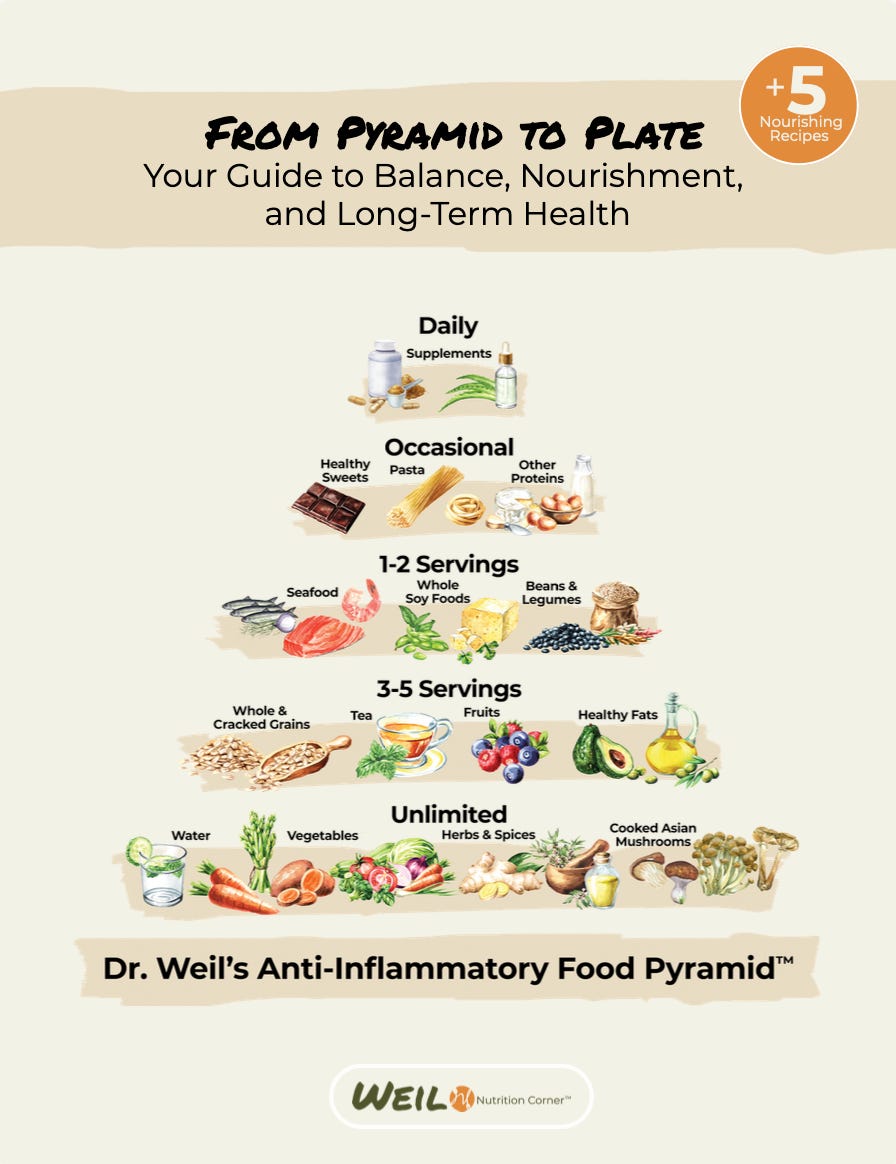
Learn more about our refresh and the specific recommendations for the new Anti-Inflammatory Diet Food Pyramid, and try the recipes we have included.
If you value thoughtful nutrition analysis and want continued guidance on how to cook and eat in alignment with the Anti-Inflammatory Diet, consider upgrading to a paid subscription. Paid members receive exclusive recipes, weekly food-as-medicine features, and practical tools designed to make healthy eating realistic and enjoyable.
Learn How To “Heal With Every Meal”
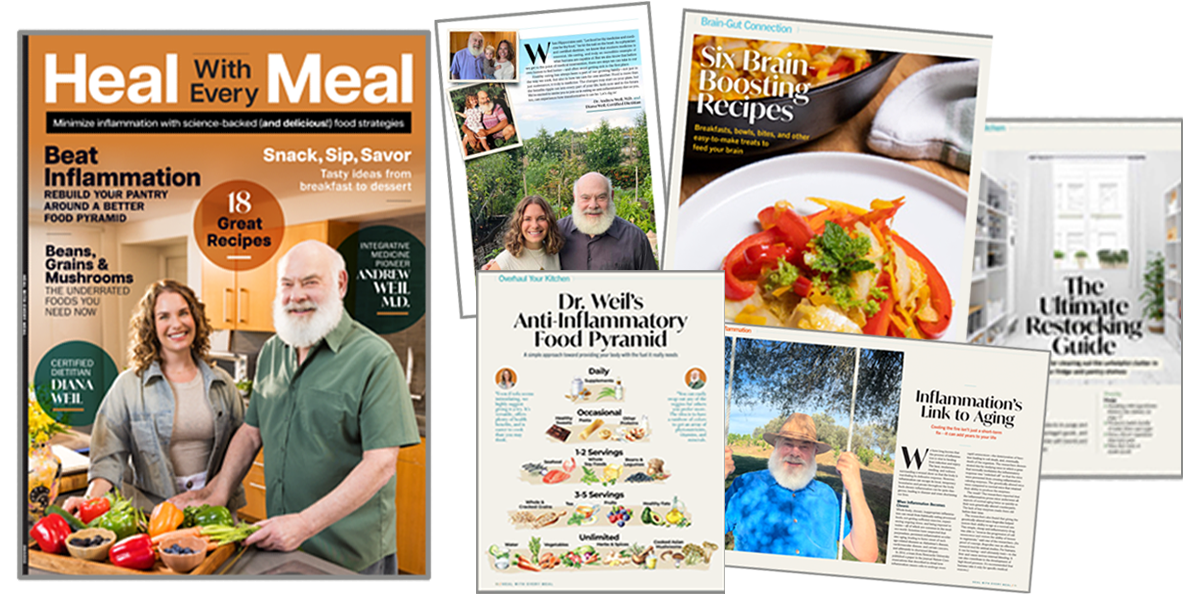
For decades, we have both considered food to be one of our most powerful tools for reducing inflammation and supporting healthy aging. We are proud to share Heal With Every Meal, an essential guide to anti-inflammatory eating that we created together. Within it we bring science-backed nutrition to life with practical pantry rebuilds, kitchen guidance, and delicious anti-inflammatory recipes. Whether you’re just beginning or refining your approach, this 100-page keepsake magazine offers clear, approachable tools to help you feel better - one meal at a time.
Available now wherever magazines are sold and online.
I have followed your food pyramid for many years, but have always been quite confused about why full-fat dairy choices (as in yogurt, for example) are better than lower fat. The cholesterol level in full fat is usually several times as high, so I don't understand. Can you explain? Thanks.
Who is asked for their input in the development of federal policy? I think it important for all views to be considered. I just do not understand why we cannot determine what is the healthiest diet. It should be objective. Science is science. Facts are facts. Why can’t we all come together to provide evidenced based nutrition recommendations?