



Happy Monday! Today, we are covering gut health: what we do to maintain a healthy microbiome, our new High-Fiber Eating Guides with recipes and more.
And we have a good week coming up:
On Tuesday, Diana talks about managing nausea naturally (something that is fresh on her mind now that she is expecting their second baby!).
On Wednesday, we’re sharing our thoughts on sodium intake. This is a hot topic on social media these days, with people arguing about whether everyone is getting too much or not enough. Find out our takes!
Friday, we cover some foods to help with hot flashes - a topic we get asked about a lot. We’ve also included recipes, plus we’re sharing a new Edamame Stir-Fry recipe.
Enjoy!


What We Eat For A Healthy Microbiome
Dr. Weil:
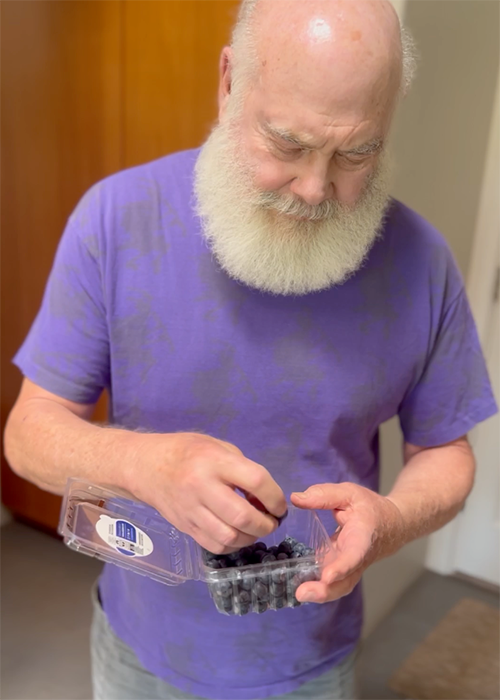
For those who aren’t familiar with it, let me first explain the term microbiome. It refers to the approximately 100 trillion microbes, bacteria, viruses, and fungi that live upon and, mostly, within us. This vast community actually outnumbers our human cells by about 10 to 1 and collectively weighs roughly 2 pounds. The genetic potential of these organisms is also quite interesting - the number of genes in the bacteria in our microbiome is estimated to be about 100 times greater than the number contained in our own human cells.
Based on what we currently know, our individual microbiomes are very different from one another, and it appears that their unique balance of organisms influences our health. The balance of organisms in the gut can influence digestion, immune function, metabolism, and even mood and inflammation levels throughout the body. When that balance is disrupted by poor diet, stress, illness, or medications such as antibiotics, it may contribute to a range of health problems.
Because of this, it’s really important to keep your microbiome in good shape. I recommend doing this through diet first; probiotics and supplements are secondary. First and foremost, I eat a high-fiber diet, and obviously minimize highly processed foods. Fiber from vegetables, fruits, legumes, and whole grains feed the beneficial bacteria in the gut.
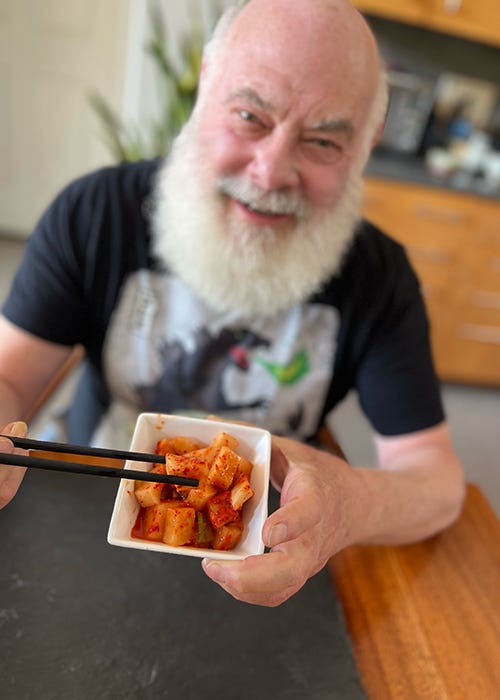
I also make a point to eat fermented foods most days. I enjoy making my own sauerkraut, pickles, and kimchi at home. I recommend including at least a small serving daily of fermented foods - about a tablespoon if you can. These foods contain beneficial bacteria that support microbial diversity. Probiotic supplements may be useful, particularly if you’re taking antibiotics, but don’t replace a healthy diet. I’m also very judicious about antibiotic use and only use them when truly needed.
Diana:
I am absolutely fascinated by the gut microbiome, and I think we’re only beginning to scratch the surface of how profoundly it influences our health. The connection between our microbiome and mental health is especially interesting. One of the best things you can do to support a healthy microbiome is to eat a nutrient-dense, fiber-rich diet and avoid antibiotics unless they are truly necessary. Antibiotics are lifesaving, but they work by wiping out bacteria in our bodies, both the good and the bad. Thankfully, our bodies are remarkably resilient, so for most of us, our microbiome recovers after antibiotic use within about four to eight weeks.
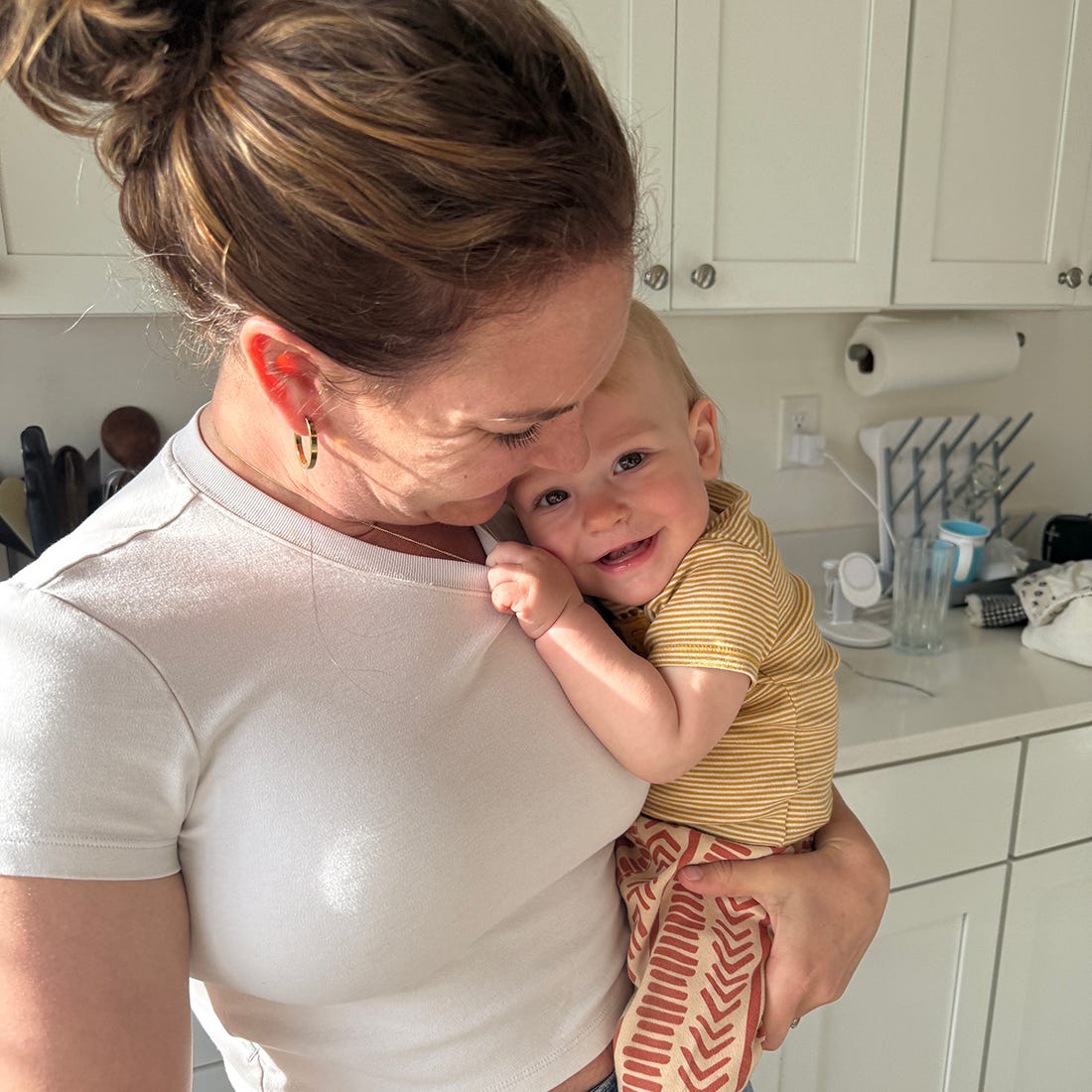
After giving birth to Elio, I unfortunately had to take about five rounds of antibiotics due to a string of strange infections and a tanked immune system from sleep deprivation. So this is a topic near and dear to my heart.
If you’re actively taking antibiotics or dealing with a specific gut issue, a probiotic supplement can be helpful. Outside of those situations, I don’t really recommend them. There isn’t a lot of strong research showing that probiotics survive our digestive system intact.
Instead, I focused on rebuilding my microbiome through food, especially fiber and fermented foods. And not fiber from powders. Different types of fiber feed different species of gut bacteria, so relying solely on supplements won’t create a very diverse microbiome. I made sure to eat lots of beans, legumes, whole grains, fruits, and vegetables. I also love yogurt and use it as a natural source of probiotics.
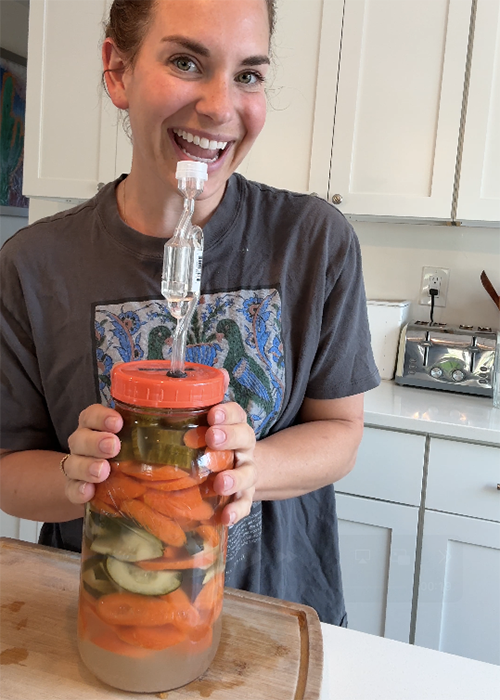
Fermented foods are another staple for a healthy gut microbiome. I try to eat things like sauerkraut and pickles regularly. Just make sure you’re buying the real pickles in the refrigerated section. Shelf-stable pickles made with hot vinegar don’t contain live bacteria. Or make homemade pickles!
While we may not understand everything about the microbiome, taking care of it isn’t complicated. Feed it well, with a diet high in fiber and fermented foods, and protect it by limiting ultra-processed foods and unnecessary antibiotics.

The Power of Fiber: New Guides
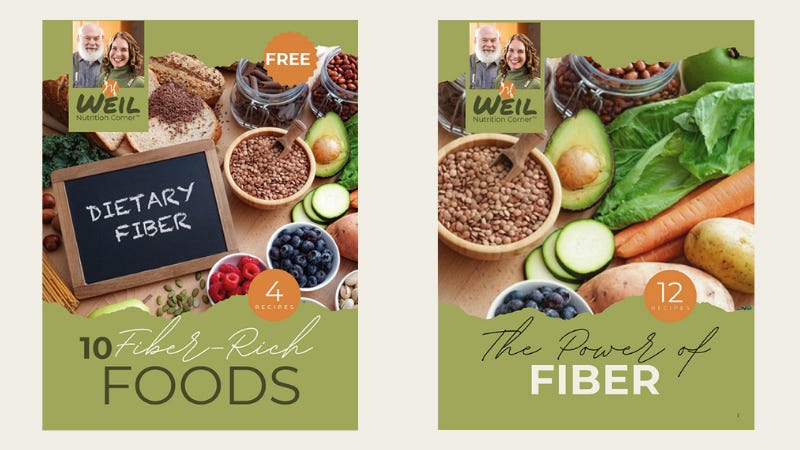
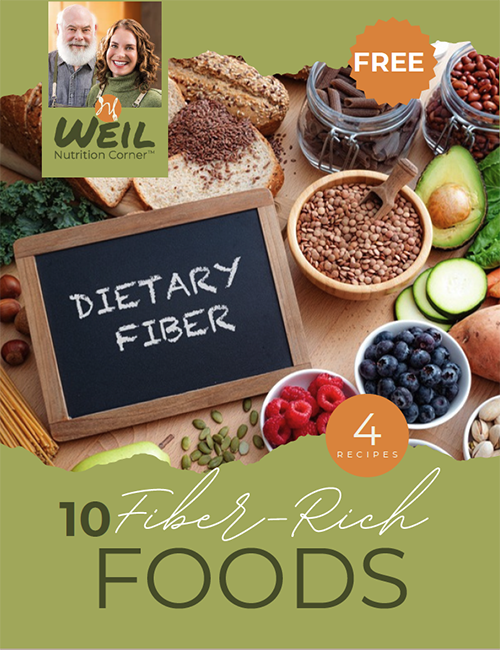
We are excited to announce two new guides for our WEIL Nutrition Corner™ subscribers: The Power of Fiber! These High-Fiber Eating Guides provide insight into the importance of fiber, foods that will naturally take your fiber intake of a notch, plus recipes!
All readers can access our free Power of Fiber Guide that includes four fiber-friendly recipes.
WEIL Nutrition Corner™ VIPs get even more, in our VIP Power of Fiber Guide, including twelve fiber-rich recipes!
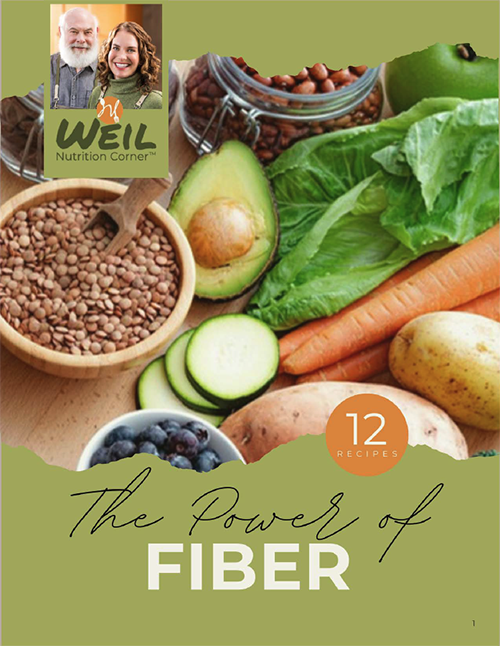
This expanded Fiber-Rich Eating Guide includes:
Why Fiber is Important: Our Takes
Ten Fiber-Rich Foods to Add to Your Diet
Easy Ways to Add Fiber to Every Meal
Twelve Tasty Fiber-Filled Recipes!
Upgrade today to unlock the VIP Fiber Guide, plus access to our other exclusive VIP Guides:


Simple, Delicious Anti-Inflammatory Meals Delivered Right To Your Door
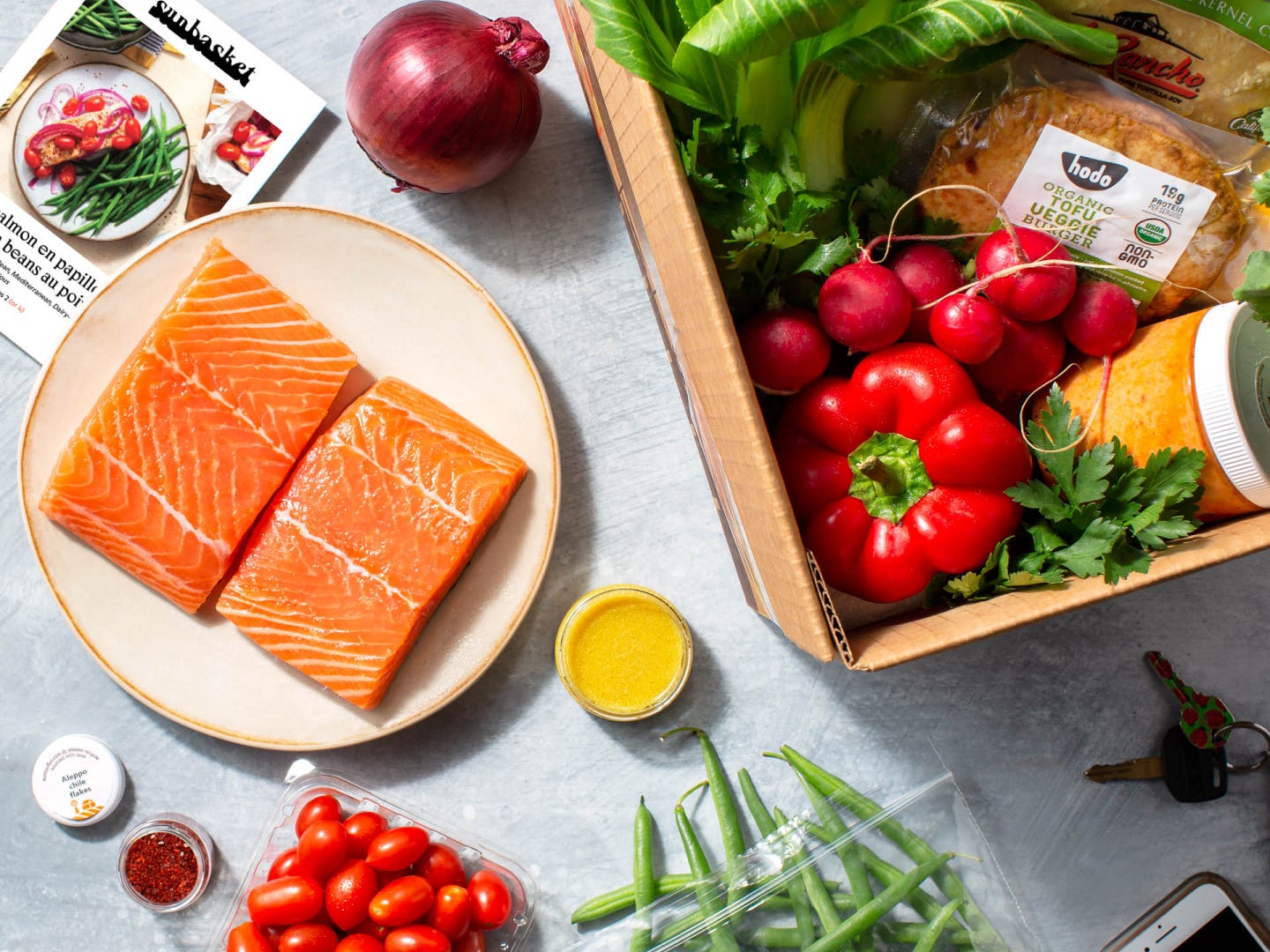
Today’s post is brought to you by Sunbasket - a meal delivery service we chose to partner with after personally trying many of their meals. We love how simple they make healthy eating without sacrificing flavor. Their fresh, organic produce and thoughtfully sourced ingredients meet our anti-inflammatory standards. Weil Nutrition Corner™ readers can save $140 on their first five boxes, plus get free shipping on the first box. Visit sunbasket.com/drweil to learn more.
Thanks for this in-depth discussion on the very un-sexy nutrient. My next article is about how people obsess over protein but what's really missing is fiber.
Thank you for the information and recipes. The lentil soup recipe is almost identical to what I do. I always grind my own cumin, nothing like the wonderful smell of freshly ground cumin.