



Once known mostly as energy bars and used mainly by endurance athletes, nutrition bars are now everywhere and marketed to everyone. Today, people of all ages and activity levels use them as meal replacements and quick snacks. Many bars offer the promise of good nutrition, but with a surprising amount of sugar that rivals that of even candy bars.
So, are nutrition bars really healthy? Learn more about:
What to look for in these bars (and what to avoid)
Our takes and see what we suggest when choosing bars
Recipes to help you replace store-bought nutrition bars with tasty, homemade ones
Our Fiber Guide and Muscle Meal Plan for additional ways to eat an Anti-Inflammatory Diet
Share this post with anyone you know who may be interested in our anti-inflammatory In The News series!


What Are Nutrition Bars?
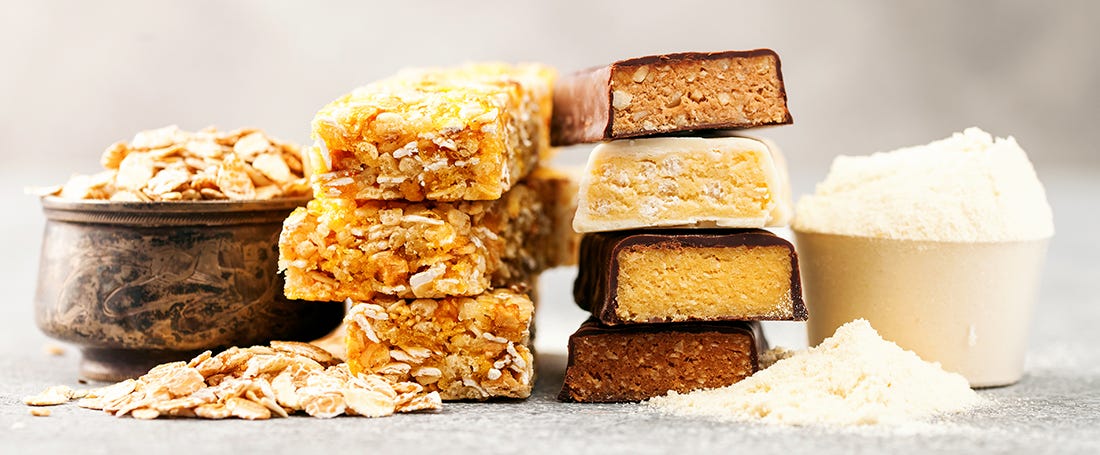
Nutrition bars fall into a wide spectrum, from genuinely useful, whole-food-based options to what are essentially candy bars with a health halo. Whether they’re “healthy” depends almost entirely on the ingredient list and your goals.
While there are some well-formulated bars that can make for easy snacks, add protein after a workout or prevent energy crashes when you’re busy, not all bars are created equal. Many are:
Highly processed
High in added sugars
Low in nutrients
So bars aren’t inherently healthy or unhealthy, but it is important to select wisely.
Make Getting Your Nutrients On-The-Go Simple With Daily Harvest!
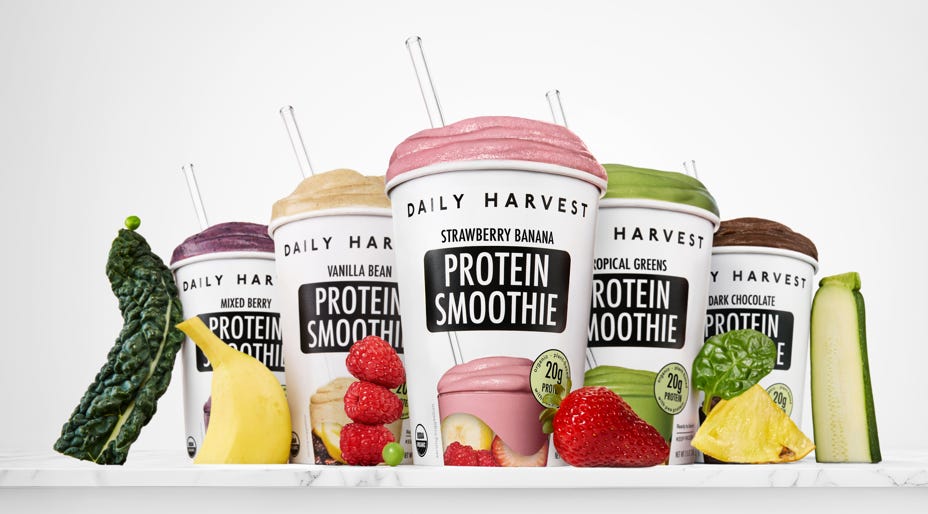
One of the keys to maintaining healthy habits is making nutritious choices convenient. That’s why options such as Daily Harvest’s Perfect Cup smoothies are a great go-to. Made with organic fruits and vegetables and 20 grams of plant-based pea protein, they provide fiber, protein, and phytonutrients in a simple, ready-to-blend format. They’re a practical choice for busy mornings, after a workout, or anytime you need a quick, nourishing meal. Try Daily Harvest Today!
What Ingredients Should I Look For?
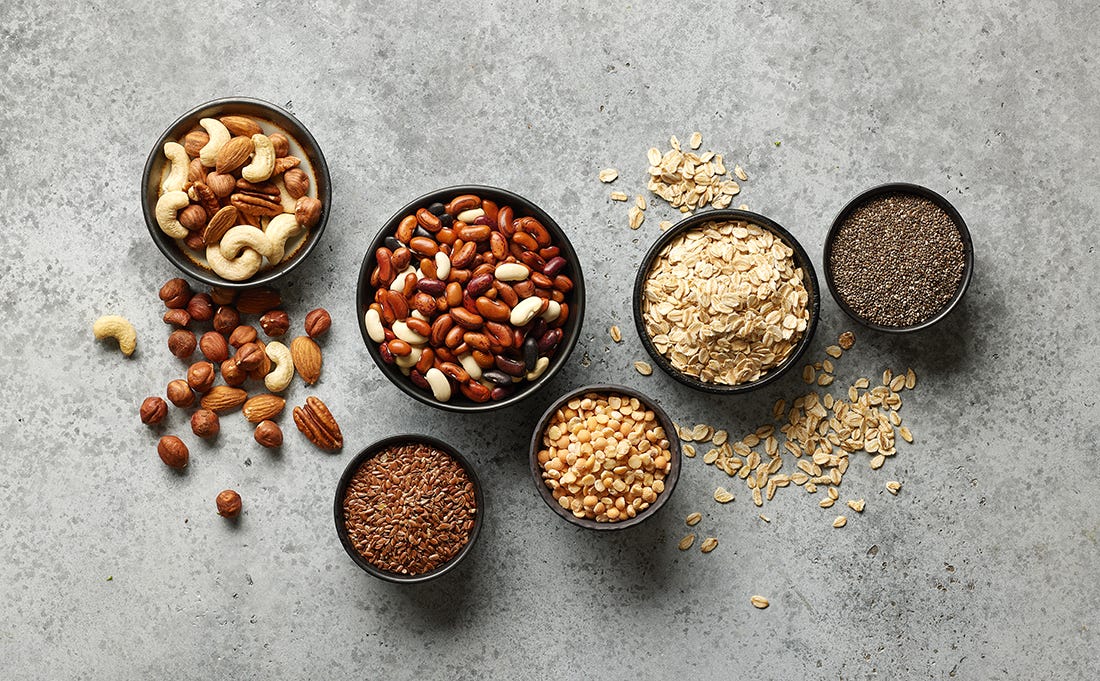
A good rule of thumb when buying nutrition bars: You should be able to recognize and pronounce most ingredients. Look for bars with the following:
Bars that use whole foods, in their natural form, as the base. You should be able to actually see these:
Nuts (almonds, cashews, peanuts)
Seeds (chia, flax, pumpkin)
Oats
Quality protein sources that provide ~8–20g protein depending on your needs. Look for:
Whey protein
Pea protein
Egg white protein
Nuts and seeds (which will provide less protein content)
Fiber. Look for bars that have at least ~4 grams of fiber. Good sources include:
Dates
Chicory root fiber
Oats
Seeds
If you like this article, check out these posts:


What Ingredients Should I Avoid?
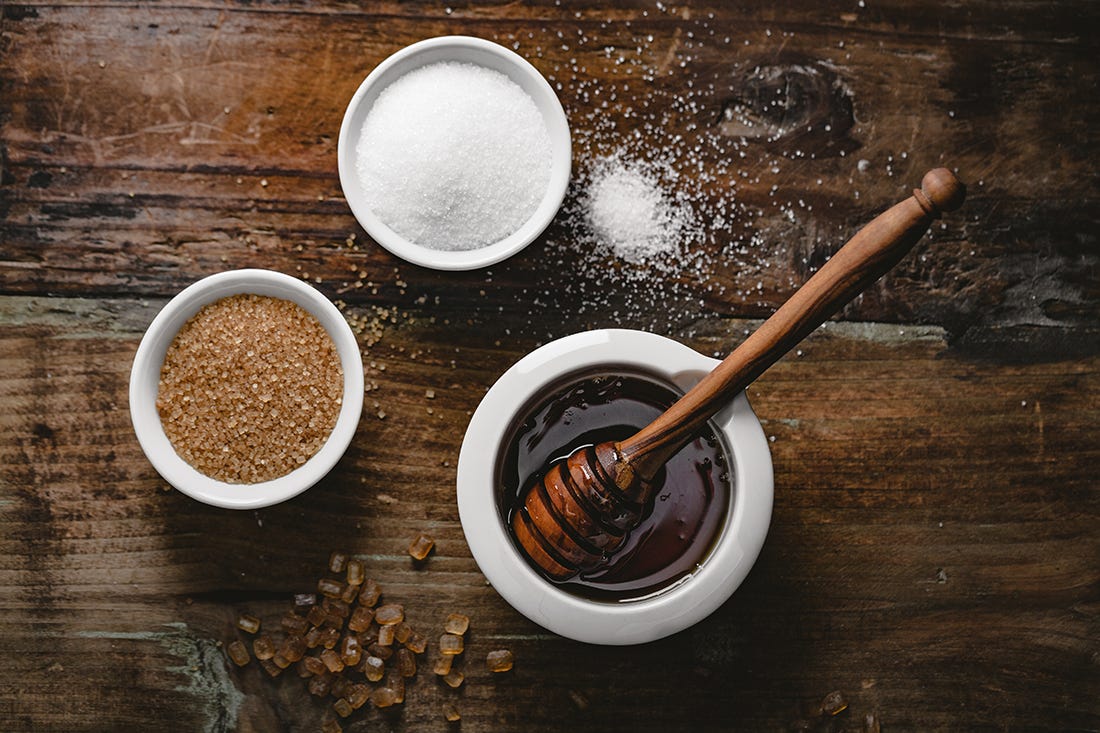
The best rule of thumb is to avoid long, unfamiliar ingredient lists. This is usually a sign that they have been heavily engineered rather than minimally processed. Make sure to read the ingredient label, and watch out for these:
Added sugars. Even “natural” sugars can add up quickly. A bar can look healthy but still contain 15-25g of sugar (which is what you’d find in a candy bar). These are often labeled as:
Brown rice syrup
Tapioca syrup
Cane sugar/cane juice
Agave syrup
High fructose corn syrup
Sugar alcohols. These are often used in “low sugar” bars but can cause bloating, gas and digestive discomfort in some people. Look out for:
Erythritol
Sorbitol
Maltitol
Highly refined oils. These aren’t automatically harmful in small amounts, but they’re often a sign of a more processed product. Avoid bars with:
Soybean oil
Palm kernel oil
Hydrogenated oils
If you’re a VIP, keep reading for a simple breakdown on how to tell if a nutrition bar is a good anti-inflammatory choice, as well as when we recommend eating them, our takes, recipes and our VIP Fiber Guide and Muscle Meal Plan. Upgrade today to unlock the rest of this article and everything in our content and recipe library! Our Summer Sale is still going on - save 45% when you become an annual subscriber!