



Happy Wednesday - today, we are taking a look at preservatives. The internet has lots of takes about them, so we wanted to give you a rundown on what they are and our opinions on different ones.
We’re also sharing our Homemade Pickle Recipe, part of our WEIL Nutrition Corner™ How-To Series!
Forward this post with anyone you know who may be interested in our anti-inflammatory In The News information and takes…


What Are Preservatives?
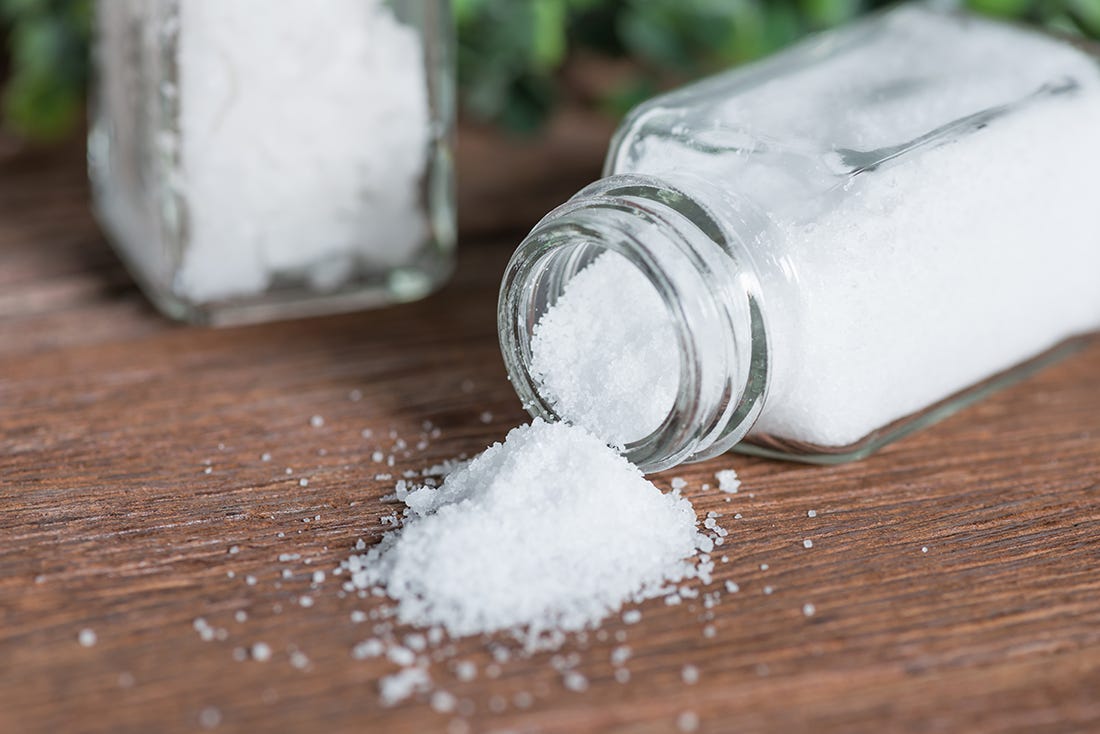
Preservatives are substances added to foods to prevent spoilage, extend shelf life, and maintain safety. They work by slowing the growth of bacteria, mold, and yeast, or by preventing oxidation (which can cause foods to go rancid or lose quality).
They can be natural or synthetic, and are found in almost all packaged foods, from bread and snacks to sauces and beverages.
Read on for more insight into preservatives that may be better for your health, the pros and cons of preservatives, and our thoughts on them - plus try our homemade pickle recipe!
Are There “Good” vs. “Bad” Preservatives?
Try to think of preservatives on a spectrum rather than as just “good” or “bad.” Some preservatives have been around for centuries and are derived from whole foods.
What Are Some Traditional Preservatives Or Healthier Options?
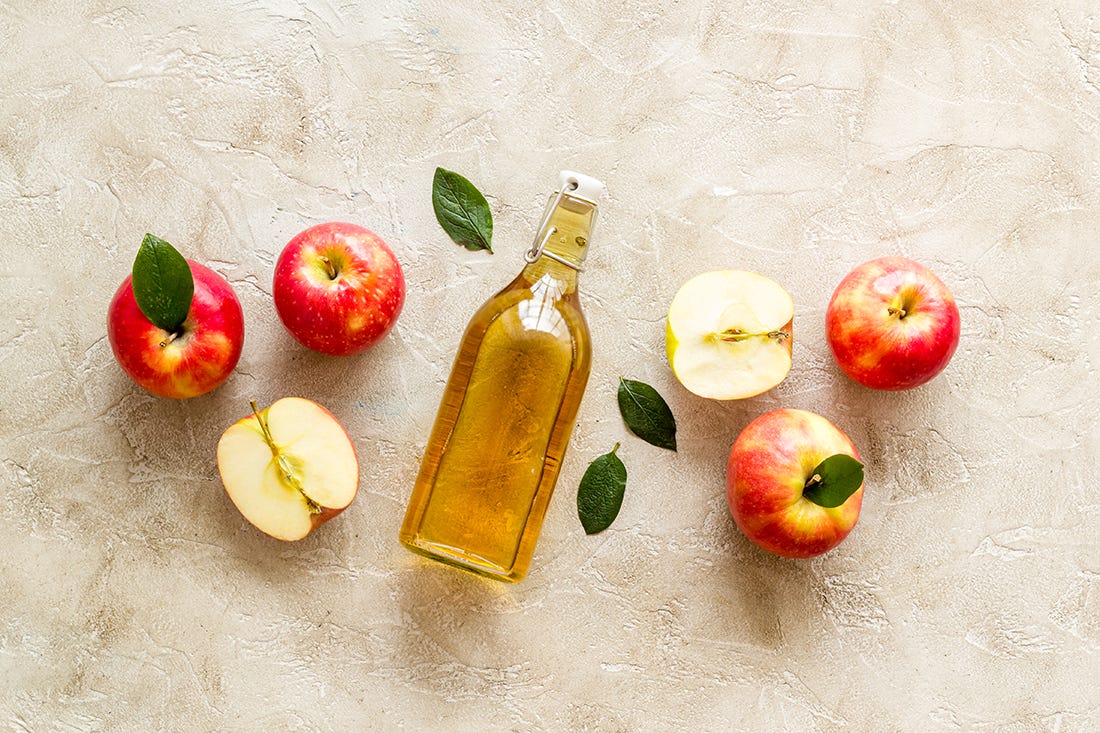
These preservatives are fairly simple and have a long history of use:
Salt (used in curing, pickling)
Vinegar
Sugar (in jams, preserves)
Citric acid (from citrus)
Vitamin E (tocopherols)
Rosemary extract
These are often used in more traditional or minimally processed foods.
Are There Preservatives You Should Be More Concerned About?
We have concerns around some synthetic or heavily used preservatives, especially when consumed frequently:
Nitrites/nitrates (processed meats)
BHA and BHT (used to prevent fat oxidation)
Sodium benzoate (in some beverages and packaged foods)
Potassium bromate (in some baked goods, though restricted in many places)
These are typically found in ultra-processed foods.
Pros of Preservatives
1. Food safety. They help prevent the growth of harmful bacteria, reducing the risk of foodborne illness.
2. Longer shelf life. Preservatives enable the storage and transportation of food more efficiently, reducing food waste.
3. Convenience. They allow for ready-to-eat and packaged foods that fit modern lifestyles.
Cons of Preservatives
1. Often found in processed foods. Foods that contain preservatives are frequently lower in nutrients and higher in added sugars, sodium, or unhealthy fats.
2. Potential health concerns (when eaten frequently). Some preservatives, especially in processed meats and packaged snacks, have been linked to inflammation and increased risk of chronic disease when consumed regularly.
3. May disrupt gut health. Research suggests that certain additives may affect the gut microbiome, though further studies are needed.
Our Takes On Preservatives
Our WEIL Nutrition Corner™ VIPs have access to our takes on this topic, and full access to our entire In The News library of content! Upgrade today to unlock everything we offer, including guides, recipes, courses, challenges and more.