



Happy Wednesday! Today, we are covering sodium. For some people, too much can be harmful, but sodium is also essential. In this post, we are sharing the effects of too much sodium, sneaky foods high in sodium, and foods that support your body.
Plus, our opinions on sodium in the diet and whether we’re all getting too much or not enough, as well as five ways to lower your sodium intake and three low-sodium recipes. Enjoy!


Why Too Much Sodium Can Be Harmful
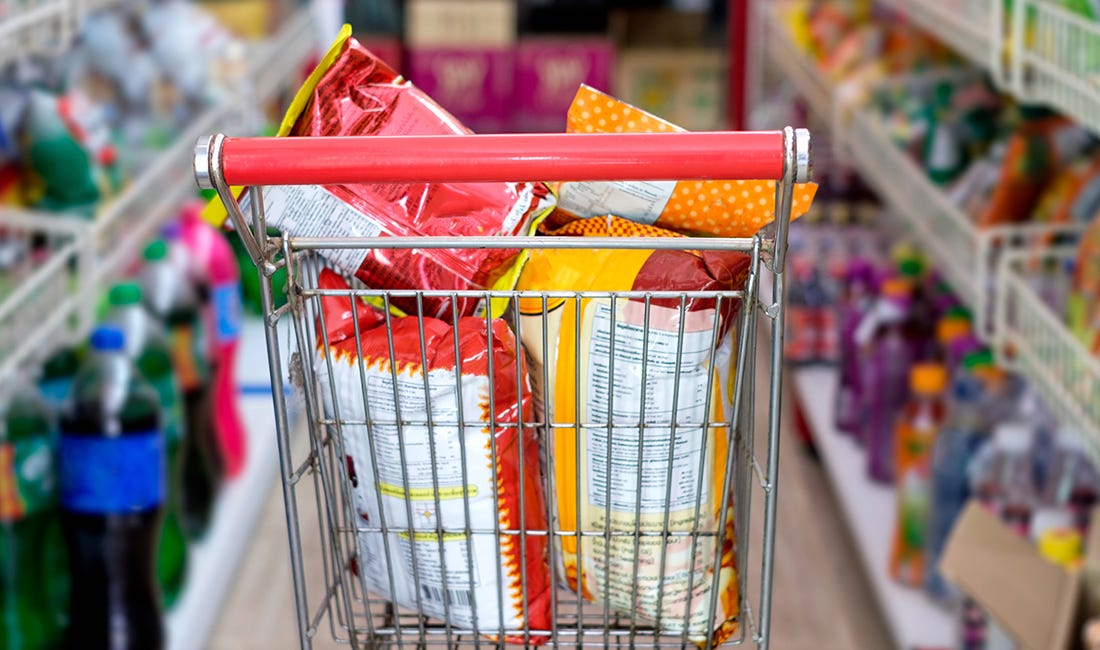
Excess sodium intake can affect several aspects of health, particularly the cardiovascular system. While sodium is an essential mineral that helps regulate fluid balance, nerve function, and muscle contractions, consuming too much sodium can disrupt the body’s fluid balance and place extra strain on the heart and blood vessels.
Excess sodium can:
1. Raise Blood Pressure. High sodium intake can cause the body to retain more water. This extra fluid increases the volume of blood circulating through the bloodstream, which can raise blood pressure. Over time, elevated blood pressure increases the risk of heart disease, stroke, and kidney problems.
2. Strain the Heart and Blood Vessels. Chronic high-sodium intake can damage the lining of blood vessels and make arteries less flexible. This makes it harder for the heart to pump blood efficiently.
3. Affect Kidney Function. The kidneys regulate sodium and fluid balance. When sodium intake is consistently high, the kidneys must work harder to remove excess sodium, which can contribute to kidney stress or dysfunction over time.
4. Increase Risk of Fluid Retention. High sodium intake can lead to bloating, swelling, and water retention, particularly in salt-sensitive individuals.
How Much Sodium Do You Need?
The average adult in the United States consumes about 3,400 mg of sodium per day. There is no RDA (Recommended Dietary Allowance) established for sodium; instead, U.S. health authorities provide two different reference values:
Adequate Intake (AI)
1,500 mg per day for most adults (ages 19–50)
Slightly lower recommendations for older adults:
1,300 mg/day for ages 51–70
1,200 mg/day for adults over 70
The AI represents an amount thought to meet physiological needs and support overall health.
Upper Limit (UL)
2,300 mg per day
This is the maximum daily intake recommended for the general population to reduce the risk of high blood pressure and cardiovascular disease.
Foods That Are Often High in Sodium
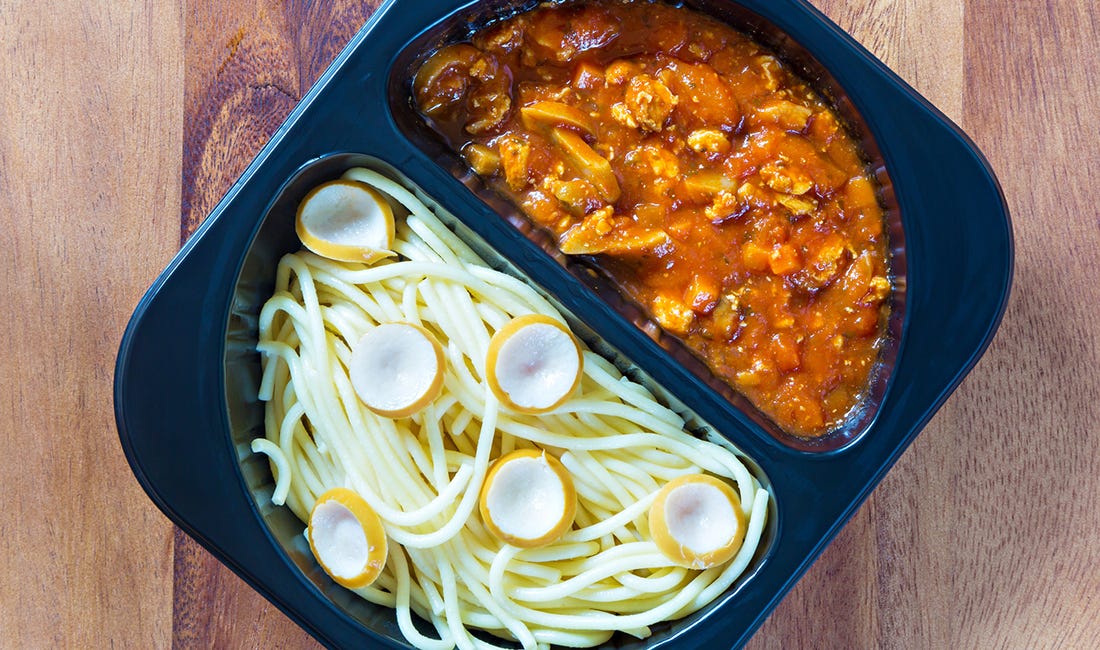
Much of the sodium in modern diets comes from processed and packaged foods, not from salt added at the table.
Common high-sodium foods include:
Processed meats (bacon, deli meats, sausages, hot dogs)
Canned soups and broths
Packaged snack foods (chips, crackers, pretzels)
Frozen meals and convenience foods
Fast food and restaurant meals
Bottled sauces and condiments (soy sauce, barbecue sauce, salad dressings)
Pickled foods and olives
Certain cheeses
These foods often contain sodium for flavor, preservation, and texture.
Foods That Can Help Manage Sodium Intake
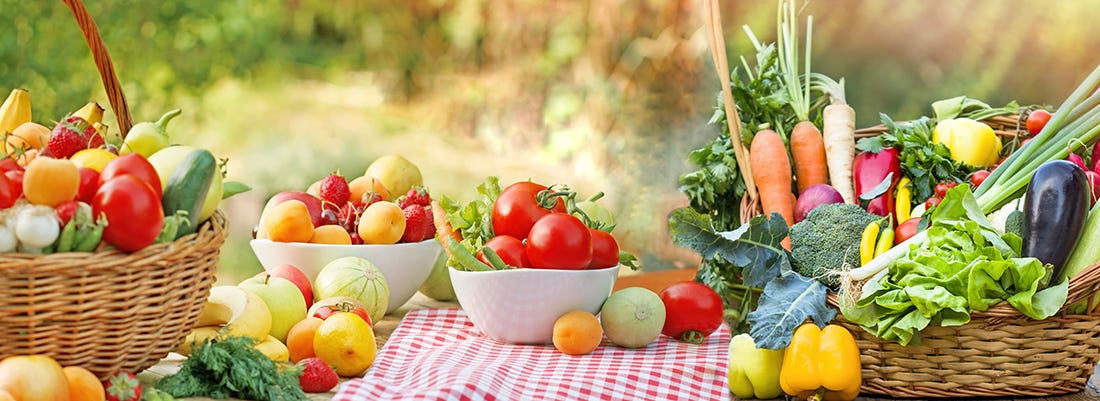
Focusing on whole, minimally processed foods can naturally lower sodium intake while providing nutrients that support heart health. Add the following to your diet:
Fruits and Vegetables. Fresh produce is naturally low in sodium and high in potassium, which helps balance sodium levels and supports healthy blood pressure.
Examples include:
Bananas
Leafy greens
Sweet potatoes
Tomatoes
Avocados
Berries
Whole Grains. Foods like brown rice, quinoa, oats, and farro contain very little sodium and provide fiber that supports heart health.
Legumes. Beans, lentils, and chickpeas are rich in fiber and potassium. Rinsing canned beans with added salt can help reduce sodium levels.
Nuts and Seeds. Choose unsalted varieties to avoid added sodium while still benefiting from healthy fats and protein.
Herbs and Spices. Flavoring foods with herbs and spices (such as garlic, turmeric, basil, rosemary, ginger, and others) can reduce the need for excess salt while adding beneficial plant compounds.
Sodium: Our Takes
Read on for Dr. Weil’s and Diana’s takes on sodium - including iodized salt, following the amounts in recipes, five simple ways to reduce sodium intake, and three tasty low-sodium recipes. This section is for VIPs only, upgrade today to unlock all of our In the News Wednesday columns, recipes, and more. If you are VIP, scroll down to continue.