Did you know that May is Salsa Month?! We love fresh salsa, and we think this is a great opportunity to share everything you need to know about making it this summer! Today we are taking a deep dive into salsa. We’re sharing health benefits, recipes, and more… and on Thursday we are sharing a VIP-exclusive “How To Make Salsa” video! Enjoy!
Share this post with anyone you know who may be interested in our anti-inflammatory food insight, recipes and cooking suggestions!


All About Salsa
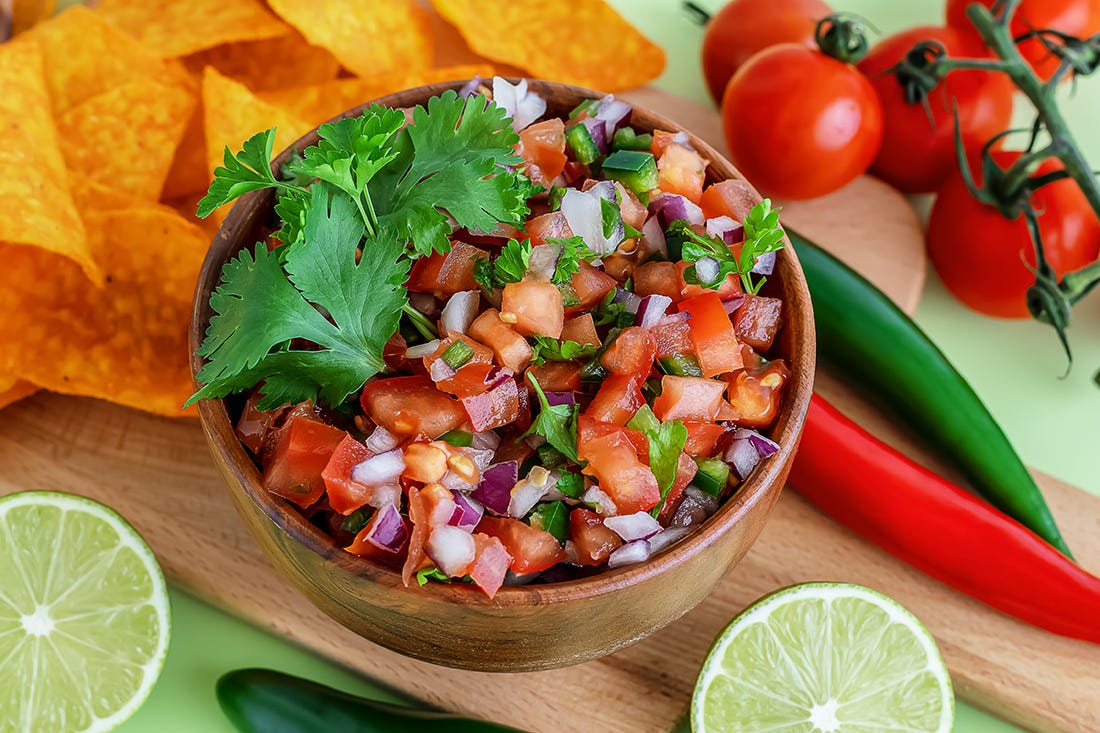
Salsa is one of those foods that checks a lot of boxes - flavorful, versatile, and healthy. Learn more about the health benefits of salsa, different types of salsa you can make, how to make salsa, and recipes!
Why Is Salsa Healthy?
At its core, salsa is made from whole, plant-based ingredients, which makes it naturally nutrient-dense and low in calories. Some benefits of salsa:
It is rich in antioxidants. Tomatoes are high in lycopene, linked to heart health and reduced inflammation, and peppers and onions provide additional plant compounds that help protect cells.
It is high in vitamin C. Ingredients like tomatoes, chili peppers, and lime juice support immune function and collagen production.
It supports heart health. Low in saturated fat, salsa often contains garlic and onions, which may support healthy blood pressure
It’s naturally low-calorie while providing lots of flavor. Salsa adds flavor without heavy sauces or excess sodium (if homemade or chosen carefully).
It can support digestion. Fresh ingredients, along with acidity (lime, vinegar), can help stimulate digestion.
Where Does Salsa Come From?
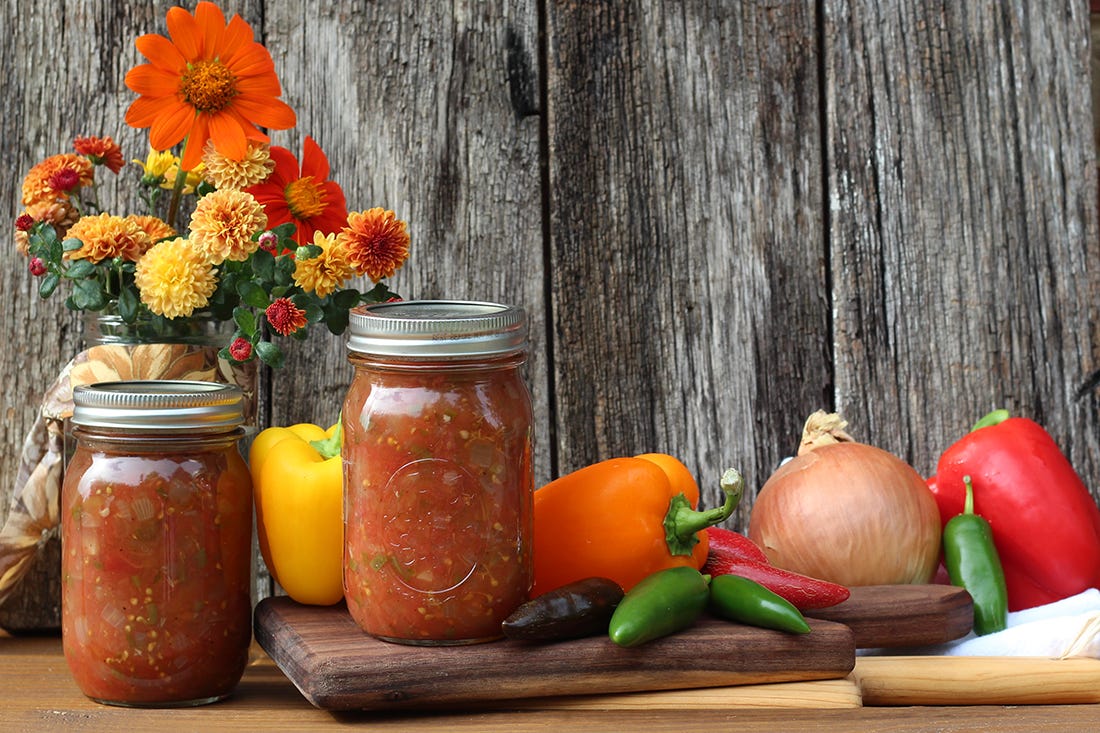
While salsa is now global, it originated as a fresh, plant-based condiment built around local ingredients in Mexican and Mesoamerican cuisine.
The word “salsa” simply means “sauce” in Spanish
Indigenous cultures (Aztec, Mayan, Incan) were combining tomatoes, chili peppers, and herbs long before European contact
The Spanish later documented these sauces and helped spread them more widely
Dr. Weil’s Take on Salsa: I think fresh salsa is great and is far better than anything you’ll find at the store. I like to make a simple salsa with just chopped tomatoes, onions, serrano or jalapeno, a little lime juice, salt, and pepper, and maybe some cilantro. You really need good in-season tomatoes, though.
Diana’s Take on Salsa: I absolutely love salsa - it makes so many dishes better. My husband unfortunately hates cilantro, so I’ve had to modify my salsa recipes over the years, but I’ve learned to adjust (or just keep it on the side). While it takes a bit of chopping, nothing beats fresh pico de gallo, especially on a hot summer’s day. I’ve also really come to love mango salsa! If you’re buying store-bought salsa, just be sure to check the ingredients, as sometimes sneaky flavorings, preservatives, and additives are added. This might come as a surprise, but both my dad and I also love Pace salsa. It has a good level of heat and no concerning ingredients!
If you like this post, you may enjoy these as well!


5 Common Types of Salsa
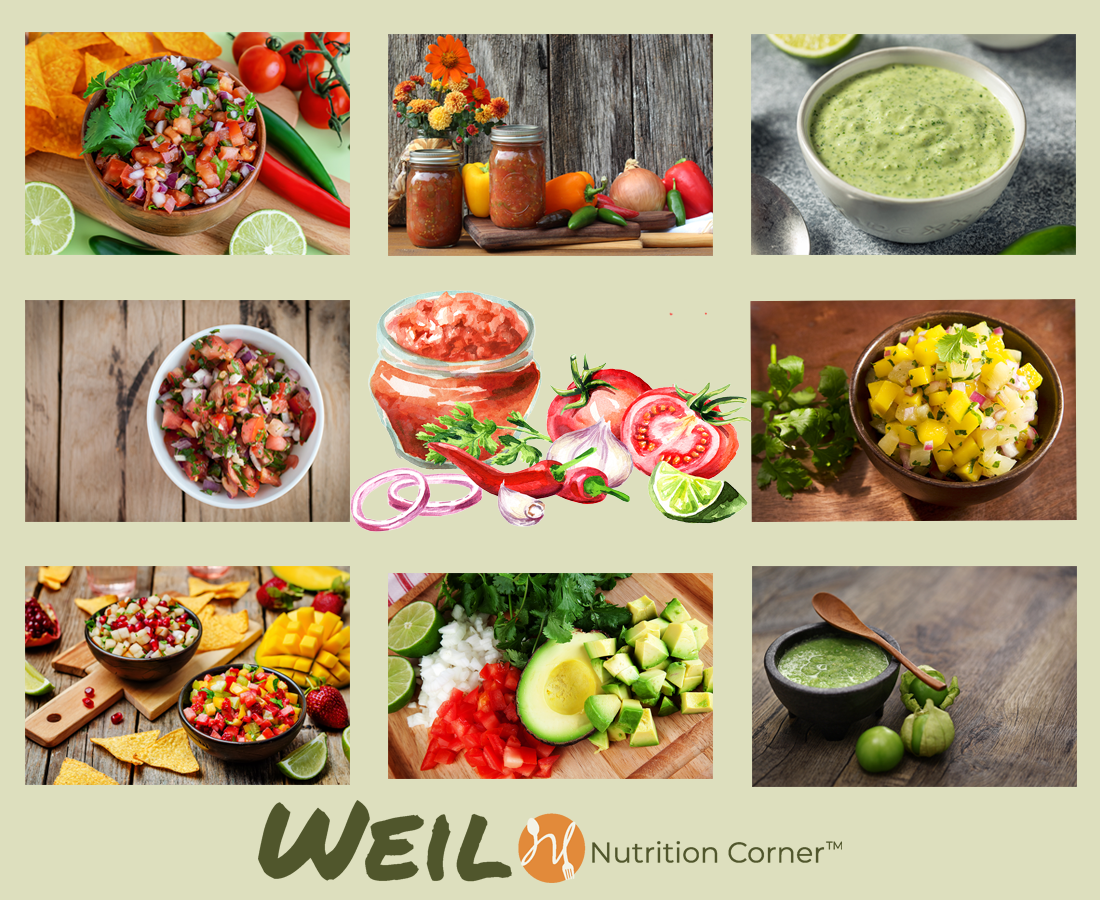
There’s a huge variety when it comes to salsa, beyond just “mild, medium, hot.” Regional variations lend themselves to different chilies, textures, and techniques, where some salsas are smooth, others chunky, and some very spicy. Here are five common salsas:
1. Salsa Roja. A red salsa made from tomatoes and chili peppers, this type can be raw or cooked.
2. Salsa Verde. Made with tomatillos instead of tomatoes, this is tangy, bright and slightly citrusy.
3. Pico de Gallo (fresh salsa). A raw, chunky mix of tomatoes, onion, cilantro, lime, this salsa is very fresh, sturdy and crisp.
4. Roasted Salsa. Ingredients are roasted before blending for a deeper, smokier flavor.
5. Fruit-Based Salsas. Mango, pineapple, melon or peach are combined with chilis for a sweet and spicy salsa.
Regardless of the type of salsa, you can use it in a variety of ways: as a topping for eggs, a sauce for fish or tofu, on grain bowls, and added to vegetables.

Salsa Recipes
Try these four delicious salsa recipes - all are versatile and delicious!


And don’t miss our Thursday How To Make Salsa video - including tips on getting the most flavor and texture out of your homemade salsas! If you aren’t yet VIP, upgrade today to access this video and all the How To Video Series content - plus all entire recipe library, guides and more!