



This Wednesday is Earth Day - a global event dedicated to environmental protection, sustainability, and raising awareness about pollution and climate change. As a nod to Earth Day, we are sharing the Environmental Working Group’s (EWG) “Clean 15” and “Dirty Dozen” lists. Dr. Weil has an ongoing association with EWG, a nonprofit organization that advocates for policies that protect global and individual health. Read on for EWG’s lists and some delicious seasonal recipes!
We’re also sharing our thoughts on whether organic produce is healthier, and Diana shares a video on how to prepare kale.
And coming up late this week, Diana tackles iron-rich foods for toddlers. On Wednesday, we’re discussing regenerative agriculture, and on Friday, look for tips and recipes for steady energy.


Our Brief Takes on Organic Foods
Dr. Weil:
The decision to buy organic food depends on several factors, including health benefits, cost, and environmental impact. Organic foods generally have lower pesticide residues, 13 to 23 percent compared to 71 to 90 percent in conventional produce, and may contain higher nutrient levels, like vitamin C in tomatoes. If your budget allows, I think choosing organic, whenever possible, is a worthwhile investment in your health.
If buying all organic isn’t feasible, I recommend prioritizing produce with the highest pesticide residues. The Environmental Working Group’s (EWG) lists below can help guide these choices; for example, blueberries often contain high pesticide levels, so alternatives like purple grapes may be a better option - both contain the flavonoid anthocyanins.
Making informed choices based on availability, affordability, and environmental impact can help create a healthier lifestyle and a more sustainable food system.
Diana’s Take:
As with many things, the conversation around organic vs. conventional food is complicated and nuanced. I also think the focus is often misplaced. For me, the biggest benefit of eating organic isn’t necessarily what you’re getting - but what you’re avoiding.
While there may be some nutritional advantages to organic food, such as slightly higher vitamin and mineral content, I’m not entirely convinced that these differences are significant. What matters more to me is that organic food is free from synthetic pesticides, artificial fertilizers, genetically modified organisms (GMOs), hormones, and antibiotics.
This is one topic where my dad and I have slightly differing opinions, even though we align on most things in the health and wellness space. While I believe organic food is a great choice, it’s not a realistic option for everyone - including myself. I can’t always justify the cost of organic blueberries or strawberries, especially when they’re out of season. And ultimately, I’d much rather see people eating conventionally grown fruits and vegetables than avoiding them altogether, even if they are on the dirty dozen list.

The Dirty Dozen and Clean 15 Lists
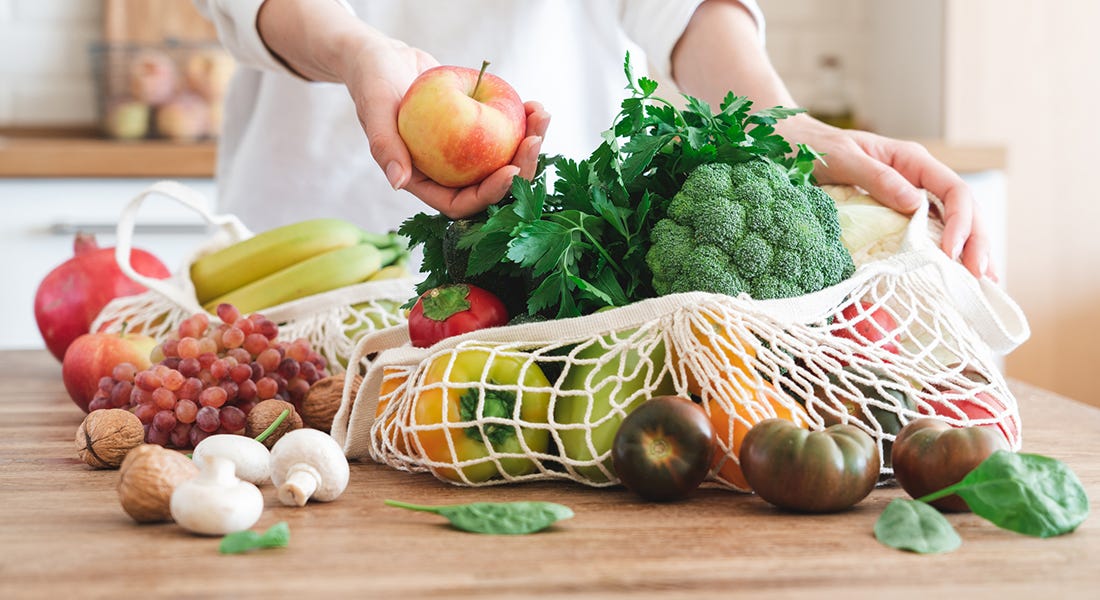
As mentioned above, Dr. Weil works with EWG, specifically by helping EWG spread the word about one of its most valuable pieces of research: its Shopper’s Guide to Pesticides in Produce. These annual reports are based on the results of ongoing pesticide tests performed on produce and collected by federal agencies. Why should you care about pesticides? The EWG points out that there is a growing scientific consensus that small doses of pesticides and other chemicals can have adverse effects on health, especially during vulnerable periods such as fetal development and childhood.
Nearly all of the data used accounted for how people typically wash and prepare produce; for example, apples were washed, and bananas were peeled before testing.
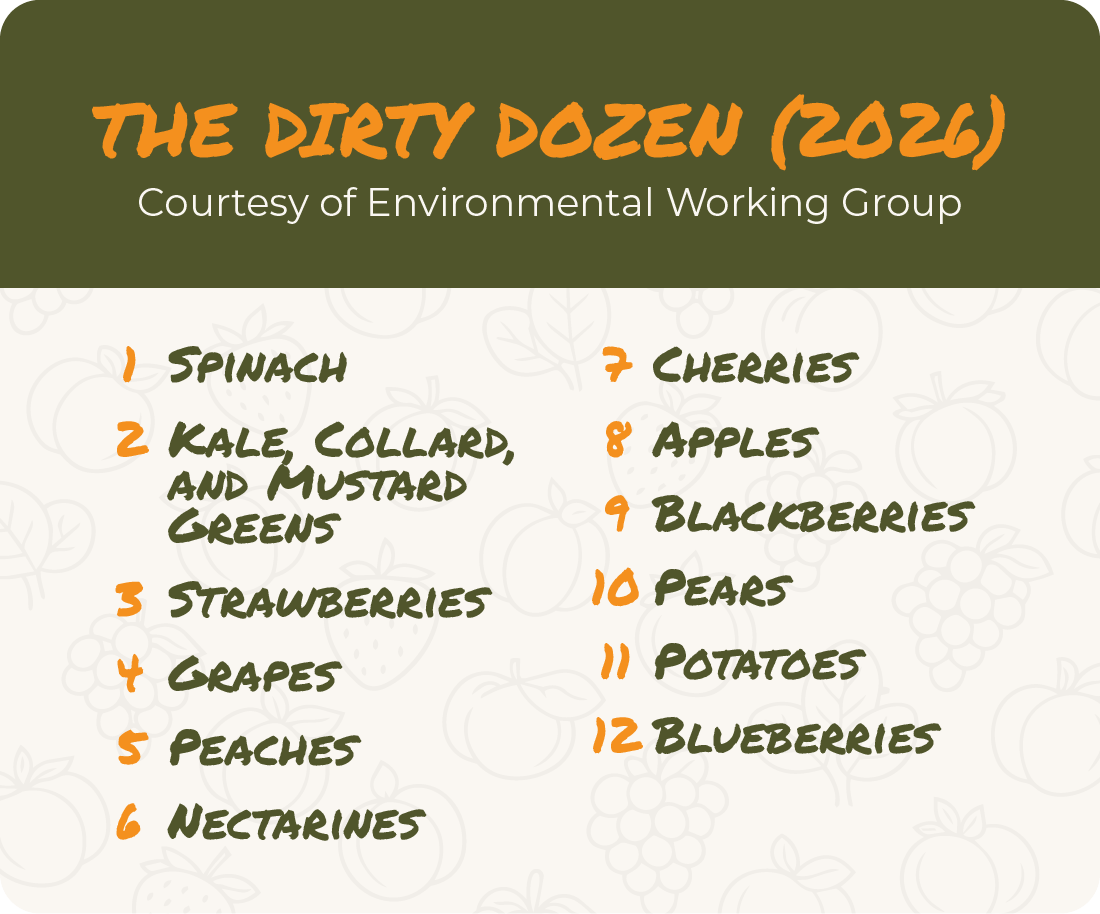
The following 2026 “Dirty Dozen” had the highest pesticide load, making them the most important to buy organic versions – or to grow them organically yourself.
The Dirty Dozen (2026)
Simple, Delicious Anti-Inflammatory Meals Delivered To Your Door
Today’s post is brought to you by Sunbasket - a meal delivery service we chose to partner with after personally trying many of their meals. We love how simple they make healthy eating without sacrificing flavor. Their fresh, organic produce and thoughtfully sourced ingredients meet our anti-inflammatory standards. Weil Nutrition Corner™ readers can save $140 on their first five boxes, plus get free shipping on the first box. Visit sunbasket.com/drweil to learn more.
Here are some seasonal recipes you can use for the above produce. WEIL Nutrition Corner™ VIPs have access to all recipes plus our entire recipe database; upgrade today to unlock the recipe library!


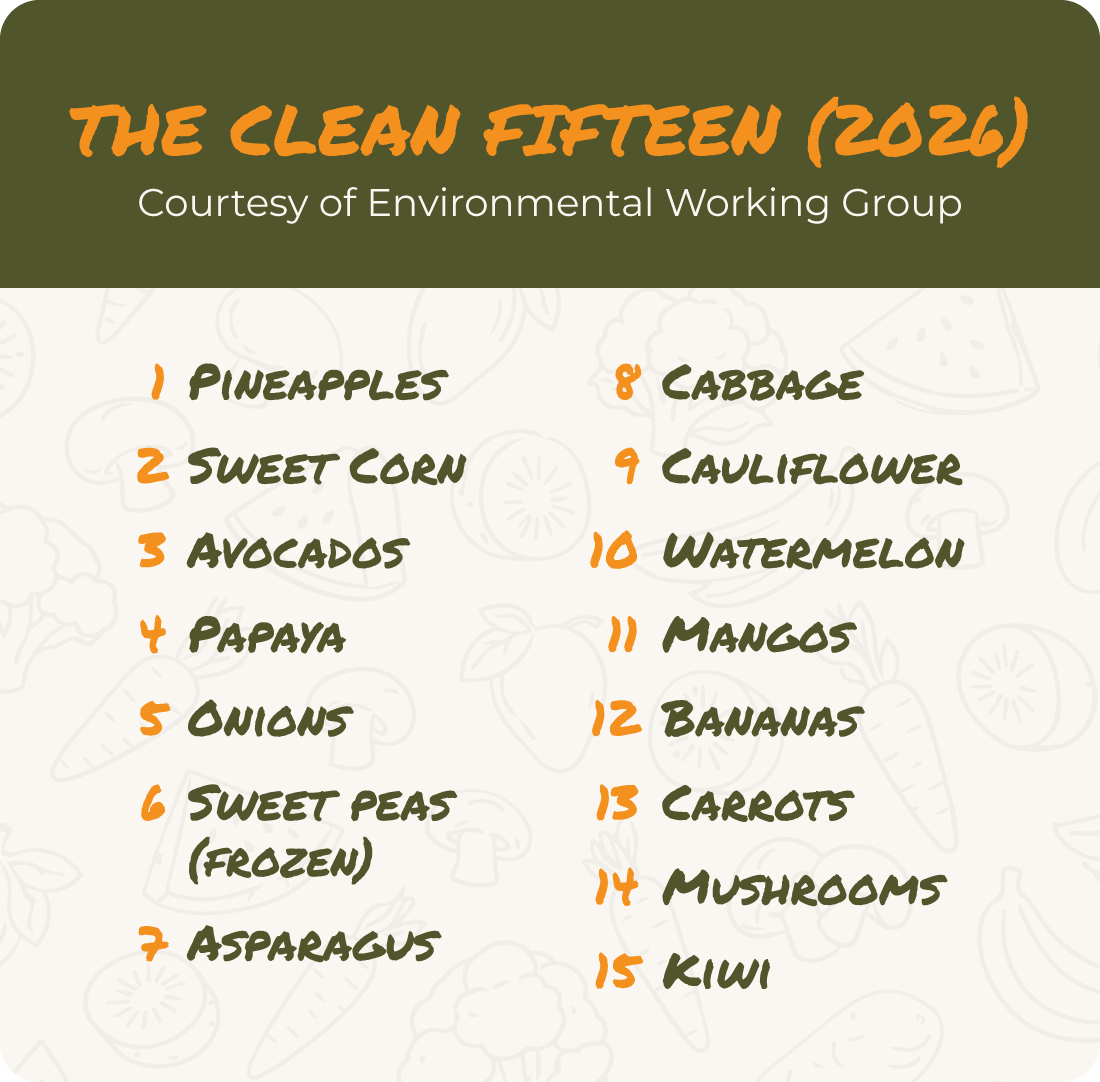
The Clean Fifteen
These 15 items had the lowest amounts of pesticide residues, according to EWG’s analysis of the most recent USDA data.
Here are some seasonal recipes you can use for the above produce.


Preparing and Cooking Kale: Video
Kale is one of my favorite veggies! It’s rich in fiber, vitamin K, and antioxidants. But it can also be a bit tricky to prepare. Cooking kale is one of the easiest ways to break down the tough fibers, but you can also enjoy it raw, just with a bit of preparation and love. Watch to see how to quickly de-stem kale and two different ways to prepare raw kale - one with a bit of lemon and the other by giving it a little massage!