



Welcome to Day 3 of the New Year Fresh Start Challenge! Today’s Focus: Understanding Food Labels
Yesterday we covered healthy anti-inflammatory bowl recipes to try out this week. Today is all about learning how to read labels. Reading labels is a great way to understand what’s in the food you’re buying and make informed choices. It’s our number one tip for building a healthier diet! We’ve created an easy list of what to to add and what to avoid, along with additional tips to help make this transition simple.
Your checklist for today is simple: Learn what to look for in food labels!
If you think a family member or friend would be interested in this challenge, please forward this email! And to upgrade to VIP and access all the challenge offers (access to all the recipes, guides, relationship with food workbook, Q&A and more), you do so here.
Understanding Food Labels
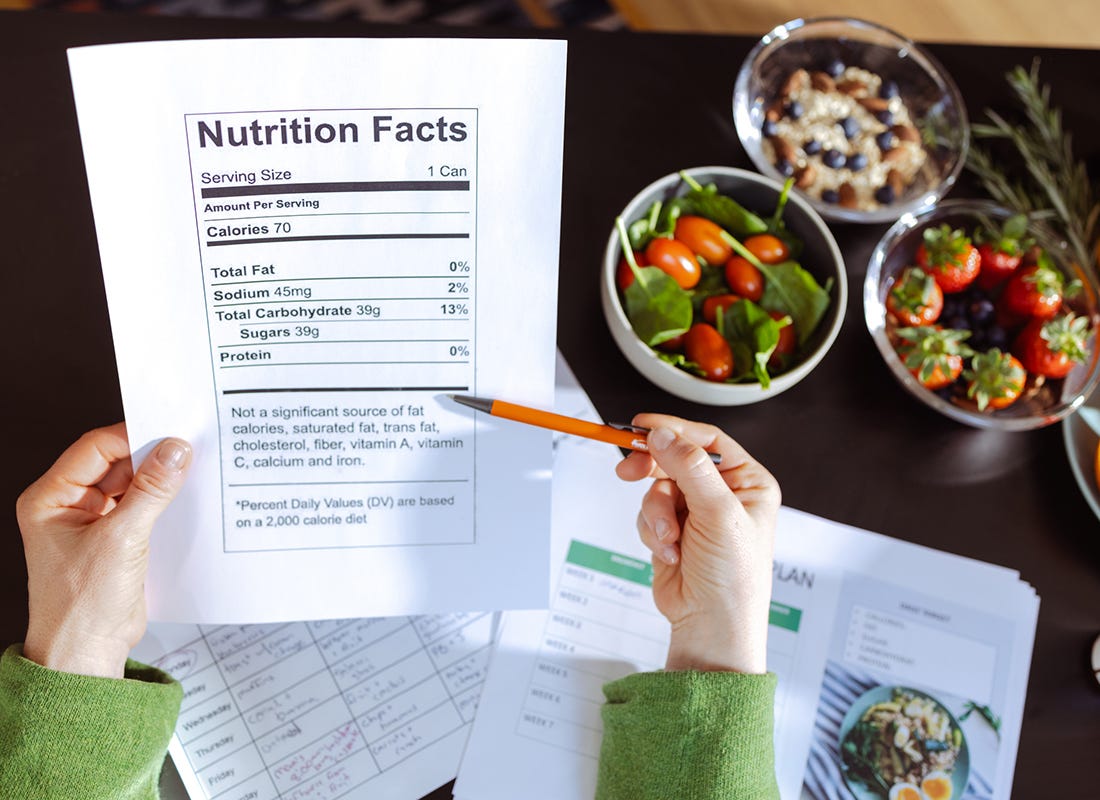
When you understand food labels, you’re better equipped to make informed, confident choices for yourself and your family. The good news is that once you know what to look for, reading labels becomes a quick and intuitive part of your shopping routine. You’ll also continue practicing this skill in future challenge days as you decide what to keep, what to add, and what you may want to slowly phase out in your kitchen.
As you begin paying closer attention to ingredients, you may naturally notice your shopping habits start to shift. This isn’t about being perfect or restricting foods - it’s about creating awareness and choosing foods that support long-term health more often.
Below is a list of ingredients that are commonly considered pro-inflammatory and less supportive of healthy aging. If you notice one or more of these on foods you already own, there’s no need to throw them away immediately. Instead, use this as information to guide future purchases and gradual swaps over time, at a pace that feels realistic and sustainable for you.
8 Foods to Avoid on Labels
High fructose corn syrup (HFCS): Often used to sweeten ultra-processed foods and beverages, HFCS can contribute to excess added sugar intake, which may promote inflammation when consumed frequently.
Artificial sweeteners or non-nutritive sweeteners: While low in calories, these sweeteners may alter taste preferences and gut bacteria in some people, potentially impacting metabolic and digestive health.
All seed oils, such as corn, cottonseed, safflower, canola, soybean, and sunflower. See the Seed Oil Guide below for more information: These oils are highly refined and high in omega-6 fats, which can contribute to inflammation when not in the correct ratio with omega-3 fatty acids.
Fractionated oil: Processing alters the natural structure of these oils, making them more stable but less aligned with an anti-inflammatory diet.
Hydrogenated oil or vegetable shortening: These fats are chemically modified to improve shelf life and texture, but are associated with less favorable cardiovascular and inflammatory markers.
Margarine: Many margarines are made with refined oils and additives, which can be inflammatory and less nourishing compared to whole-food fats like olive oil or butter.
Partially hydrogenated oil (source of trans-fat): Trans fats are linked to inflammation and heart health concerns, which is why minimizing them is widely recommended.
Blended vegetable oils: These mixes often contain refined seed oils and provide little nutritional benefit compared to single-source, minimally processed fats, like extra-virgin olive oil.
Healthy, Delicious Meal Kits with Sunbasket!
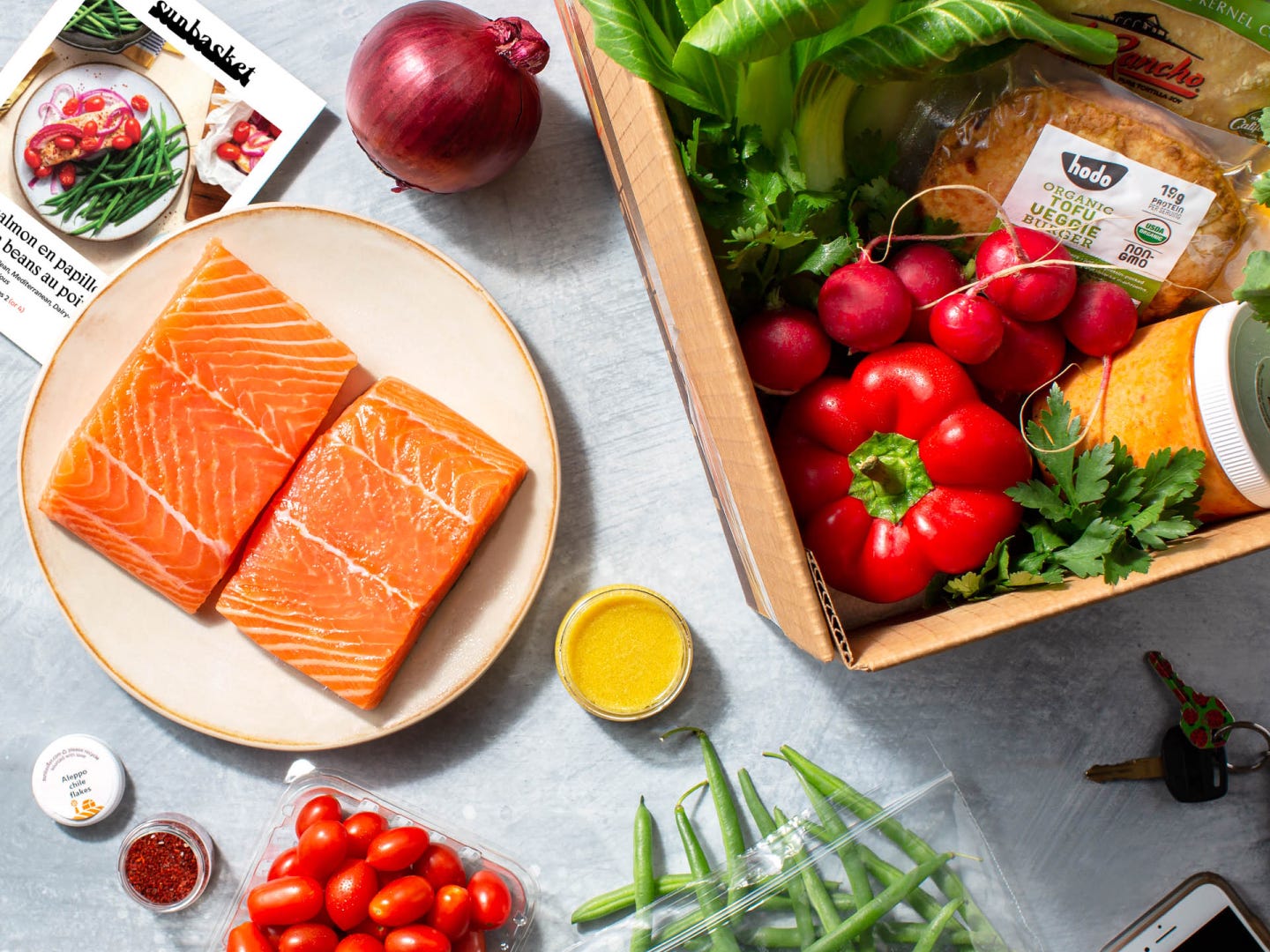
We have recently partnered with Sunbasket, one of the top-reviewed meal kit delivery services. We have found that their meals provide healthful ingredients, fresh organic produce, and are made with ingredients that align with our food label recommendations. Sunbasket offers anti-inflammatory aligned meals, such as Mediterranean and Vegetarian options. Weil Nutrition Corner™ readers can save $140 off your first 5 boxes - plus free shipping on your first box. Visit sunbasket.com/drweil for more information!
As a Sunbasket partner, Weil Nutrition Corner™ may earn from qualifying purchases.

“Reading food labels is a great habit to get into. In general, foods with fewer ingredients tend to be less processed and more nutritious, but that’s a guideline, not a rule. Some foods, like sauces, condiments, or dressings, naturally have longer ingredient lists, and that doesn’t necessarily make them “bad”. Especially if you use them sparingly, and it’s a well-made product with high-quality ingredients. I also want to be clear that it’s ok to take shortcuts and that doesn’t mean you’re undoing all your hard work. Progress comes from consistency over time, not perfection, so there’s no need to beat yourself up if convenience wins out now and then.” - Diana
“I encourage everyone to learn how to read food labels - it’s one of the simplest and most effective ways to improve your health. When reading labels, I suggest choosing organic foods when possible to reduce exposure to pesticide residues, and paying close attention to the types of fats used, favoring traditional, minimally processed oils such as extra-virgin olive oil. I also advise limiting products made with refined seed oils and other heavily processed ingredients, as these tend to move us further away from whole, traditional foods. As a general rule, be cautious of very long ingredient lists or ingredients you don’t recognize; ask yourself how you would make that food at home. If the label includes too many extras you wouldn’t use yourself, it’s probably best to skip it.” - Dr. Weil
Don’t miss tomorrow’s focus where we cover oils, including two guides to help you choose healthy oils:
Seed Oil Guide
Olive Oil Guide
Thank you. This explains so much.
How do I get Day 2?
Thank you!! So helpful!!