



Happy Monday! Today we are covering induction stoves, our now go-to way of cooking in the kitchen. See why we prefer them over gas or electric, and learn more about the pros (and some considerations) of induction ranges.
We are also presenting a seasonal recipe, Spinach, Avocado and Pumpkin Seed Salad, and a VIP-favorite video on how to roast pumpkin seeds - enjoy!
And coming up this week, Diana covers the supplements she takes while breastfeeding, we give our takes on the South Beach Diet, and Friday we present a Breast Health Meal Plan in honor of Breast Cancer Awareness Month.
Share this post with anyone you know who may be interested in our anti-inflammatory food insight, recipes and cooking suggestions!


Induction Ovens: Why We Love Them
Dr. Weil:
For many years, gas ranges were considered the gold standard. Professional chefs preferred them because they offered precise temperature control and immediate responsiveness. But after switching to an induction cooktop, I really think it’s the future.
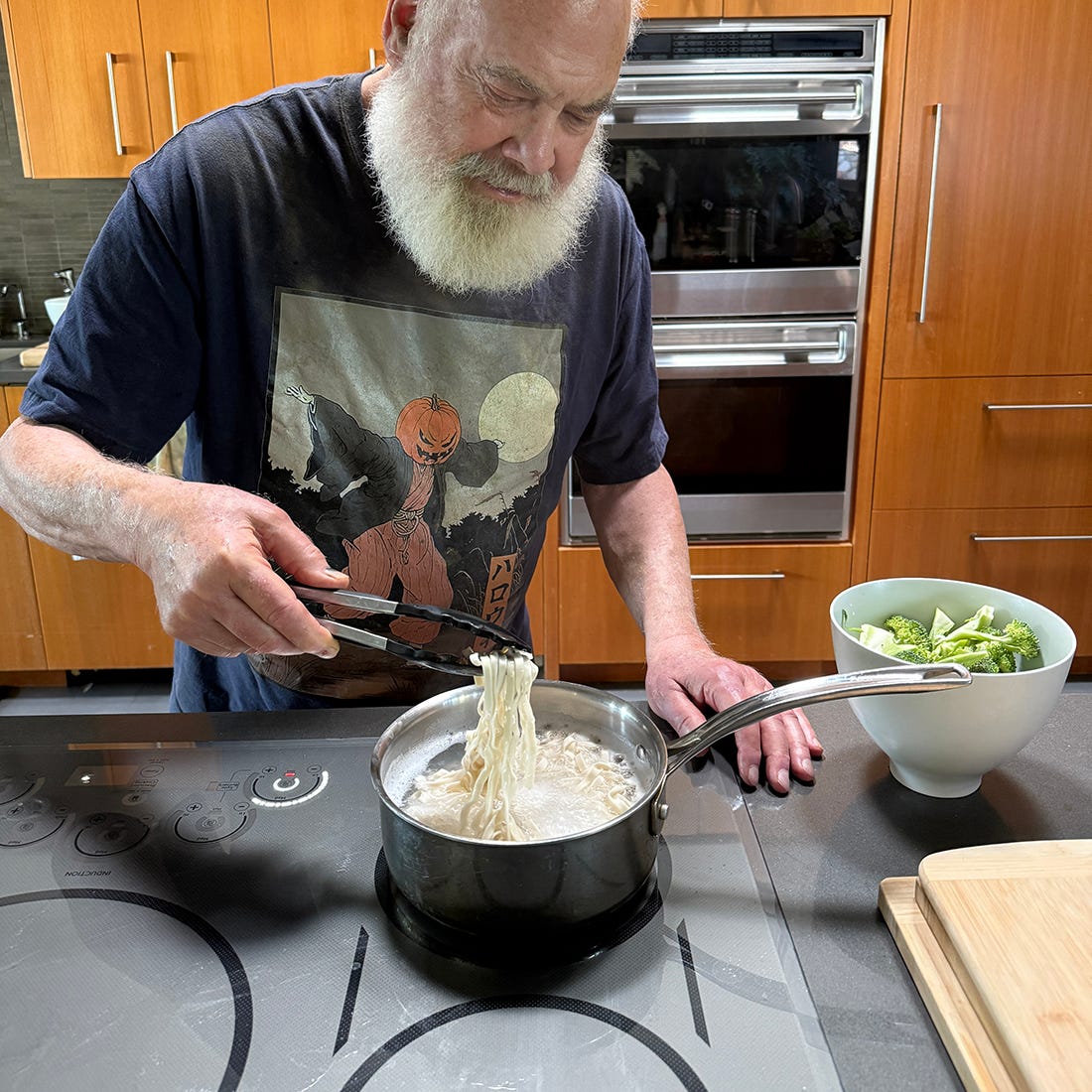
What I love most about induction ovens is how well they work. Unlike traditional electric stoves, which take a while to heat up and cool down, induction cooktops respond almost instantly to temperature adjustments. You get the same type of control, if not better, that people often associate with gas, but with faster heating time and greater efficiency.
I also appreciate how easy it is to clean induction cooktops. Because the cooking surface itself doesn’t get as hot as a conventional electric burner, you don’t need to worry about spills burning and sticking to the surface. Once I’m done cooking, I just give it a simple wipe.
I also think induction is much safer. Induction uses electromagnetic energy to heat the cookware directly, rather than creating an open flame. This reduces the risk of accidental burns and eliminates concerns about gas leaks or combustion byproducts in the home.
From an environmental perspective, induction is a step forward as well. It is highly energy efficient because more of the energy goes directly into heating the food rather than being lost to the surrounding air.
Overall, I love the speed, responsiveness, safety, ease of cleaning, and environmental benefits. I can’t imagine going back to gas.
Diana Weil:
In the first house Harley and I rented together, we had a gas stove, which I loved. When we bought our first home, it came with a relatively inexpensive electric cooktop. We never bothered replacing it, but I never cared much for it. It was slow, heated unevenly, and eventually one of the burners stopped working altogether.
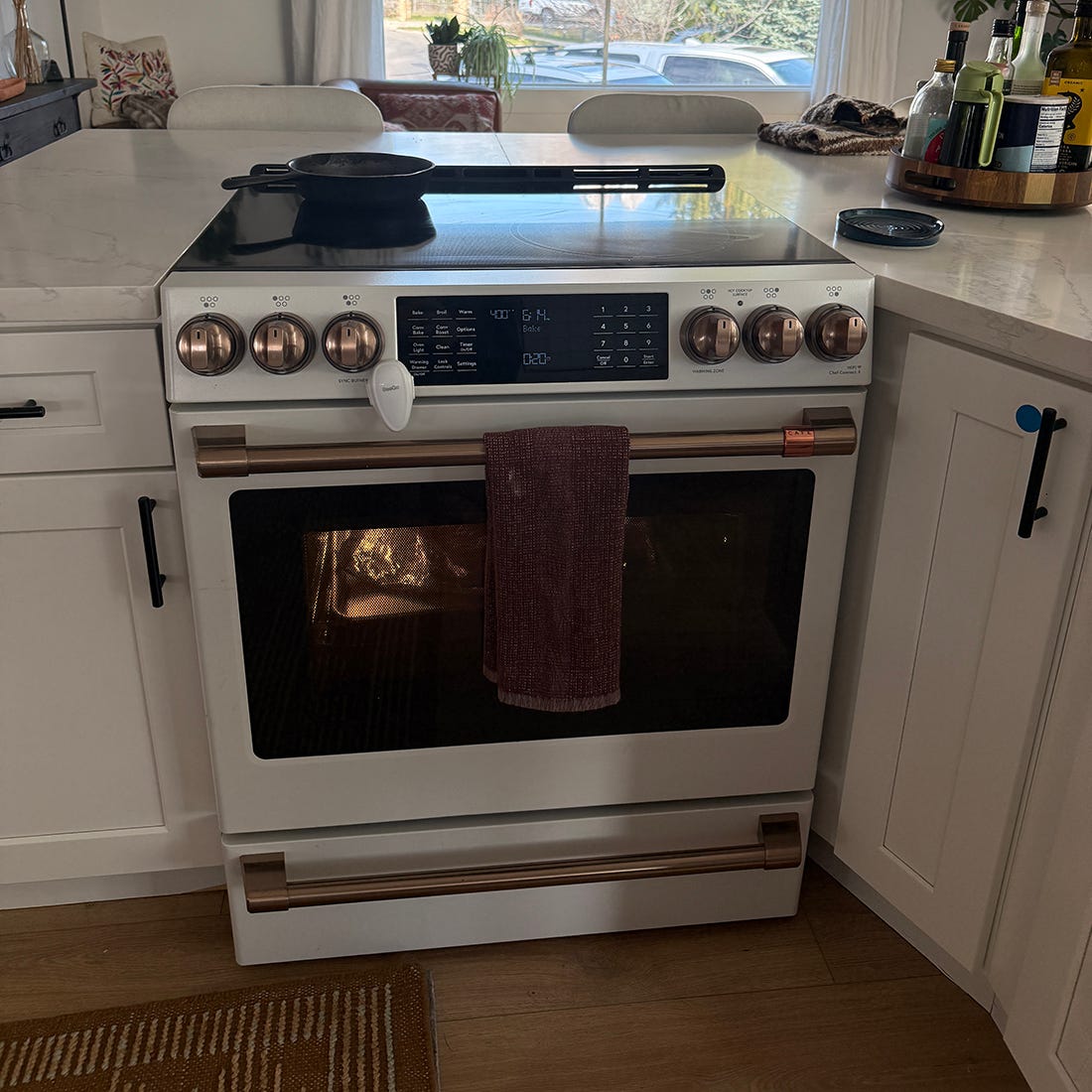
When we moved into the house we live in now, one of the first things we did was to replace the gas range with an induction stove. There’s quite a bit of research linking gas stove emissions to respiratory issues, particularly in children. Air quality is something I pay really close attention to, so this was a no-brainer for me.
I keep an air quality monitor in our home, and in our previous house (with the gas stove), I was shocked to see the AQI (a measure of air pollution) spike into the 500s while cooking (the max on the AQI scale and considered hazardous). Some of that was, of course, just from the natural process of cooking, but gas combustion can add pollutants such as nitrogen dioxide and carbon monoxide to the mix. With a properly vented kitchen and an induction cooktop, the levels stay a lot lower.
But aside from cleaner air, I genuinely LOVE cooking on an induction stove. We splurged on a higher-quality model, and I do think quality can make a big difference in whether you have a good experience with induction or not. I’ll never go back. We recently stayed somewhere with a gas stove, and I was surprised by how slow it felt compared to what I’m used to now.
I also love how safe it feels, especially with small hands nearby. There’s no open flame, and the surface stays much cooler than on an electric burner. It also automatically stops heating when a pan is removed.
I think some of the hate towards induction comes from people confusing it with traditional electric cooking. They’re completely different. Induction uses electromagnetic energy to heat the pan directly, which is why it’s so fast and efficient.
We also didn’t have to replace our cookware. We only use stainless-steel and cast-iron pans, both of which work perfectly on induction. If you’re thinking of making the switch, I cannot recommend it enough.
About Induction Ovens
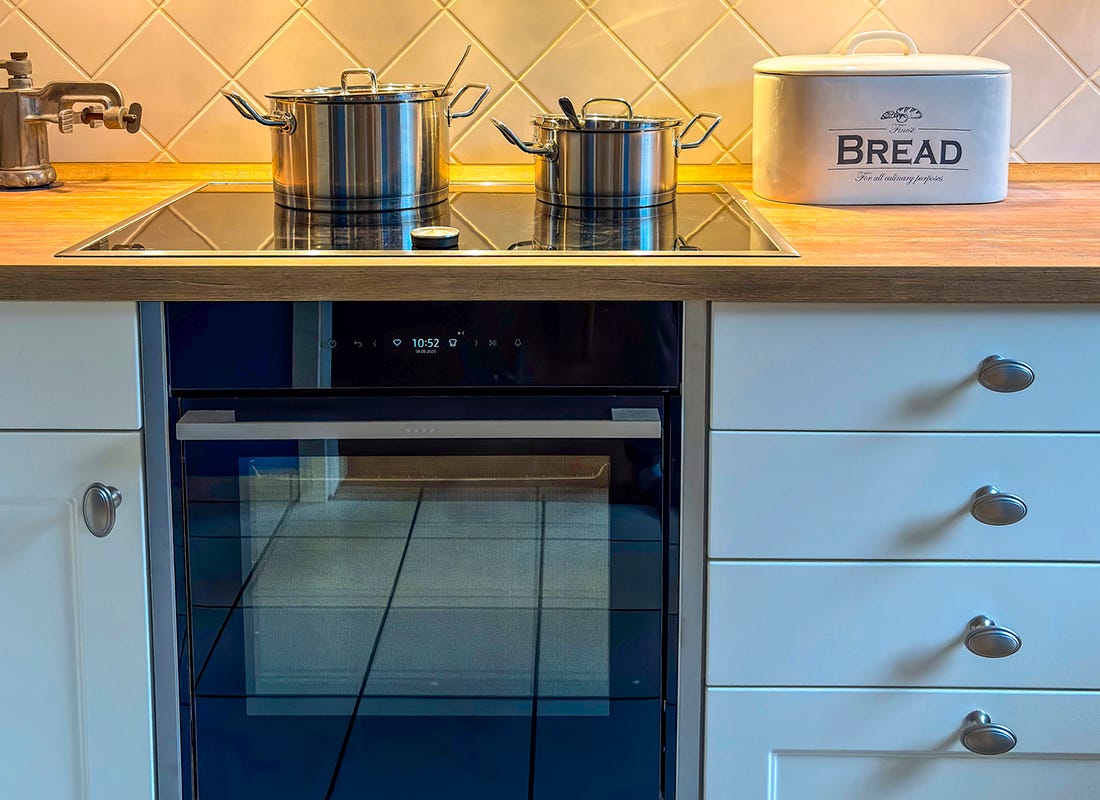
Here are some pros about induction ovens to consider if you are considering one:
Fast and efficient. Induction uses electromagnetic energy to heat the pan directly, so water boils much faster and less heat is lost to the surrounding air.
Precise temperature control. You can adjust heat almost instantly, similar to gas, but often more exact which is great for delicate cooking (sauces, simmering) and reduces risk of burning food.
Safer to use. The cooktop itself doesn’t get as hot (only the pan heats up) which leads to lower risk of burns. Many models automatically shut off when no pan is detected.
Easier to clean. The flat, smooth top means spills are less likely to burn onto the surface.
Better for indoor air quality. No open flame or gas emissions reduces exposure to pollutants associated with gas stoves.
Things to Consider Before Moving To Induction Heat
There are some drawbacks to consider as well, before you move to inductive heat:
You need compatible cookware with magnetic materials (cast iron, some stainless steel).
Induction ranges and cooktops tend to be more expensive than traditional electric or gas.
They may not work during a power outage and may require additional electrical hookups.

Enjoy this seasonal recipe, Spinach, Avocado and Pumpkin Seed Salad - use your freshly roasted pumpkin seeds from the VIP video below!


How to Roast Pumpkin Seeds
This video is for our VIPs - upgrade today to unlock all VIP content, and save 35% on our Fall Sale!