



Happy Wednesday! Today, we are taking a look at a topic we’ve been seeing a lot about lately: Does drinking green tea lead to an iron deficiency? With matcha, a type of green tea, recently soaring in popularity, we felt this was a timely topic. Learn more about the different types and benefits of green tea, our take on whether or not iron deficiency should be a concern, and try our green tea recipes.


Green Tea: Benefits
We both believe that green tea, specifically matcha, is one of the healthiest beverages you can drink. Backed by numerous studies, green tea offers a range of benefits for both mind and body. Here are just a few benefits of green tea:
Neutralizes damaging free radicals. Green tea is rich in antioxidants - particularly polyphenols like epigallocatechin gallate (EGCG) - which help neutralize harmful free radicals. Left unchecked, these unstable molecules can lead to oxidative stress, which contributes to aging and certain chronic diseases.
Supports heart and metabolic health. Research suggests green tea can help lower the risk of hypertension, diabetes, and high cholesterol, making it a smart daily habit for long-term health.
Increases energy and focus. While green tea contains a modest amount of caffeine, it also provides L-theanine, an amino acid that promotes calm, focused energy. Together, they enhance cognitive performance and mood without the crash or jitters often associated with coffee.
Calms and relaxes your mind. L-theanine also supports mental well-being by increasing dopamine levels in the brain, promoting a relaxed yet alert state - ideal for focus and stress reduction.
Supports fat metabolism. Green tea has been shown to aid fat burning through thermogenesis and fat oxidation, thanks to the synergistic effects of its polyphenols and caffeine.
Studies have also found that green tea may help prevent skin damage, reduce the risk of certain cancers, and improve bone health. And while green tea by itself is a potent source of healthy antioxidants, adding citrus juice or vitamin C can significantly boost the bioavailability of those compounds.
Types of Green Tea
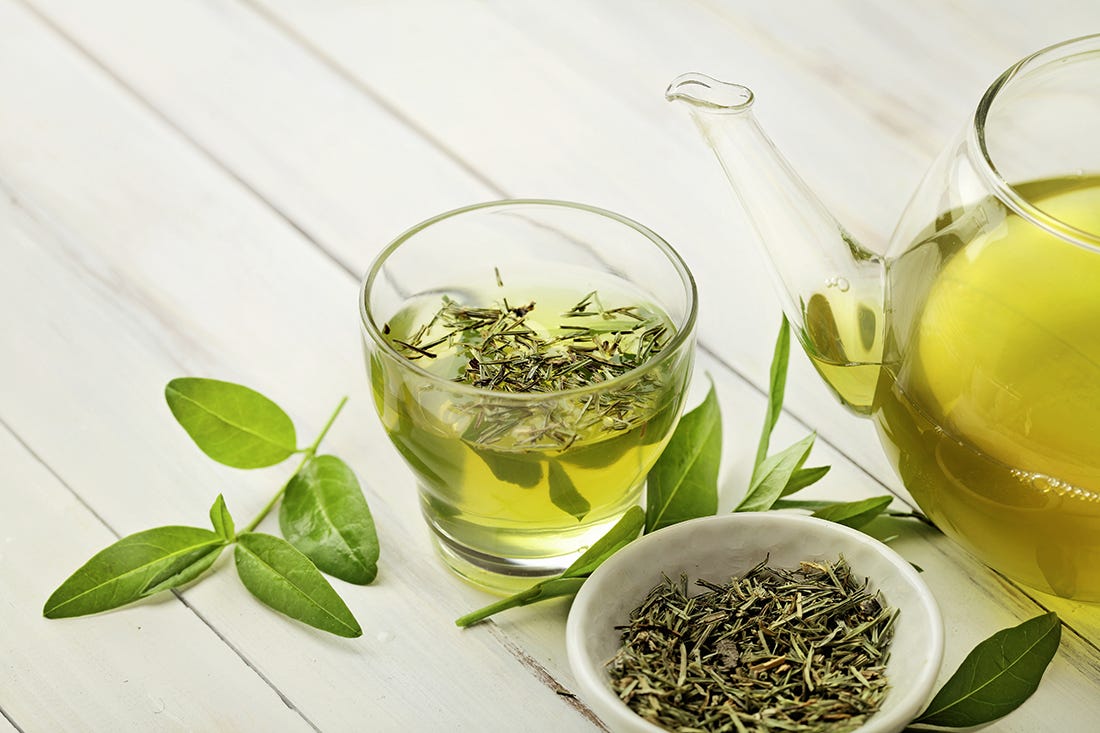
Made from the unoxidized leaves of the Camellia sinensis plant, green tea comes in a variety of flavors; some of my favorites include:
Matcha. The quintessential experience of Japanese green tea. Matcha is made from skillfully cultivated, shade-grown tea leaves that have been meticulously stone-ground into a very fine powder. To prepare, sift a teaspoon of matcha powder into a bowl, then stir it vigorously with hot water (about 174 F) using a bamboo whisk. Because it is made from the entire tea leaf, matcha has a rich, earthy, umami flavor and more concentrated health benefits. Be sure to look out for my video on how to make matcha tea, coming later this month.
Sencha. This refers to a broad category of loose-leaf green tea meant to be infused with hot water. For the best balance of flavor and color, many senchas are a mix of leaves of different sizes and shapes. The final brew will be yellow-green to a deeper shade of green. The taste may be mellow with a hint of maize or wildflower, or lively and herbaceous with a palate-cleansing astringency.
Gyokuro. An elaborated form of sencha, its leaves are shade-grown in the same way as matcha. The shading creates a tea that is intensely rich in flavor and low in astringency. The intensive labor behind gyokuro makes it one of Japan’s most expensive teas.
Genmaicha. One of the most popular Japanese green teas, it is a blend of roasted rice and either sencha or bancha tea. The roasted rice imparts a warm, toasty flavor to the vigor of green tea, creating a smooth overall taste.
Bancha. Made from more mature leaves than sencha, it is not as complex as sencha, yet is mellow and easy drinking, low in caffeine yet high in antioxidants, making it an ideal daily tea.
Hojicha. A type of green tea made from roasting bancha or sencha leaves at high heat. This roasting process transforms the leaves from green to a warm reddish-brown, which gives them a smooth, nutty flavor with subtle notes of caramel. It is naturally low in caffeine and gentle on the stomach; hojicha is an excellent choice for the afternoon or evening.
If you are interested in this topic, check out these posts:


Healthy, Delicious Meals - Just a Click Away

Today’s post is brought to you by Sunbasket - a meal delivery service we chose to partner with after personally trying many of their meals. We love how simple they make healthy eating without sacrificing flavor. Their fresh, organic produce and thoughtfully sourced ingredients meet our anti-inflammatory standards. Weil Nutrition Corner™ readers can save $140 on their first five boxes, plus get free shipping on the first box. Visit sunbasket.com/drweil to learn more.
Green Tea and Iron Deficiency: Our Takes
WEIL Nutrition Corner™ VIPS can see both our takes on green tea - along with three green tea recipes. Upgrade to VIP to access… and if you are already VIP, scroll down to read on!