



Happy Wednesday! Today we’re looking at a condition that affects an estimated 20 percent of adults in the US: gastroesophageal reflux disease, better known as GERD. The holiday season often includes big meals and rich foods, which can trigger heartburn and GERD. Today we’re covering what GERD is, who is more prone to have it, the foods that can trigger (and help) GERD symptoms, and more - including our takes on over-the-counter meds and a GERD-friendly meal plan.
Share this post with anyone you know who may be interested in our anti-inflammatory In The News series!


What is GERD?
Most people experience heartburn occasionally, perhaps after a large meal, a spicy dish, or eating too close to bedtime. But when that burning sensation becomes frequent, it may signal GERD. Occasional acid reflux is normal, but GERD is different and develops when stomach contents repeatedly flow back into the esophagus. It’s uncomfortable and can cause troublesome symptoms or complications.
The most recognizable symptom is heartburn, something many of us have experienced at one time or another. But GERD can also cause regurgitation, a sour taste, difficulty swallowing, and sometimes a persistent cough or hoarseness.
Over time, untreated GERD can lead to inflammation of the esophagus, narrowing from scar tissue, or a condition called Barrett’s esophagus, which increases the risk of esophageal cancer. Most people with GERD will not develop these serious complications, but persistent symptoms still deserve attention.
Who Is Most Likely to Develop GERD?

Although GERD can affect anyone, certain groups are at greater risk:
Adults over 40: GERD can occur at any age, but its prevalence generally increases with age.
People who are overweight or have obesity: Excess abdominal pressure can promote reflux, particularly when weight is concentrated around the waist.
Pregnant women: Hormonal changes and increased abdominal pressure make reflux especially common during pregnancy.
People with hiatal hernias: When part of the stomach pushes upward through the diaphragm, the normal barrier against reflux can become less effective.
Smokers: Smoking can impair the function of the lower esophageal sphincter, the muscular valve that helps keep stomach contents where they belong.
Certain medications, including some calcium channel blockers and anticholinergic drugs, can also contribute to reflux symptoms.
Why Does GERD Happen?
At the bottom of the esophagus is a ring of muscle called the lower esophageal sphincter (LES). Normally, it relaxes to let food into the stomach, then closes to prevent stomach contents from moving back up. When this barrier relaxes inappropriately or becomes weakened, stomach acid and other contents can enter the esophagus. Unlike the stomach, the esophagus lacks the same protective lining against acid.
Foods And GERD
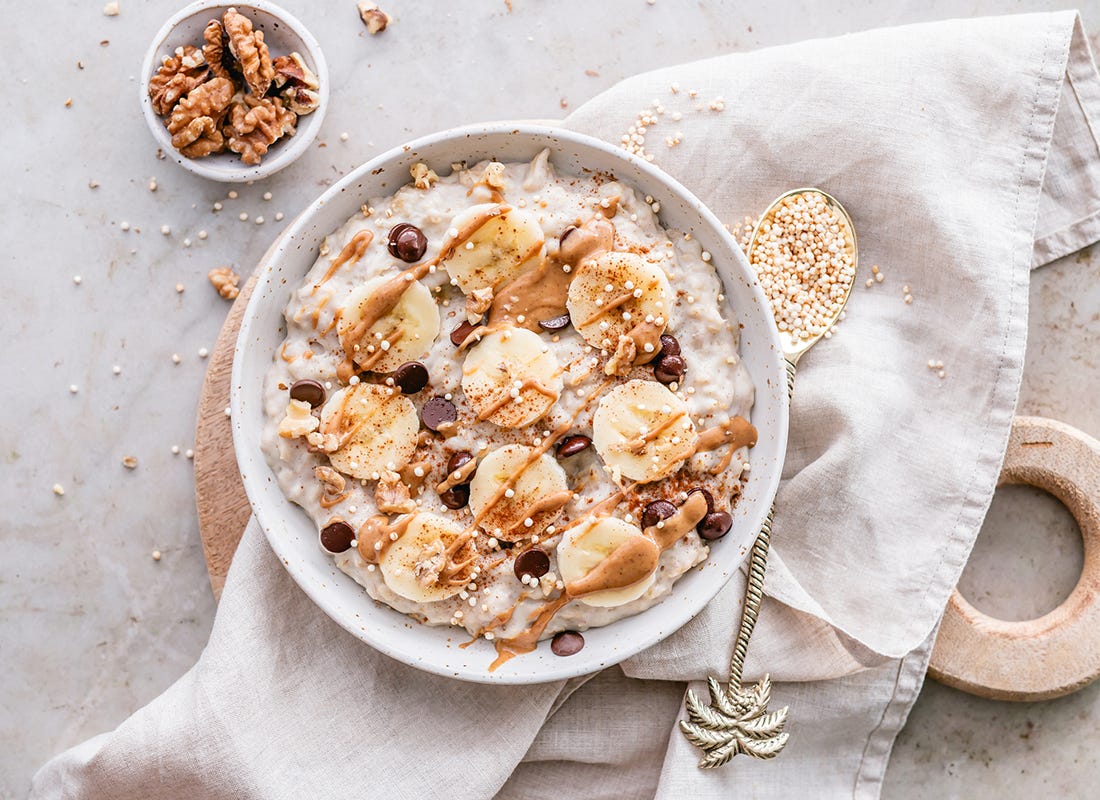
Your diet can make a meaningful difference in managing GERD - and you don’t need to follow a highly restrictive diet. The key is identifying your personal triggers while emphasizing nourishing, minimally processed foods that are well tolerated.
Let’s look at which foods commonly worsen symptoms, foods that may help, a few simple changes to your eating habits that can bring relief, and our takes on how to address GERD via soem natural solutions.
Foods That Commonly Trigger GERD

These vary by person, but common culprits include:
Fried and fatty foods
Tomato-based products
Citrus fruits
Chocolate
Caffeine (coffee, some teas)
Alcohol
Spicy foods
Foods That May Help Reduce GERD Symptoms
Our WEIL Nutrition Corner™ VIPs have access to the foods that can help reduce GERD symptoms, GERD-friendly recipes, our takes on this topic - including natural solutions - as well as full access to our entire In The News library of content! Upgrade today to unlock everything we offer, including guides, recipes, courses, challenges and more.