



Happy Wednesday! Today, we are taking a look at emulsifiers, a thickener that can be found in most processed foods and has been connected to a variety of health concerns, including some related to the colon and gut. Read on for:
Insight into emulsifiers (including what to look for and how to minimize consumption)
Our takes on health concerns associated with emulsifiers
Links to guides that can help you minimize your consumption of these thickeners
Micro-biome-friendly recipes!


The Link Between Emulsifiers and Colon Health

Emulsifiers are food additives used to improve texture, stability, and shelf life. They help ingredients like oil and water stay mixed. Frequent consumption of the following may cause irritation, so keep these amounts lower - look for the widely used emulsifiers to help you choose wisely.
1)Packaged ice cream. Commercial ice cream often contains emulsifiers and stabilizers to maintain a smooth texture and prevent ice crystals from forming during freezing and thawing cycles. These additives help keep the product creamy even after long storage.
Common emulsifiers used:
Mono- and diglycerides
Polysorbate-80
Carrageenan
Guar gum or locust bean gum
2)Processed baked goods. Packaged breads, cakes, cookies, and pastries frequently contain emulsifiers to improve dough structure, extend freshness, and prevent staling. They help distribute fat evenly throughout the dough, which results in a softer crumb and longer shelf life.
Common emulsifiers used:
Soy lecithin
Mono- and diglycerides
DATEM (diacetyl tartaric acid esters of mono- and diglycerides)
Polysorbates
3)Non-dairy creamers. Non-dairy creamers depend heavily on emulsifiers because they contain oils that must stay suspended in water to create a smooth, milk-like consistency. Without emulsifiers, the fat would quickly separate.
Common emulsifiers used:
Sodium stearoyl lactylate
Mono- and diglycerides
Carrageenan
Dipotassium phosphate
4)Highly processed snack foods. Snack foods such as flavored chips, crackers, and snack bars often contain emulsifiers to bind ingredients together and maintain a consistent texture.
Common emulsifiers used:
Lecithin
Mono- and diglycerides
Polysorbates
5)Shelf-stable sauces and dressings. Many bottled dressings, sauces, and spreads require emulsifiers because they combine oil and water-based ingredients. Without emulsifiers, the mixture would quickly separate.
Common emulsifiers used:
Xanthan gum
Carrageenan
Lecithin
Polysorbate-80
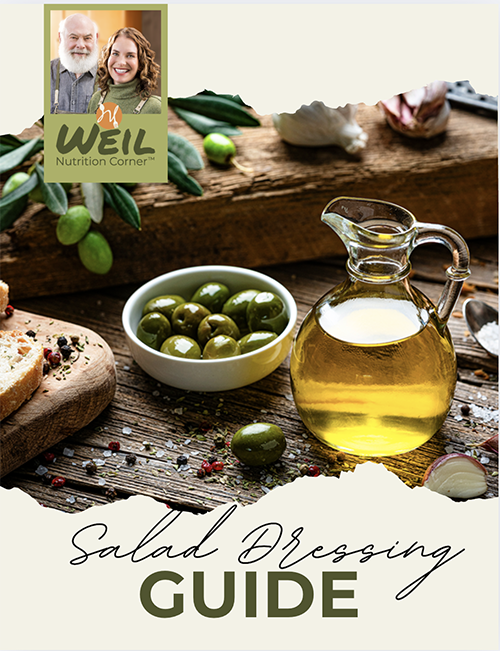
You can help to minimize emulsifiers when you make your own salad dressing; use our Salad Dressing Guide for inspiration.
What Does the Research Say About Emulsifiers?
Most of the concern comes from animal studies, with growing human research. Some concerns include:
1. Gut Microbiome Disruption. Some emulsifiers (especially CMC and polysorbate-80) have been shown in animal models to alter gut bacteria composition, reduce beneficial microbes, and promote bacteria that may drive inflammation.
Over time, a disrupted microbiome can affect colon health.
2. Thinning of the Mucus Layer. The colon has a protective mucus barrier separating gut bacteria from intestinal cells. Some studies suggest certain emulsifiers may disrupt this mucus layer, allow bacteria closer contact with the intestinal lining, and trigger low-grade inflammation.
This may increase susceptibility to inflammatory bowel diseases (IBD) in predisposed individuals.
3. Low-Grade Inflammation. Chronic low-level inflammation in the gut is associated with IBD (Crohn’s disease, ulcerative colitis), metabolic dysfunction, possibly colorectal cancer risk (still under investigation).
The evidence in humans is still developing, but caution is reasonable.
4 Ways You Can Protect Your Colon Health
In addition to minimizing consumption of emulsifiers, the following are good steps you can take to protect your colon’s health:
1. Limit Ultra-Processed Foods. The biggest exposure comes from highly processed packaged foods. If the ingredient list is long and hard to pronounce, your risk is higher. Try the Reading Food Labels action day of our New Year Fresh Start Program, a solid foundation that anyone can use to choose healthier foods.
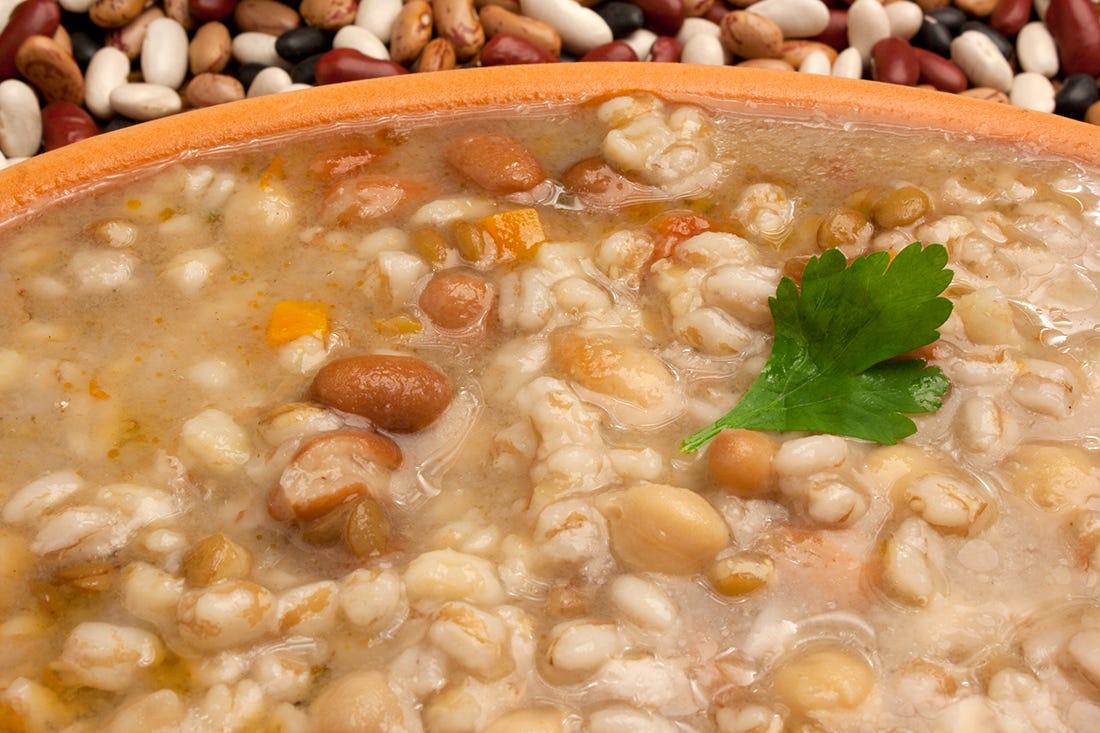
2. Prioritize Fiber. Fiber helps to feed beneficial gut bacteria, strengthen the gut barrier, and support regular bowel function. Focus on legumes, whole grains, vegetables, fruits, nuts and seeds.
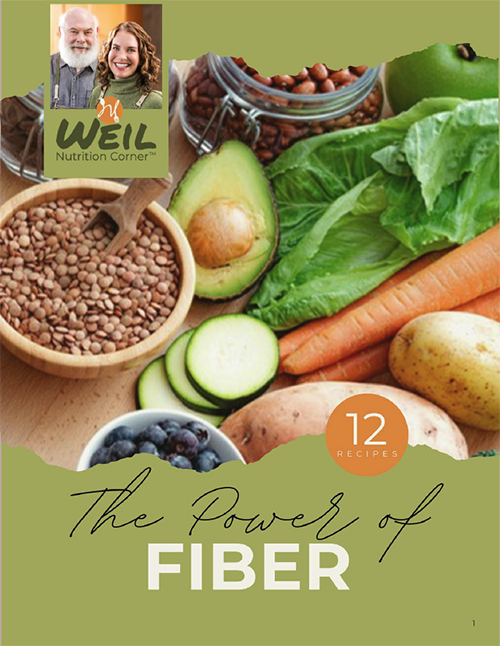
We have a Fiber Guide coming out next week - keep an eye on your inbox for a deep dive into fiber, including gut-healthy recipes!
3. Support the Microbiome. This includes eating more:
Fermented foods such as yogurt, kefir, and sauerkraut
Prebiotic fibers, including onions, garlic, asparagus, oats
Polyphenol-rich foods like berries, olive oil, and green tea
4. Read Labels. Especially if you have IBD or gut sensitivity, labels can help guide you. Consider limiting products containing:
Carboxymethylcellulose
Polysorbate-80
Carrageenan (controversial but sometimes irritating)
Healthy Foods That Minimize Emulsifiers and Promote Colon Health

The following align with an anti-inflammatory eating pattern, and can be beneficial to your gut and colon.
Vegetables (especially leafy greens and cruciferous vegetables)
Beans and lentils
Whole grains
Extra virgin olive oil
Fatty fish
Nuts and seeds
Fermented foods
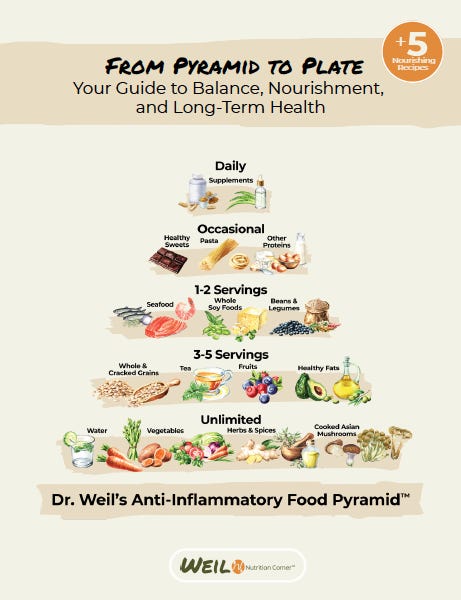
These foods are part of the Anti-Inflammatory Food Pyramid - see the refreshed version and learn more in our guide!
Our Takes and Microbiome-Friendly Recipes
Dr. Weil's Take:
Emulsifiers are among the most overlooked ingredients in the modern diet, but they aren’t harmless, and they add no nutritional value. They improve texture, prevent separation, and extend shelf life of manufactured foods. From a manufacturing standpoint, emulsifiers are useful, but from a health standpoint, I recommend caution.
To access the rest of Dr. Weil’s take, Diana’s insight, microbiome-friendly recipes and more, upgrade to VIP.
As our food supply has shifted toward ultra-processed products, emulsifiers and gums have become more common. Most people are consuming them daily, often at multiple meals. Certain emulsifiers, especially carrageenan, have been associated with increased intestinal permeability, alterations in the gut microbiome, and inflammation.
I recommend avoiding products made with gums whenever possible. They are not beneficial, and some appear to irritate the gastrointestinal tract. There are better and worse choices among them. I recommend avoiding carrageenan in particular. Even food-grade carrageenan has been linked to inflammatory responses, and its widespread use in processed foods is concerning- especially for individuals with digestive disorders.
But some emulsifiers are likely OK. Lecithin, especially when derived from sunflower or soy, appears to be well tolerated by most people. Mono- and diglycerides are generally considered acceptable in moderation.
However, if your diet consists of mostly whole, minimally processed foods, like vegetables, fruits, legumes, whole grains, nuts, seeds, and protein, which I recommend, you’ll be avoiding emulsifiers. When you choose whole, natural foods, emulsifiers and gums largely disappear from your diet.
Diana’s Take:
Unless you’re making all your food from home, you’re likely eating some amount of emulsifiers. Unfortunately, they’re in a vast number of foods. Even “health foods” and organic foods, so it’s important to read labels. For people who have GI issues, I do recommend trying to avoid them as much as possible. For the rest of us, I think it’s a good practice to read food labels, try and make as much food as home, but a moderate amount of emulsifiers likely won’t cause too much harm.
I also agree with my dad that it’s good to pay closer attention to carrageenan. It’s made from red seaweed (often called Irish moss) and is commonly found in foods like like nut milks, yogurt, and ice cream. While it comes from a “natural” source, it’s the one most consistently linked to gut irritation and inflammation. It’s not something I necessarily fear, and it’s almost impossible to find nut milks without carageenan, so it is something I consume, however, it’s good to be aware of. Overall, if a product has a long list of gums and additives, it might be wise to choose something similar but simpler.
Microbiome-Healthy Recipes
Try these gut-healthy recipes to support your microbiome.

Spring Pea Pasta with Peas, Asparagus, and Nutritional Yeast

Spring Pea Pasta with Peas, Asparagus, and Nutritional Yeast

Bonus Post: Homemade Pickles!

Hi everyone! We are so excited about this how-to video: Making Homemade Pickles! Previous how-to videos (How To Make Matcha, How to Sharpen Your Knives) have been so popular with our paid subscribers, we wanted everyone to have a chance to see what these how-tos are about.
WEIL Nutrition Corner™ Takeaways: Emulsifiers and Gut Health
Emulsifiers are not inherently toxic, nor are they all equal in their effects. However, they are a marker of a broader shift in the modern diet toward ultra-processed foods - and that shift carries consequences.
Certain emulsifiers, particularly carrageenan, have been associated in research with changes to the gut microbiome, increased intestinal permeability, and inflammatory responses. While much of the strongest evidence comes from laboratory and animal studies, the emerging data are concerning enough to warrant awareness, especially for individuals with digestive disorders or inflammatory bowel conditions.
At the same time, not every emulsifier poses the same level of risk. Lecithin and mono- and diglycerides appear to be better tolerated by most people. Context matters. Dose matters. Individual sensitivity matters.
The larger issue is not a single additive but dietary pattern. A diet built primarily on packaged, shelf-stable products will naturally include more emulsifiers, gums, and stabilizers. A diet centered on whole, minimally processed foods (vegetables, fruits, legumes, whole grains, nuts, seeds, healthy fats, and quality proteins) largely eliminates the need to think about these additives at all.
For individuals with gastrointestinal symptoms, reducing emulsifier intake may be worth exploring. For others, moderate exposure is unlikely to pose significant harm within an otherwise nutrient-dense diet.
As with many questions in nutrition, the most protective strategy is not hyper-vigilance but a return to simpler foods. When you choose whole foods more often, concerns about emulsifiers tend to resolve themselves.
Join The Conversation!
How often do you check ingredient labels for additives like emulsifiers? What’s one ultra-processed food you’d be willing to swap for a more whole-food option? Share in the comments!
Learn How To “Heal With Every Meal”

For decades, we have both considered food to be one of our most powerful tools for reducing inflammation and supporting healthy aging. We are proud to share Heal With Every Meal, an essential guide to anti-inflammatory eating that we created together. Within it we bring science-backed nutrition to life with practical pantry rebuilds, kitchen guidance, and delicious anti-inflammatory recipes. Whether you’re just beginning or refining your approach, this 100-page keepsake magazine offers clear, approachable tools to help you feel better - one meal at a time.
Available now wherever magazines are sold and online.
Very interesting read, thank you! More reasons to avoid processed food.
I have been aware of carrageenan and have even found it in the local store brand of heavy whipping cream. Today I did find an almond milk that is labeled as "simple" - just almonds, water and salt. Will be trying that in the morning.