



Happy Monday! We’re “Cooking the Anti-Inflammatory Food Pyramid” again today, and it’s all about building an anti-inflammatory spice racks using our favorite anti-inflammatory spices! Read on for our favorite spices, the anti-inflammatory aspects of certain spices, how to add them to your diet, and how to build an anti-inflammatory spice rack. And of course, we’re sharing recipes to get you started!
Coming up this week, we’ll be covering emulsifiers and colon health, foods to help to manage blood sugar levels, our weekly kitchen recommendations, and more.


Spices We Enjoy

Dr. Weil:
When it comes to anti-inflammatory spices, turmeric and ginger and my top recommendations.
Turmeric (Curcuma longa) owes its golden color and medicinal properties to curcumin, which, has been repeatedly shown to reduce inflammation and boost immune function. I encourage people to learn how to cook with turmeric- try adding a level teaspoon to soups, beans, or grains. I also enjoy cold, unsweetened turmeric tea, especially made from fermented turmeric, which dissolves easily, has a milder flavor and is more bioavailable.
Ginger (Zingiber officinale), a close relative of turmeric, is a great addition to your meals and can also help calm inflammation.
I also regularly use garlic, cinnamon, cumin, clove, black pepper, and cardamom- all of which have long been used in traditional healing systems and demonstrate antimicrobial and anti-inflammatory properties in research settings.
Whenever possible, choose organic spices. I’ve recently learned that some turmeric powders have been adulterated with lead to enhance color, which is unfortunate.
Diana:
I think one of the best things you can do to become a better home cook is learn how to use spices! Spices add so much flavor AND health benefits. When it comes to my favorite anti-inflammatory spices, basil is a top choice. It just adds a certain freshness I love. I like to keep a basil plant in my kitchen in the winter that I can pick a few leaves off a time and add to whatever I’m making (I don’t worry about trying to keep it alive too much, so we do tend to go through a few plants). In the summer I always plant tons of basil to keep on hand.
I also think just about everything is better with garlic. At minimum I double the amount of garlic in every recipe I make and I always put it in at the end of cooking to keep the flavor stronger and more of the health benefits. We recently started growing garlic (the past 3 years), which has been quite fun! If you live in a climate zone 7, like I do, we plant garlic on Halloween, and harvest it in June. It’s one of the first things to come up in the spring, which I love.
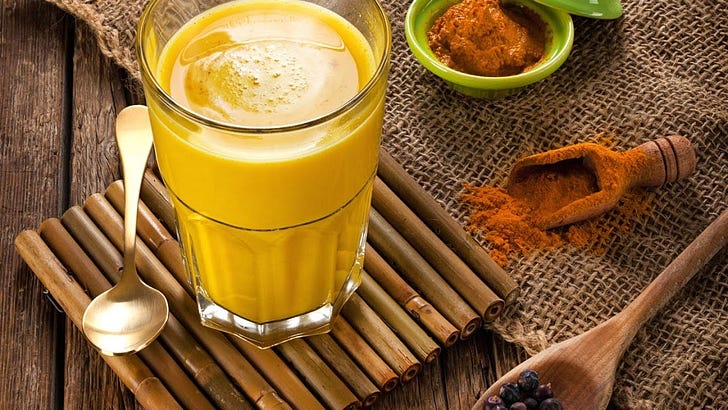
I also regularly drink fermented turmeric tea. Elio loves it too! I just give him a little scoop with cold water; for myself I add a bit of honey and some almond or soy milk and make a golden milk latte. It’s great in the evenings as a way to wind down. I find fermented turmeric much easier to drink compared to regular turmeric, since it has a milder flavor.
Delicious Anti-Inflammatory Meals Delivered Right To Your Door
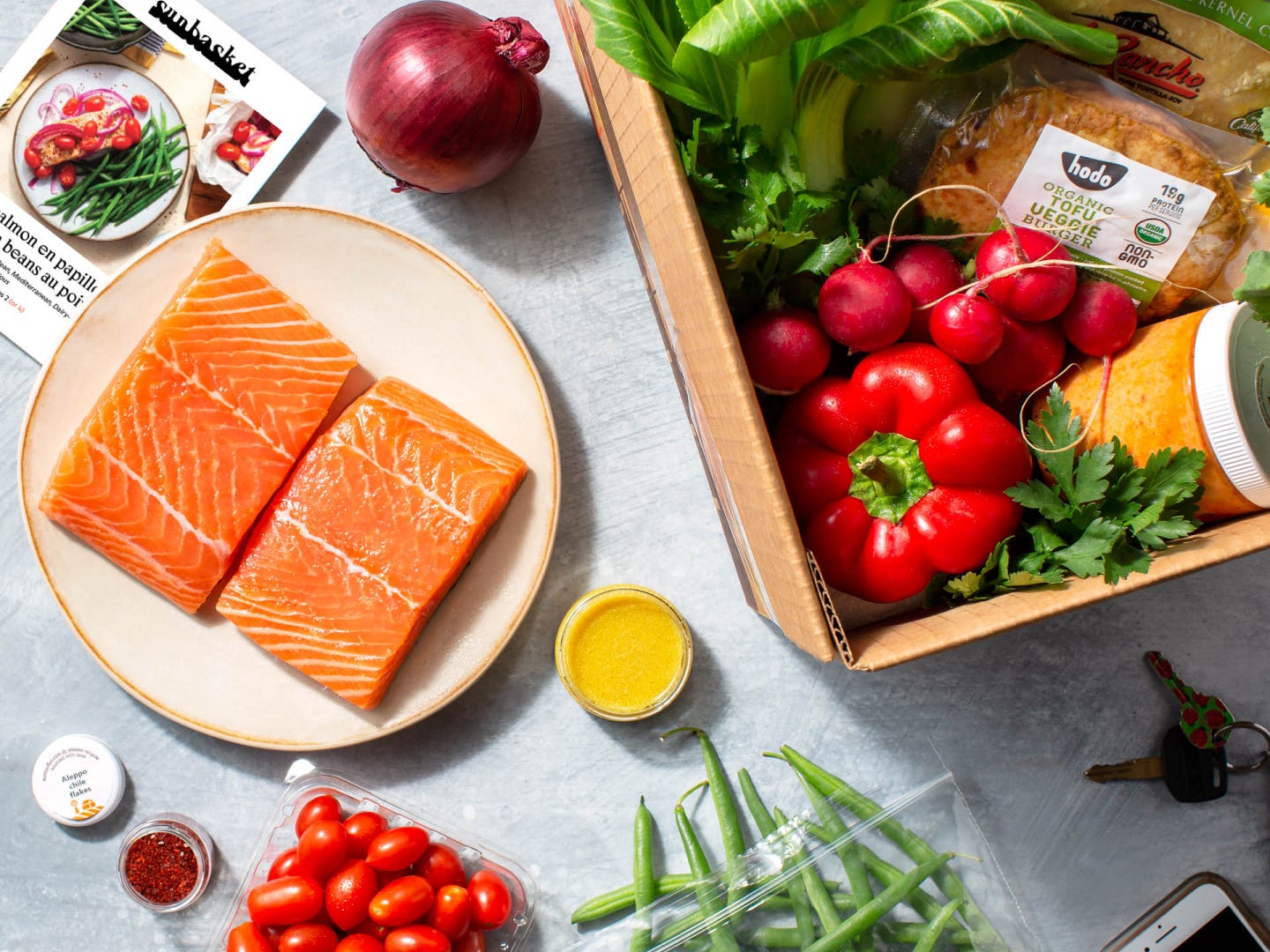
Today’s post is brought to you by Sunbasket - a meal delivery service we chose to partner with after personally trying many of their meals. We love how simple they make healthy eating without sacrificing flavor. Their fresh, organic produce and thoughtfully sourced ingredients meet our anti-inflammatory standards. Weil Nutrition Corner™ readers can save $140 on their first five boxes, plus get free shipping on the first box. Visit sunbasket.com/drweil to learn more.

Building an Anti-Inflammatory Spice Rack
While certain foods offer anti-inflammatory benefits (see Dr. Weil’s refreshed Anti-Inflammatory Food Pyramid), spices are also an important part of eating in an anti-inflammatory… and they’re tasty, too!
Learn more about the nine spices we recommend in the Anti-Inflammatory Food Pyramid, from turmeric and ginger to basil and garlic - including why they are healthy, how to get them into your diet, and recipes!
Turmeric
Turmeric contains curcumin, a powerful antioxidant compound that helps regulate inflammatory pathways in the body. It has been studied for joint, heart, brain, and overall immune support.
How to eat more turmeric:
Add to soups, lentils, and stews
Stir into scrambled eggs or tofu
Blend into smoothies or golden milk
Mix with olive oil and black pepper for roasted vegetables
Add to rice, quinoa, or grain bowls
WEIL Nutrition Corner™ Tip: Always pair with black pepper and a healthy fat to improve absorption.
Turmeric Recipes: Golden Milk and Golden Turmeric and Carrot Breakfast Cookies

Curry Powder
Curry powder combines several anti-inflammatory spices - often turmeric, ginger, cumin, coriander, and chili - creating synergistic antioxidant effects.
How to eat more curry:
Sprinkle into chickpea or lentil dishes
Add to roasted cauliflower or sweet potatoes
Stir into coconut milk–based soups
Mix into yogurt for a quick marinade
Use in grain bowls with vegetables and legumes
Sprinkle into tuna salad
Curry Recipes: Vegetarian Shepherd’s Pie with Curried Lentil Filling and Salmon Cakes

Salmon Cakes (VIP)

WEIL Nutrition Corner™ VIPs have access to all the spice content, including the anti-inflammatory benefits, uses, recipes for each and a spice guide. Upgrade today to access this content, along with healthy guides, meal plans and more!