



Happy Friday! Today, we are taking a look at collagen and the role that vitamin C plays in collagen production. Learn more about the foods to eat to boost collagen, as well as food pairing suggestions to help you easily apply this to your diet in our Food As Medicine Series!
If you missed anything from this past week, we shared:
Our new guide, Longevity By Design: A Women’s Guide to Healthful Living. From birthing years to menopause and beyond, get nutrition, meal plans and movement insight to help you live more anti-inflammatory
Diana’s insight on how to navigate daycare lunches
Our takes on the Whole30 Diet
Read on for more information about the connection between vitamin C and collagen, and our weekly picks - this week, they are recommendations that can help you boost your collagen through food!


Every Friday, we share a quick roundup of products we actually use and love. These tools and staples can make cooking, serving, and clean-up easier and more enjoyable. As an Amazon Affiliate, Weil Nutrition Corner™ may earn on qualifying purchases from Amazon and elsewhere. We only recommend products we trust.

Lemon Slicer and Saver. As we discuss below, vitamin C is an important part of collagen production, and this handy lemon slicer and saver is a great way to store your vitamin C-rich fruits so you can use them daily!
Olive Oil Mister. We love this olive oil mister. It allows you to use your own olive oil, and is more sustainable than constantly buying spray bottles. Perfect for spraying a pan with olive oil and cooking some protein-rich eggs.
Raw Cashews from Nuts.com. Cashew nuts are a good source of zinc, which plays an important role in collagen synthesis. This is one of my favorite brands. - Dr. Weil

Why Is Vitamin C Important For Collagen?
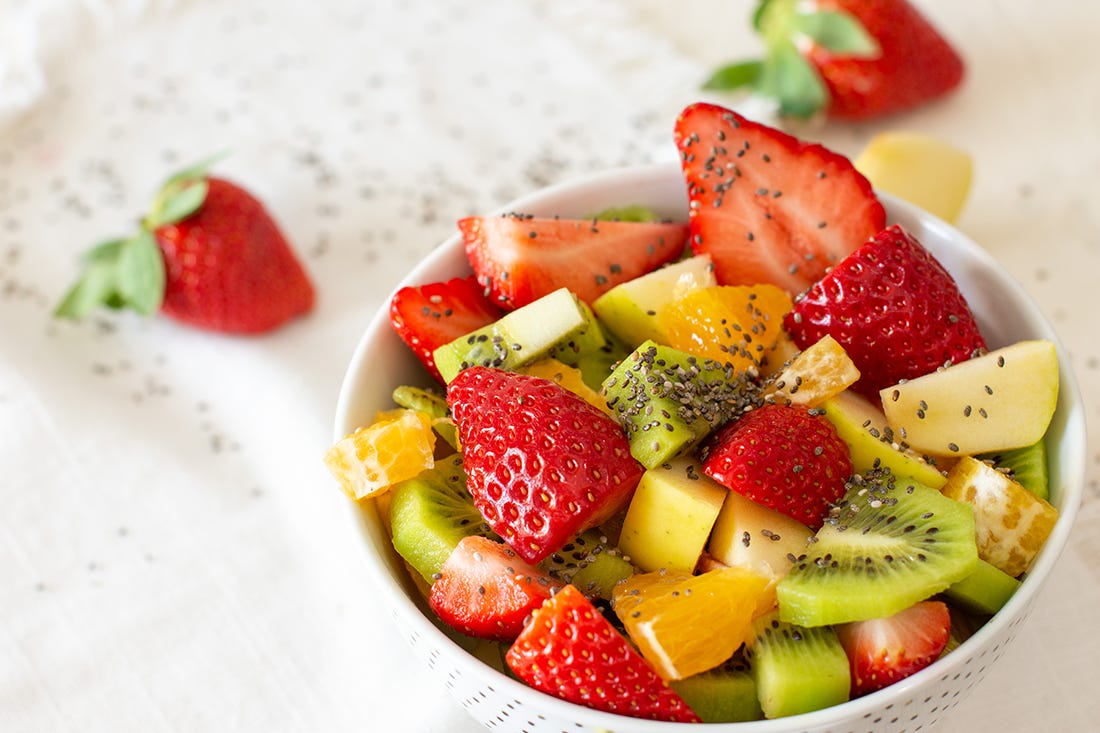
Vitamin C (ascorbic acid) is an essential nutrient that is critical for immune function, collagen production, and acts as a powerful antioxidant to help protect cells from oxidative stress. Vitamin C doesn’t become collagen, but rather acts as an essential cofactor that helps your body produce and stabilize collagen.
In this post you will learn more about:
How vitamin C supports collagen
Good food sources of vitamin C
Meal and snack food pairings that can help boost collagen production
Plus a new recipe: Collagen-Supporting Frozen Berry Cups
WEIL Nutrition Corner™ VIPs have access to all of this content, upgrade today to see everything including the food pairings and new recipe!
How Does Vitamin C Support Collagen?
Collagen is a structural protein that supports skin firmness, elasticity, and overall integrity. To make collagen, your body needs certain amino acids (from protein), enzymes, and vitamin C, which is required for those enzymes to function properly.
Without enough vitamin C:
Collagen production slows
Skin may become less firm over time
Wound healing can be impaired
So while vitamin C doesn’t “turn into” collagen, it is critical for your body’s ability to build and maintain it.
What Foods Are Rich In Vitamin C?
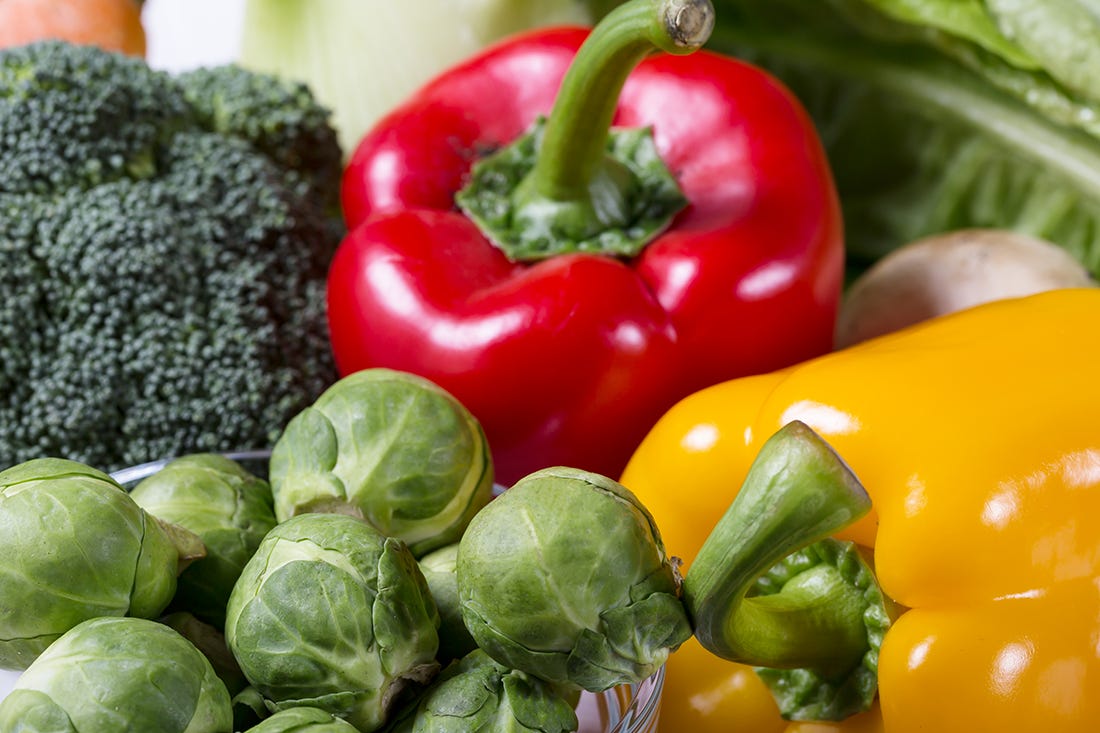
Incorporating a variety of whole foods can help support collagen production naturally:
Fruits
Citrus fruits (oranges, lemons, grapefruit)
Strawberries
Kiwi (especially high in vitamin C)
Papaya
Vegetables
Bell peppers (particularly red and yellow, which are very high in vitamin C)
Broccoli
Brussels sprouts
Tomatoes
Leafy greens (like kale and spinach)
Anti-Inflammatory Food Pairings for Better Collagen Support
For optimal collagen production, it helps to combine vitamin C with:
Protein sources like eggs, fish, and legumes - these provide amino acids, the building blocks of collagen
Zinc-rich foods such as nuts and seeds, which support skin repair
Antioxidant-rich foods like berries and green tea, which help protect collagen from breakdown
What Meal Combinations Can Help Boost Collagen?
The following combinations work because they include:
Vitamin C to support collagen production
Protein, which provides the building blocks
Healthy fats to support skin integrity and absorption
Zinc, which helps with repair and regeneration
The key is not just eating vitamin C alone, but pairing it with protein and a variety of whole foods. This helps your body better support collagen production while also promoting overall skin and metabolic health. Try these food combinations to improve collagen production.
Breakfast: Eggs + Sautéed Spinach + Citrus + Avocado
This balanced, nutrient-dense breakfast supports collagen production while keeping you full and energized.
Vitamin C: Orange or grapefruit segments (or a squeeze of lemon over spinach)
Healthy fats: Avocado
Zinc: Eggs (plus there are small amounts in spinach)
Protein: Eggs
Mid-Morning Snack: Apple + Almond Butter + Strawberries
When paired, these ingredients support collagen and overall health.
Vitamin C: Strawberries
Healthy fats: Almond butter
Zinc: Almond butter (nuts provide small amounts)
Protein: Almond butter
Lunch: Tofu Citrus Salad
Combining vitamin C-rich vegetables with plant-based protein supports collagen formation while also providing fiber and healthy fats for sustained energy. Try an extra virgin olive oil dressing from our VIP Salad Dressing Guide!
Vitamin C: Bell peppers, orange segments, tomatoes
Healthy fats: Olive oil (dressing)
Zinc: Tofu
Protein: Tofu (or chickpeas)
Mid-Afternoon Snack: Greek Yogurt + Kiwi + Chia Seeds
A simple, nutrient-dense option that supports both collagen production and gut health.
Vitamin C: Kiwi
Healthy fats: Chia seeds
Zinc: Greek yogurt (small amount) + chia seeds
Protein: Greek yogurt
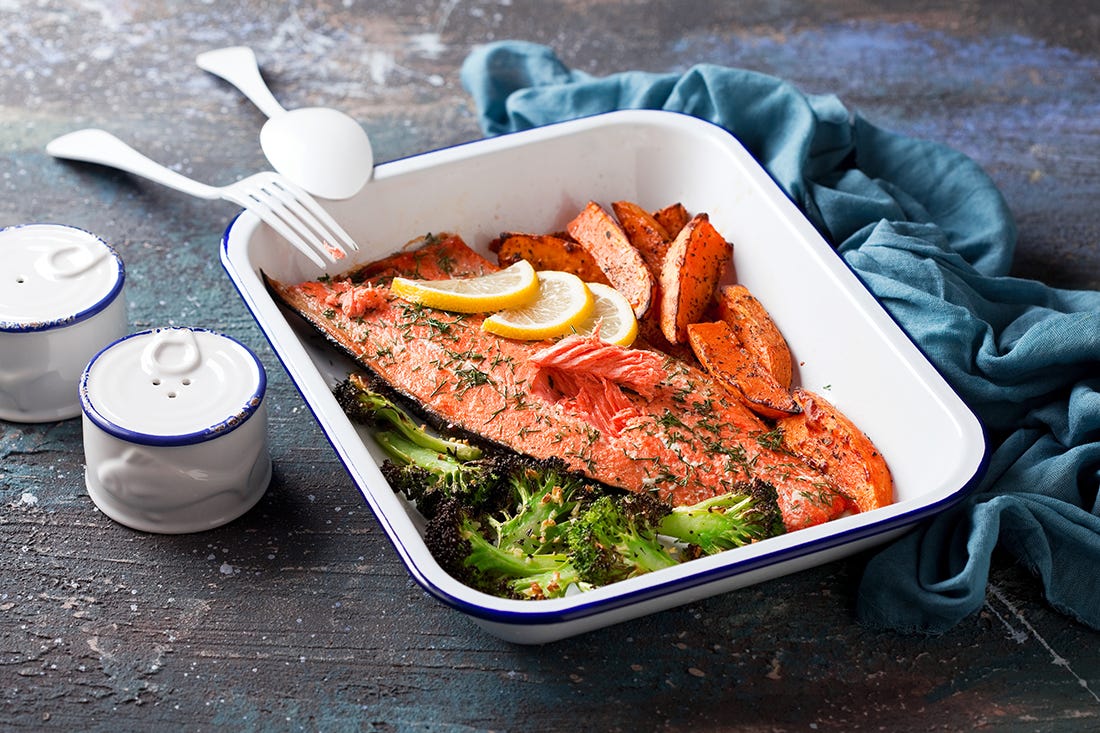
Dinner: Salmon (drizzled with EVOO) + Broccoli + Sweet Potato
This meal supports collagen production while also providing anti-inflammatory omega-3 fats, which may help protect existing collagen in the skin.
Vitamin C: Broccoli
Healthy fats: Salmon (omega-3s) + olive oil
Zinc: Salmon
Protein: Salmon
WEIL Nutrition Corner Takeaway: Vitamin C is essential for collagen production and skin health, but it works best as part of a balanced diet that includes protein and other supportive nutrients. Consistently eating vitamin C-rich foods can help support your body’s natural ability to maintain healthy, resilient skin over time.

New Recipe: Collagen-Supporting Berry Yogurt Freezer Cups
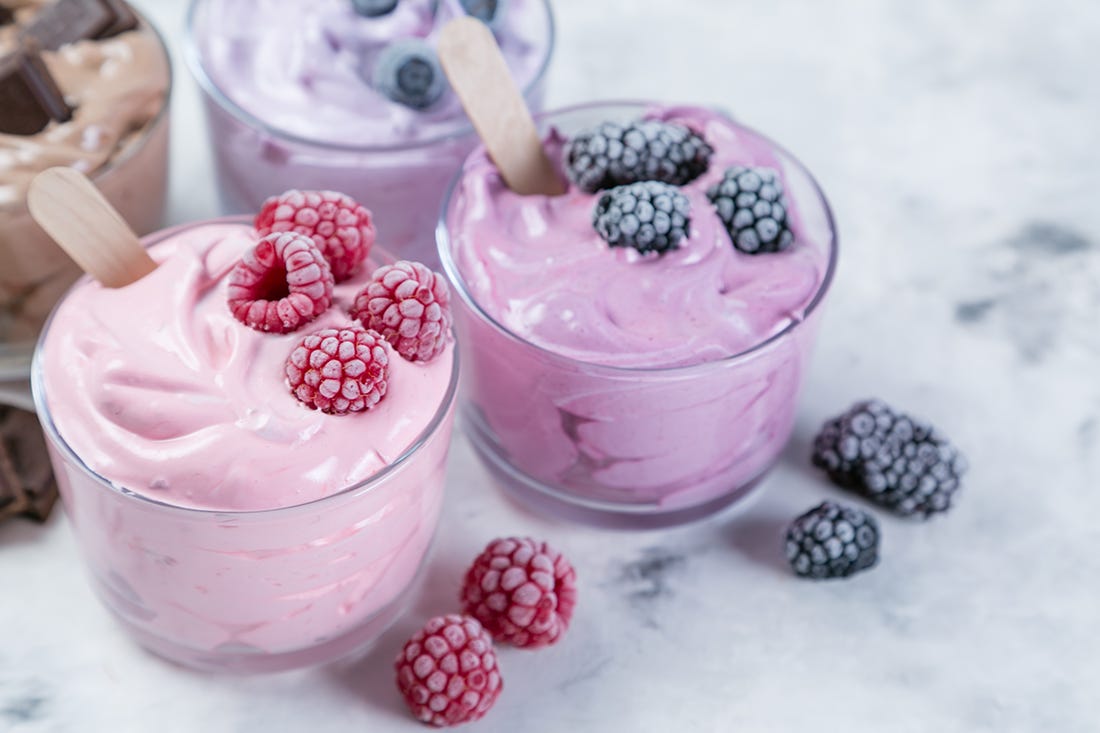
This cool, nourishing treat can help support skin health and overall wellness without relying on overly processed ingredients that many store-bought desserts contain.
Serves: 4
Ingredients
1 cup plain Greek yogurt (protein)
1 cup mixed berries (strawberries, blueberries, raspberries)
1 kiwi, peeled and chopped
2 tbsp almond butter
1-2 tbsp honey or maple syrup (optional)
½ tsp vanilla extract
Instructions
In a bowl, mix the Greek yogurt, almond butter, and honey/maple syrup until smooth.
Gently fold in the berries and chopped kiwi.
Spoon the mixture into small cups, ramekins, or a lined muffin tin.
Freeze for 2–3 hours, or until firm.Let it sit for a few minutes before eating for a creamy texture.
WEIL Nutrition Corner™ Food As Medicine: This dessert combines vitamin C-rich fruits (berries, kiwi) to support collagen production, protein from Greek yogurt to provide the building blocks for collagen, and healthy fats to support skin health and satiety.