


Inside Our Kitchens is an every Monday feature where you get a glimpse of what we have been doing and plan to do when it comes to cooking. Enjoy!

Some of my favorite childhood memories are of time spent in the kitchen with my dad. We always ate early, so by 4:00 pm, we'd start gathering ingredients—often heading out to the garden to pick fresh lettuce, peas, or herbs. When I was young, my tasks were more straightforward (and safer): washing lettuce, shredding cheese, setting the table, and, of course, doing the dishes. These are now the jobs I happily pass off to my husband when we cook together—I've graduated to head chef (at least in my house)!
Even now, as a wife and mother with a home of my own, cooking with my dad is still one of my favorite things. Our time together always begins the same way—talking about what we'll cook, swapping stories about new ingredients or kitchen tools, and reminiscing about past meals we've loved. Cooking together feels more like a partnership these days, but I still find myself deferring to my dad's expertise. There are things he just knows, like how to season by instinct or save a sauce that just isn't tasting quite right.

Cooking with another person requires a certain kind of cadence and compatibility. You have to move around each other, anticipate what the other needs, and sometimes just step back and let them do their thing. The kitchen has always been a place for my dad and me to laugh, experiment, and, most importantly, connect. Some of our best conversations have happened while chopping vegetables or waiting for water to boil.
The way we cooked and spent time in the kitchen together when I was young shaped my philosophy around health and nutrition. It was fundamental in teaching me that healthy food can be delicious and satisfying and that food is so much more than just nutrition—it's connection, love, and time spent together.
It was, and still is, very apparent how much joy my dad gets out of cooking and feeding people. It's truly one of his love languages and something he's very good at. I would choose dinner at his table over just about any restaurant in the world.

I am proud to say that I am now the same. I find so much joy in cooking for my family, sharing a new ingredient I've discovered with a friend, or just gathering around the kitchen table to swap stories after a long day.
But if you're coming over to our house for dinner, be warned—eating early runs in the family!
Welcome to our kitchen. I'm so glad you're here!
-Diana

Every Monday will feature content that is designed to inspire our paid subscribers’ inner chef. From meal prep and serving suggestions to kitchen staples and shopping tips, use the information - and recipes - to encourage new culinary adventures! All content for our launch week is available to everyone - enjoy!
Spring is the perfect season to begin cooking more for yourself and/or family and friends, as so much seasonal produce abounds (check out our Seasonal Food Chart, below). We love meal planning around what’s fresh and available, making meals more cost-effective as well.
If you are having trouble getting out of a cooking rut - or are a little scared to begin cooking more at home - using in-season foods is a wonderful starting point. Seasonal foods for April include strawberries, spinach, peas, asparagus, artichokes, radish and scallions. Here are some suggestions to help you begin to incorporate more seasonal foods into your diet:
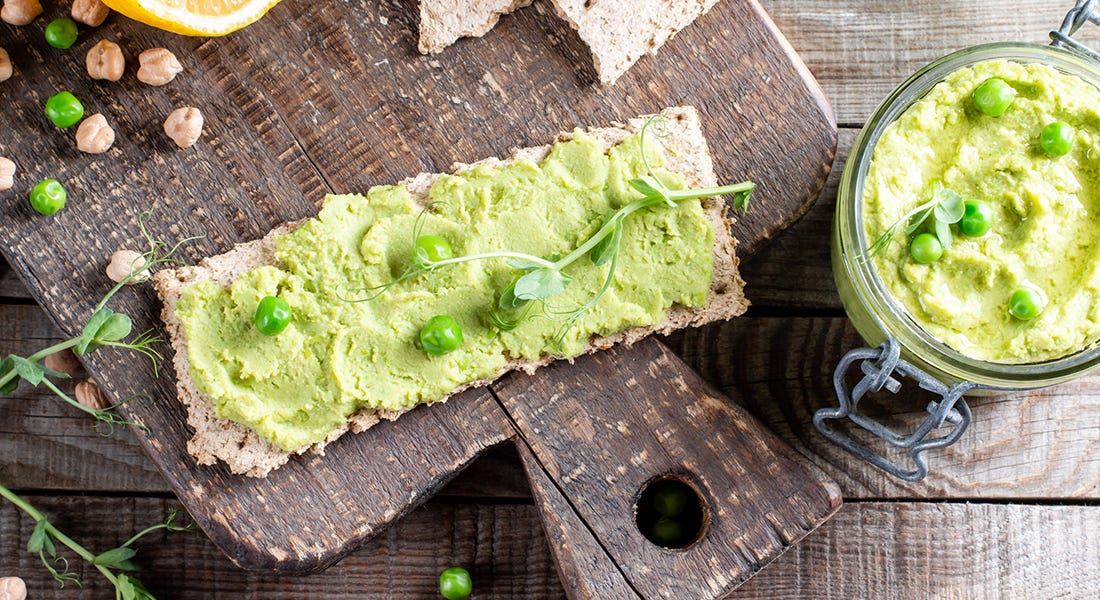
Seasonal snacks: Fresh peas are in season now, so why not make smashed pea spread? Blanch your peas, then mash with olive oil, lemon juice, salt, pepper and whatever fresh herbs you have on hand - mint, parsley or basil will work well. You can add cheese if you like, or a can of mild tasting beans… then spread on toast or crackers. A simple, completely satisfying seasonal snack that is easy to make and healthy.
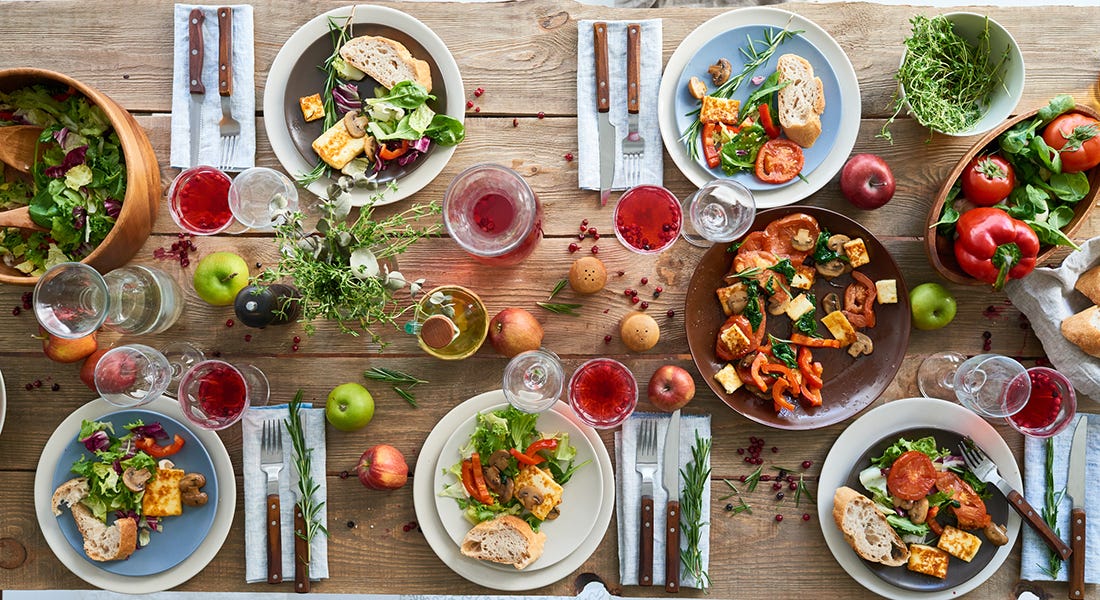
Host a seasonal food potluck. Hosting and cooking for others is a passion of ours, and a potluck can be the perfect way to share new recipes, flavors, and stories. Invite a few friends over for a casual potluck, with the only instruction being “bring a dish with an in-season food.”
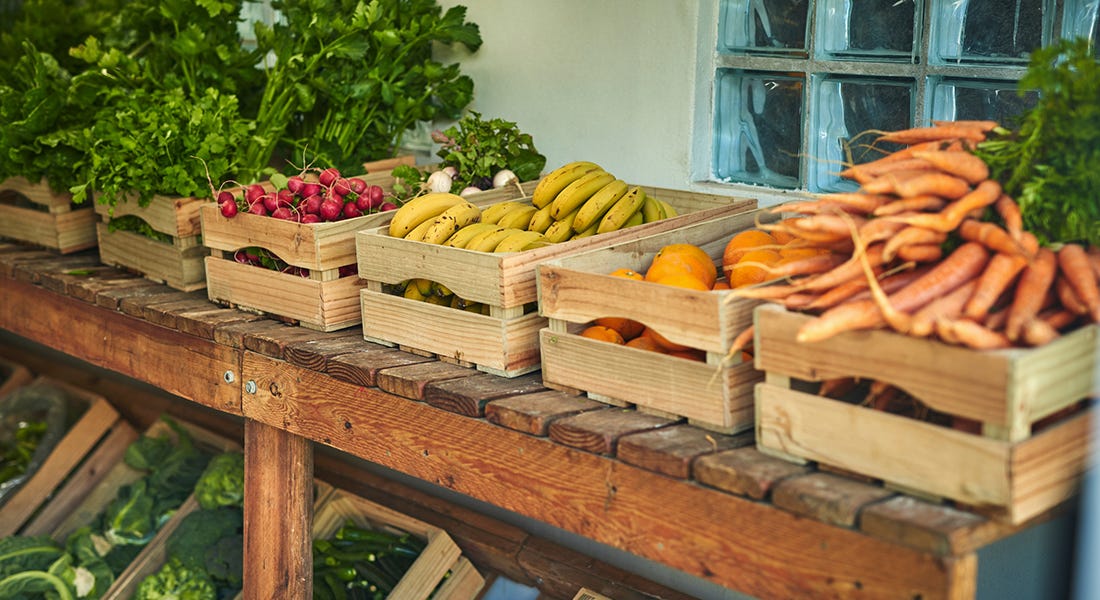
Visit your local farmer’s market. Every region has foods that thrive during specific months, and your local farmers are the best source. Look for foods that you are familiar with to start out, moving out of your comfort zone as you get more accustomed to cooking seasonally. And ask questions on how to use and store whatever you buy; your farmer should have plenty of insight!
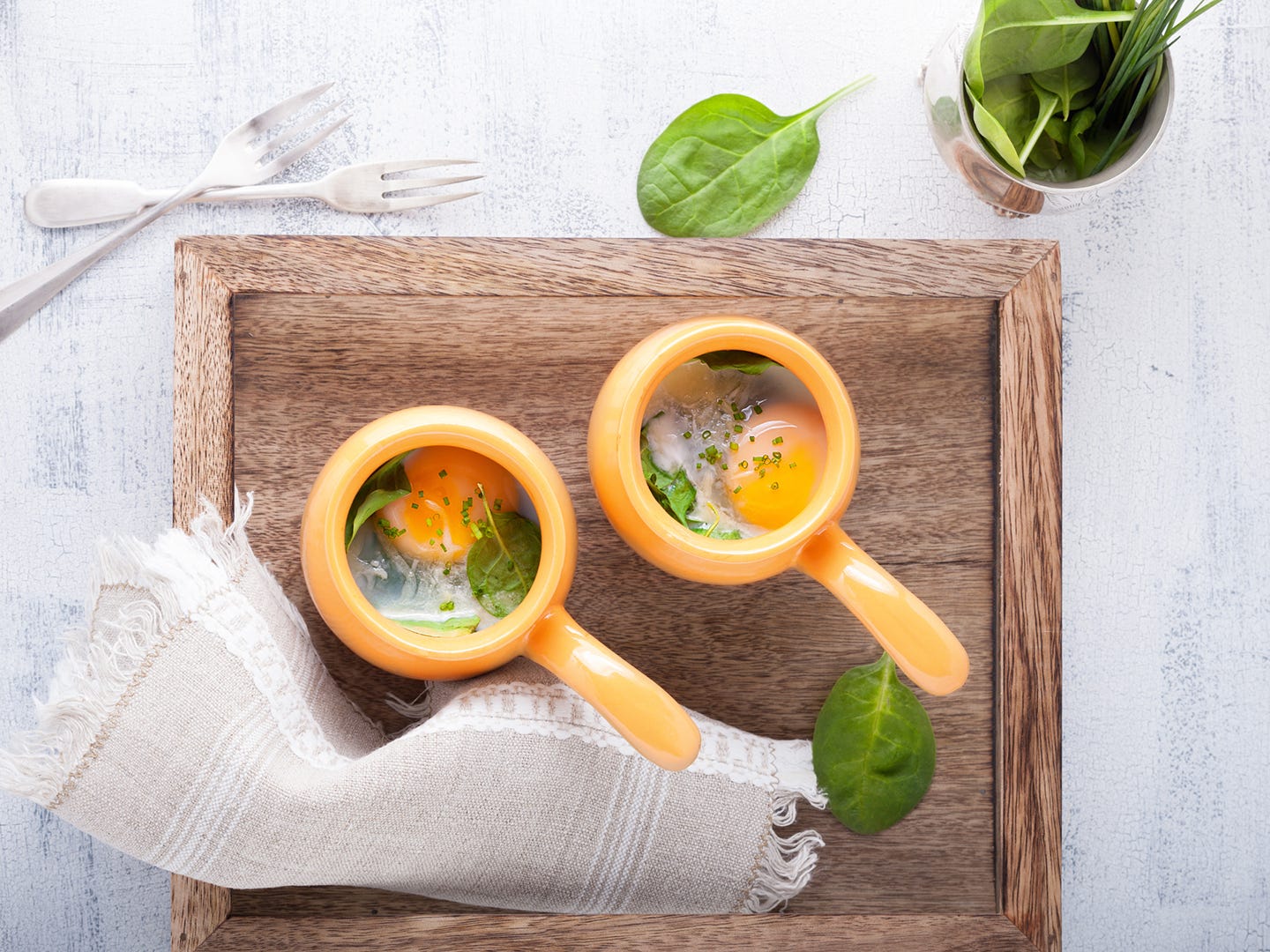
Try a seasonal recipe. “Easy Eggs in a Cup” is from Dr. Weil’s Fast Food, Good Food cookbook, and features fresh spinach. Perfect for a brunch, this serves 4.
Easy Eggs In A Cup

The first Monday of every month, paid subscribers will receive in-depth information of seasonal foods.
Our picks for April seasonal foods - enjoy!

Asparagus. A good source of vitamins K and C, potassium and folate, asparagus is a perennial with 20 edible varieties. A springtime favorite, asparagus is prized worldwide as a gourmet vegetable, yet it is easy to grow, fairly inexpensive to buy, and simple to cook. Green asparagus is the most common variety. White asparagus, which is grown underground to inhibit its development of chlorophyll content, has a more delicate flavor and texture, and purple asparagus is smaller than the green or white varieties, and has a fruitier flavor. Purple asparagus also provides benefits from phytonutrients called anthocyanins that give it its distinctive hue. When selecting asparagus, look for stems that are thin and firm, with closed tips that are deep green or purple in color.
This Friday we will feature a new recipe, Asparagus Green Bean Potato Salad - check your inbox later this week!
Tip: An easy way to determine where to cut the ends of asparagus stems is to hold one stalk and break it; wherever the break naturally occurs is your guideline for trimming the rest of the stalks.

Peas. A good source of vitamins K and C, manganese and fiber, fresh green peas are naturally sweet and a delicious addition to any spring meal. There are three popular pea types: green or garden peas, which have inedible pods; the flatter snow pea, popular in Asian cooking; and snap peas, a cross between the green pea and the snow pea. Both snap and snow peas have edible pods. Snow and garden peas are available in early spring, and look for snap peas later in the season. No matter which variety you choose, buy them as fresh as possible. Although you can store them in the refrigerator for several days, they are best enjoyed by eating them the same day.
Tip: Fresh peas can instantly brighten and sweeten spring salads, casseroles and stir-fries, and snow and snap peas are a healthy, portable snack.

Spinach. This bright green vegetable is a veritable powerhouse of nutrients, and one that we both recommend you have on hand in your kitchen. Spinach contains lutein and zeaxanthin, antioxidant carotenoids that may help prevent cataracts and macular degeneration. Is it also a tasty source of calcium and folate; and provides a generous amount of vitamins K, A, and manganese. There are three common varieties including the "flat leaf" variety; the savoy, which has curled leaves; and baby spinach, which is similar to flat leaf but smaller and generally sweeter. Spinach is a versatile vegetable that can be served raw as a salad, lightly steamed as a side dish, pureed as soup, or added to pastas, casseroles, omelettes and more. When cooked, its slightly bitter taste lends itself well to a variety of seasonings, and when raw, the slightly sweeter taste is a perfect complement to dressings and fruit. Always seek out organically grown spinach, as pesticides are commonly used on conventionally grown varieties.
Tip: Always wash spinach well, even if the package says "pre-washed." The stems and leaves of spinach tend to pick up sand and dirt. A good rule of thumb to follow is three thorough rinsings.

Strawberries. An excellent source of vitamin C and fiber, strawberries are full of antioxidants that can help promote heart health, and protect against cancer and inflammatory diseases (they are listed as one of the top 20 antioxidant sources by the Journal of Agricultural and Food Chemistry). Strawberries can be used in everything from baked goods and smoothies to toppings for salads and cereals, and are sweet enough to be eaten on their own. Because pesticides are commonly used on conventionally grown varieties, you should use organically grown strawberries whenever possible. For the best taste and texture, eat fresh organic strawberries when they are at their peak - April through July.
Tip: Don't wash strawberries until right before eating or adding them to prepared dishes, as they are very perishable. And don't remove the stems until after you wash them, to prevent water absorption which can affect the texture and flavor.
All content in our launch week will be free; to continue to receive all our tips, insight, new recipes and more - including access to the comments and archives - upgrade to paid!

Our take on “How Much Protein You Really Need”
The benefits of mushrooms
A new Friday recipe
Our must-have kitchen tools
A brunch primer
Diana’s road to becoming a vegetarian
An easy, healthy snack for kids
And more…