



Happy Wednesday! Today, we are taking a look at a growing meat allergy referred to as “Alpha-gal Syndrome.” Learn more about the tick that causes this syndrome, along with our thoughts.
Plus, Diana gives us a rundown on boosting the gut microbiome after having a c-section (for baby and mama). Check it out over in the Nourished Mama Collective to join in the conversation around c-sections.
We want to know: Have you heard of the tick that makes you allergic to meat? Share in the comments.
(P.S. Become a paid subscriber to join the full conversation.)


C-Section and Gut Health

I ended up having a semi-emergency c-section with Elio, and while, of course, the most important thing was that we were both safe, one of the things I mourned when I was told that was our only option was his gut health. One of the reasons I needed a C-section was because I developed a uterine infection, which meant more medications and antibiotics during and after birth. So I also had to think about my gut health and how to restore it.
Research shows that babies born via C-section have different microbiomes than babies born vaginally. This is because they receive fewer beneficial bacteria from the birth canal and from immediate skin-to-skin contact. These early gut differences can still be seen months and, in some studies, even years later. There’s a lot we don’t know about the gut microbiome or what this means long-term. But we do know that having a healthy and diverse gut microbiome plays a role in immune development, allergy risk, digestion, and potentially even metabolic health.
One strategy for boosting the gut microbiome post-C-section is “vaginal seeding.” Gauze from the birth canal is swabbed onto the baby after delivery to help seed the microbiome. Because I had an active infection, this wasn’t safe or recommended in our case. So when we left the hospital, I focused on supporting both of our microbiomes in other ways. I took a probiotic for a few weeks post-birth to help replenish some of what antibiotics reduce. Probiotics can be tricky, as most of the good bacteria don’t survive the digestive tract intact. However, after antibiotics or surgery, probiotics are still recommended to help restore gut balance.
I also gave Elio a probiotic for the first few months of life. Some bacterial strains thought to be especially important for c-section babies can be harder to find and may be more expensive. Still, they may be worth considering if accessible.
Now that he’s a year and a half, I focus mostly on the foundation of his gut health with lots of high-fiber foods, fruits and vegetables, fermented foods, and minimizing processed and high-sugar foods. These are the foods that help beneficial gut bacteria thrive naturally, regardless of birth.
It’s still something I think about, but I also remind myself that the microbiome is dynamic and adaptable. We’re learning more every year, and there are so many ways to support gut health beyond birth alone.

Alpha-gal Syndrome
Dr. Weil's Take:
Alpha-gal syndrome is an allergy to mammalian protein that can develop after a bite from the lone star tick (Amblyomma americanum). When I first heard of this phenomenon some years ago, I had never encountered anything like it. Since then, I’ve personally known two people who developed the allergy. What was once considered quite rare is now being diagnosed more frequently, and its spread appears to be linked in part to the expanding range of this tick - likely influenced by changes in climate and wildlife habitats.
The lone star tick introduces a carbohydrate called alpha-gal into the bloodstream when it bites. Humans don’t produce this molecule, but it is present in beef, pork, lamb, and other red meats as well as dairy products and gelatin. For reasons we don’t entirely understand, some individuals develop antibodies against alpha-gal, leading to delayed allergic reactions - often hours after eating meat. This can make the connection surprisingly difficult to recognize. Symptoms can range from hives and digestive upset to life-threatening anaphylaxis.
It is a very strange allergy, one that challenges many assumptions about how food allergies develop. Ticks carry a number of diseases, so you want to avoid them as best you can. In some sense, though, animals must be rejoicing in this allergy.
If you have or develop alpha-gal syndrome, poultry and fish remain safe options, and some people improve over time if they avoid new tick bites.
Diana’s Take:
This wasn’t something I had heard about until quite recently, and I find it very strange and concerning. The idea that a single tick bite could make your body suddenly react to meat, something you may have eaten your entire life without issue, feels almost unbelievable. But it’s happening, and I think we’re going to start seeing this more and more, especially as the lone star tick becomes more common in areas previously unseen. I’m interested to see how the medical community adapts to this as it, very likely, becomes more common. It’s also unnerving to think about what other odd allergies may come about in the future as a result of ticks or insects.
If you do develop alpha-gal syndrome, you do still have plenty of protein options, but you will need to adapt. Safe choices include:
Poultry (chicken, turkey)
Fish and shellfish
Eggs
Plant-based proteins like tofu, tempeh, edamame, lentils, beans, chickpeas
Nuts and seeds
Pea protein, hemp protein, and most plant-based protein powders
Alpha-gal Syndrome: What To Know
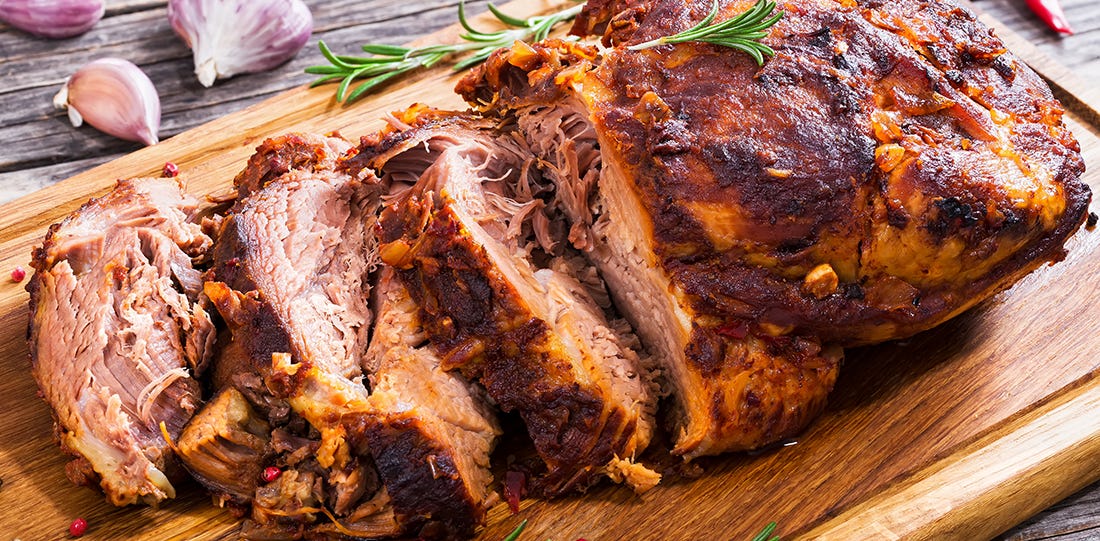
The connection between the Lone Star Tick and meat allergies is called Alpha‑gal syndrome (AGS).
The condition is an allergy to a sugar molecule called galactose-α-1,3-galactose (alpha-gal), found in most mammals (e.g., cattle, pigs, sheep). In the U.S., the Lone Star tick (Amblyomma americanum) is the main species linked with causing AGS.
It happens when the tick bites a person, transferring alpha-gal into their bloodstream. The immune system becomes sensitized and reacts later when the person eats mammalian meat that contains alpha-gal.
What to Be Aware Of
There is a delayed reaction. Unlike most food allergies (which occur within minutes), AGS reactions often appear 2–6 hours after eating red meat or other mammal-derived foods - or even longer.
There is a range of triggers. The allergy isn’t just to beef or pork; it can include lamb, venison, gelatin, and even dairy products in some cases.
Symptoms can vary. Reactions can be mild (such as hives or stomach upset) or severe, such as full-blown anaphylaxis (a life-threatening reaction).
There is a growing prevalence. Cases are being reported in more areas, and the disease may be under-recognized by many healthcare providers.
What You Can Do
Prevention: Avoid tick bites, especially in areas where Lone Star ticks are prevalent (wooded, brushy regions, tall grass). Use insect repellent, wear long sleeves and pants, and check for ticks after being outdoors.
If you suspect AGS: Talk to an allergist. They may recommend a blood test for alpha-gal antibodies. Describe your symptoms, especially if you had delayed reactions after eating meat and possible tick exposure.
Dietary changes: Avoid mammalian meats (beef, pork, lamb, venison). Some people also avoid dairy or certain derivatives until cleared by a specialist. Non-mammalian proteins (e.g., fish and chicken) are often safe.

Our Thanksgiving memories (and fave desserts!)
Functional drinks: Worth the price?
Storing leftovers
Sweet potato recipes
I was bitten back in 1998 and started having reactions to eating pork. Digestive issues and hives. Plus my BP would drop and I would pass out.
Went to doctors and allergist back then but no help. Didn’t know what to do other than I figured it was food related so I would one by one almenate foods I ate. I thought it was processed meat, mainly pork. After 5 years reactions lessen. Slowly got better but I was starting to have other issues with digestion. Ending up having to give up dairy. I wasn’t diagnosed until 2021. I still avoid beef and pork, or products made with them and dairy. Being unable to know what it was the years sure messed up my gut. Had years of pain and discomfort. Now that it’s known I’ve been working with a nutritionist to help with my digestion. So much better now
I very recently read about this reaction, but was not aware it had been around as early as the 1990's. Glad you are doing better now, Kathleen and that Elle's reaction was less pronounced. I am guessing I haven't heard much about this because I live in Ohio - just wondering where Kathleen and Elle are located.