



Happy Monday! Today, we are covering energy, and how what you eat has a direct correlation with your energy levels. Along with regular exercise and quality rest and sleep, nutrition is one of the most important ways to maintain consistent energy levels. Read on for what we eat to keep our energy up, and suggestions for what to eat during each decade (including quick meal tips!)
We also have our first grocery store meal hack column! You all told us that you want easy meals that are healthy and delicious… so we’ve got you covered, with five meals you can make with items from Trader Joe's. (And if you aren’t near a Trader Joe's, you can easily find similar items at your local grocery store!). The first recipe is free to all, but upgrade to VIP to see the rest of them!
Plus, we’re sharing a how-to video - see how to Julienne Carrots!
We want to know: How do you handle weeknight meals? Do you go for quick and easy recipes, meal prep, or make something more elaborate? Share in the comments!
(P.S. Become a paid subscriber to join the full conversation.)


Eating For Energy Throughout Your Life
Eating to promote energy is vital at every stage of life, and simple habits can make a big difference in the way you feel. Read on for the foods we eat for energy, plus a guide to eating for energy in each decade of your life.
What We Eat For Energy
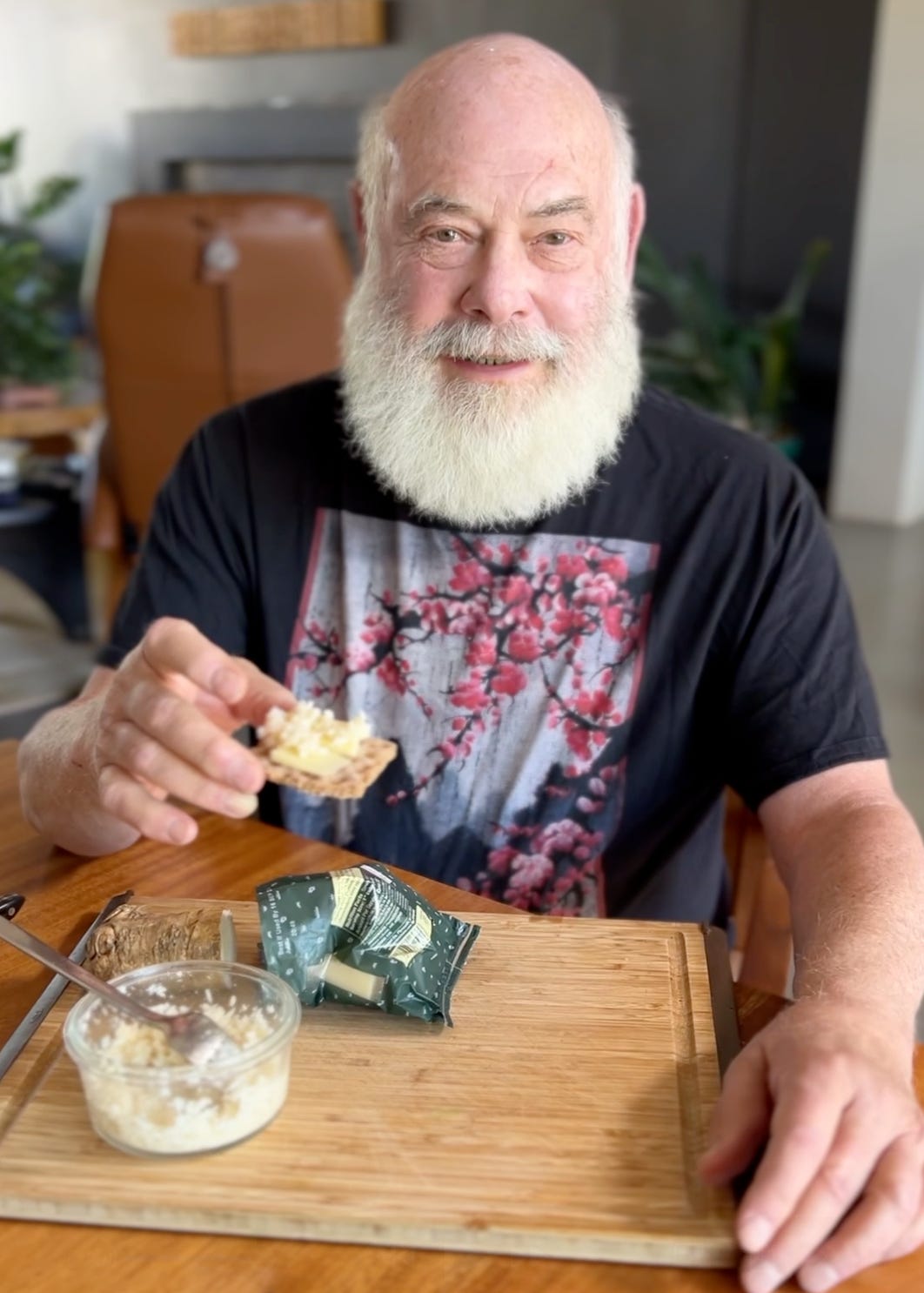
Dr. Weil:
When it comes to eating for energy, I’ve always preferred to keep things simple. I don’t like eating heavy meals, as they tend to make me feel sluggish. Instead, I lean toward smaller portions and light snacks that give me steady energy without weighing me down.
For me, a good snack might be a slice of high-quality cheese, fresh horseradish on a cracker, or hummus with veggies. I always keep roasted cashews and almonds on hand (I store them in the freezer to keep them fresh). They’re a good source of healthy fats and protein, and I find them very satisfying.
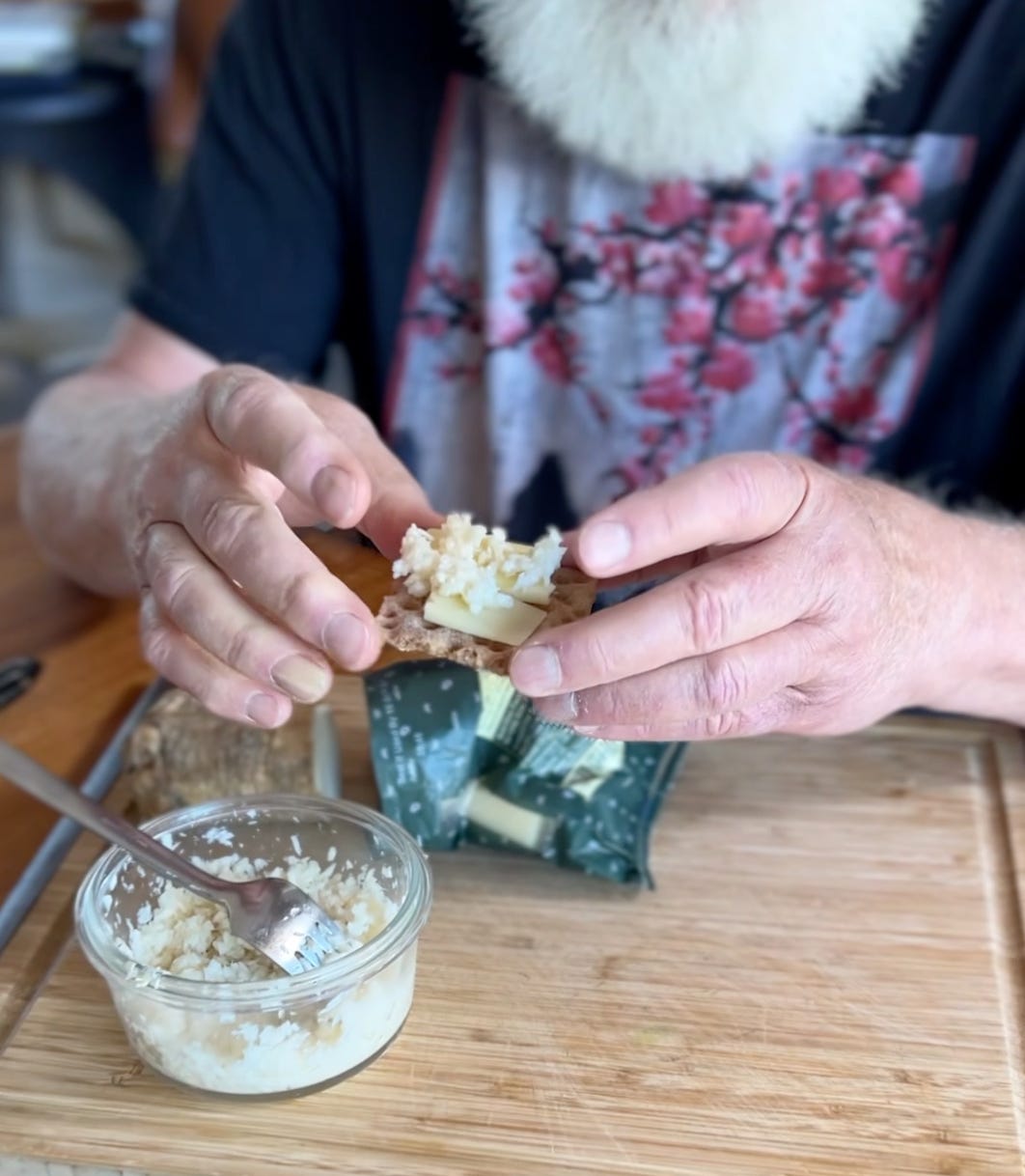
These foods are nourishing, easy to digest, and keep my blood sugar stable. I drink plenty of water and, of course, matcha green tea, which provides a calm, focused kind of energy.
The important thing is to choose whole, minimally processed foods. Energy doesn’t need to come from anything complicated. Simple, natural foods, eaten in moderate portions, can fuel the body and support consistent energy throughout the day.
Diana:

Food, at its most basic, is energy. Calories are energy! So when it comes to feeling energized, the most important thing you can do is to actually eat. And I don’t say this to be glib. While it might seem so simple, I’ve worked with so many people (especially women) who complain about an energy crash in the afternoon. When I look at what they’re eating for breakfast and lunch, it’s easy to see why. We need food to function! I like to say that your meals should be filling and satisfying enough that you shouldn’t need to eat again for another 3–4 hours.
For specific foods I eat for energy, it depends on my goals. If I need something before a tough workout or hike, I opt for something easy to digest (meaning little fiber) that offers quick energy. That could be a banana with peanut butter, yogurt with granola, avocado toast with cottage cheese, or an apple. If I’m eating before a workout, I try to keep my portions small. These are also the kinds of snacks I lean on if I’ve had a rough night with my son! I find that these quick bites help me wake up and provide a short burst of energy.
For longer, sustained energy, I focus on fiber-rich meals with plenty of healthy fats and protein. For breakfast, this might be a scrambled tofu burrito with black beans, avocado, and salsa. For lunch, maybe a caprese open-faced sandwich with an arugula salad. For dinner, a sheet pan with roasted halloumi, white beans, and tomatoes.
At the end of the day, the real key to steady, long-lasting energy isn’t any one food- it’s your overall diet and pattern. Eating enough throughout the day, balancing protein, fats, and complex carbohydrates, and choosing meals that truly satisfy you will keep your blood sugar steady and your energy levels consistent. No one food or snack can replace that foundation.
Eating For Energy Throughout The Decades
As we age and evolve, our nutrient needs can shift - but the core principles of a balanced, anti-inflammatory way of eating stay the same. Use the information below for examples of how you can support your health during different stages of your life, and use the Trader Joe’s recipe hacks for an easy way to add some of these foods into your diet - simply and efficiently!
And if you know of someone in any of these age groups who could benefit from this information, we’d be so grateful if you sent them this email!
Eating for Energy in Your 30s
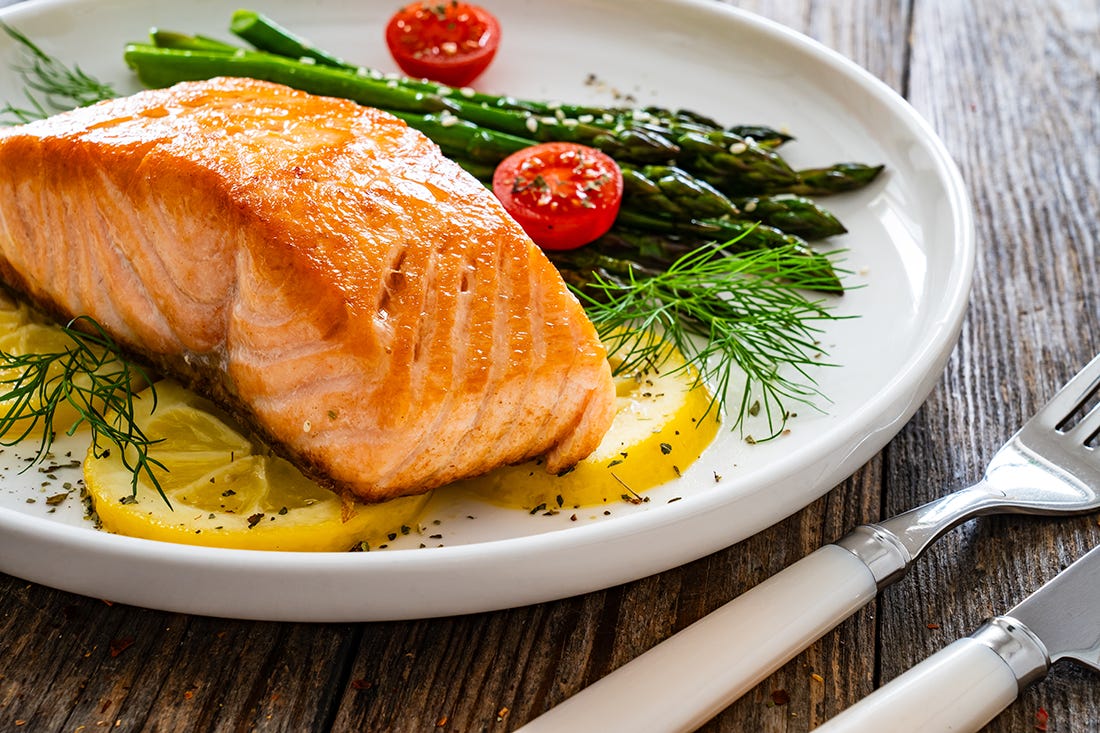
The focus in this decade is to keep your bones healthy and strong, steady your blood sugar, and build resilience against stress. If you are pregnant or trying to get pregnant, join the Nourished Mama Collective for more insight into foods and nutrients you need during this time!
Key Foods:
Leafy greens (magnesium for energy and stress regulation)
Salmon or walnuts (omega-3s for mood and focus)
Lentils and beans (iron + protein to prevent fatigue)
Whole grains like quinoa (complex carbs for steady energy)
Quick Recipe Idea: Build a Quinoa Power Bowl: Quinoa topped with lentils or salmon, arugula, avocado, and dressing of your choice.
Eating for Energy in Your 40s
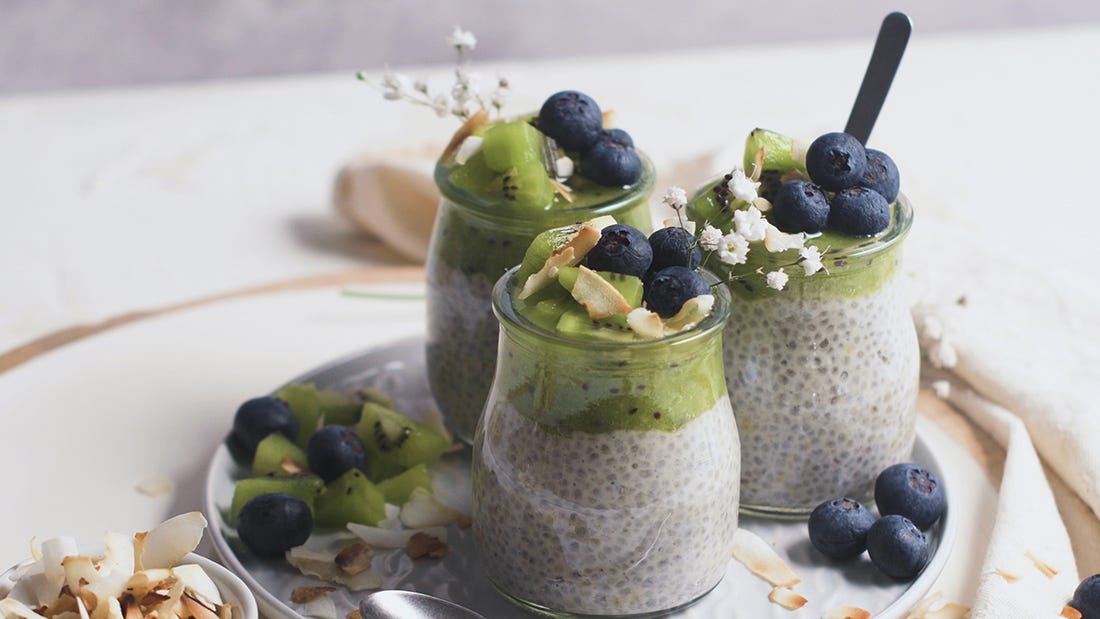
Metabolism support and prevention of midlife fatigue should be a priority in your 40s. These foods can help!
Key Foods:
Berries (antioxidants for inflammation and brain health)
Eggs (choline for brain and cell energy)
Pumpkin seeds (zinc and magnesium for metabolism and sleep quality)
Sweet potatoes (slow-digesting carbs for sustained fuel)
Quick Recipe Idea: Berry Chia Pudding: Combine almond or oat milk, chia seeds, vanilla, and berries in a jar and soak overnight for a grab-and-go breakfast.
Eating for Energy in Your 50s
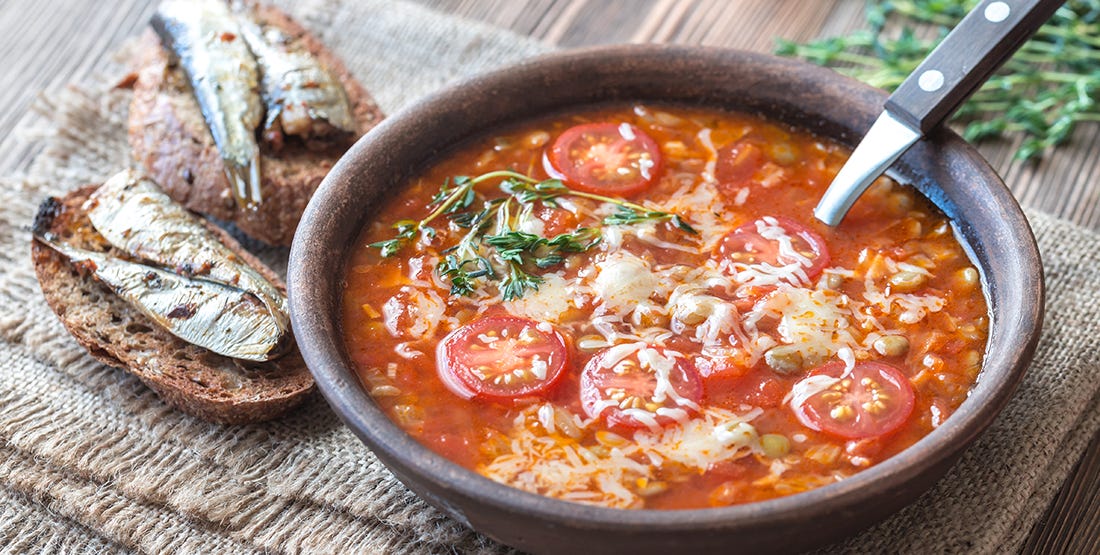
Your heart health, digestion, and preserving lean muscle are key in your 50s.
Key Foods:
Oats (soluble fiber for gut health, cholesterol, and blood sugar)
Dark leafy greens (calcium and magnesium for bone and muscle function)
Legumes (fiber and plant-based protein for gut health, satiety, and steady energy)
Olive oil (anti-inflammatory fats for heart and brain health)
Quick Recipe Idea: Lentil Soup: Lentils, onion, carrots, zucchini, garlic, turmeric, and olive oil simmered in vegetable broth is hearty, satisfying, and gut-healthy.
Eating for Energy in Your 60s
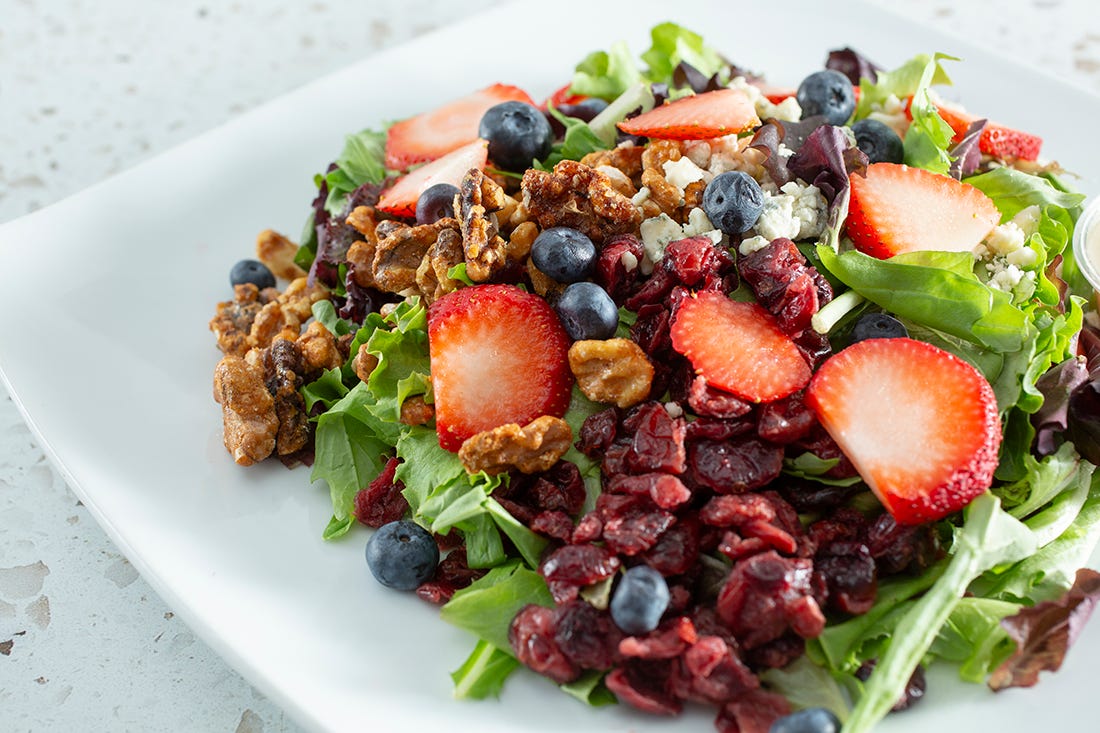
Maintaining healthy brain and joint function, while keeping your blood sugar steady, is crucial during your 60s.
Key Foods:
Sardines or salmon (DHA for memory and joint support)
Broccoli and Brussels sprouts (cruciferous veggies with antioxidants)
Walnuts and flaxseeds (omega-3s for inflammation control)
Barley or farro (fiber-rich whole grains to steady energy)
Quick Recipe Idea: Walnut and Berry Salad: A combination of mixed greens, walnuts, blueberries, cucumber, olive oil, and lemon vinaigrette makes for a brain-healthy meal.
Eating for Energy in Your 70s, 80s, and Beyond
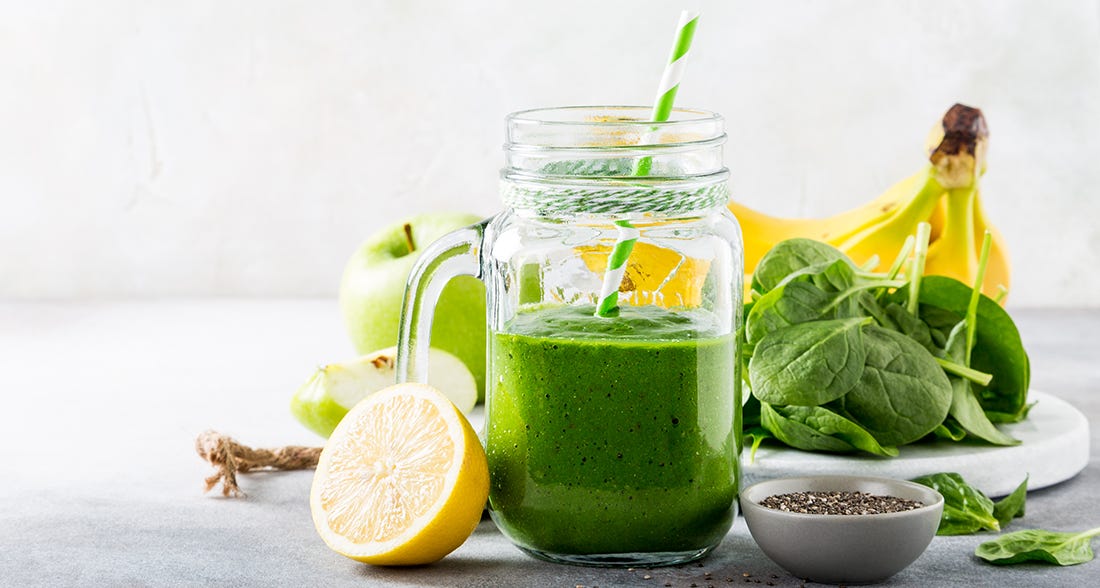
During your 70s, 80s, and beyond, ensuring your digestive system runs smoothly is key, as well as prioritizing hydration and nutrient-dense foods in smaller portions, since appetite tends to wane.
Key Foods:
Smoothies (easy-to-digest blends of greens, fruit, flax, and protein)
Steamed or roasted vegetables (gentle on digestion, rich in micronutrients)
Bone broth (minerals and protein for strength and recovery)
Avocados (healthy fats and potassium for energy and hydration)
Quick Recipe Idea: Green Energy Smoothie – Spinach, banana, avocado, almond milk, and flaxseeds blended smooth for a nutrient-dense meal that hydrates and nourishes.
Weil Nutrition Corner™ Takeaways:
Regardless of age, a balanced, healthy diet includes:
Meals that contain a combination of protein, fiber, healthy fats, and complex carbs.
Staying hydrated - even mild dehydration can sap energy.
Eating smaller, more balanced meals to avoid energy crashes.
Pairing iron-rich foods with vitamin C for better absorption and energy support.

Trader Joe’s Anti-Inflammatory Recipe Hacks
I joke that I can’t live more than 15 minutes from a Trader Joe’s. It’s my go-to grocery store! While I know some people dismiss it as a glorified snack shop, I think that overlooks the real gems you can find there. Reading labels is important, no matter where you shop, but Trader Joe’s offers plenty of quick options that are simple, straightforward, and healthy.
Here are five simple anti-inflammatory meal ideas you can easily make with Trader Joe’s items. Each one highlights whole, nutrient-dense ingredients that are anti-inflammatory. They’re quick and convenient, clocking in at less than 30 minutes. You can find similar items at your local grocery store if Trader Joe’s isn’t your jam. - Diana
As part of our One-year Anniversary Celebration, we are making this post free for a limited time. If you enjoy what you are reading, upgrade now and save 50% off your annual subscription! This is a limited-time offer, so join the WEIL Nutrition Corner™ VIPs to access:
Our entire recipe library - over 100 to choose from, with new recipes added weekly
All of our Guides, including our Fiber Guide, Salad Dressing Guide, Healthy Eating Guide and more
Our exclusive Challenges from the past and all the new ones coming up this year!
Plus all our other weekly content, live Q&As and more!
Energy-Boosting Salmon with Roasted Veggies and Quinoa
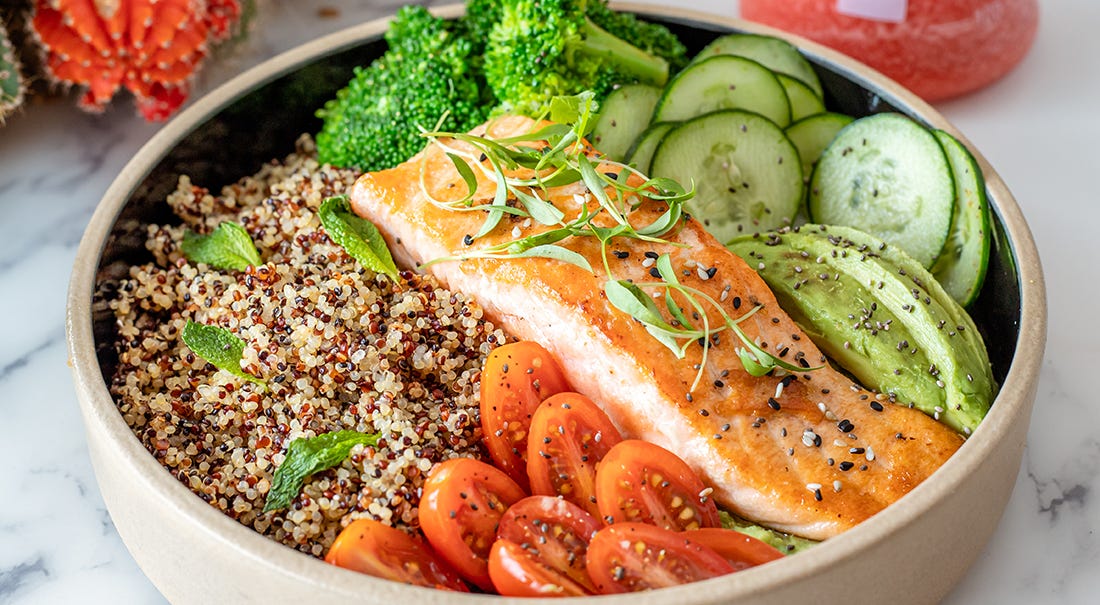
Trader Joe’s items: Frozen wild-caught salmon fillets or fresh wild-caught salmon, Everything But The Bagel seasoning, Bag of 10-minute Farro, Bag of Cruciferous Crunch (kale, Brussels sprouts, broccoli).
How to make: Roast salmon at 400°F with olive oil and seasoning. Stir-fry the Cruciferous Crunch with olive oil and garlic. Serve over farro. For extra flavor, cook your farro in vegetable broth.
Weil Nutrition Corner™ Food as Medicine: Salmon delivers omega-3s, the cruciferous greens add antioxidants and fiber, and farro provides fiber, making it ideal for steady energy.
Bone Healthy Mediterranean Chickpea Bowl
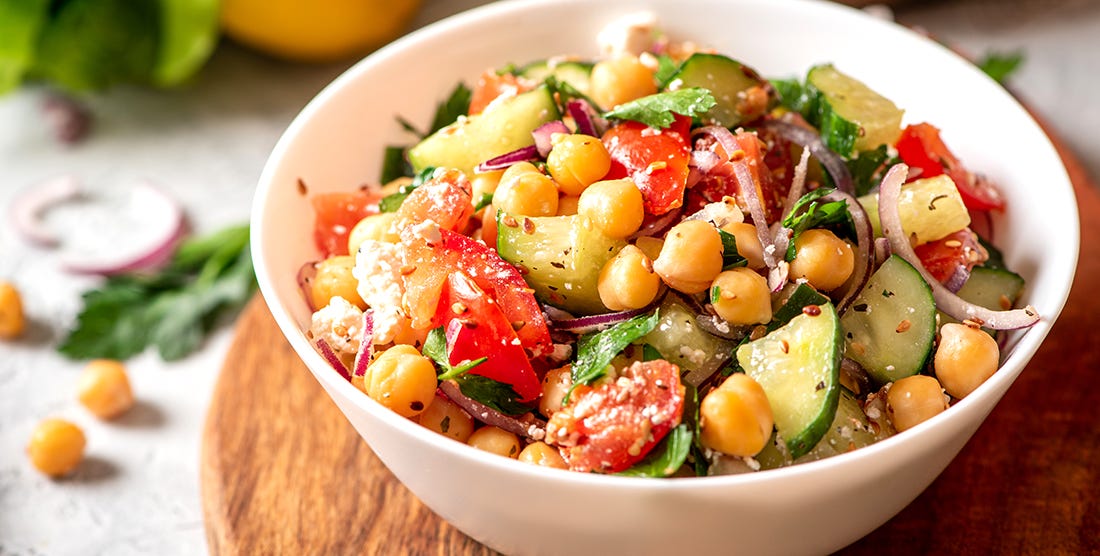
Trader Joe’s items: Canned chickpeas, Za’atar seasoning, Organic Arugula, Persian Cucumbers, Cherry Tomatoes, Tahini Sauce.
How to make: Toss chickpeas with olive oil and Za’atar seasoning, then roast until crispy. Layer over arugula with sliced cucumbers and chopped tomatoes. Drizzle with tahini sauce. If you want a heftier meal, add a grain like quinoa, farro, or brown rice!
Weil Nutrition Corner™ Food As Medicine: Chickpeas are a great source of fiber, which is beneficial for gut health, arugula is a good source of calcium and vitamin K for strong and healthy bones, and tahini offers up healthy fats and protein.
Fiber-Rich Cauliflower Gnocchi with Veggie Marinara
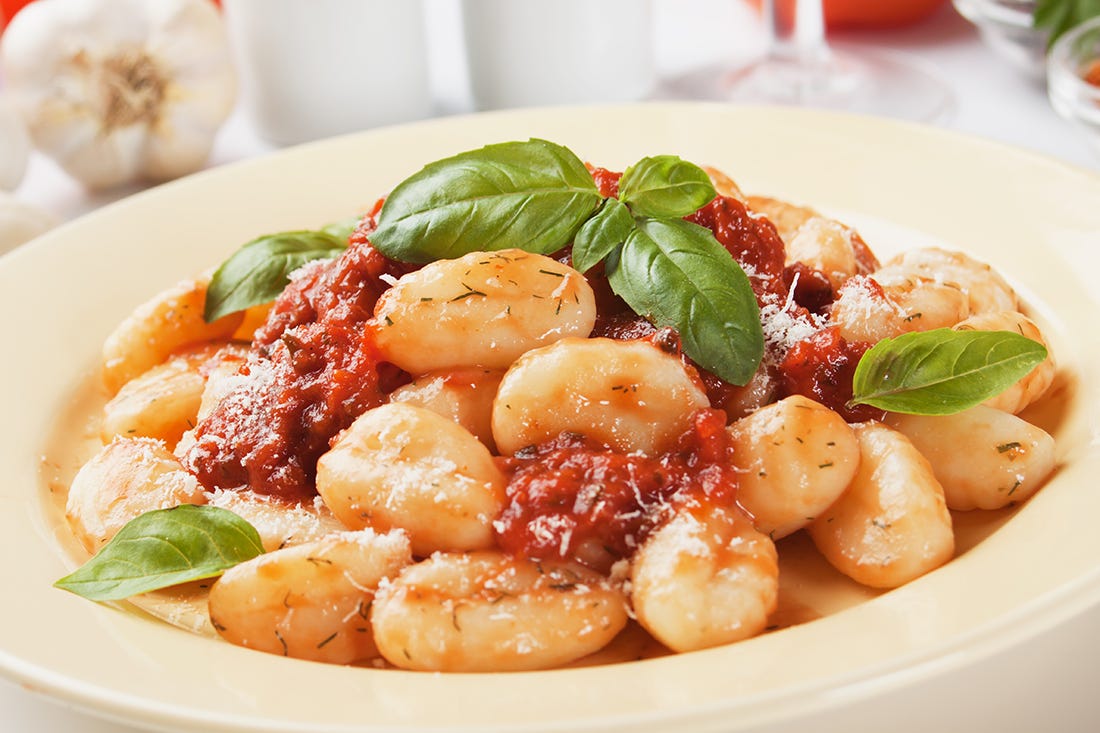
Trader Joe’s items: Cauliflower Gnocchi (in the freezer section), Organic Marinara Sauce, Fresh Spinach or Power Greens, Parmesan.
How to make: Sauté gnocchi in olive oil until crispy. Warm marinara sauce, stir in the greens and cook until wilted, toss everything together, and top with shredded parmesan.
Weil Nutrition Corner™ Food As Medicine: The Cauliflower Gnocchi contains fiber, which is needed for healthy digestion. Marina is an excellent source of vitamin C and lycopene, which help support immune function and collagen production, while providing anti-inflammatory effects. Spinach is an excellent source of vitamins A, C, K, and folate, as well as minerals like iron, magnesium, and potassium.
Antioxidant-Boosting Shrimp and Veggie Stir-Fry
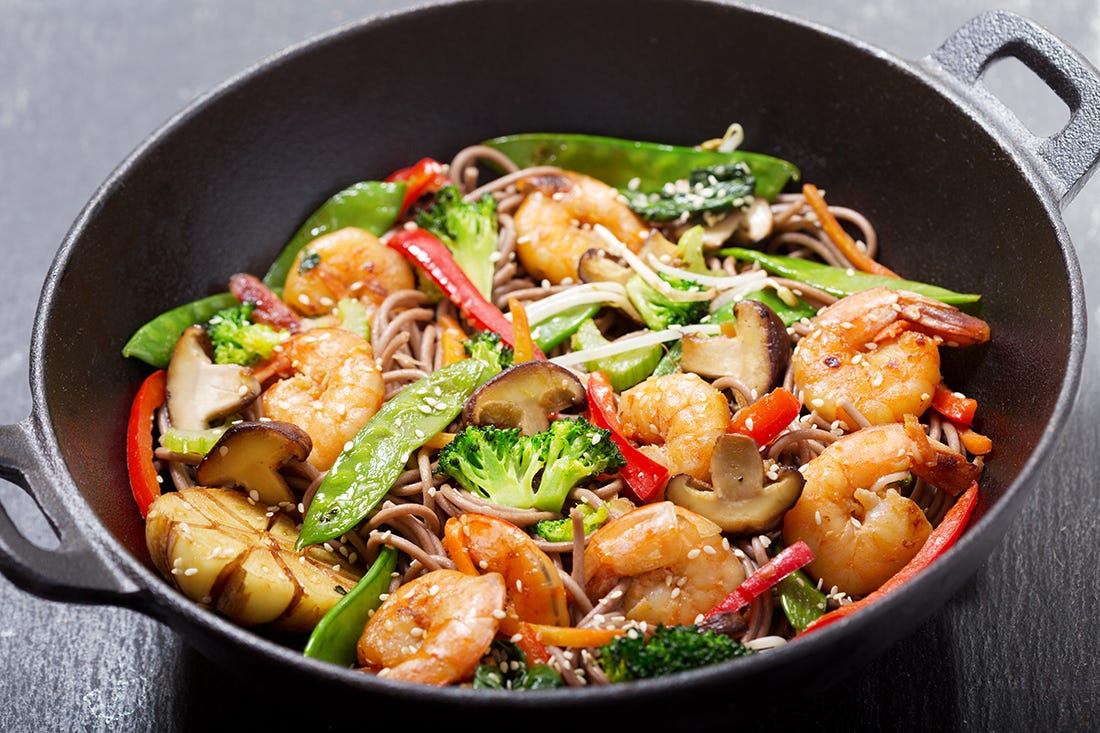
Trader Joe’s items: Frozen Raw Shrimp, Organic Brown Rice, Stir Fry Vegetables (frozen bag), Coconut Aminos.
How to make: Sauté shrimp with garlic in olive oil, then add stir-fry veggies and splash with coconut aminos. Serve over brown rice.
Weil Nutrition Corner™ Food As Medicine: Shrimp contains antioxidants, such as astaxanthin, which may help protect cells from damage caused by free radicals, while veggies offer up an array of phytonutrients and antioxidants. Brown rice contains more fiber than white rice, and coconut aminos is a lower-sodium, gluten-free option compared to soy sauce.
Vegetarian Sweet Potato and Black Bean Tacos
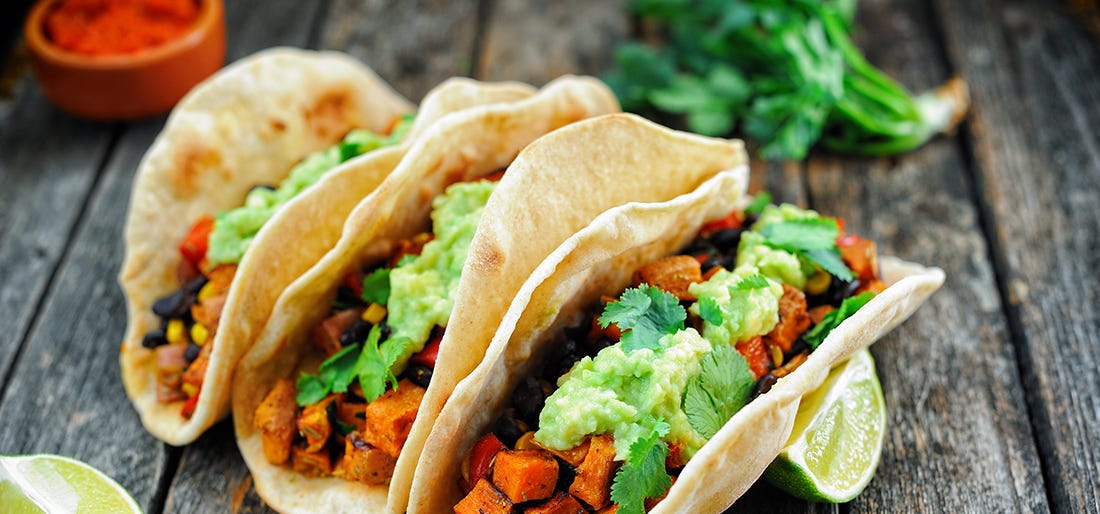
Trader Joe’s items: Frozen Roasted Sweet Potatoes, Canned Black Beans, Corn Tortillas, Avocado, Salsa Verde.
How to make: Warm sweet potatoes and black beans with cumin and chili powder. Fill corn tortillas, top with avocado and salsa verde.
Weil Nutrition Corner™ Food As Medicine: Fiber-rich beans and sweet potatoes balance blood sugar, while avocado and spices add anti-inflammatory fats and phytonutrients.

How To: Julienne Vegetables
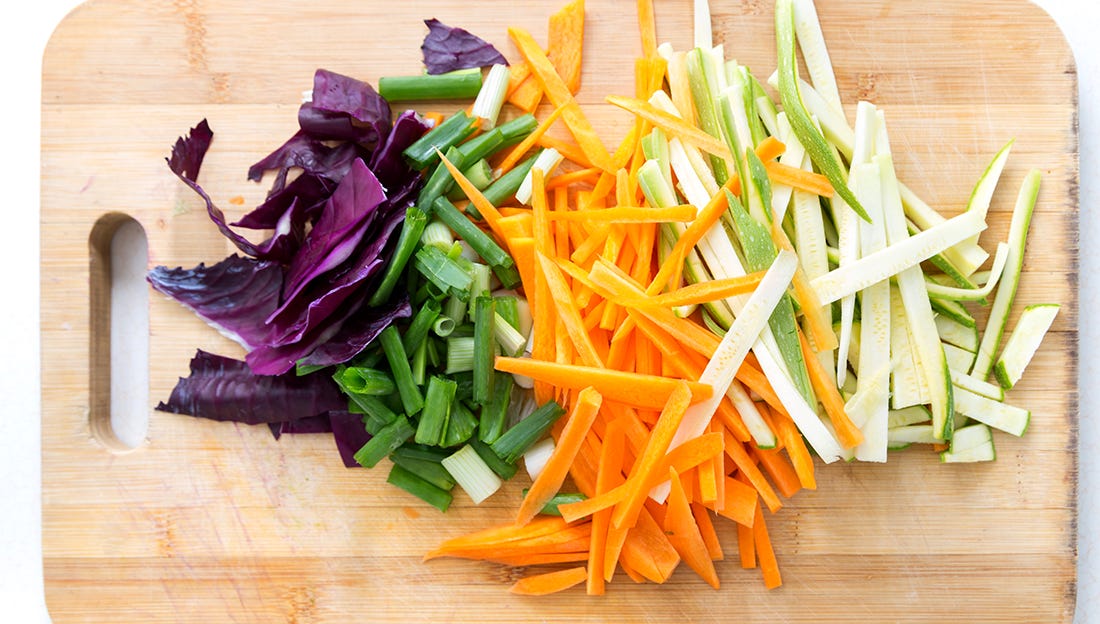
Julienned vegetables - veggies cut into thin, uniform matchstick shapes - are wonderful in stir-frys, salads, slaws, spring rolls, and side dishes. Learn how to create the uniform shape in our How To Julienne Carrots video!

Eating for muscle health
Is wine unhealthy?
Cayenne and metabolism
How to eat for healthy nails