



Happy Wednesday - today, we are taking a look at seasonal allergies, which affect an estimated 80 million people in the United States alone. While over-the-counter drugs and other traditional methods can help, this week, we’re sharing some other, more integrative suggestions.
Read on for the foods that may help reduce the severity of seasonal allergy symptoms, as well as additional recommendations to minimize allergies, and a helpful recipe to test out.
Share this post with anyone you know who may be interested in our anti-inflammatory In The News series!


Why Can Food Help With Allergies?

Seasonal allergies are driven by an overactive immune response to pollen, which triggers a histamine release, inflammation and symptoms like congestion, itchy eyes, and sneezing.
Certain foods may help by supporting the immune system, calming inflammation, and, in some cases, acting as natural antihistamines. Some foods can also support gut health, which is closely tied to immunity.
What Foods Can You Try For Allergies?
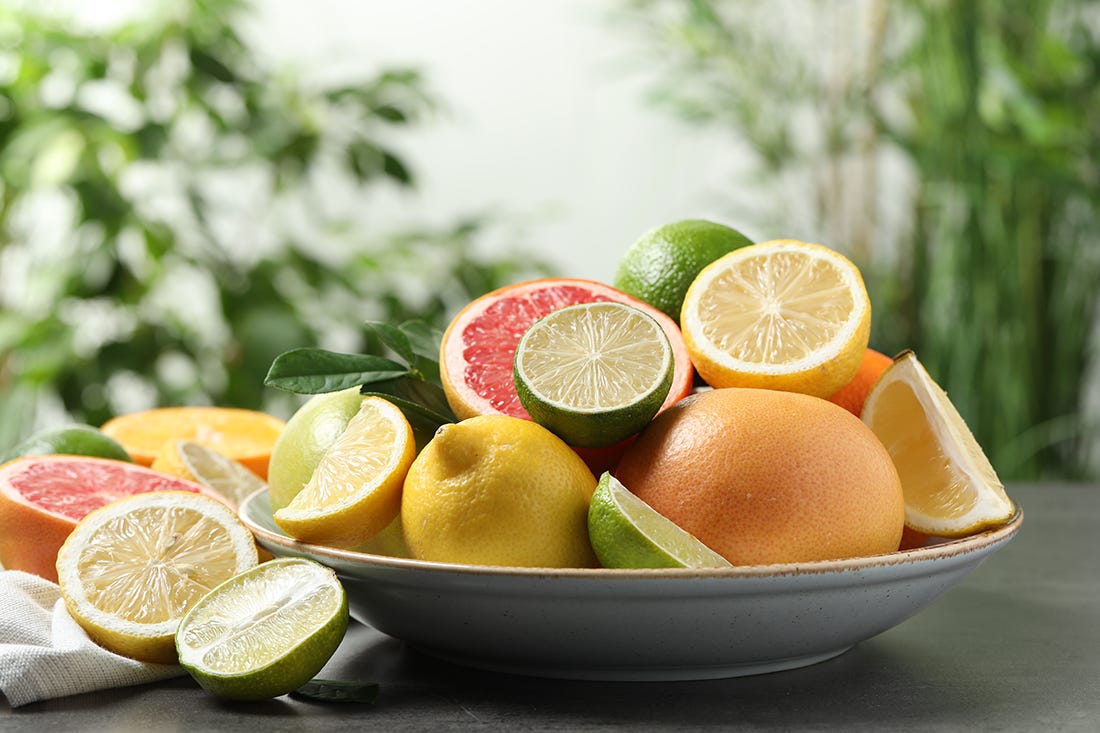
The following may help minimize seasonal allergies.
1. Foods rich in quercetin (a natural antihistamine). Quercetin is a plant compound that can help stabilize mast cells, which release histamine. Quercetin may reduce the amount of histamine your body releases, which can ease symptoms like sneezing and itching.
Apples
Onions (especially red onions)
Berries
Kale
Broccoli
2. Vitamin C-rich foods. Vitamin C acts as a natural antihistamine and supports immune balance. Foods rich in vitamin C may help lower blood histamine levels and reduce inflammation.
Citrus (oranges, lemons, limes)
Bell peppers
Strawberries
Kiwi
Tomatoes (nightshade bonus)
3. Omega-3-rich foods. Omega-3 fats help reduce inflammation in the body, and foods rich in omega-3s may help reduce airway inflammation and support a more balanced immune response.
Salmon, sardines, mackerel
Walnuts
Chia seeds
Flaxseeds
4. Probiotic-rich foods (for gut health support). Supporting a healthy gut microbiome, which plays a major role in immune regulation, is important as well: a healthier gut can lead to a more balanced immune response, potentially reducing allergy sensitivity over time.
Yogurt with live cultures
Kefir
Sauerkraut
Kimchi
Miso
5. Anti-inflammatory herbs and spices. They help reduce inflammation and support immune function by helping calm inflammatory pathways involved in allergic reactions.
Turmeric
Ginger
Garlic
6. Hydrating, high-water foods. These help thin mucus and support hydration, which can ease congestion and support sinus drainage.
Cucumbers
Celery
Watermelon
Soups and broths
Foods to Be Mindful Of
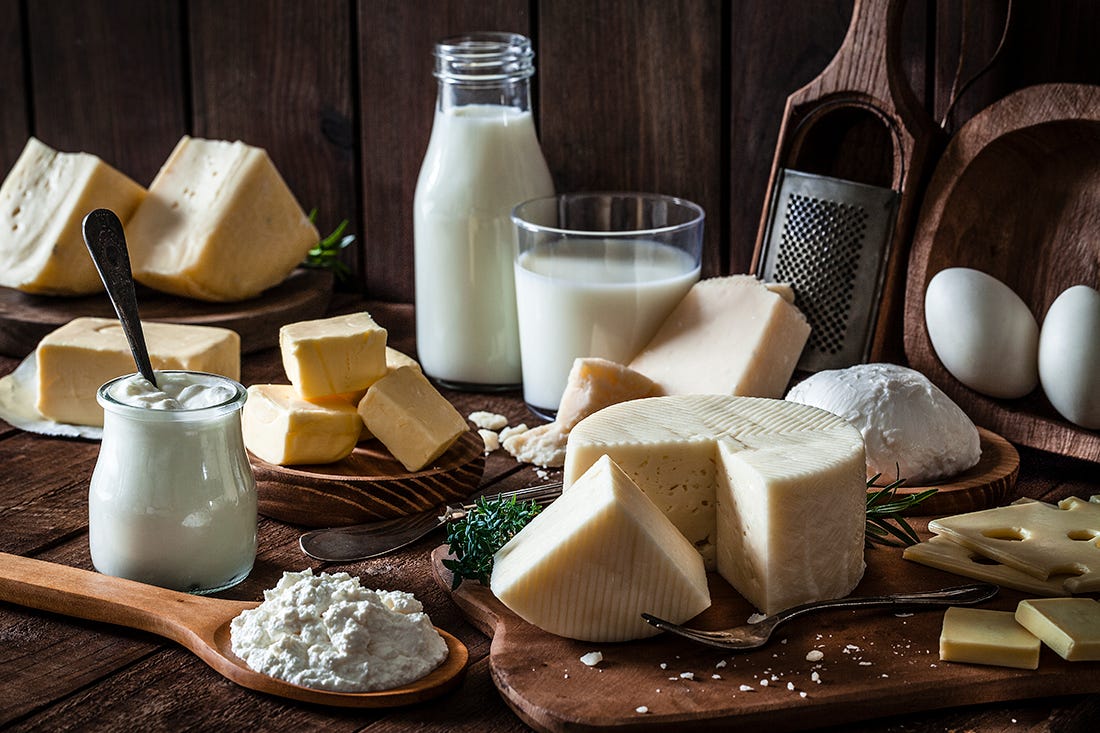
Some of these foods may worsen symptoms in certain people, especially during allergy season:
Alcohol, as it can increase histamine
Highly processed foods, which can increase inflammation
Dairy, which may thicken mucus for some people, though not universally
Our WEIL Nutrition Corner™ VIPs have access to Dr. Weil’s take on this topic as well as the recipe - plus full access to our entire In The News library of content! Upgrade today to unlock everything we offer, including guides, recipes, courses, challenges and more.