



Happy Wednesday! Today is Earth Day, a topic we touched on in Monday’s post when we ran down the Environmental Working Group’s Clean 15 and Dirty Dozen lists… and what better way to continue to take a look at another way to farm: regenerative farming.
Learn more about this approach to growing food, and what we think about it.


What Is Regenerative Agriculture?
Regenerative agriculture is an approach to farming that focuses on restoring and enhancing the health of soil, ecosystems, and the broader environment, rather than simply maintaining current conditions. It represents a shift away from extractive agricultural practices—those that deplete soil and rely heavily on external inputs—toward systems that aim to rebuild natural resources over time.
While it shares some principles with organic farming, regenerative agriculture is generally considered a more holistic, systems-based approach that emphasizes the interconnectedness of soil, plants, animals, and human health.
Core Principles of Regenerative Agriculture
At the center of regenerative agriculture is the idea that healthy soil is the foundation of a healthy food system. Key practices include:
Building Soil Health. Increasing organic matter and supporting a diverse community of microorganisms. Healthy soil contains bacteria, fungi, and other microbes that help cycle nutrients and support plant growth.
Crop Diversity. Rotating crops and planting cover crops help prevent nutrient depletion, reduce pest pressure naturally, and improve soil structure.
Reduced or No Tillage. Minimizing soil disturbance helps preserve soil structure, prevent erosion, and protect beneficial microbial life.
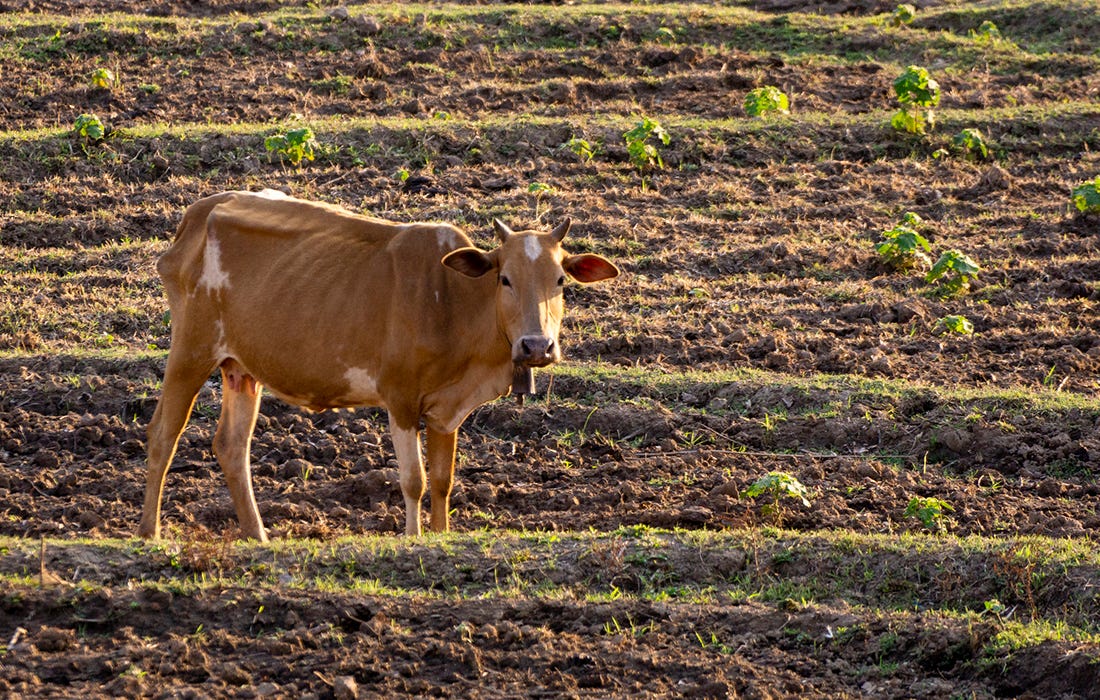
Integrating Livestock. Thoughtfully managed grazing can help fertilize soil, stimulate plant growth, and contribute to ecosystem balance.
Reducing Synthetic Inputs. Limiting reliance on synthetic fertilizers, herbicides, and pesticides in favor of more natural processes.
Why Soil Health Matters

Soil is not simply a growing medium - it is a living ecosystem. When soil is degraded, it loses its ability to retain water, cycle nutrients, and effectively support plant life. Over time, this can lead to lower crop quality and increased dependence on chemical inputs.
In contrast, nutrient-rich, biologically active soil can:
Improve plant resilience and growth
Enhance water retention, reducing the impact of drought
Support more diverse and balanced ecosystems
Potentially influence the nutritional quality of crops
There is also growing interest in the role of healthy soil in carbon sequestration - the process of capturing and storing atmospheric carbon - which may have implications for climate change mitigation.
Potential Benefits of Regenerative Agriculture
While research is ongoing, regenerative agriculture has been associated with several potential benefits:
Improved Nutrient Density (Emerging Evidence). Some early studies suggest that crops grown in healthier soils may contain higher levels of certain nutrients and phytochemicals, though more research is needed.
Greater Environmental Resilience. Improved soil structure allows for better water absorption and retention, making farms more resilient to both drought and heavy rainfall.
Increased Biodiversity. Diverse planting and reduced chemical use support a wider range of plant, insect, and microbial life.
Reduced Dependence on Chemical Inputs. Healthier soils may require fewer synthetic fertilizers and pesticides over time.
Carbon Sequestration Potential. Regenerative practices may help draw carbon dioxide out of the atmosphere and store it in the soil, contributing to climate solutions.
What To Look For When It Comes To Regenerative Agriculture

From a nutrition and health standpoint, regenerative agriculture is part of a broader conversation about how food is produced and how that production affects both human and environmental health.
While it is not yet necessary - or always feasible - for consumers to seek out foods specifically labeled as “regeneratively grown,” the principles align with a number of established recommendations:
Choosing whole, minimally processed foods
Supporting diverse, plant-forward diets
When possible, select foods from producers who prioritize soil and environmental health.
You may also begin to notice more food brands highlighting regenerative sourcing on their packaging. Some companies are working directly with farmers who use regenerative practices, helping to bring these foods more into the mainstream. One brand we love in this space is Simpli, which is dedicated to supporting regenerative farming practices and helping advance this movement.
One helpful marker to look for is the Regenerative Organic Certified (ROC) seal. This certification builds on organic standards and adds additional requirements around soil health, animal welfare, and social fairness. While it’s still relatively new and not yet widespread, it can serve as a useful signal for consumers who want to support more regenerative farming practices when shopping.
Our Takes On Regenerative Agriculture
WEIL Nutrition Corner™ VIPs have access to our takes on this topic, as well as our entire In The News Library. Upgrade today to unlock all we offer.