



Today’s Deep Dive: Food Dyes + The Power of Lentils
Food dyes have been making headlines lately, and in this issue, we’re sharing how we really feel about them. What’s the real story behind synthetic dyes, and should you be avoiding them?
We’re kicking things off with Diana’s perspective. As Elio begins exploring more whole foods, food dyes have become a growing concern - and it’s something many parents and health-conscious eaters can relate to.
We’re also diving into the mighty world of beans and legumes, with a spotlight on lentils. These plant-based powerhouses are rich in nutrients, affordable, and incredibly versatile. Don’t miss the comparison chart - and consider stocking up!
We’d love to hear from you: what are your thoughts on food dyes? Would you prefer foods without them? Share in the comments.
(P.S. Become a paid subscriber to join the full conversation.)


Food Dyes
Diana’s Take:
Food dyes are a hot topic right now, and while I typically try to avoid fear-based messaging, I’m glad this conversation is getting more attention. I think one of the best things you can do for your health is to get in the habit of reading food labels. Personally, if I see artificial dyes listed, it’s a sign of a low-quality product and one that’s likely filled with other ingredients I try to avoid, like preservatives and artificial flavors.
That said, our daily habits have the biggest impact on our health, not the occasional slice of Funfetti cake at a birthday party or a handful of Doritos once in a blue moon. While I do avoid artificial dyes, I’m not at all concerned about having a “fun food” every once in a while. Remember, it’s the dose that makes the poison. Isolated, occasional exposure to food dyes isn’t likely to do real harm.
Ultimately, while these dyes are approved as safe in small doses, the question for me isn’t whether one serving is harmful; it’s what happens when these additives are part of the daily diet over many years. I choose to avoid them as much as possible and encourage others to be mindful, too, without stressing over the occasional treat.
However, I want to mention the comparison to Europe, which this topic often brings up, where some artificial dyes require warning labels or have been phased out. But saying, “Europe bans it, so it must be bad,” is misleading and inaccurate. The five main food dyes used in the U.S. - Red 40, Yellow 5, Yellow 6, Blue 1, and Blue 2 - are all approved for use in Europe and Canada and are widely used. In fact, Europe permits higher levels of three of these dyes than the U.S. does. While the U.S. currently permits nine synthetic dyes in foods, the FDA recently banned one of them, Red 3, with the regulation taking effect in 2027. The other four food dyes are rarely if ever used now a days. The EU, which banned Red 3 in 1994, does require warning labels for certain dyes, but perhaps the biggest difference I see is that European consumers tend to prefer naturally colored products, which has prompted brands to reformulate. So, rather than saying Europe has stricter regulations, it’s more accurate to say consumers have demanded more natural products.
Dr. Weil's Take:
I’ve always made it a habit to read ingredient labels closely. Over the years, one category of additives has consistently stood out to me as entirely unnecessary and potentially harmful: artificial food dyes. When I see names like Red No. 40 or Blue No. 1, it’s a “red” flag. These synthetic chemicals are used purely for appearance, and the evidence suggests their consumption may come with real risks, especially for children. As a physician, a parent, and a grandparent, that concerns me.
Artificial food dyes are derived from petroleum and have long been linked to health issues ranging from hyperactivity in children to DNA damage
and, in some cases, cancer in lab animals. The Center for Science in the Public Interest (CSPI) has petitioned the FDA multiple times over the years to ban several of these dyes, including Yellow 5, Red 40, and others. And now, slowly - very slowly - we’re seeing movement. The FDA recently announced it will revoke authorization for Red 3, which has been linked to thyroid tumors in rats. It is currently working with the food industry to phase out six synthetic dyes - including Red 40 - from the food supply by the end of next year. Still, Red 40 (also known as Allura Red AC) remains on store shelves today, legally used in everything from sports drinks to snack foods.
One particularly concerning additive is caramel coloring, which gives sodas and sauces a brown hue. A report by Consumer Reports found that certain beverages contained more than 29 micrograms per serving of 4-methylimidazole (4-MEI), a byproduct of caramel color manufacturing. California considers this level to pose a cancer risk and requires a warning label if it is exceeded. In their tests, popular products like Pepsi One and Malta Goya surpassed that threshold.
Why does this matter? Some of these compounds are energetic molecules that can interact with DNA - a risk factor for cancer, immune dysfunction, and accelerated aging. Historically, we’ve seen a pattern: dyes once considered safe - like Red 2 - were later pulled from the market after evidence of harm emerged. It raises the question: how many of today’s dyes will face the same fate?
The good news is that these additives are easy to avoid. Look for products that use natural pigments like beet or carrot juice, annatto, and turmeric. Not only are they safer, they’re often more sustainable and may even confer some health benefits.
In my opinion, real food doesn't need bright hues to be nourishing and attractive.
About Food Dyes
Food dyes are a hot topic because of growing concerns about their potential health effects, especially in children. These synthetic color additives are widely used in processed foods, cereals, candies, baked goods, and even some medications - but many people are questioning whether they're safe, necessary, or contributing to long-term health issues.
Why Food Dyes Are Controversial
There seem to be four main reasons people are concerned with food dyes:
A link to hyperactivity in children. Some studies suggest that synthetic dyes like Red 40, Yellow 5, and Yellow 6 may exacerbate hyperactivity and attention issues in some children. The FDA acknowledges that dyes may affect behavior in sensitive children, while the European Union requires warning labels and encourages natural alternatives. The famous Southampton Study (2007) found behavioral effects from artificial colors in children, sparking stricter EU regulations.
They may cause allergic reactions. Some dyes may cause mild allergic reactions in sensitive individuals. For example, Yellow 5 (tartrazine) has been linked to hives, asthma, and eczema-like symptoms in some people.
They may carry carcinogenic risks. Some food dyes (such as Red 3) have shown cancer-causing effects in animal studies. While these effects haven't been definitively proven in humans, the long-term impact of daily, cumulative exposure is still debated.
They have no health benefits. Artificial colors are added for visual appeal - not health. They’re often found in highly processed, nutrient-poor foods, which contributes to poor dietary habits overall.
Specific Concerns with Food Dyes
Here are some examples of specific dyes and what they are linked to:
Red 40 (provides a red color): Hyperactivity, allergy-like reactions
Yellow 5 (Tartrazine; provides a yellow color): Allergies, behavioral changes
Yellow 6 (provides an orange-yellow color): Possible contamination with carcinogens
Blue 1 (provides a bright blue color): Linked to behavioral changes in sensitive children
Red 3 (provides a cherry red color): Shown to cause thyroid tumors in rats
Natural Alternatives
Many companies and consumers are shifting to plant-based colorants, whether due to consumer demand, legal rulings or to offer healthier products. These include:
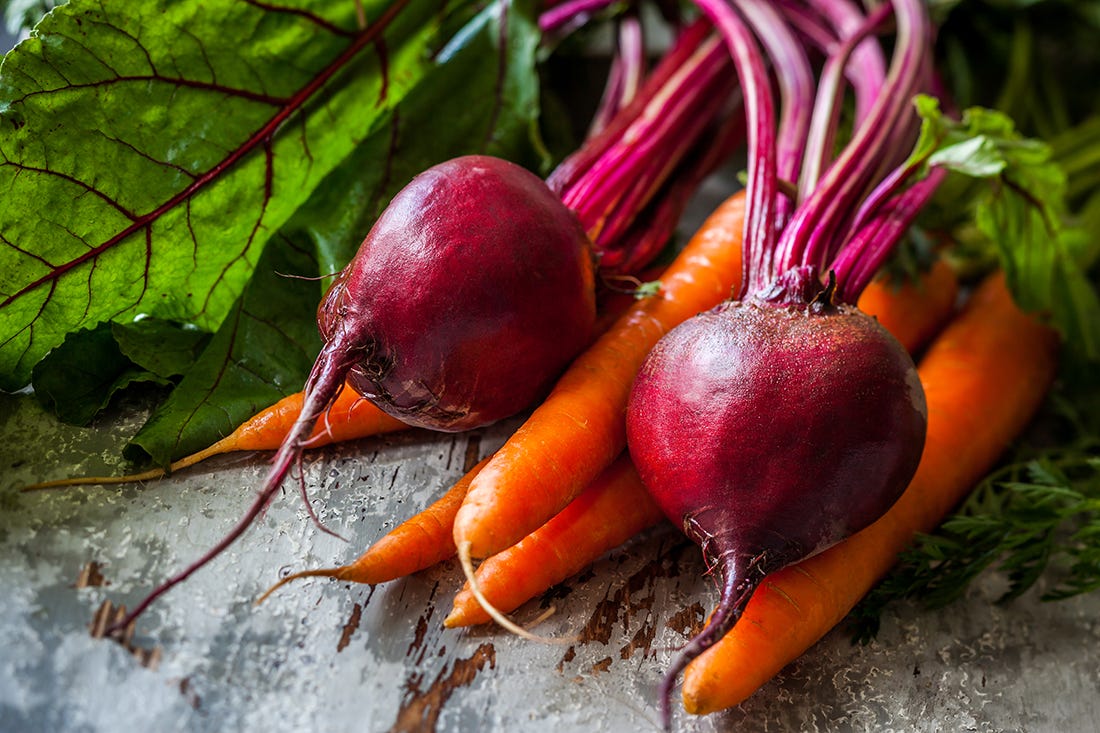
Beet juice or annatto
Spirulina extract
Turmeric
Paprika extract, berry powders, or carrot juice
These come with fewer safety concerns and often include beneficial nutrients or antioxidants.
If you want to eat cleaner or support children’s health, choosing foods without artificial colors is a safe, prudent, easy step.
Sources:
Consumer Reports, "Caramel color: The health risk that may be in your soda," February 10, 2014, http://www.consumerreports.org/cro/news/2014/01/caramel-color-the-health-risk-that-may-be-in-your-soda/index.htm, accessed April 9, 2014
https://www.efsa.europa.eu/en/news/efsa-evaluates-southampton-study-food-additives-and-child-behaviour

Last month, we introduced you to the importance of whole grains (and a look at quinoa); this month we introduce you to beans and legumes, and highlight lentils - a terrific source of plant-based protein. Enjoy!
Beans and Legumes
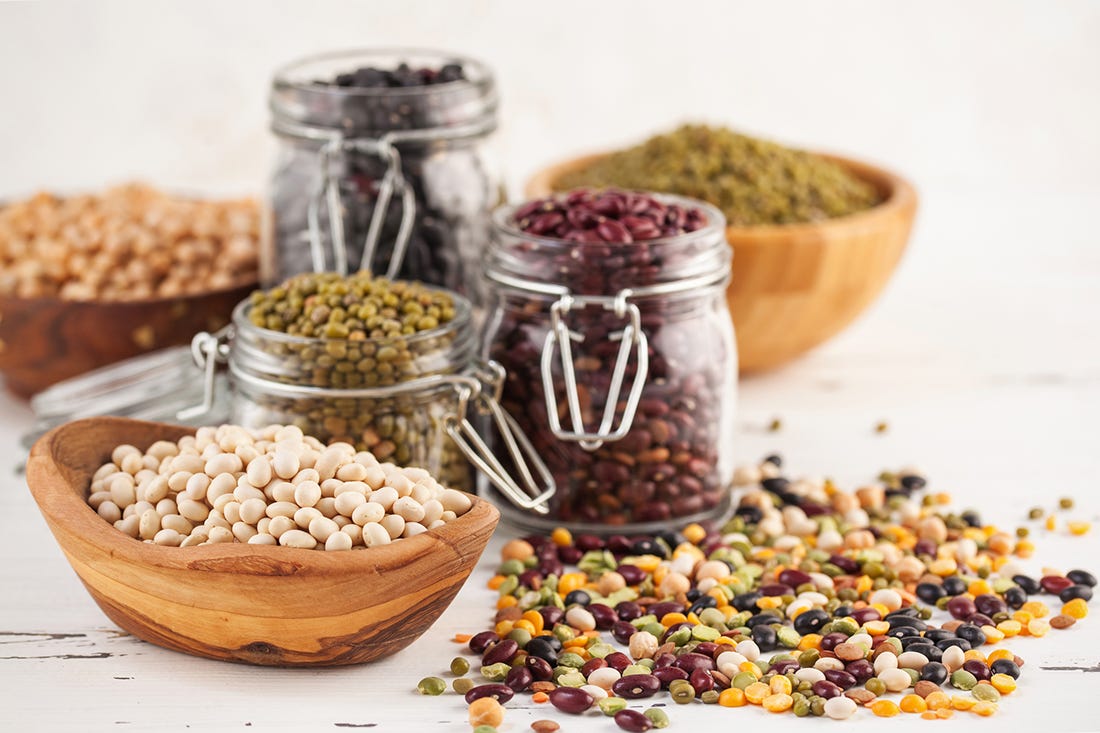
Beans and legumes, like whole grains, are low-glycemic-index foods (slow-digesting carbohydrates) and an important part of the Anti-Inflammatory Food Pyramid. Rich in vitamins, minerals, and fiber – key dietary components that support healthy aging - beans and legumes are low-cost food that provide so many benefits. We are huge proponents of adding more beans and legumes to your diet, for their fiber and nutrients as well as versatility and low price. Read on for what they are, what they provide, and cooking tips - as well as a look at lentils.
What are Beans and Legumes?
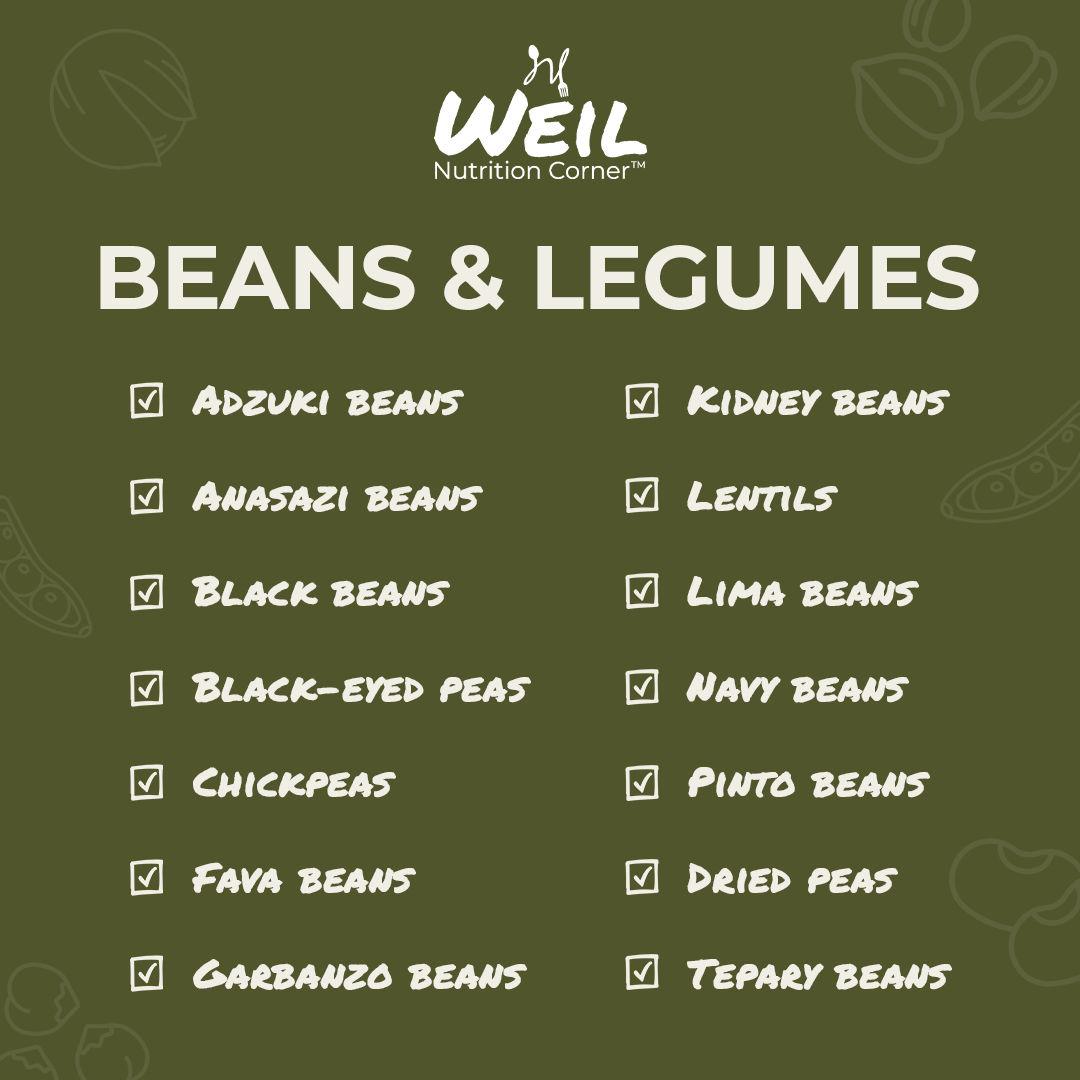
Legumes are the seeds of plants in the Fabaceae family that includes beans, lentils, soybeans, peas, peanuts, and even alfalfa and clover. Examples of beans and legumes include:
Benefits of Beans and Legumes
What makes beans and legumes such a good choice to add to your diet? They are:
Heart-healthy. Their high fiber content lowers cholesterol and triglyceride (blood fat) levels.
Helpful at stabilizing blood sugar levels. Their combination of fiber, protein, and micronutrients help aid in blood sugar regulation more than almost any other food group, a key quality for diabetics and those concerned with maintaining stable insulin sensitivity.
High in folate. This vitamin helps prevent the build-up of the amino acid homocysteine – elevated levels of which are a major risk factor for heart attack and stroke. Folate is also an essential vitamin for pregnant women. It plays a crucial role in the healthy development of the baby's brain, spinal cord, and neural tube.
Complex carbohydrates. These are beneficial because they provide sustained energy, regulate blood sugar, improve digestion, and aid in weight management.
High in soluble fiber. Important for maintaining digestive health, controlling blood sugar and cholesterol levels, and supporting overall well-being, soluble fiber can also help you feel fuller, longer helping to maintain a healthy weight.
Excellent sources of protein. At 20-25% protein by weight, they are a go-to for vegetarians and vegans (and should be a go-to for anyone who wants to get enough protein in their diet).
Among the most inexpensive foods you can buy, especially when you factor in their health benefits.
Excellent for the environment. Their roots fix nitrogen in the soil, reducing the need for petroleum-based fertilizers.
Choosing Beans and Legumes
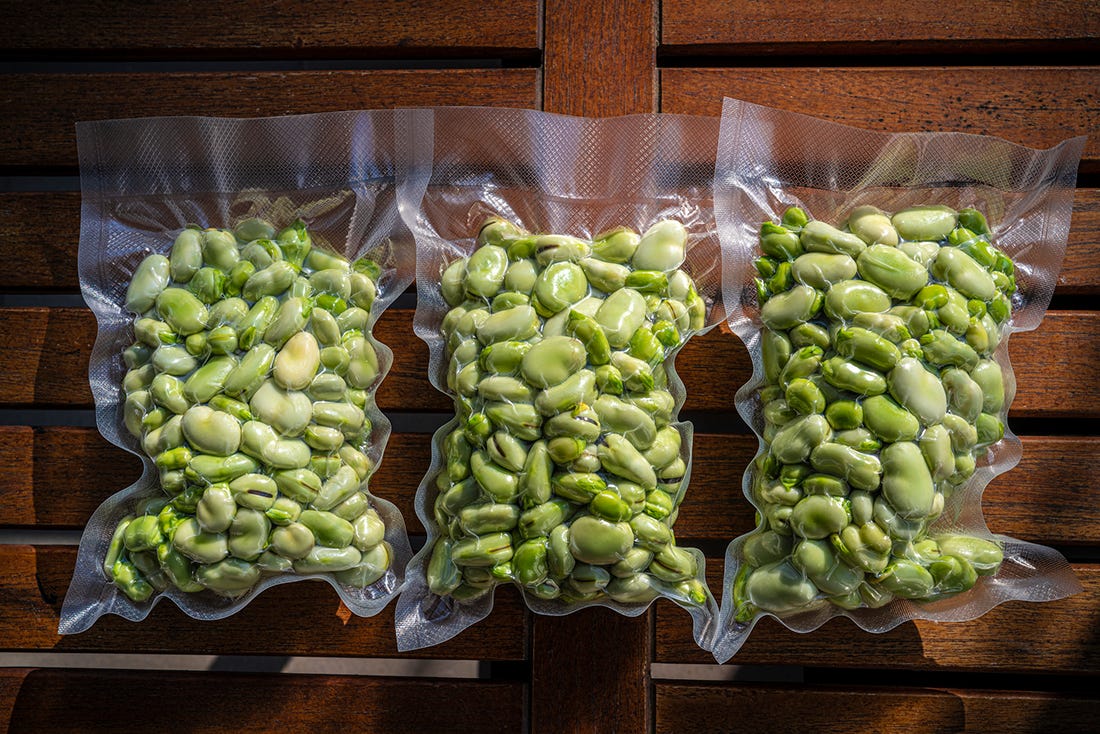
You can choose from dried, canned or vacuum-sealed cooked beans and legumes, but dried is the most cost effective. Some dried beans - such as black, navy, and kidney beans - can be found in typical supermarkets, but you will have better luck finding more obscure beans, such as azuki beans and unique lentil varieties at natural foods stores, ethnic markets and online. When shopping for dried legumes:
Opt for organic varieties from the bulk bins of health food stores whenever possible – they have higher turnover rates, which improves the likelihood of freshness.
Store in airtight containers in a cool, dry place that is not in direct sunlight. Generally, if done properly, they can be stored for up to one year.
Before preparing, spread them out on a light surface to check for and remove any small stones, spoiled beans, or other debris. Then, place in a strainer and rinse under cool water.
Canned beans can be a good choice in a pinch. If you opt for canned, look for varieties that do not contain chemical preservatives, and be sure to rinse them thoroughly to remove excess sodium that may have been included in the canning liquid.
Preparing Legumes
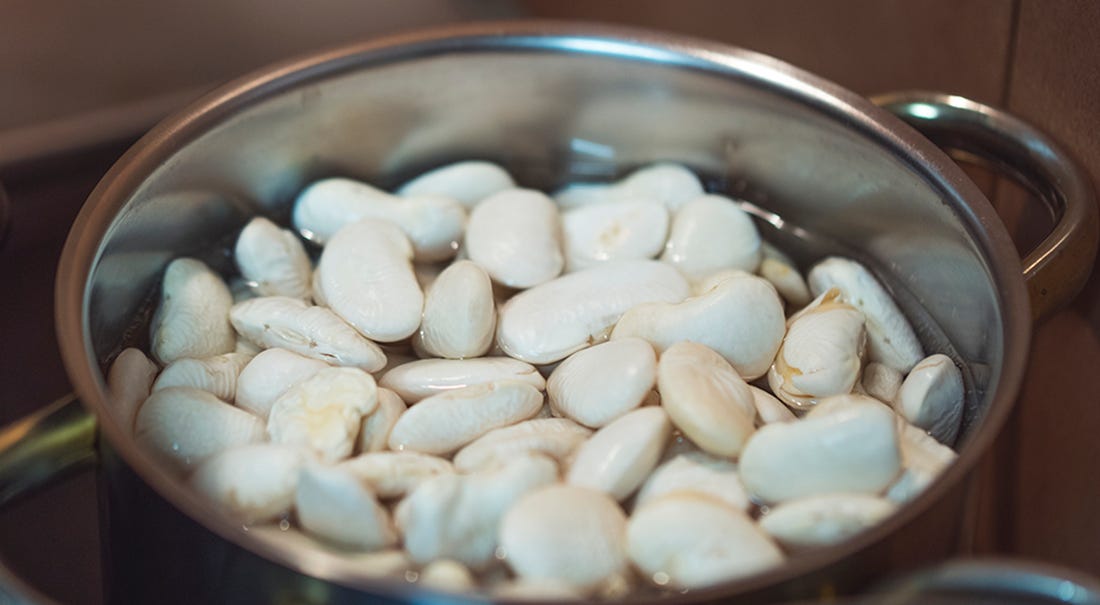
Almost all legumes – split peas and lentils being the exceptions – should be soaked before cooking. Soaking improves digestibility and decreases cooking time.
Soaking beans and legumes:
Place rinsed, dried beans in a pot and add water until it is roughly three inches above the beans.
Cover the pot and place in the refrigerator for at least one hour for small beans, and six hours or overnight for larger varieties.
Then drain the soaking water – don’t use it for cooking, as it’s full of difficult-to-digest starches that can cause flatulence and other digestive woes.
Cooking Beans and Legumes
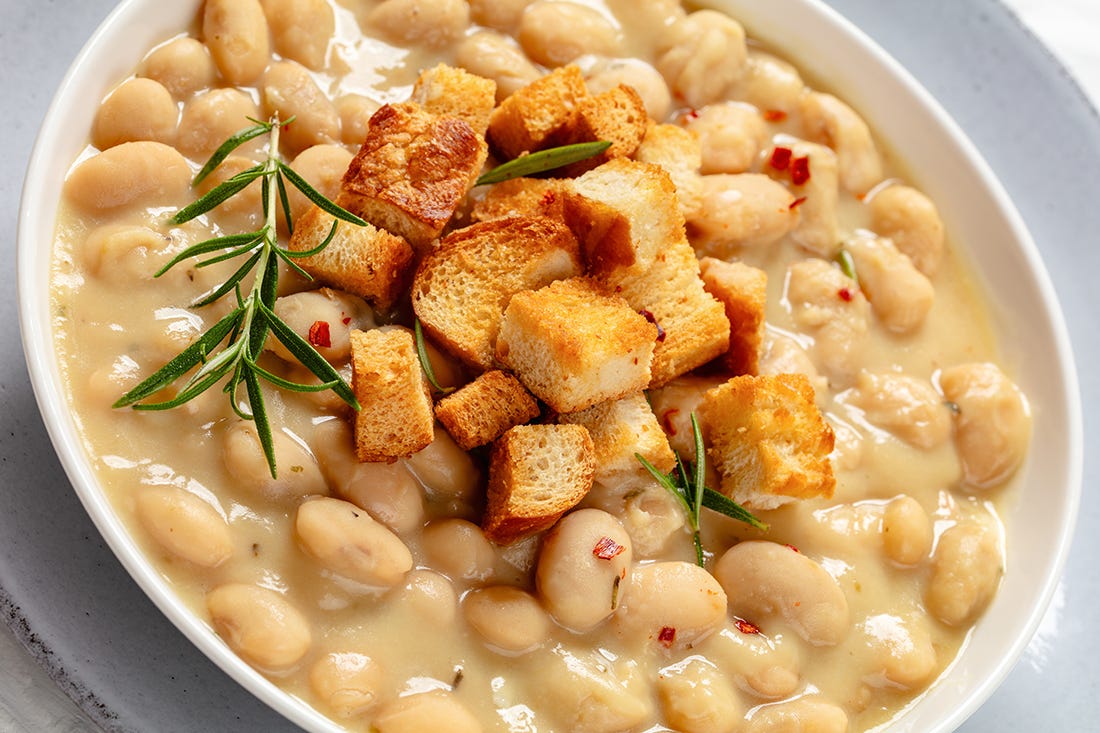
Below is a general guide for cooking dried legumes from scratch, which is by far the most inexpensive, fresh, and tasty way to enjoy them. The instructions are for stovetop preparation in a pot. But you can also use a pressure cooker or Instapot for most of these beans, which can reduce cooking times by up to 80 percent. See the instructions that were included with your cooker for details on the amount of liquid needed and cooking times.
You can also cook your legumes in vegetable stock instead of water for added flavor, but do not add any salt or acidic ingredients like tomatoes or lemon juice – either will toughen the beans and greatly increase cooking time. As a general rule, wait until beans are done or nearly done cooking before seasoning.
Refill the soaking pot with fresh, cold water for cooking (three cups per cup of soaked beans is a good general rule, but optimal amounts for each legume variety are provided).
Bring to a boil in a pot with a lid. Once boiling, reduce to a simmer, tilt the lid slightly to allow steam to escape, and leave to cook for the designated time.
Beans are done when they are fully tender; though if you desire an even softer texture (useful for some recipes that call for mashed beans) simply cook them longer.
How to Reduce the Risk of Gas and Bloating
In addition to discarding the soaking water, you can further reduce the gas-producing properties of beans by:
Adding a large strip of dried kombu seaweed to the pot of beans and water before boiling. Remove the kombu once cooking is finished. You can find kombu in your local natural foods store or ethnic markets.
Adding a slice or two of ginger or some fennel or cumin seeds can also help.
Skimming and discarding the foam during boiling is also an effective means of gas reduction.
How to Use Beans and Legumes
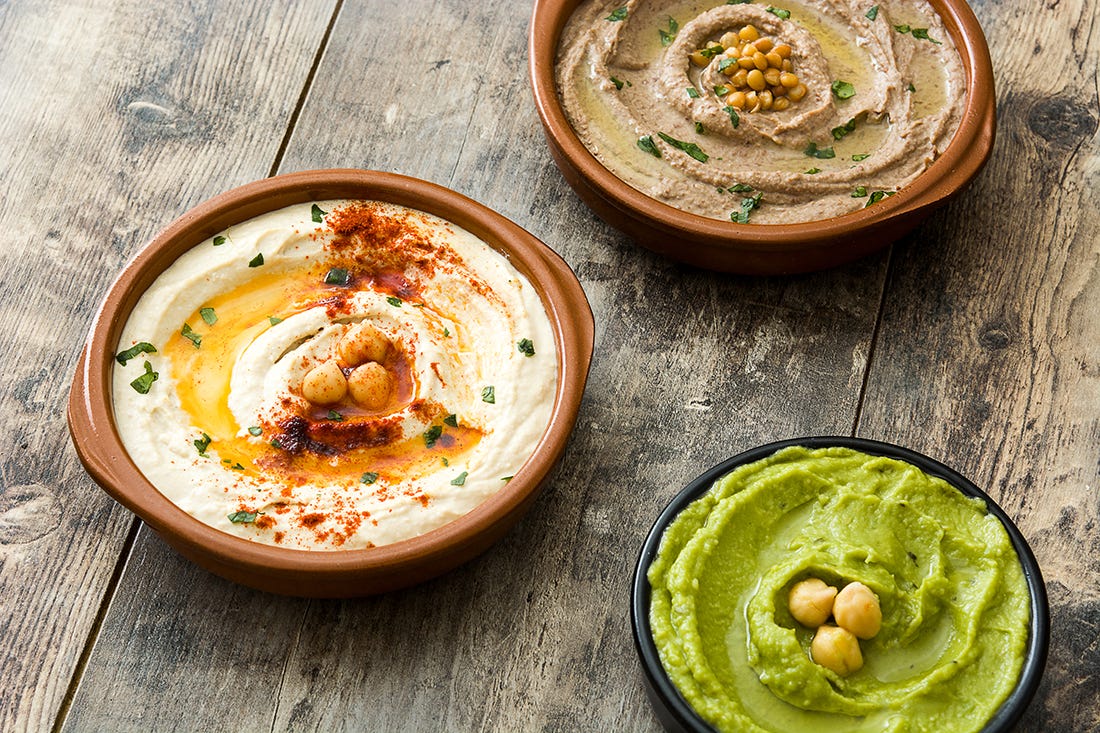
As dips and spreads. Hummus traditionally uses chickpeas, but other delicious dips include White Bean and Garlic Spread, Black Bean Dip, and Lentil and Sundried Tomato Spread.
To replace meat. Since they make terrific meat substitutes, try swapping in seasoned beans and legumes to dishes such as tacos, bowls and wraps. You can even use chickpeas in place of tuna in tuna salad. If you are wary to lose the meat altogether, begin by incorporating beans into the meat - a great way to cut down on food cost as well.
In soups, stews and chilis. They add bulk to traditional soups, and likewise shine as the main ingredients in recipes such as Lentil Soup, White Bean Chili and Split Pea Soup.
In salads. Adding red beans or chickpeas to a salad increases your nutrients while offering heft and a meaty texture. You can also showcase them in recipes such as a Three-Bean Salad.
As snacks. Roasted Chickpeas are healthy, crunchy and delicious!
Now that you know all about beans and legumes, let’s take a look at lentils.
Lentils 101
Lentils are a go-to in our kitchens - their mild flavor makes them easy to use in plenty of recipes, plus cooking lentils is simple and fast.
An ancient food, thought to be one of the first crops ever cultivated, lentils and their seeds have been found in sites across the Middle East dating back to 6,000 BC. In terms of high-protein plant foods, lentils (at 18 grams per cup, cooked) are surpassed only by soybeans and hemp seeds. The same quantity of lentils also provides 37 percent of the Daily Value for iron, which increases energy by transporting oxygen from the lungs to the rest of the body. Iron is especially important for pregnant or lactating women.
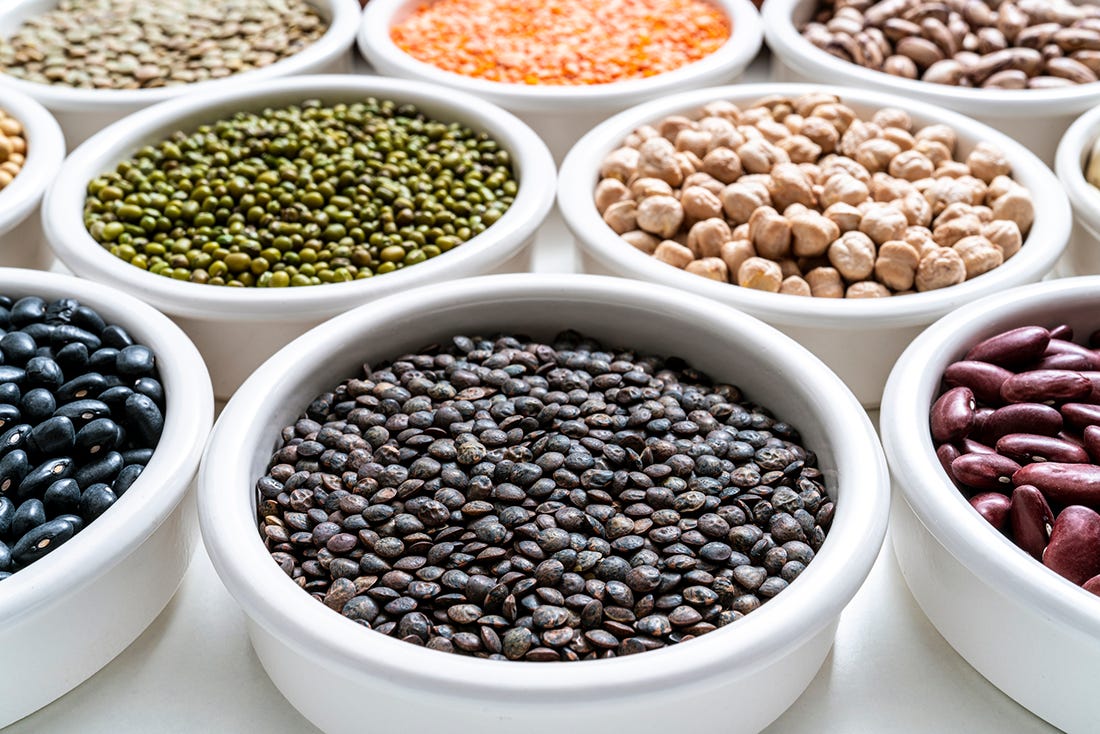
There are as many varieties of lentils as there are ways to enjoy them. One of the smallest legumes, lentils resemble flat, round discs and range in color from green to brown, black, red, yellow and orange. Some of the more popular and unique varieties are red (masoor dal), common brown, French Green (Le Puy) and black Beluga lentils.
Some lentils, like Le Puy, hold their shape extremely well, and make an excellent addition to salads and other dishes where the texture of whole beans is desirable. When cooking lentils, others, such as red, yellow and brown lentils, cook down completely into a thick paste perfect for hot soups, stews and dals.
You’ll often see lentils paired with rice, as in the traditional Middle Eastern dish mujaddara (also referred to as mejadra, mudardara and megadarra), a simple yet delicious mixture of lentils, rice and caramelized onions that is a staple in Syrian, Lebanese, Palestinian, Jordanian, North Saudi and Israeli cuisines.
Cooking Lentils
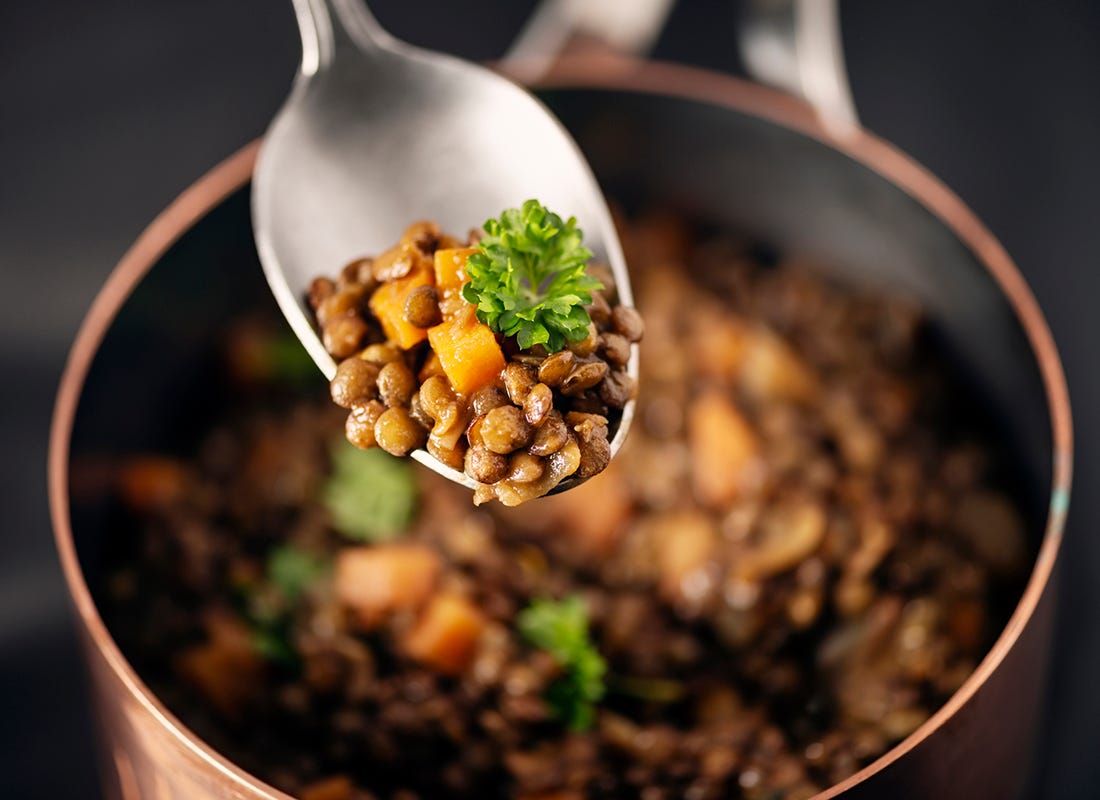
Red/yellow lentils take about 15-30 minutes, while green lentils take about 30-45 minutes. You can also buy lentils canned and in vacuum-sealed packages if you are short on time.
Unlike most other dried legumes, lentils do not need to be presoaked prior to cooking. To cook lentils, simply rinse, then combine 1 cup lentils with 3 cups fresh, cold water in a pot. Place on stove and bring to a boil; once boiling, reduce to a simmer, place a lid on top tilting it slightly to allow steam to escape, and leave to cook for 15-45 minutes or more, depending on the variety of lentil and desired consistency.
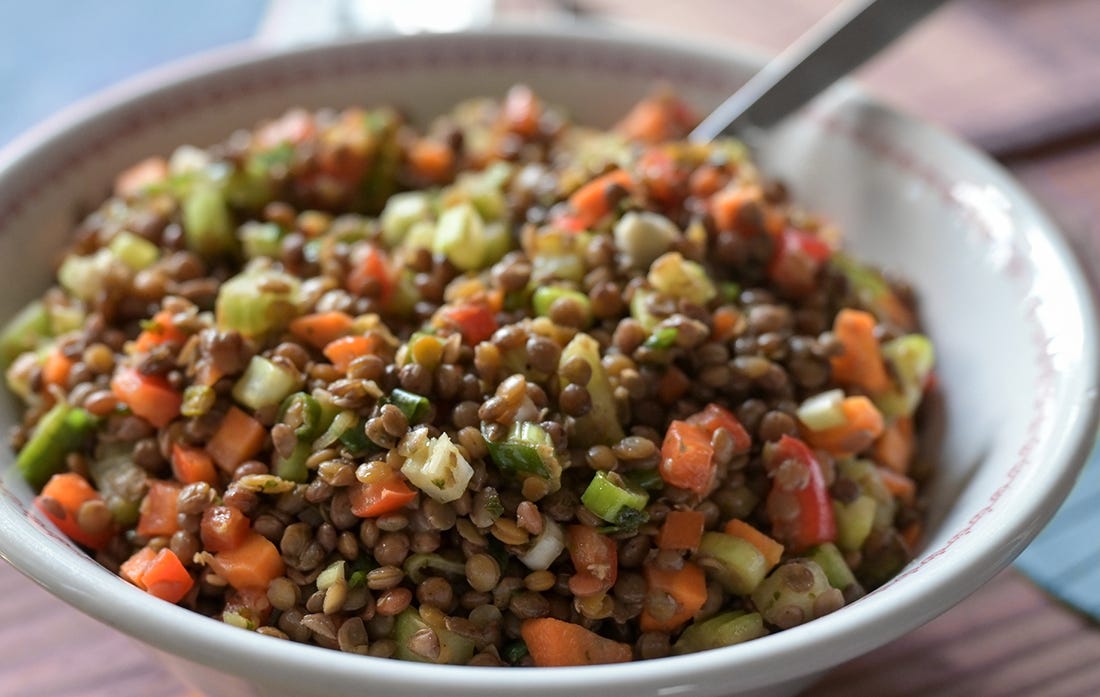
Once cooked you can add almost any type of spice, herb or other seasoning to them. Tomato paste adds a delicious, umami taste, while curry, cumin and turmeric offer up a beautiful warmth. Enjoy!

A new Friday recipe!
Olive Oil 101
Dr. Weil’s favorite dessert
Is shredded cheese unhealthy?
Why men need anthocyanins