



Happy Monday! Today, we are sharing our favorite fall foods. Plus, we’re doing a deep dive into eggs. Are they healthy and what do the various options mean? And don’t miss our Salmon Niçoise Salad recipe, which includes a variety of anti-inflammatory ingredients and features eggs. Finally, seasonal foods for November you should add to your grocery list. Enjoy!
We want to know: Do you eat eggs? What kind? If not, do you eat or use egg substitutes? Share in the comments!
(P.S. Become a paid subscriber to join the full conversation.)


Our Favorite Fall Foods
Dr. Weil:
One of the real joys of fall for me is the arrival of persimmons. I especially love the Fuyu variety as they’re crisp, sweet, and delicious eaten out of hand, much like an apple. I also enjoy dried persimmons, which have a concentrated sweetness and make an excellent snack. Persimmons are rich in antioxidants, fiber, and compounds that support heart health, making them a wonderful seasonal food.
Squash is another fall favorite. There are many varieties, like butternut, acorn, and kabocha, and each has its own unique flavor and texture. I like roasting cubes of squash with olive oil and herbs or pureeing it into a soup with a touch of ginger. Beyond being delicious, winter squash is rich in carotenoids, powerful antioxidants that support eye health and immunity.
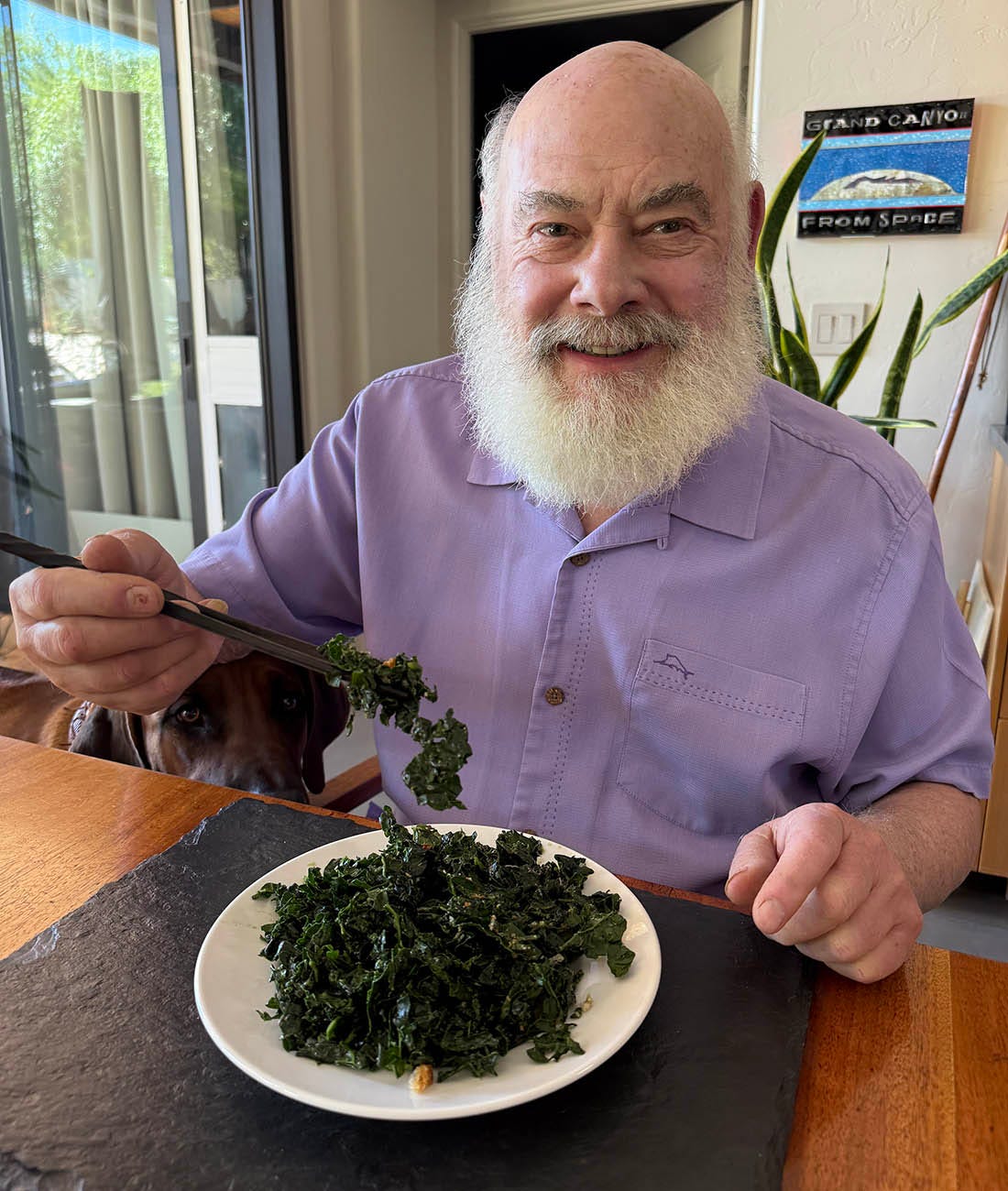
Kale is something I enjoy year-round, but it really thrives in cooler weather. The leaves become sweeter after a light frost. To make my kale salad, toss lacanito kale with lemon juice, pressed garlic, olive oil, salt, and pepper. Let sit until the kale softens, then top with bread crumbs and Parmesan. Kale is one of the most nutrient-dense vegetables you can eat, full of calcium, vitamin K, and protective phytochemicals.
And finally, figs - one of nature’s great delicacies. I love them fresh when they’re in season, or dried throughout the year. They’re a good source of fiber and minerals, such as potassium and magnesium.
Diana:
Call me basic, but I love anything pumpkin-spiced - pumpkin pie, pumpkin lattes, pumpkin oats, pumpkin cookies - give me all of it! Fall is also when we shift from cooling summer dishes to warming, heartier meals like soups, casseroles, and curries, and it’s such a welcome transition.
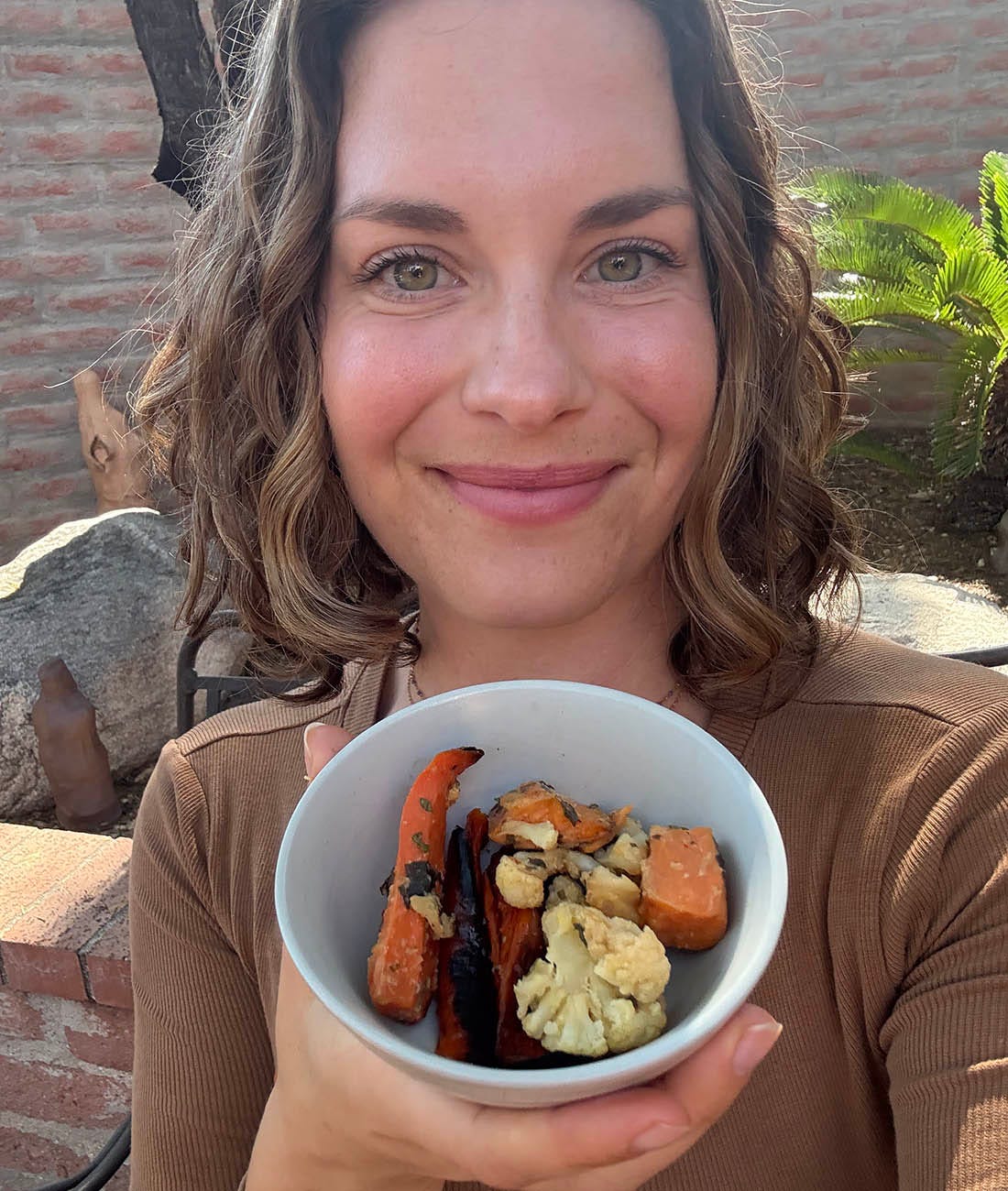
One of my favorite seasonal fall dishes is roasted root vegetables. I toss chopped carrots, parsnips, rutabaga, and turnips with olive oil, salt, and pepper, then roast them at 425°F for about 45 minutes, or until tender. Makes for a great side dish that’s packed with nutrients.

I also love Brussels sprouts, which are in season this time of year. There’s so much you can do with them! One go-to is sautéing them with some sort of an Asian-inspired sauce. Another favorite is to pan-sear them briefly, then add a splash of vegetable broth, a spoonful of mustard, a bit of red wine, and let them cook down for a minute. I then top them with parmesan and walnuts. So good!
I could also eat beets every day. I love roasted beets topped with goat cheese and chopped kale (which is amazing over pasta, too!). Or, for something lighter, I’ll toss shaved Brussels sprouts and grated carrots with olive oil and vinegar for a nice side salad.

All About Eggs

Eggs are seemingly in everything, from baked goods to a go-to breakfast to even sandwiches. But are they healthy? And what are the differences between all the different egg labels you see at the store? We dive into all this and more - and share a recipe!
Are Eggs Healthy?
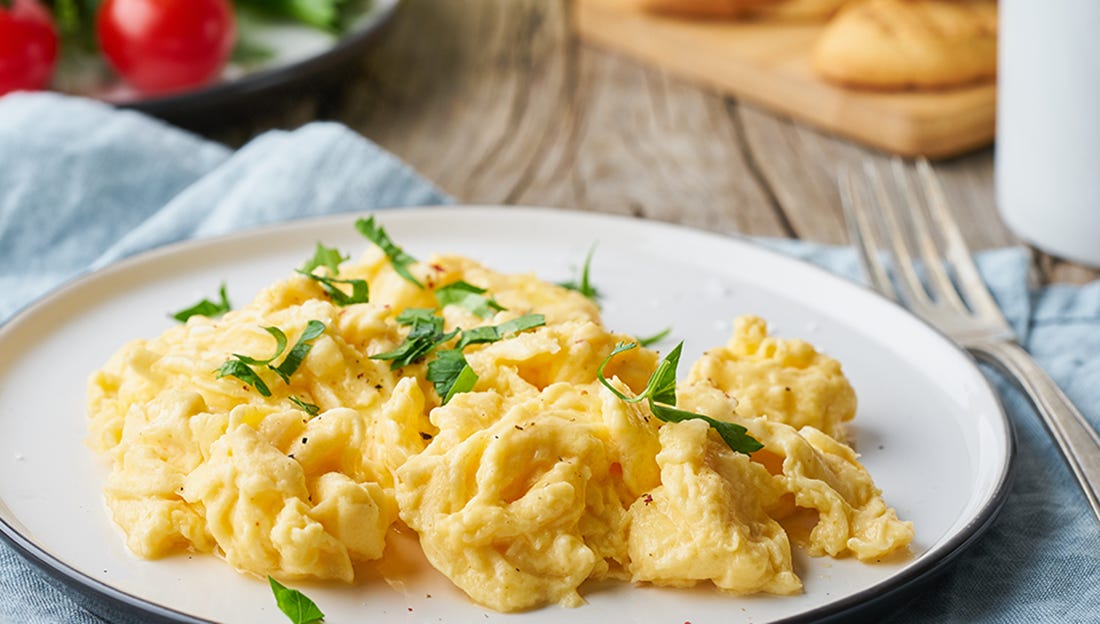
Eggs offer significant nutritional value - the whites provide high-quality protein, and the yolks are one of the best sources of choline as well as vitamins like A, D, E, and K. In the past, we thought eating eggs regularly was bad for dietary cholesterol levels and heart health. While egg yolks do contain cholesterol, the preparation method (such as frying in large amounts of butter or animal fat) may matter more than avoiding eggs. We see no reason why eggs cannot be part of a healthy, anti-inflammatory diet.
Specific nutritional benefits of eggs:
Eggs are a complete, high-quality protein. Eggs contain all nine essential amino acids, making them one of the best natural sources of complete protein. This helps with muscle repair, hormone production, and immune function. And the protein in eggs is highly bioavailable — meaning your body absorbs and uses it efficiently.
Eggs support brain and eye health. Choline supports the production of acetylcholine, a neurotransmitter involved in learning and memory. The yolks are rich in lutein and zeaxanthin, antioxidants that protect eye health and may lower the risk of macular degeneration and cataracts.
Eggs are rich in vitamins and minerals. Each egg is packed with over a dozen key nutrients, including:
Vitamin B12 & Riboflavin: Support energy metabolism and brain health.
Choline: Crucial for brain development, liver health, and memory function.
Selenium: A powerful antioxidant that helps reduce inflammation and protect cells.
Vitamin D: Supports bone health and immune balance (especially important if you get little sun).
Iron & Zinc: Aid oxygen transport, immune defense, and healing.
At the end of the day (or morning…), eggs are versatile and satiating. The mix of protein and healthy fats helps you feel full and energized, reducing sugar cravings and supporting steady blood sugar. As they are easy to prepare in dozens of ways (boiled, poached, baked, scrambled), eggs are a nutrient-dense staple in any diet.
Salmon Niçoise, With Olive, Spearmint & Capers
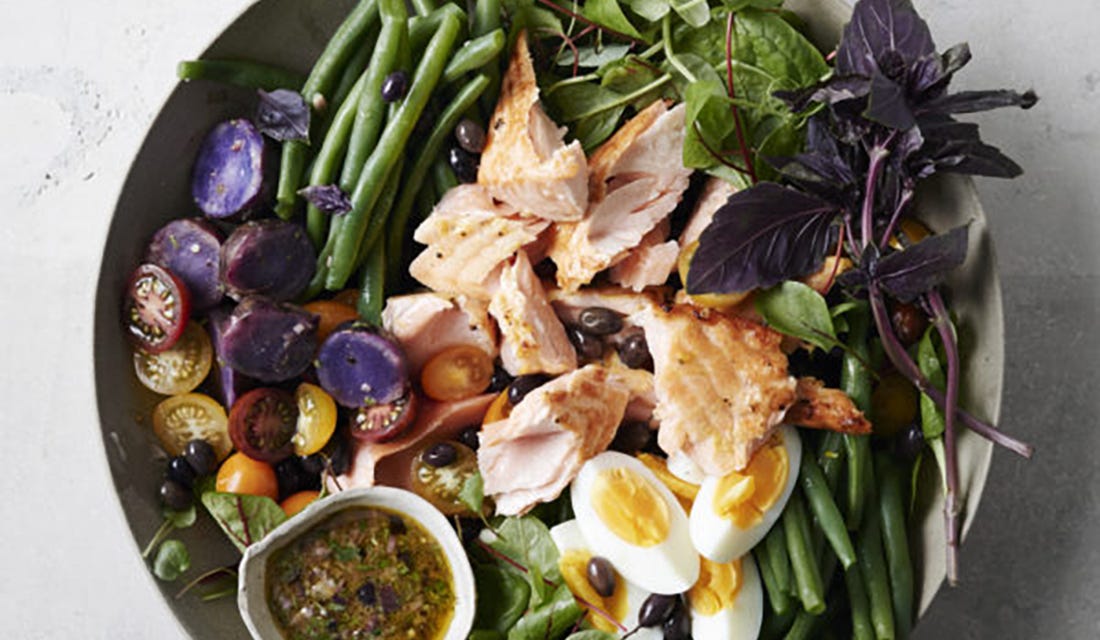
If you enjoy eggs, try this Salmon Niçoise recipe - it’s protein-rich and packed with anti-inflammatory ingredients!
How To Choose Eggs
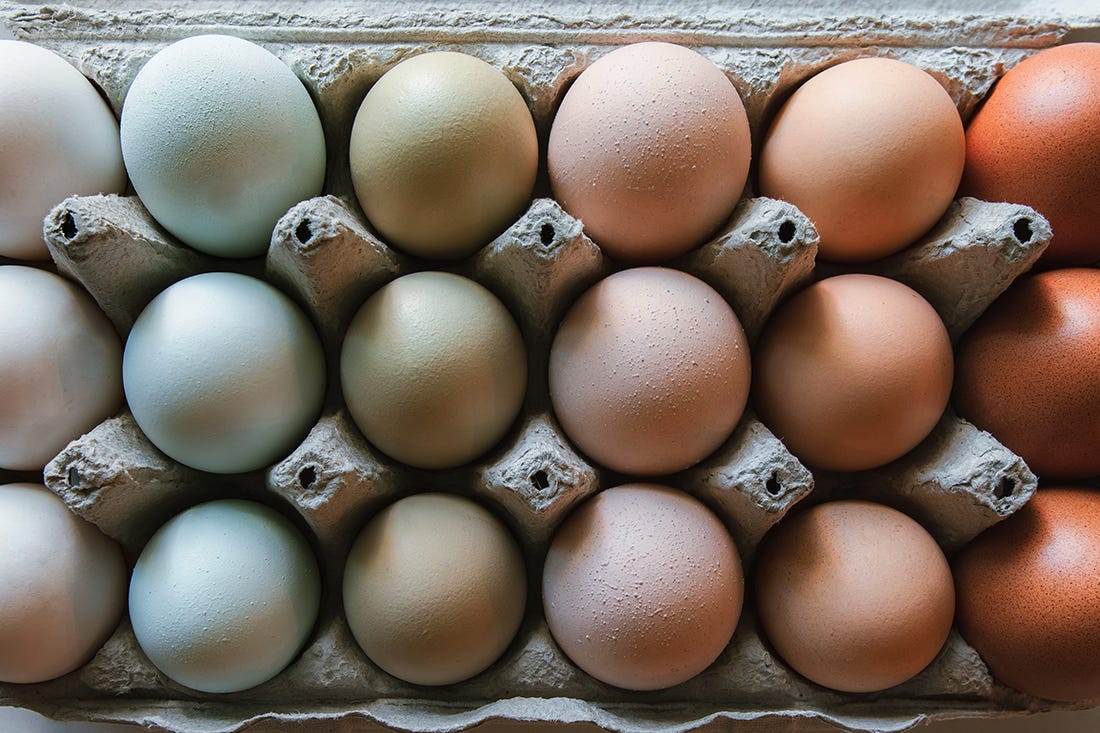
With a wide range of eggs to choose from, let’s look at six common options and their pros and cons.
Conventional (Regular) Eggs. These come from hens raised in cages or crowded barns with little room to move. Their diet is typically corn- and soy-based, and may include antibiotics. While they are usually the least expensive and widely available, they typically have lower omega-3 content, and the chickens live in less humane conditions than those in other options.