



Welcome to 2026! We are excited about what’s in store here at the Weil Nutrition Corner™. We’ve got lots of great content coming your way this year, including tons of anti-inflammatory recipes, our takes on trending topics, Diana’s Nourished Mama insight, and more.
Subscribe below so you don’t miss a thing!
Today, we are taking a look at Diet Resolutions - at the start of the new year, many people try new diets, which may also be codes for different restrictive ways of eating. Rather than diet resolutions and restrictions, we prefer a “nutrition by addition” approach, focusing on adding lots of yummy anti-inflammatory foods. Ultimately, finding a diet that is easy to follow and stay with will benefit you and your health the most in the long run.
Check out the recipes we’re sharing today to help inspire you:
Tuscan Kale Salad
Dr. Weil’s Better-Than-An-Apple-A-Day Cake - New!
Barley and Vegetable Soup
Tofu Fajitas - New!
Mediterranean Olive and Salmon Bowl
We’re also spotlighting nuts, which we both think are excellent additions to an anti-inflammatory kitchen. See the ones we like most, and how to add them to more of your meals.
Finally, if you missed our announcement last week about our upcoming New Year Fresh Start Challenge, check it out and sign up to be part of it - it’s free for all, with lots of extras for our VIP subscribers. It’s based around the update of the Anti-Inflammatory Food Pyramid (check your inbox tomorrow for more on that), and includes action steps, food reflections, eating guides, a meal plan, and more!


Five “Diet Resolutions” To Try in 2026
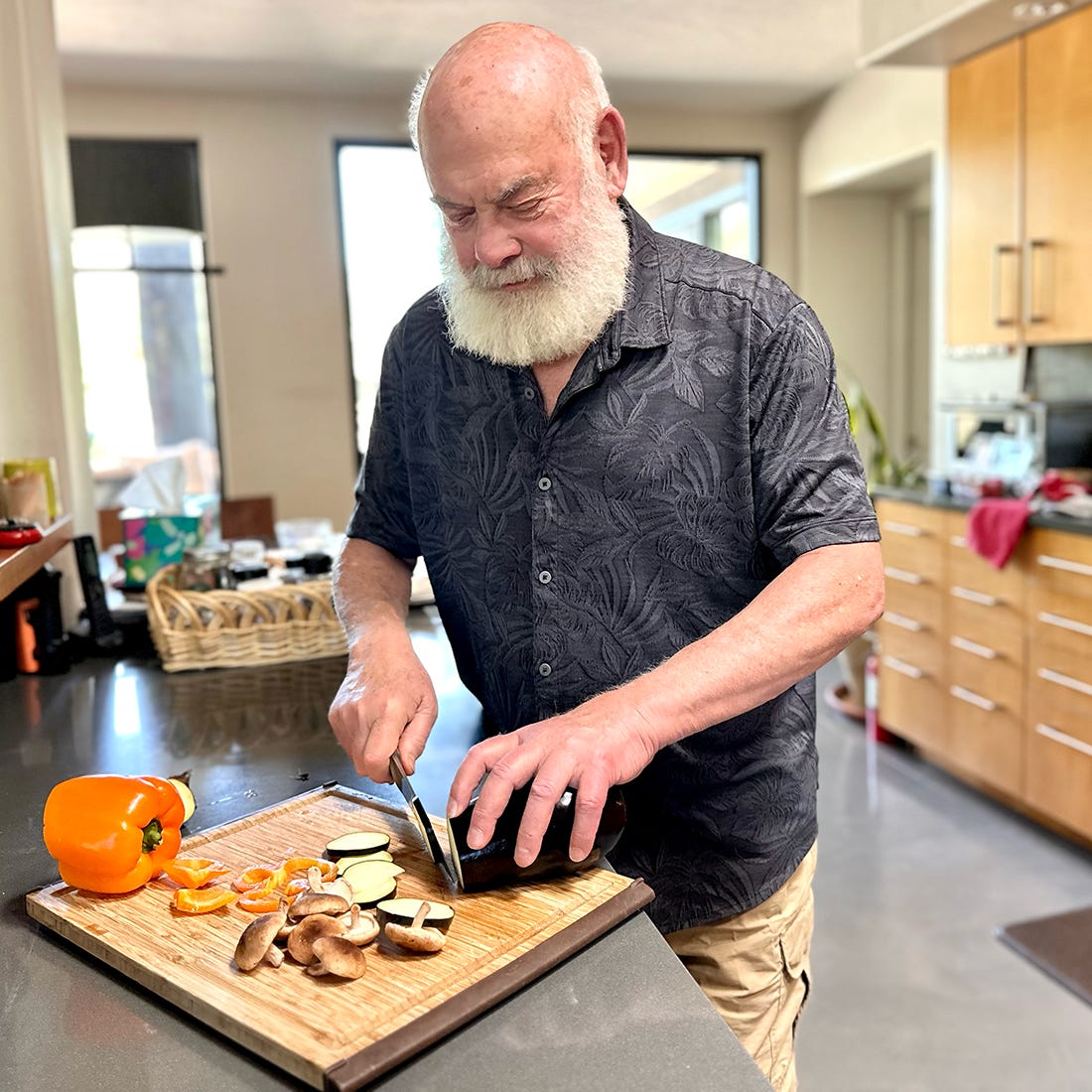
If you want to improve your health, we highly recommend adding in more of these anti-inflammatory foods to your diet. They can make a big difference in how you feel - and even look. Change can take a little effort at first, but as habits develop, it will get easier and easier. Try adding the following foods to your daily diet this month, and soon cooking in an anti-inflammatory way will become second nature; you’ll feel the difference, head to toe.
Use extra-virgin olive oil more. The monounsaturated fat found in olive oil (and nuts) is one of the healthiest types of fat. It’s great for the heart and has been shown to lower your risk of heart disease and heart attacks. Use it as your main cooking oil (in place of seed oils) and as a substitute for butter and margarine in baked goods (it’s good, we promise!). We love to dip bread into it, too. Try the fan-favorite Tuscan Kale Salad featuring olive oil!
Eat more fruit. Eating a wide variety of fruits can provide you with the protective phytonutrients that help modulate and enhance immune function, reduce chronic/unhealthy inflammation, maintain the body's healing system, boost antioxidant defenses, and more. Plus, they are good sources of fiber, which helps to keep your digestive system running smoothly and your gut microbiome happy. Start the day with a fruit salad, add berries to your yogurt, eat a piece of fruit with your lunch, or make your dessert fruit-based. Choose organic fruits (if you can) and eat a wide variety, including as many different colors as you can. Try Dr. Weil’s Better-Than-An-Apple-A-Day Cake, a new recipe free to all!
Eat more vegetable-based meals. For the same reasons you should eat more fruit, you should eat more fresh veggies. Vegetable soups, casseroles, salads, chilis, sandwiches, stews, kabobs, pasta sauces - the list of veggie-friendly meals goes on and on. Many meat-based meals can be tweaked to be made vegetarian, or you can simply add an extra serving of vegetables along with your meat entree. Opt for organic produce as much as you can, and eat a variety of colors. We have plenty of veggie recipes in the Weil Nutrition Corner™ you can search for, or try our Barley and Vegetable Soup recipe.
Replace animal foods with vegetable protein. Whole soy foods contain phytochemicals that have been shown to help prevent heart disease and several forms of cancer. Soybeans are packed with fiber and protein, and tofu is a terrific source of protein as well as heart-healthy unsaturated oil. Experiment with tofu and tempeh, replace ground beef with beans or a soy substitute, and toss chickpeas into salads instead of chicken. You’ll still get the protein, but with far less fat and more fiber. Try our Tofu Fajitas recipe - new and free for all!
Eat salmon or other sources of omega-3 fatty acids at least twice a week. Omega-3s appear to protect the body against heart attack, stroke, cancer, inflammatory diseases like rheumatoid arthritis, and more. Look for fresh or frozen wild Alaskan salmon or canned sockeye, sardines packed in water or olive oil, herring, and black cod (also known as sablefish and butterfish). Non-fish sources of these essential fatty acids include omega-3-fortified eggs, flaxseeds (freshly ground), and walnuts. Our Mediterranean Olive and Salmon Bowl recipe is a great place to start!

Nuts for Hormone Balance
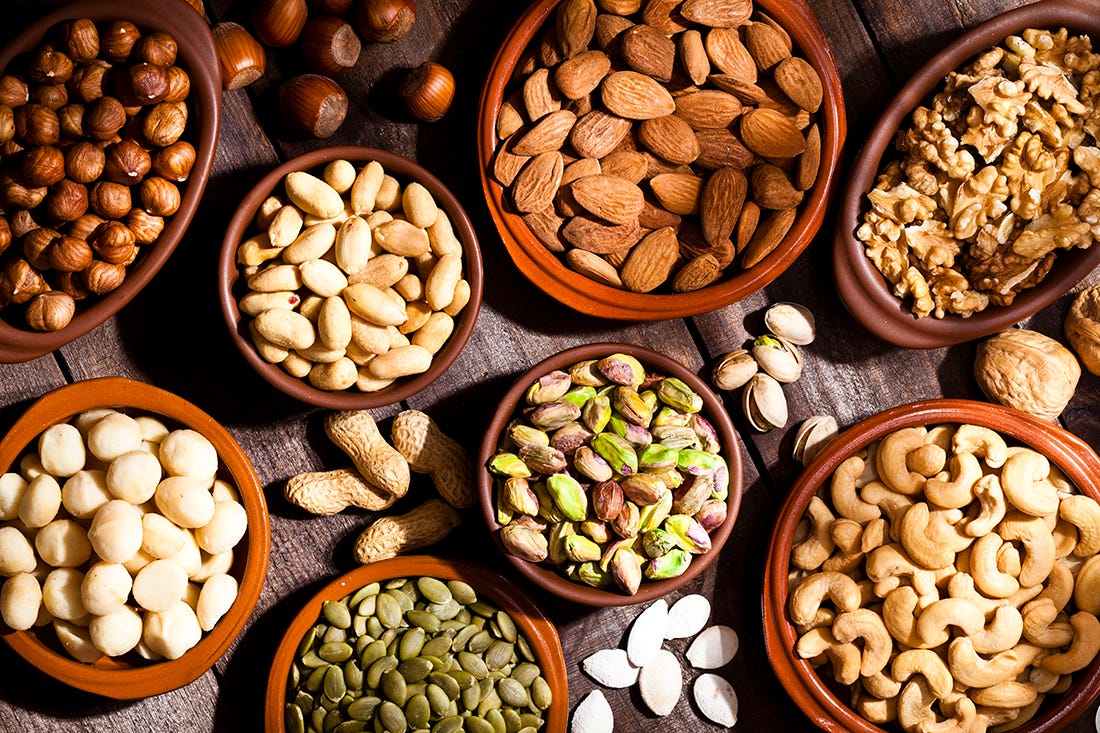
Fresh nuts can be part of a healthy, well-rounded diet. They are packed with healthy fats, protein, vitamin E, magnesium, and other vital nutrients. Nuts offer up a variety of health benefits through their nutrients, from their healthy fats that can support hormone production and balance, which plays a role in skin clarity, hair health, and energy levels, to their polyphenols, which can combat oxidative stress and chronic inflammation, two drivers of aging and disease. Eaten in moderation, they can lower your risk of heart disease and heart attacks. Since many nuts are now available year-round, including them in your diet is simple. We prefer raw or lightly toasted, unsalted varieties.
This month, let’s take a look at nuts and those you should consider!