



Happy Wednesday! We are thrilled to announce that the due date has arrived: Diana’s Nourished Mama Collective series launches today! This series is free for everyone, so please forward this email to anyone you think may benefit from nutrition, supplement, and lifestyle insight when it comes to pregnancy and motherhood. We will be covering all phases of pregnancy, with an emphasis on how women can stay healthy and nourished throughout this amazing journey!
We’re also taking a look at peri-menopause and the foods women should focus on. Peri-menopause is a hot topic, and we’re glad it’s finally getting the attention it deserves. Read our takes and the info within to help navigate this transitional period of life when hormones are shifting - and our paid subscribers can try the Healthy Hormone Smoothie recipe we’ve shared below!
We want to know: Are there any milestone events in your lifetime you would like us to cover? Share in the comments!
(P.S. Become a paid subscriber to join the full conversation.)

The Nourished Mama Collective Is Live!
Welcome to the Nourished Mama Collective! I’m so glad you’re here.
Pregnancy is one of the most vulnerable times in life, and for good reason. How we eat and live directly affects another little being. Because of this, I’ve also seen pregnancy become a time when companies and social media seem to prey on and profit from people’s fears.
I started this column to create a space where we can connect, ask questions, share stories, and lean on science-backed nutrition and lifestyle tips - without the fearmongering.
To join the community and comment, visit the Nourished Mama Collective area in The Weil Nutrition Corner - these posts will live there, and commenting is open to everyone! I would also be so grateful if you forward this post to anyone you know who may benefit from the insight and community!

My husband and I always knew we wanted to be parents, but our path wasn’t straightforward. Because of a genetic factor my husband has, we suspected getting pregnant might be difficult for us. When we were ready, we went in for routine checkups and soon learned that we would need to pursue IVF. At first, I felt really intimidated and overwhelmed by the process, but we like to say we are the lucky, unlucky ones. One egg retrieval, one transfer, and I was pregnant with our little Elio. I know that’s not everyone’s reality, and I don’t take it for granted.
It was during IVF that I first saw how much misinformation surrounds fertility and pregnancy. I came across unfounded warnings about foods that could “ruin” treatment, fears about embryos “bouncing out” after transfer, and even superstitions about McDonald's fries and pineapple being the key to success. The pressure to get everything perfect in pregnancy, especially while undergoing fertility treatment, seems constant.
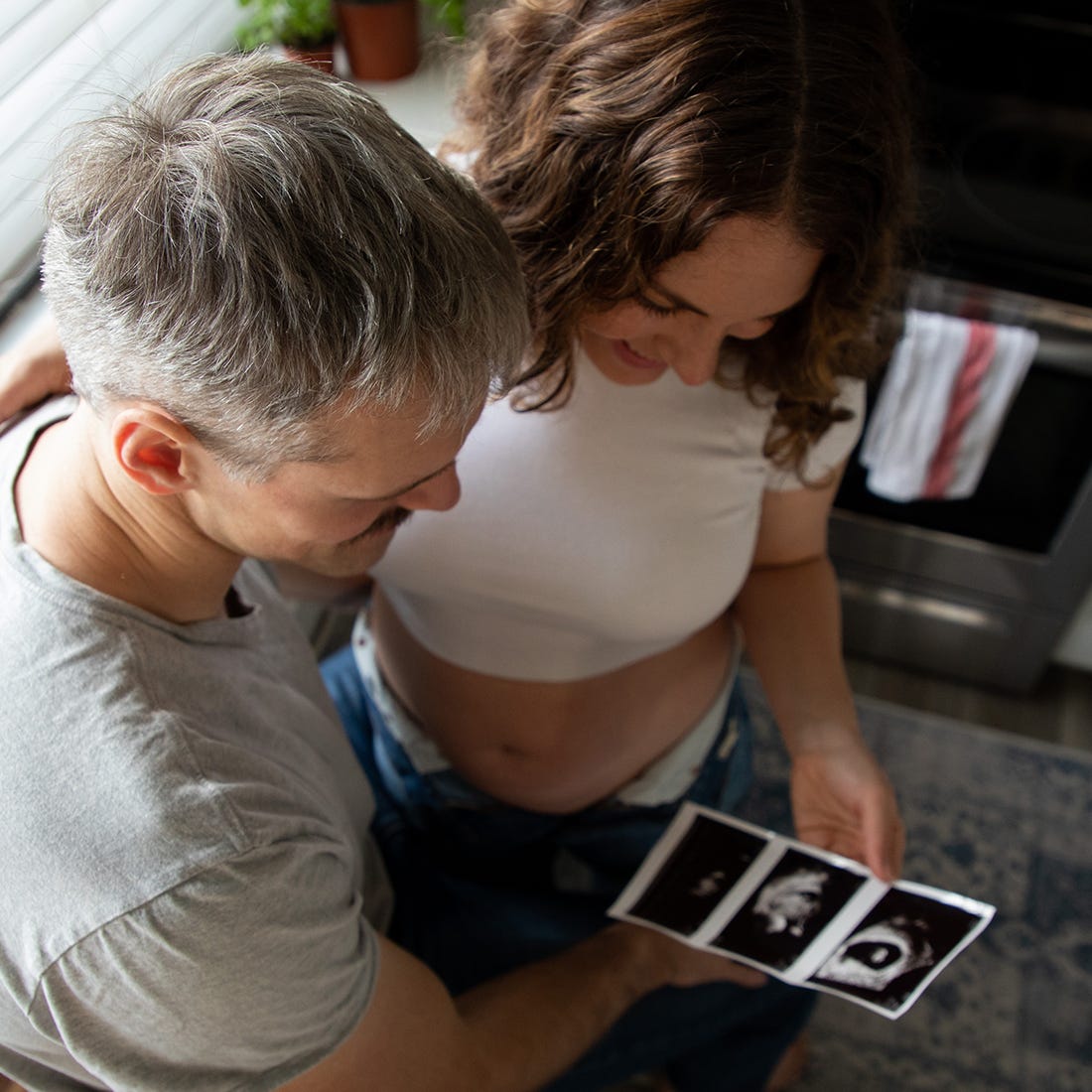
One of the first things I ignored was the recommendation not to let my heart rate go above 140 bpm and to avoid lifting more than 25 pounds. Of course, every pregnancy is different, and it’s essential to follow your medical team’s guidance, but for most healthy pregnancies, staying active improves outcomes. So why are we still telling women to sit still for nine months?
One of the most surprising parts of pregnancy for me was how hard it was to watch my body change. I’ve spent my career helping people build healthy relationships with food and their body, and I’ve long let go of the idea that weight equals worth. Still, gaining over 40 pounds and navigating postpartum recovery after a semi-emergency C-section challenged me in ways I didn’t expect. Throughout my pregnancy, birth, and recovery, I had to learn to advocate for myself, rebuild trust in my body, and eventually found myself feeling healthier and stronger than I was before IVF.
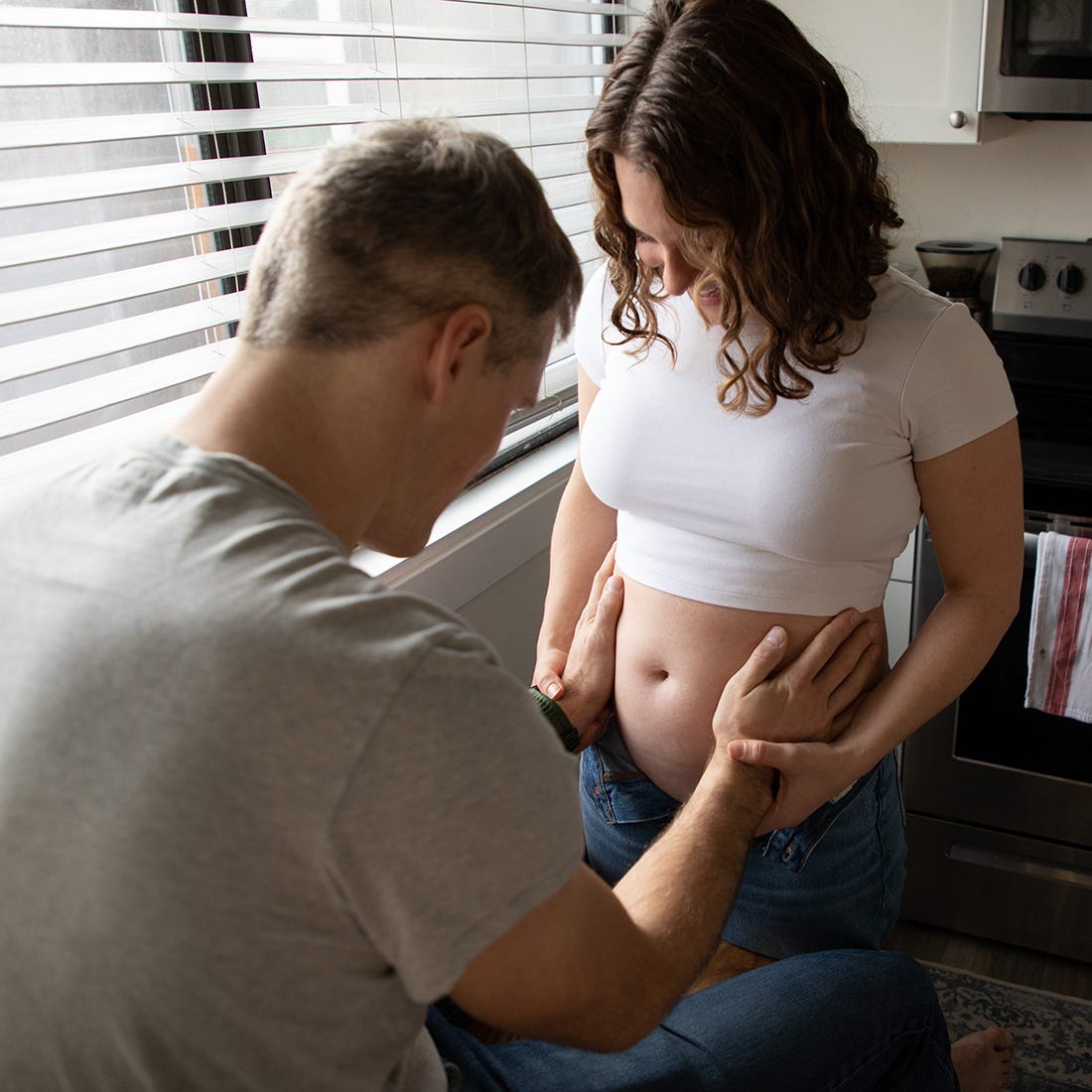
Through it all, I learned to tune out a lot of the noise. I stopped listening to random accounts on social media and leaned instead on research, trusted experts, and my own intuition.
I want to share my story with you all because transparency can be a lifeline, and it’s reassuring to know that most of us land somewhere in the middle, not at the extremes that often seem to be the loudest.
In the Nourished Mama Collective, I’ll share pieces of my own journey, from how I supported egg quality before starting IVF, to my specific prenatal supplement routine, to the foods I prepped for postpartum recovery, while also digging into bigger questions, like why seed oil is in infant formulas, how to nourish yourself while breastfeeding, and how to support your immune system when your kid starts daycare or school (IYKYK).
I love the phrase “mother the mother,” and that’s the heart of what I want this space to be. A place where we can care for one another, find connection, and gain helpful insights in a world that can feel overwhelming and isolating.
As we begin this journey, I’d love to hear from you: What topics do you want me to cover and discuss? Whether it has to do with pregnancy, fertility, miscarriage, or raising a newborn, let me know.
Visit this post in the Nourished Mama Collective and share in the comments.
-Diana

What to Eat and Avoid in Perimenopause
Dr. Weil's Take:
Perimenopause is a natural stage of life, but the hormonal changes can bring uncomfortable symptoms such as hot flashes, mood changes, and disrupted sleep. Diet and lifestyle choices can help to make this transition easier.
I recommend focusing on an anti-inflammatory diet as the foundation. That means eating plenty of vegetables, fruits, whole grains, legumes, nuts, and seeds, along with omega-3–rich fish like salmon or sardines. These foods help counter inflammation and support cardiovascular and brain health, both of which are especially important during this stage. Soy foods such as tofu, edamame, and miso may be particularly helpful. Studies show that phytoestrogens in soy can modestly reduce hot flashes and support bone health. Flaxseeds, lentils, and chickpeas are other plant sources of these beneficial compounds.