



Today, we are taking a look at MSG - what it is, why it became stigmatized, and the big question: is it Ok to eat now? See what we have to say!
Plus, we’re spotlighting sorghum - an ancient grain that also happens to be a great source of protein. A good addition for anyone wanting more fiber and plant-based protein in their diet!
We’d love to hear from you!
What are your views on MSG? Love it? Avoid it? Share in the comments!
(P.S. Become a paid subscriber to join the full conversation.)


MSG: OK To Eat Now?
Dr. Weil's Take:
The fear surrounding MSG (monosodium glutamate) stems largely from a single letter published in the New England Journal of Medicine in 1969, where the author described a collection of vague symptoms –headache, flushing, and sweating – after eating Chinese food. This so-called “Chinese Restaurant Syndrome” sparked a cascade of studies, media coverage, and public concern, most of which lacked any scientific rigor. Despite years of scrutiny, no solid evidence shows that MSG is harmful to the general population.
MSG is a form of glutamate, an amino acid that naturally occurs in many foods such as Parmesan cheese, tomatoes, mushrooms, and even breast milk. It delivers the “umami” taste that people value. Originally marketed as a flavor enhancer to sprinkle on food, it was a popular kitchen staple until it fell out of favor. Despite decades of alarmism, the FDA considers MSG “generally recognized as safe” (GRAS), a classification based on extensive review.
I have seen massive containers of MSG in Chinese restaurant kitchens, where cooks would add scoops of it to wok dishes. In those amounts, it certainly made people thirsty and maybe affected
some in other ways. But in small amounts, I consider MSG harmless. Some people do report sensitivity to MSG - usually only at large doses and on an empty stomach - but even then, studies haven’t consistently replicated those reactions in controlled settings.
What’s particularly troubling is how MSG panic became entangled with xenophobia. The initial outcry focused almost exclusively on Chinese food, despite MSG being common in all sorts of processed foods and Western restaurant kitchens. It’s a good example of how cultural bias can distort our understanding of food and health.
My opinion? MSG is not the villain it was made out to be. If you enjoy foods that contain it, which many of us do without even realizing it, there’s no compelling reason to avoid it.
Diana’s Take:
My dad did a great job explaining what MSG is and why it’s unlikely to be harmful. What I find the most troubling about this whole thing is that the widespread fear of MSG stemmed from one deeply flawed and racially biased person. It’s a good reminder of how misinformation can take root and linger for decades.
MSG, or monosodium glutamate, is responsible for that rich, savory taste we often call umami, which is often called the “fifth taste.” The word umami means “savory” or “meaty” in Japanese and can be found in foods like mushrooms, tomatoes, aged cheese, and seaweed (something that surprised me when I started unpacking the belief that MSG was bad).
MSG was initially extracted from seaweed broth but is now typically produced through fermenting the starch in sugar beets or sugar cane. The MSG that occurs naturally in food and the additive used in cooking are chemically identical.
The FDA, as well as the Australian, United Kingdom, and European agencies that regulate food have all classified MSG as safe. So what about the people who report symptoms after eating it? It’s hard to say honestly. I believe that individual food sensitivities exist, and I believe the symptoms people report are real. But in at least one study, people who claimed to be MSG-sensitive were given the additive without knowing it, and not a single person reacted.
I also think MSG can have a few upsides. It can be helpful in vegan or vegetarian cooking to add flavor that’s hard to get without animal products. It can also help reduce sodium content without sacrificing taste.
But even so, I’ll admit I still find myself hesitating when I see it on an ingredient list. Despite all the compelling research, I’m having a hard time letting go of this old, flawed belief. But something I’m working on! But I do think it’s probably best to stay away from packaged foods that list monosodium glutamate or MSG on the label, not because I think MSG itself is harmful but because it’s often found in ultra-processed foods that include other ingredients we do know aren’t great for our health.
About MSG
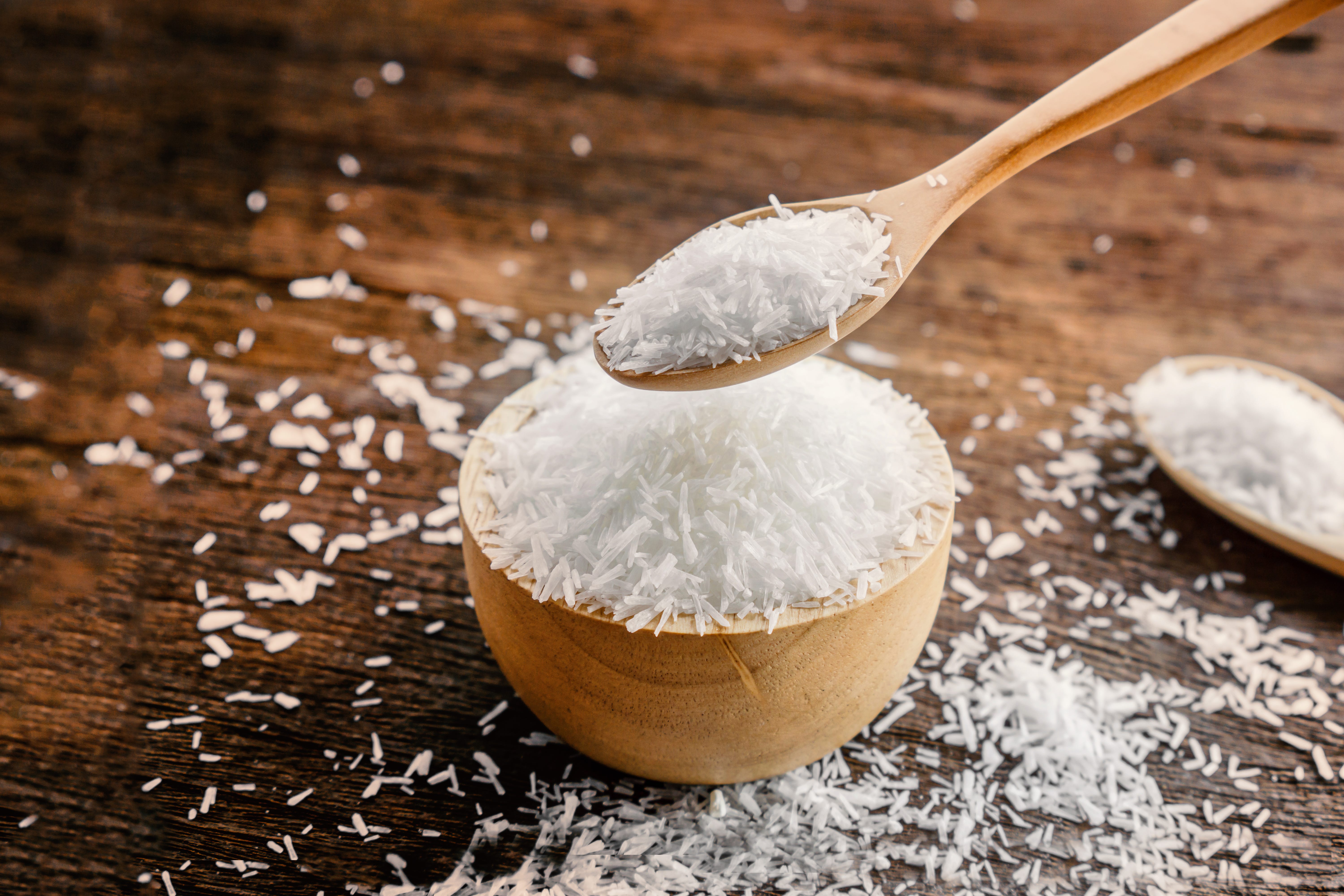
Monosodium glutamate (MSG) is a flavor enhancer commonly added to savory foods to boost their umami taste. It is the sodium salt of glutamic acid, a naturally occurring amino acid found in many foods like tomatoes, mushrooms, and aged cheeses.
MSG has been used in cooking and food production for over a century, particularly in processed foods, canned soups, snack foods, instant noodles, and restaurant dishes, especially in Asian cuisine.
MSG stimulates umami receptors on the tongue, enhancing savory flavors, especially in protein-rich foods. It is used in small amounts (often less than 0.5% by weight of food) and is chemically similar to glutamate naturally found in many whole foods.
Is MSG Safe?
According to leading health authorities, yes, MSG is considered safe for the general population. The U.S. Food and Drug Administration (FDA) says MSG is “generally recognized as safe (GRAS);” The World Health Organization (WHO) and Food and Agriculture Organization (FAO) have no restrictions on intake for MSG; The European Food Safety Authority (EFSA) considers MSG to be safe within normal dietary consumption levels.
How Did MSG Become a Stigmatized Food?
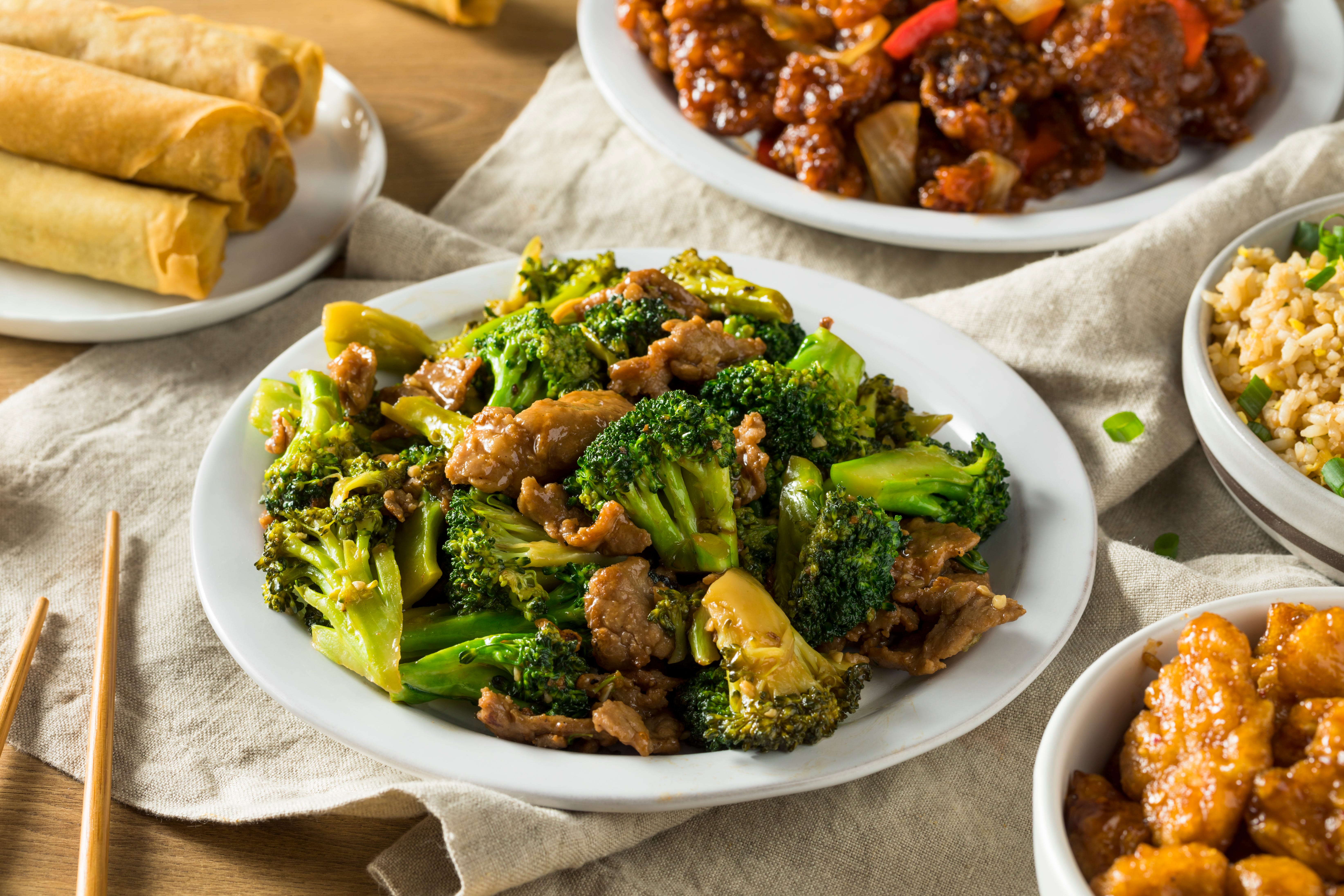
In 1968, a letter published in the New England Journal of Medicine by Dr. Robert Ho Man Kwok described symptoms such as headache, flushing, or numbness after eating Chinese food, speculating that monosodium glutamate (MSG) might be the cause. The media quickly coined the term "Chinese Restaurant Syndrome,” leading to widespread misconceptions and stigma - particularly toward Asian cuisine, despite MSG also being widely used in processed Western foods (like snack chips, soups, and frozen meals).
While a small subset of people may be sensitive to large doses of MSG consumed on an empty stomach, these effects are usually mild and short-lived.
Over the past several decades, many studies have attempted to determine whether MSG causes these symptoms. In controlled trials where participants were unaware whether they received MSG or a placebo, most did not react to MSG alone. When symptoms did occur, they were inconsistent, rare, and only at high doses of MSG eaten without food.
Today, most health experts agree that MSG is safe for the vast majority of people, and if any symptoms occur, they’re likely due to overconsumption, individual sensitivity, or other ingredients (e.g., sodium, spices), not MSG itself.
MSG vs. Natural Glutamate
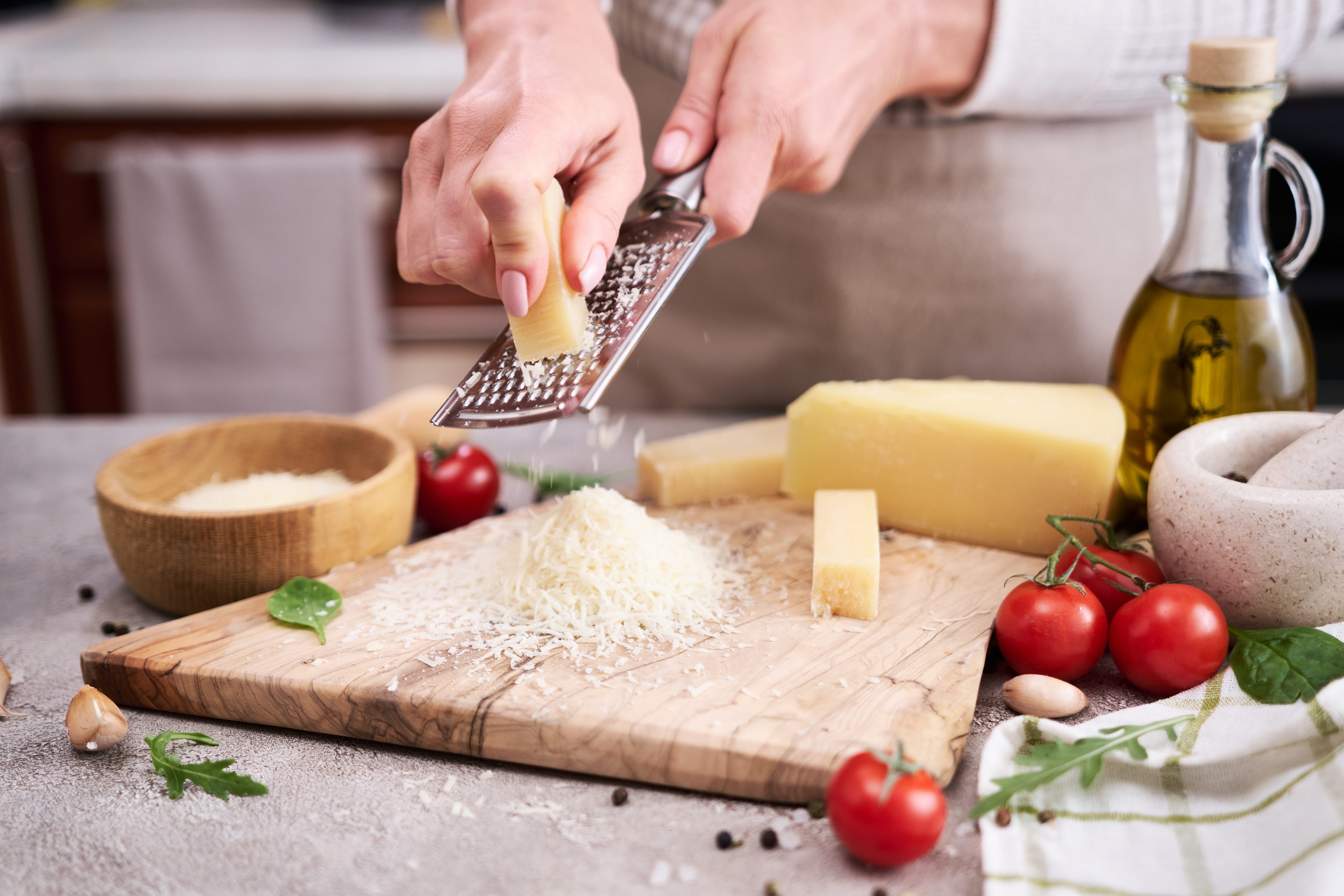
Glutamate in MSG is chemically identical to the glutamate found in Parmesan cheese, seaweed, tomatoes, soy sauce, and meat broth. Your body metabolizes it the same way, whether it comes from MSG or a tomato.
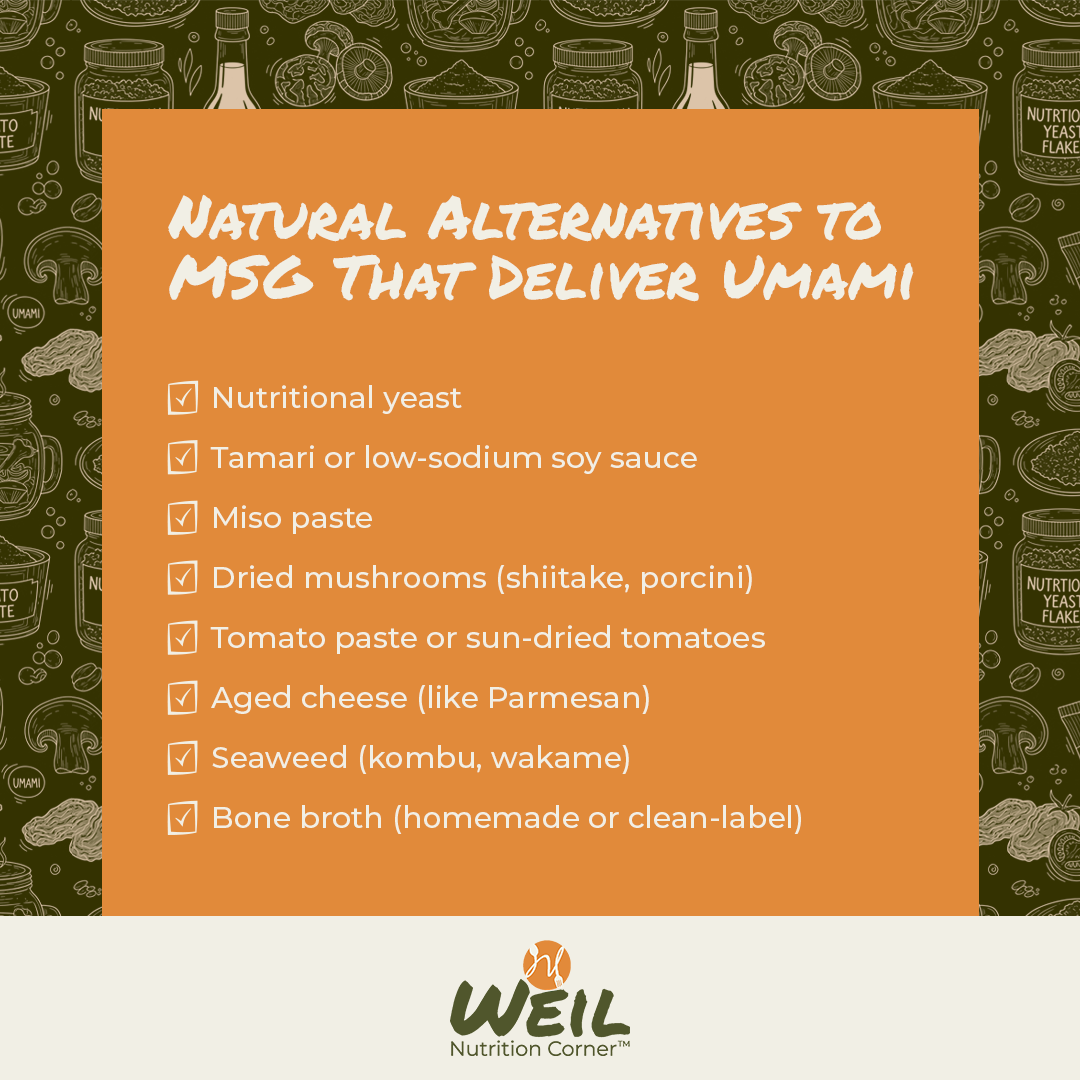
If you are looking for natural MSG alternatives, try the following:
What Foods Use MSG?
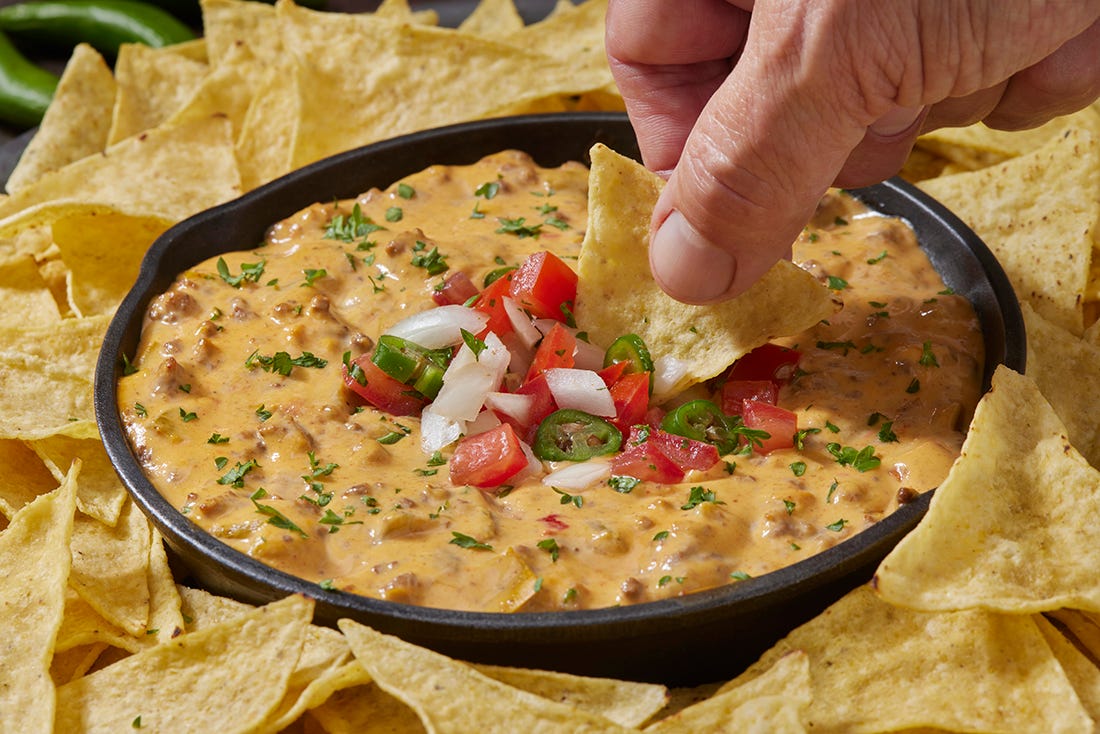
The following foods are known to commonly use MSG:
Instant noodles and seasoning packets
Canned soups and broths
Frozen meals
Chips and snack mixes
Fast food and takeout
Salad dressings, sauces, and gravies
Processed meats (e.g., lunch meat, sausage)
How to Spot MSG on an Ingredient Label
MSG and related flavor enhancers can appear under various names, especially in processed or packaged foods. Look for the following:
Monosodium glutamate (MSG)
Hydrolyzed vegetable protein (HVP)
Hydrolyzed plant protein
Autolyzed yeast or yeast extract
Textured protein
Sodium caseinate
Calcium caseinate
Glutamic acid
Gelatin
Soy extract
Protein isolate or concentrate (e.g., soy, wheat)
Terms to Watch For in Ingredient Lists:
"Natural flavors"
"Seasoning" or "flavoring"
"Umami seasoning"
Note that these don’t always contain MSG, but they often contain free glutamates, which behave similarly in the body.
Tips for Minimizing Processed MSG Intake
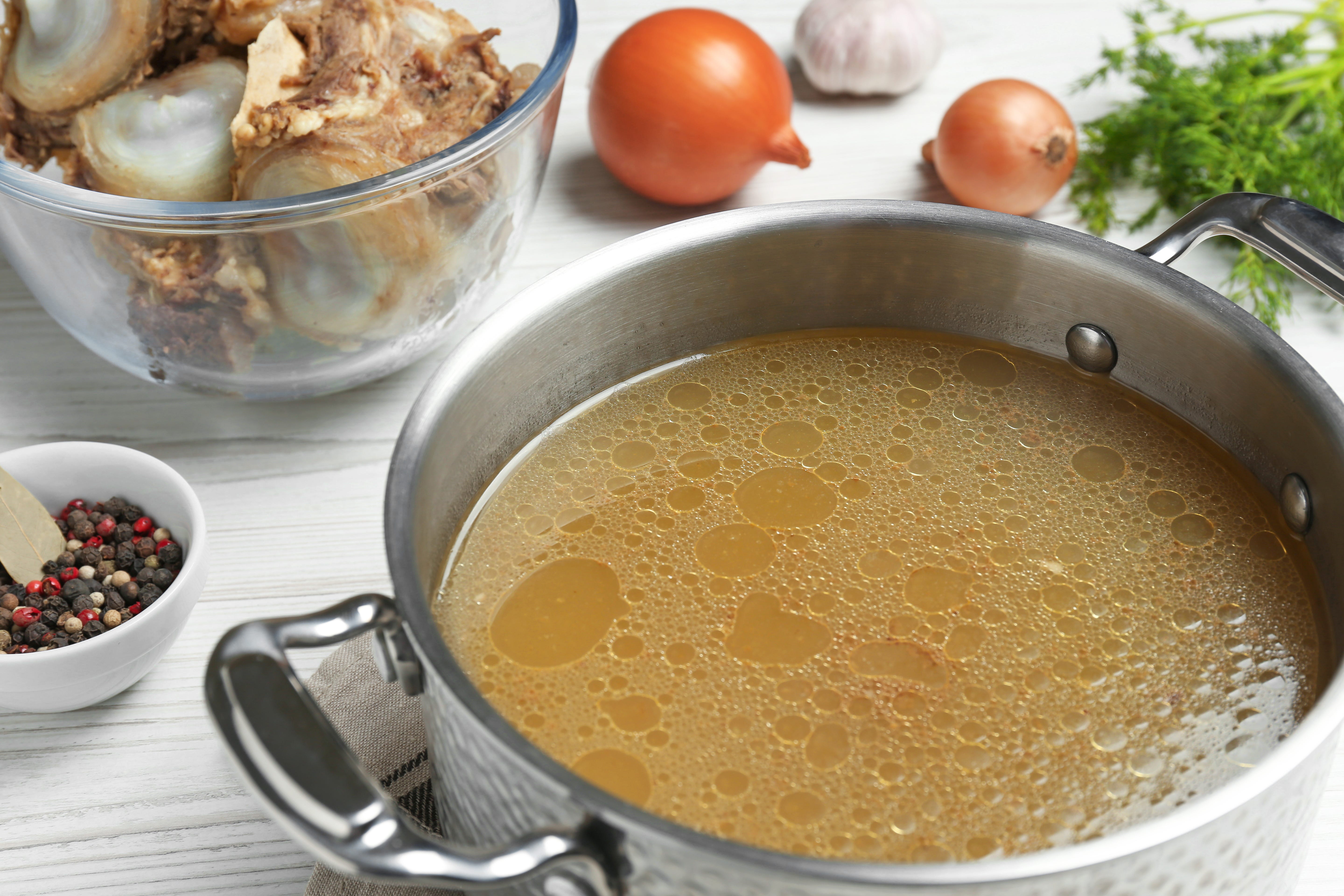
While MSG is considered safe, you can minimize your intake by choosing minimally processed, whole foods; reading labels carefully, especially on “savory” packaged foods; cooking at home using herbs, spices, and natural umami-rich ingredients; and using homemade broths, sauces, and spice blends.
Sources:
simplyspeciosa.com+3foodsafety.institute+3ecfr.gov+3
msgfacts.com+8he01.tci-thaijo.org+8foodsafetyplatform.eu+8
apps.who.int+9kidsadvisory.com+9efsa.europa.eu+9

Sorghum: A Protein-Rich Ancient Grain
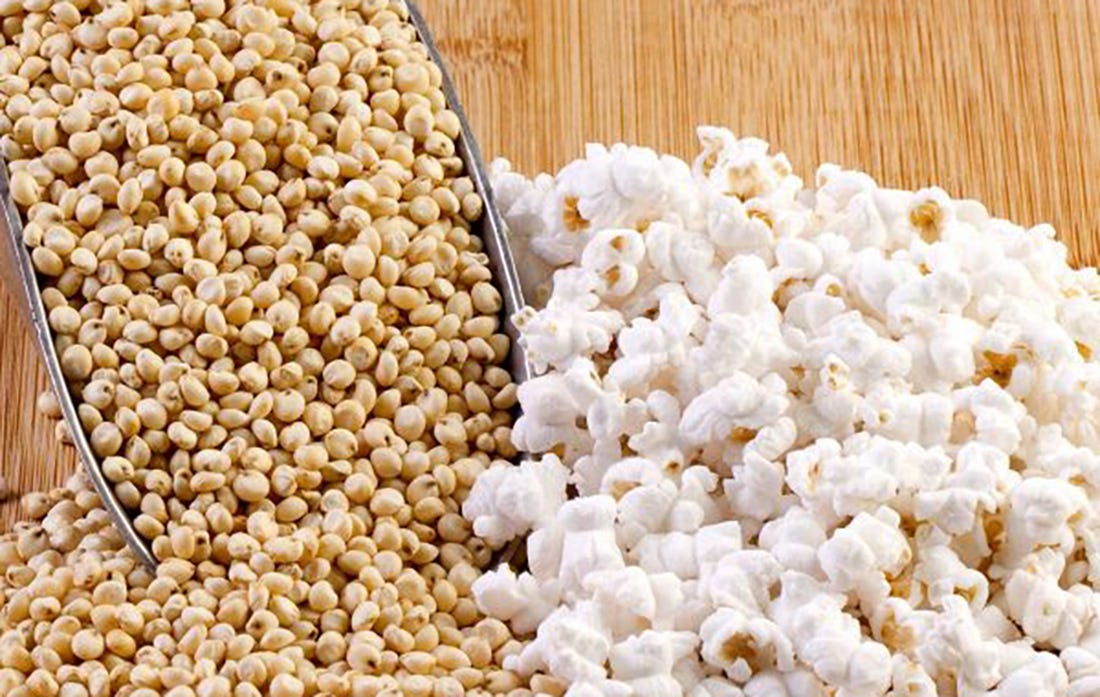
Sorghum is an ancient whole grain that’s naturally gluten-free, high in fiber, and rich in healthy plant compounds. It’s often used in both sweet and savory dishes and can be eaten whole, popped like popcorn, ground into flour, or cooked like rice.
How Sorghum Supports Muscle Strength and Health
Like many whole grains, sorghum is a good source of protein and can be part of a healthy, anti-inflammatory diet. When it comes to building and maintaining healthy muscle, sorghum is a great addition to your diet. Some stand-out benefits of sorghum include:
It’s a Great Source of Plant-Based Protein. Sorghum contains about 10–12 grams of protein per cup (cooked), which supports muscle repair and growth, which is especially beneficial for active individuals or those on plant-based diets.
It’s High in Magnesium. Magnesium plays a critical role in muscle contraction, nerve signaling, and energy metabolism. Sorghum is a good source, helping maintain muscle performance and reduce cramping.
It’s A Complex Carbohydrate That Promotes Steady Energy. Its slow-digesting carbs offer a steady source of fuel for workouts and recovery, unlike refined grains that may spike blood sugar and then cause a crash in energy levels.
It Has Antioxidants That Promote Recovery. Sorghum is particularly rich in polyphenols and antioxidants (especially dark-hued varieties), which may help combat exercise-induced oxidative stress and inflammation that can impair muscle recovery.
It Offers Up Iron and B Vitamins. Iron supports oxygen delivery to muscles, while B vitamins help convert food into energy - both essential for muscle endurance and performance.
How to Use Sorghum
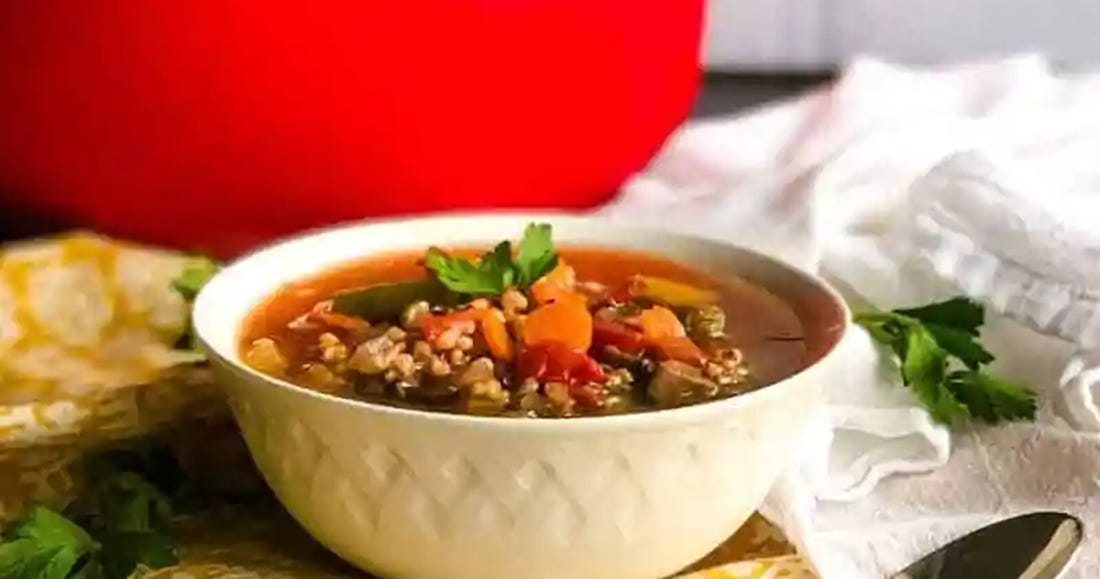
You can find sorghum in most natural grocery stores or in the natural/organic aisle in larger groceries. We like to use it by:
Cooking and adding to grain bowls, soups, or salads - it’s especially delicious added to tomato-based soups as a crunch topping.
Using sorghum flour in baked goods or pancakes for an added dose of protein
Snacking on puffed sorghum as an alternative to popcorn. Add some nutritional yeast for an umami snack!

Summer salad recipes
How to make pickles
Seasonal foods
How to make cashew milk
For me MSG is a toxin. It causes me restless arms and legs and headaches and I know I am not alone in this.