



Happy Monday! Today, we are bringing a different type of conversation to the Weil Nutrition Corner™ - mindful eating. Creating a healthier relationship with food and incorporating more mindfulness into your meals is important for both of us, and something we want to share with you all. Read on to learn how we practice mindfulness when eating.
We also share some health(ier) muffin recipes! Muffins can be an easy on-the-go snack, and with a few tweaks, they can also be a healthy option. See our tips and try out these muffin recipes:
Blueberry Oat Muffins (free for all subscribers!)
Banana Walnut Muffins
Savory Veggie & Cheese Muffins
We also have a new How To video - learn how to roast pumpkin seeds!
We want to know: Do you practice mindfulness when you eat? Share in the comments.
(P.S. Become a paid subscriber to join the full conversation.)


Mindful Eating
Dr Weil:
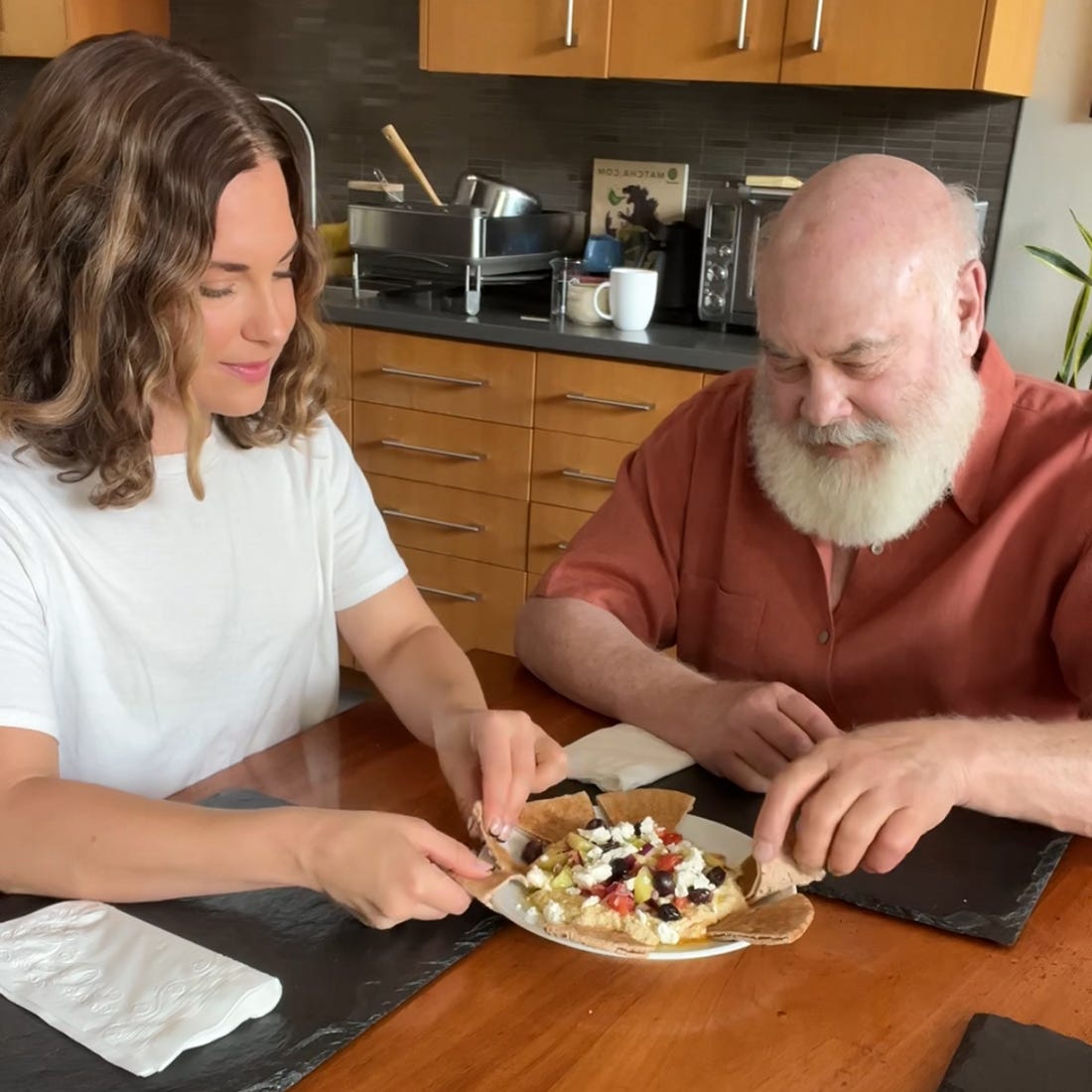
Mindfulness is the practice of bringing full awareness to the present moment. Applied to eating, it means slowing down, focusing on the sensory experience of food, and noticing not only taste and texture, but also our hunger and satiety cues. Too often, meals are rushed or eaten while distracted. These days, many people eat while scrolling on their phone, watching television, or thinking ahead to the next bite before finishing the one in their mouth. Such mindless eating often goes along with overeating, weight gain, and a diminished sense of satisfaction.
There’s a well-known exercise in mindfulness training that I recommend.. Place a single raisin in your mouth and see how long you can keep it there without chewing or swallowing. Pay close attention to its texture, its sweetness, and the way it feels in your mouth. By focusing completely on this small piece of food, you begin to realize how much richer and more pleasurable eating can be when you give it your full attention.
Mindful eating offers many benefits for overall health. It helps prevent overeating by allowing the body’s natural satiety signals to register before you’ve eaten more than you need. It also encourages a healthier relationship with food, one based on appreciation, gratitude, and awareness rather than habit or distraction.
In my own experience, I’ve noticed that when food is truly good, conversation often fades as people focus on the enjoyment of the meal. This is mindful eating at work: less talking, more savoring, and often, less eating overall. By cultivating this practice, you not only enhance your enjoyment of food but also support better digestion, healthier weight management, and a greater satisfaction at the table.
Diana:
To me, health, especially regarding nutrition, is about so much more than just the nutrients on your plate. One aspect of this that I don’t think gets nearly enough attention, and that I see many people struggling with, is their relationship with food. This is a complex subject with many layers, but one way we can begin to improve that relationship is through awareness and mindfulness in our eating habits.
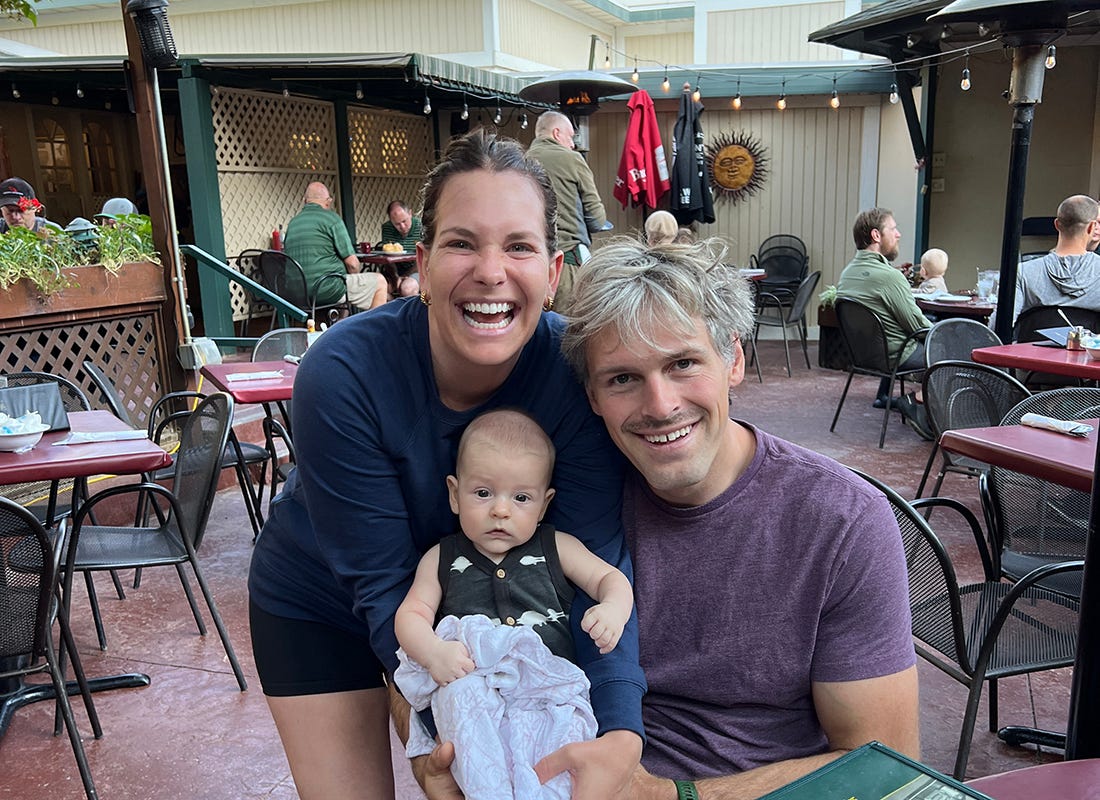
Food isn’t just fuel. It’s meant to bring joy, to taste good, and to serve as a bridge between cultures. Food brings families together, and it’s how we celebrate special moments. And that is so wonderful! Not something we need to change, in my opinion. Yet, I think so many people have underlying feelings of shame, guilt, or distraction when eating. When we feel ashamed of our choices, we may eat quickly, without really tasting the food, or even try to “hide the evidence.” In those moments, the experience of eating becomes disconnected, rushed, and joyless.
I believe that practicing mindfulness is one way to begin shifting this dynamic. One of my favorite tools is a pretty simple exercise that can help bring more awareness of your hunger and fullness cues. Just know that simple doesn’t mean it’s easy! This can be really challenging for many people.
To try this exercise, pause before and after eating every meal to check in with your body. Place a hand on your belly, close your eyes if it feels comfortable, and rate your hunger or fullness on a scale from 1-10 (with 1 being starving and 10 being completely stuffed). Do this consistently for a few days, and you may start to feel a bit more connected to your body’s cues. This can be especially challenging for anyone who has spent years dieting and who has actively tried to ignore these cues.
There’s no judgment here. If you eat past fullness, simply note it with curiosity, not criticism. Over time, this practice can help rebuild trust with your body’s signals and foster greater mindfulness in your eating habits.

3 Healthy Muffin Recipes

All these muffins can be made ahead, frozen, and pulled out as needed - perfect for busy mornings or quick snacks.
Blueberry Oat Muffins

A tasty way to start the day, providing antioxidants and gut-healthy oats.
Banana Walnut Muffins

Walnuts and bananas are a perfect muffin combination in our opinion!