



Happy Monday! Today, we are sharing a bit about why we love matcha. Read more about why we love it and receive a special discount from our favorite matcha brand! We also do a deep-sea dive into grilling seafood. Find out sustainable choices, our top picks for grilling seafood (and how to cook them properly), plus we’re sharing marinade and sauce recipes.
Finally - a look at the seasonal foods we recommend adding to your meals this month. Enjoy!
We want to know: Do you drink matcha tea? If so, what is your favorite preparation? Share in the comments!
(P.S. Become a paid subscriber to join the full conversation.)


Matcha: Our Favorite Tea!
Dr. Weil on Matcha

I’ve been drinking matcha for decades. I first encountered it in Japan many years ago and was immediately taken by the ritual, color, and the sustained, calm energy it gave me. Unlike coffee, which gives many people a jangling feeling, matcha delivers a calm alertness. This is largely due to its high levels of L-theanine. That amino acid works synergistically with caffeine to enhance focus while promoting a sense of calm and well-being.
With matcha, you’re consuming the entire tea leaf, stone-ground into a fine powder, which means you're getting all the beneficial compounds: catechins, chlorophyll, antioxidants, fiber, and more. I drink it almost every day.
I’ve also always felt more drawn to tea culture than coffee culture. Tea encourages mindfulness, contemplation, and connection, whereas coffee culture, especially in the West, tends to be associated with speed, stimulation, and excitement. I think we’d be better off embracing more of what tea represents. Tea culture is rooted in presence and intention - values I believe we could all use more of.
Matcha supports both mental and physical health - and that’s why I continue to recommend it to patients, friends, and family alike.
Diana on Matcha
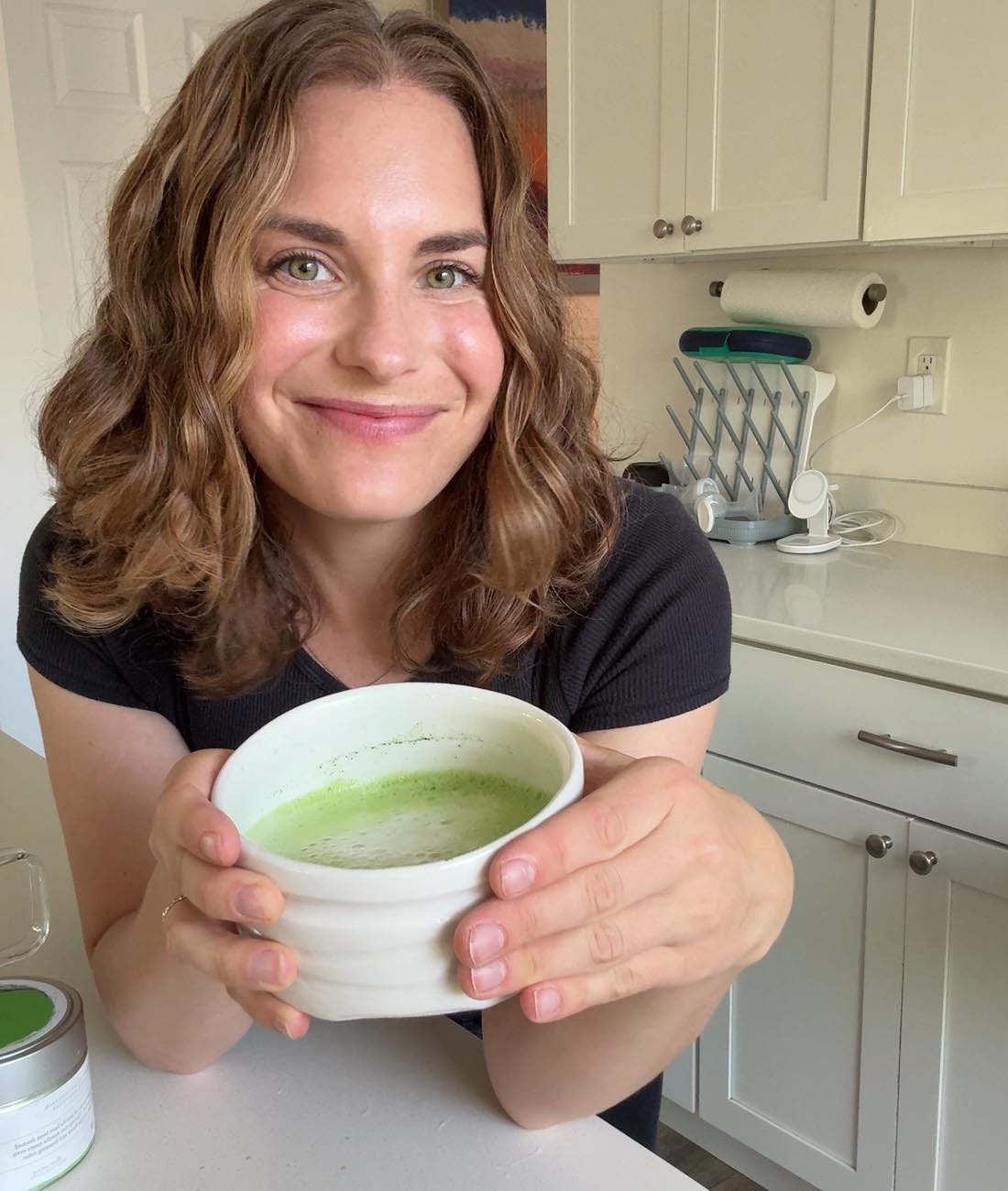
I’ve been drinking coffee since I was a freshman in college, and if I’m being honest, I think it played a big role in the panic attacks and intense anxiety I experienced in my early 20s. Switching to half-caff (a mix of regular and decaf beans) helped a lot. But nothing makes me feel as good as when I only drink matcha.
My dad introduced me to matcha when I was pretty young… and I hated it. He prepares it traditionally, just matcha powder and water; he also likes his matcha prepared with a generous spoonful of matcha tea powder. To me, it tasted bitter and too thick. The only part I looked forward to was the cookie I got to eat with it.
Since then, however, I’ve learned to make it in a way that works for me - with almond milk and a little brown sugar. It gives me the energy I need (so needed as a mom to a young baby) without making me feel jittery or anxious. I’m sensitive to caffeine, and I love that I can have an afternoon matcha without it affecting my sleep.
I think many people could benefit from examining their relationship with caffeine. Even swapping one cup of coffee a day for a cup of matcha might improve your sleep, anxiety, or focus. And for the record - I do still enjoy coffee, too. It doesn’t have to be either or!
If you are interested in learning more about the “fake matcha” that is making headlines, check out next week’s Weil Nutrition Corner™ newsletter for more information.
And save 20% on our favorite matcha: use code “mkweil” for 20% off a one-time purchase at matcha.com!

Your Guide To Grilling Seafood
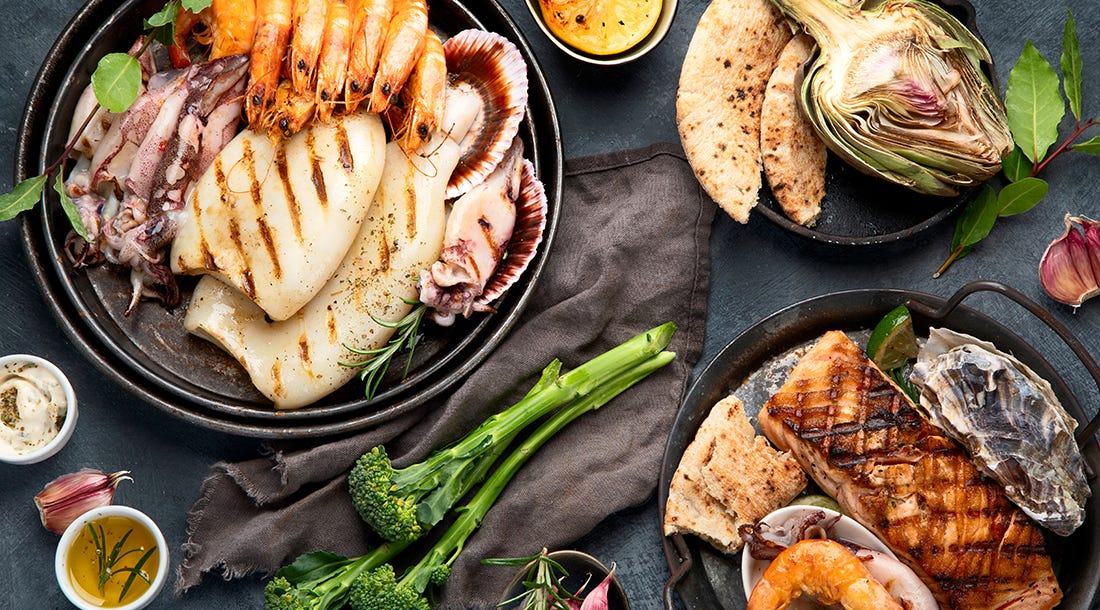
Grilling seafood is a delicious and nutrient-dense way to enjoy the clean protein, healthy fats, and trace minerals that some seafood choices offer. Learn more about sustainable seafood choices, our favorite types of seafood to grill, grilling tips and plenty of recipes!
Why Should You Grill Seafood?
Many types of seafood are rich in lean protein and omega-3 fatty acids, which are essential components of the Anti-Inflammatory Diet. Grilling can be a quick cooking method that preserves nutrients and requires minimal oil or added ingredients.
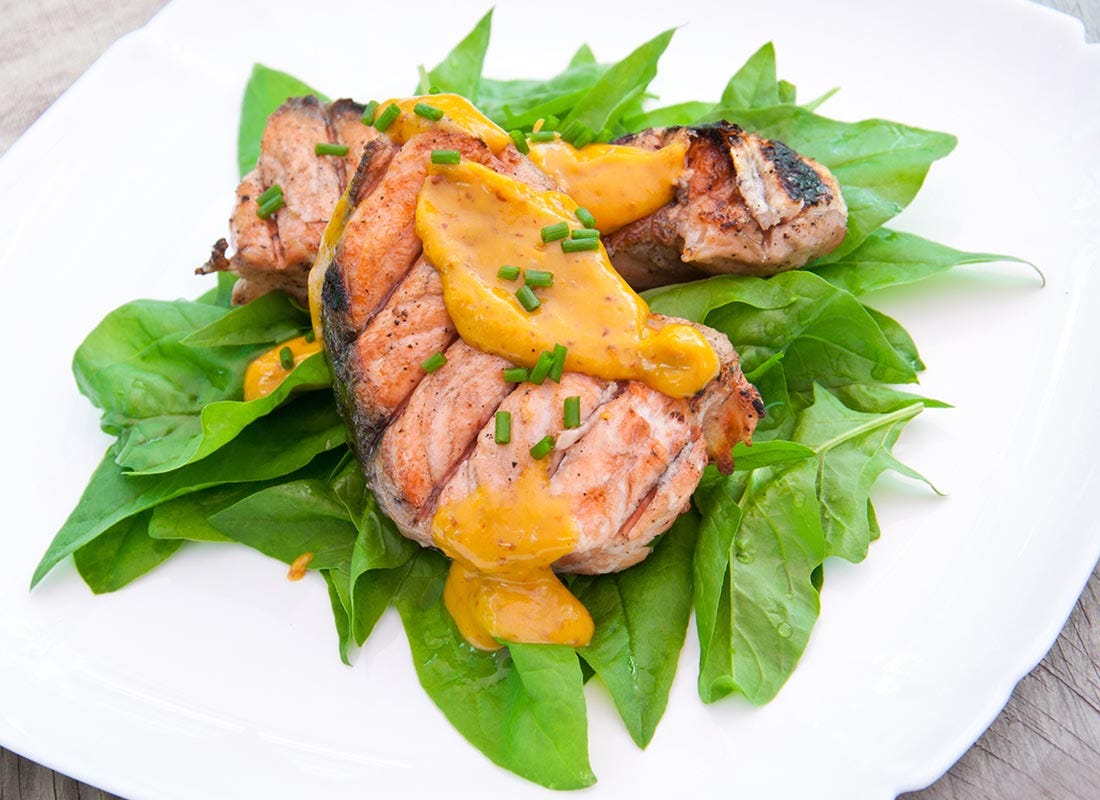
Try one of Dr. Weil’s favorite salmon recipes, Grilled Salmon with Mustard Sauce!
Choosing Sustainable Seafood
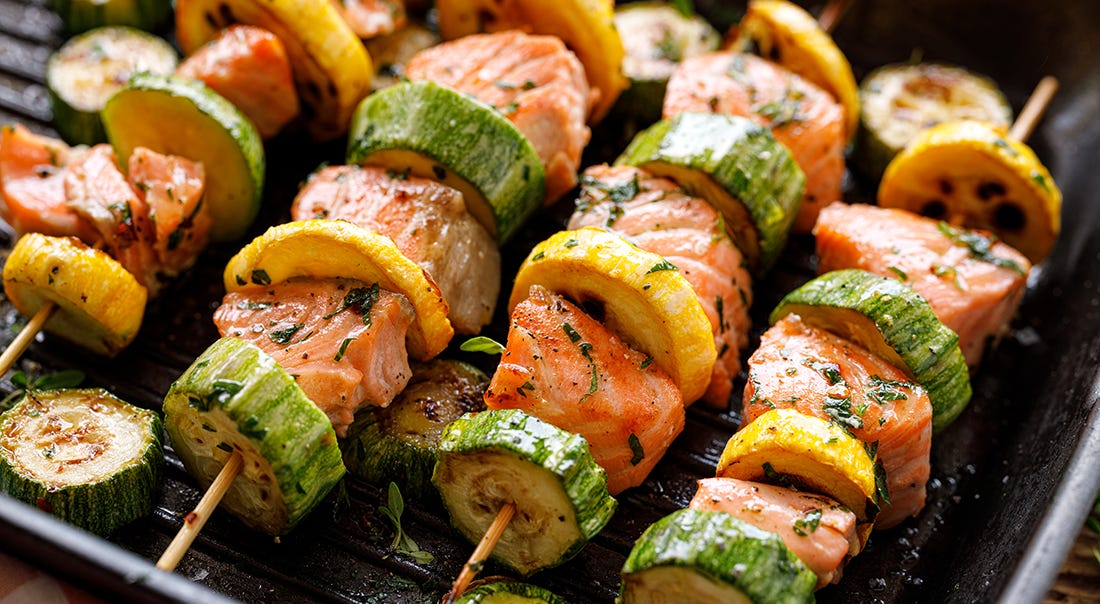
Choosing sustainable seafood is essential, and not just for environmental reasons, but also for your health and the future of our food systems. Without sustainable practices, we risk depleting key fish populations for future generations to come. Choosing sustainable seafood helps protect against overfishing and habitat destruction, while also reducing bycatch and waste. Health-wise, sustainable seafood is often lower in contaminants such as mercury, PCBs, and antibiotics.