



Happy Wednesday! Today we are taking a look at wine - drinking in general has been on the decline in recent years, and our takes on drinking wine reflects this downward trend. Learn more about how our stances have shifted, more insight into wine, and what we suggest you try if you are wanting to minimize or avoid wine or alcohol.


Is Wine Unhealthy?
Here are some pros and cons of what wine can offer to an otherwise healthy lifestyle and diet.
Risks of Drinking Wine

Alcohol’s Health Risks. Even moderate drinking increases the risk of certain cancers (especially breast and digestive tract). It can also raise blood pressure and contribute to liver strain.
Sleep Disruption. While alcohol may help you fall asleep, it often leads to poor-quality, fragmented sleep.
Blood Sugar Impact. Wine contains sugar and alcohol, both of which can disrupt blood sugar balance and energy levels.
Dependency Risk. Regular consumption can increase tolerance and the risk of developing unhealthy drinking habits.
Empty Calories. Wine provides calories without significant macronutrient value, which can contribute to weight gain over time.
Potential Pros of Drinking Wine (in Moderation)
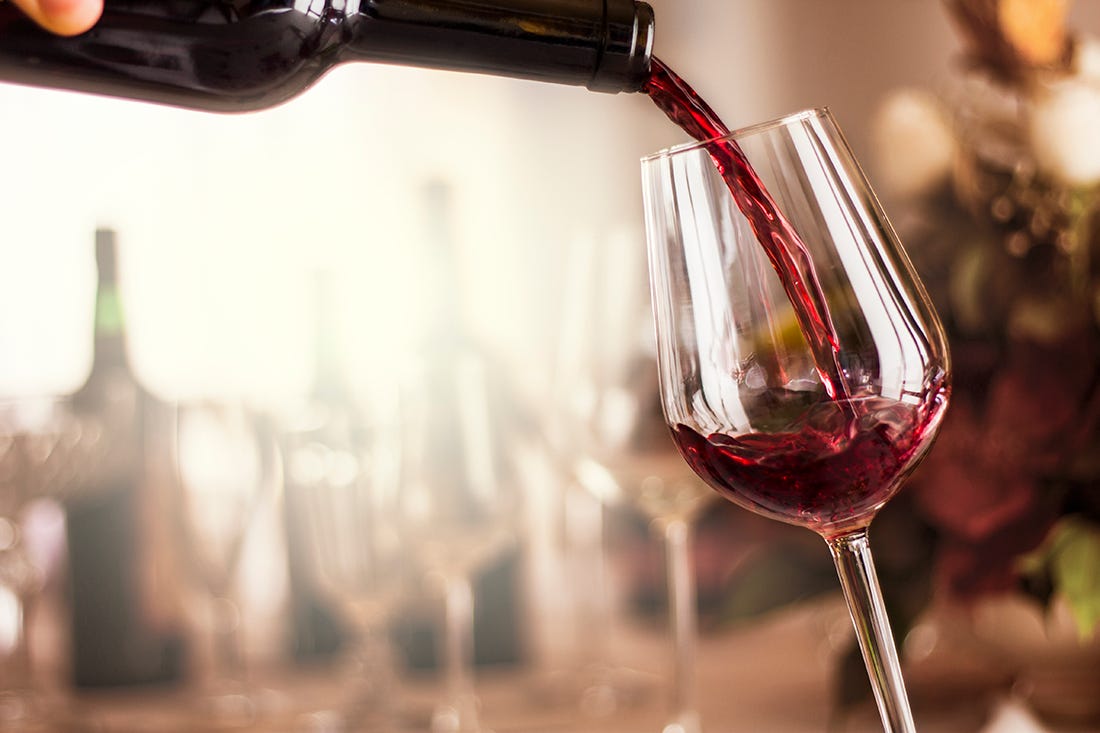
Moderate drinking is typically defined as one glass per day for women and two glasses for men.
Rich in Antioxidants. Red wine, in particular, contains polyphenols such as resveratrol, which may support heart and vascular health.
Cardiovascular Benefits. Some studies suggest moderate intake can raise HDL (”good”) cholesterol and support circulation.
Relaxation and Social Enjoyment. Wine can promote relaxation and is often tied to cultural and social bonding experiences.
Possible Anti-Inflammatory Effects. Certain compounds in wine may help reduce oxidative stress and inflammation at low levels of intake.
Looking For An Alternative To Wine? Try Pique’s Vesper
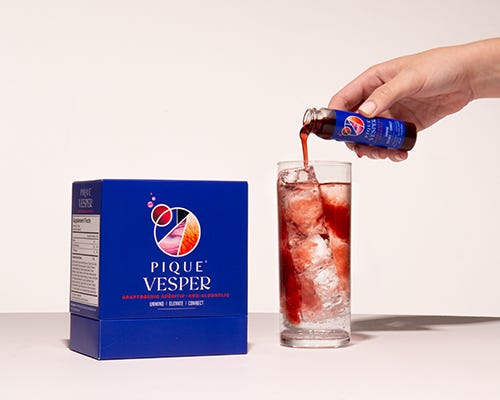
Vesper is a non-alcoholic adaptogenic aperitif, and a wonderful alternative to sip on when you don’t feel like drinking alcohol. In addition to being tasty, Vesper helps to relieve tension, promote relaxation and even can help with sleep. We enjoy the tart cherry taste and like that is made with certified organic botanicals and includes no alcohol, no added sugar, and no artificial sweeteners. Plus Vesper includes:
L-theanine, tart cherry, elderflower and lemon balm, all of which can help to soothe the nervous system.
Damiana, a wild, aromatic shrub that can promote receptivity and connection.
Gentian root, from flowering alpine plants, helps give you a subtle, uplifting euphoria.
Our team enjoys it as a way to wind down - just mix with sparkling water and enjoy! Try Vesper today for a new way to socialize that doesn’t include alcohol. Enjoy 15% off when you subscribe using this link: https://piquelife.com/weilvesper
Weil Nutrition Corner® Takeaways On Wine
Moderation is important. A small amount of wine may provide some benefits, mainly from plant compounds like polyphenols.
Risks increase with quantity. The health costs of drinking wine (and alcohol in general) often outweigh the benefits if intake is regular or exceeds guidelines.
Try alternatives. You can get similar antioxidant and anti-inflammatory benefits from foods like grapes, berries, green tea, and dark leafy greens - without the downsides of alcohol. Pique’s Vesper is a drinkable alternative we recommend if you want to cut down on your intake of wine yet still enjoy the social aspect.
Our Takes On Drinking Wine
Dr. Weil's Take
I used to enjoy a glass of wine with dinner on occasion, but I very rarely drink anything anymore. It used to be widely accepted that moderate consumption, particularly of red wine, might offer health benefits. Research suggested that compounds such as resveratrol could help protect the cardiovascular system, and the wine-drinking patterns of Mediterranean cultures were often cited as part of their longevity and low rates of heart disease.
Earlier studies even suggested that people who drank small amounts of alcohol had better health outcomes than those who drank heavily or not at all. This was interpreted as evidence that light drinking could be protective.
However, we now know that those findings were likely influenced by confounding factors. More recent, higher-quality studies show that alcohol offers no real health advantage and that even modest intake is linked to increased risks of cancer, liver disease, and cognitive decline.
On a personal level, I’ve found that even a single glass of wine interferes with my sleep. Restorative sleep is essential for maintaining resilience, and anything that reliably disrupts it undermines long-term health.
Alcohol also promotes inflammation, which is one of the central processes driving chronic disease. My dietary and lifestyle recommendations focus on reducing unnecessary inflammation. Because of this, I have chosen to remove alcohol entirely from the anti-inflammatory diet and my Anti-Inflammatory Food Pyramid.
In light of current evidence, I no longer recommend wine as part of a healthy diet. Occasional, moderate use is unlikely to cause significant harm, but it should not be regarded as health-promoting.
Diana’s Take
When I am not pregnant or breastfeeding, I do enjoy a glass of wine, especially when I’m cooking dinner. It feels relaxing and can be a way for me to unwind from the day. That said, I don’t think we should be classifying wine, or any alcohol, as healthy. The research is pretty clear now that alcohol carries risks, even when consumed in small amounts. I personally feel comfortable having two to three glasses of wine a week, but I think it’s up to the individual to decide whether the risk-reward feels worth it.
One of the biggest misconceptions I see is that wine is a good source of resveratrol. Unfortunately, that idea is somewhat delusional. You’d need to drink around 600 glasses (or more) of wine to get 250 milligrams of resveratrol, which is about the amount typically found in a single supplement. If boosting resveratrol is your goal, you’re much better off eating grapes, berries, or other plant foods that naturally contain it.
For me, the benefits of wine don’t come from the alcohol itself, but from the experience - sharing a glass with friends around a table or relaxing while preparing dinner. That’s where the joy is. But I do think alternatives like Pique’s Vesper are a great way to still get that socializing aspect in, without drinking alcohol. If you do choose to drink, the most important thing is to be mindful of how much you’re having. Enjoy it, but don’t mistake it for a health practice.
WEIL Nutrition Corner® is the registered trademark of Healthy Lifestyle Brands, LLC
Thank you for this article! It is presented without judgement, but common sense. I enjoy the taste of wine and the process of planning a meal with the right wine. It had is a hobby. Perhaps a strategy may be to exclude from day to day and retain the fun of planing a great meal with the right glass of wine.