



Happy September, and Happy Labor Day! Fall is in the air, and it’s a season we both love. To us, fall means cozy, comforting meals, warming spices, and long walks in the crisp air. Over the next few months, we’ll be sharing plenty of fall-inspired recipes - starting today! Don’t miss the four seasonal dishes featured in this post.
September is also Healthy Aging Month. I (Dr. Weil) am a huge advocate for aging well - so much so that I wrote an entire book, “Healthy Aging: A Lifelong Guide to Your Wellbeing,” and created my aging-focused website, Dr. Weil on Healthy Aging.
The foundation of both is my award-winning Anti-Inflammatory Diet, which is also the focus of much of this newsletter. It’s a way of eating that we both follow because it’s healthy, easy to implement, and delicious. Throughout this month, you’ll find content on a variety of nutrition topics that benefit people at every stage of life, along with plenty of recipes!
Today, we’re starting with:
Foods that promote a healthy brain (with a free Ginger-Carrot Soup recipe!)
Simple cooking tips to promote brain health (including one you should steer clear of)
September seasonal foods with three delicious recipes:
Garlic and Herb-Roasted Eggplant
Mediterranean Olive & Salmon Bowl
Mediterranean Stuffed Bell Peppers
We want to know: Do you try to eat in a way that promotes brain health? If so, what does that mean for you? Share in the comments!
(P.S. Become a paid subscriber to join the full conversation.)


6 Foods for a Healthy Brain
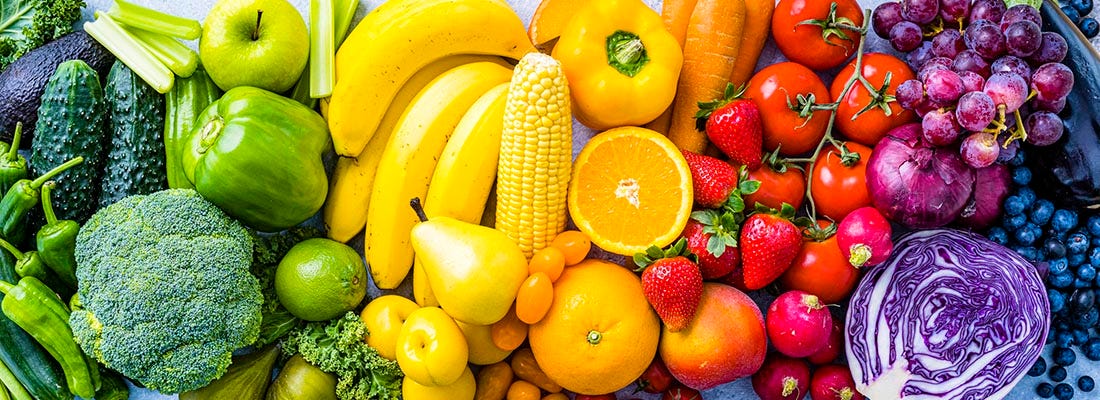
Some loss of short-term memory, such as forgetfulness, can be natural as you age, but other forms of memory loss are not. Alzheimer’s disease and other types of dementia are believed to begin with inflammation in the brain. Oxidative stress, eating a pro-inflammatory diet, cardiovascular disease, and exposure to environmental toxins can all undermine brain function.
Fortunately, you can support brain health through your diet, no matter what your age. Adding the following foods to your diet may help reduce the risk of memory loss and dementia.
Antioxidant-rich fruits and vegetables. Antioxidants help counter oxidative stress, a process that can damage cells and may accelerate aging. Fresh, organic vegetables and fruits (see blueberries and the foods rich in vitamins C and E, below) are the best dietary sources of antioxidants, although tea (in particular green tea) and dark chocolate can contribute as well.
Blueberries. These gems deserve their own mention. In animal studies, researchers have found that blueberries may improve motor skills, reverse age-related short-term memory loss, and protect the brain from stroke damage. Anthocyanins, the active components in blueberries, are protective compounds that make the berries blue and are responsible for their antioxidant potency. Add them to your cereal, salads, or eat as a snack!
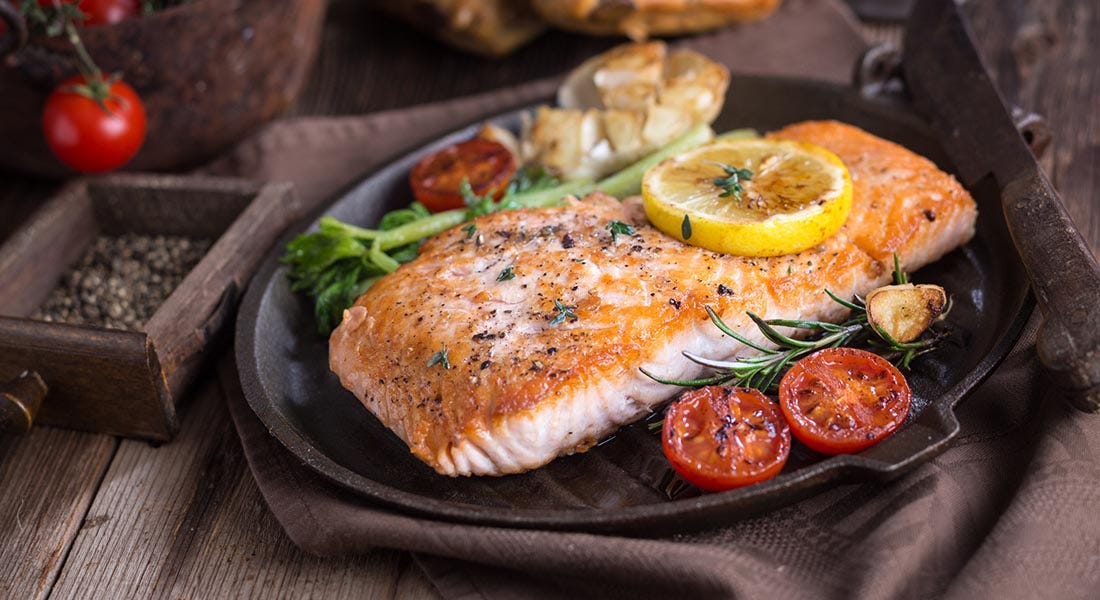
Omega-3 fatty acids. The omega-3 fats found in salmon (look for wild Alaskan salmon or canned sockeye), sardines, and flaxseeds (freshly ground is best) appear to protect against age-related memory loss and Alzheimer's disease. Herring, black cod, fortified eggs, walnuts, and hemp seeds are other good sources of omega-3s.
Foods rich in vitamins C and E. These two vitamins have been shown to have protective effects against inflammation, which is linked to an increased risk of Alzheimer’s disease. Good sources of vitamin C include beans, oatmeal, citrus fruits, enriched pastas, fresh peas, rice bran, and wheat germ. For vitamin E, increase your intake of spinach, sunflower seeds, wheat germ, and whole grains.
Turmeric. Research suggests that turmeric, the primary ingredient in American mustard and Indian curry, can reduce the risk of Alzheimer's disease. This may help explain the unusually low incidence of Alzheimer's in India, where people consume significant amounts of turmeric every day. Use this culinary spice to give a healthy, sharp flavor to your favorite Eastern cuisine.
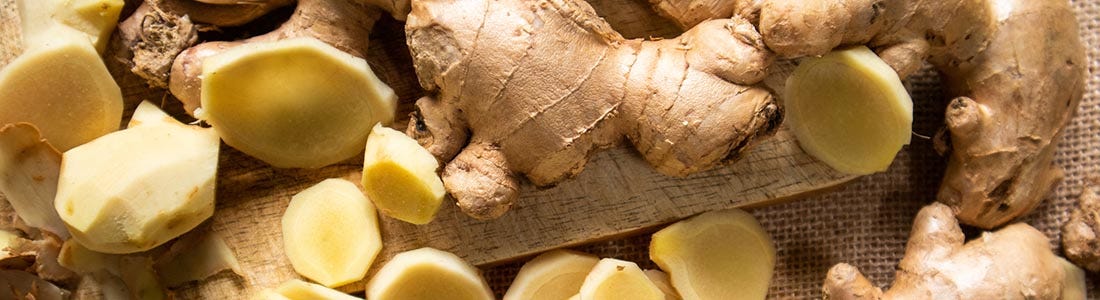
Ginger. This natural anti-inflammatory agent has been linked to a reduced risk of Alzheimer's. You can add ginger to your diet by eating crystallized ginger or the pickled ginger that comes with sushi, and use ginger when cooking.
Ginger-Carrot Soup Recipe
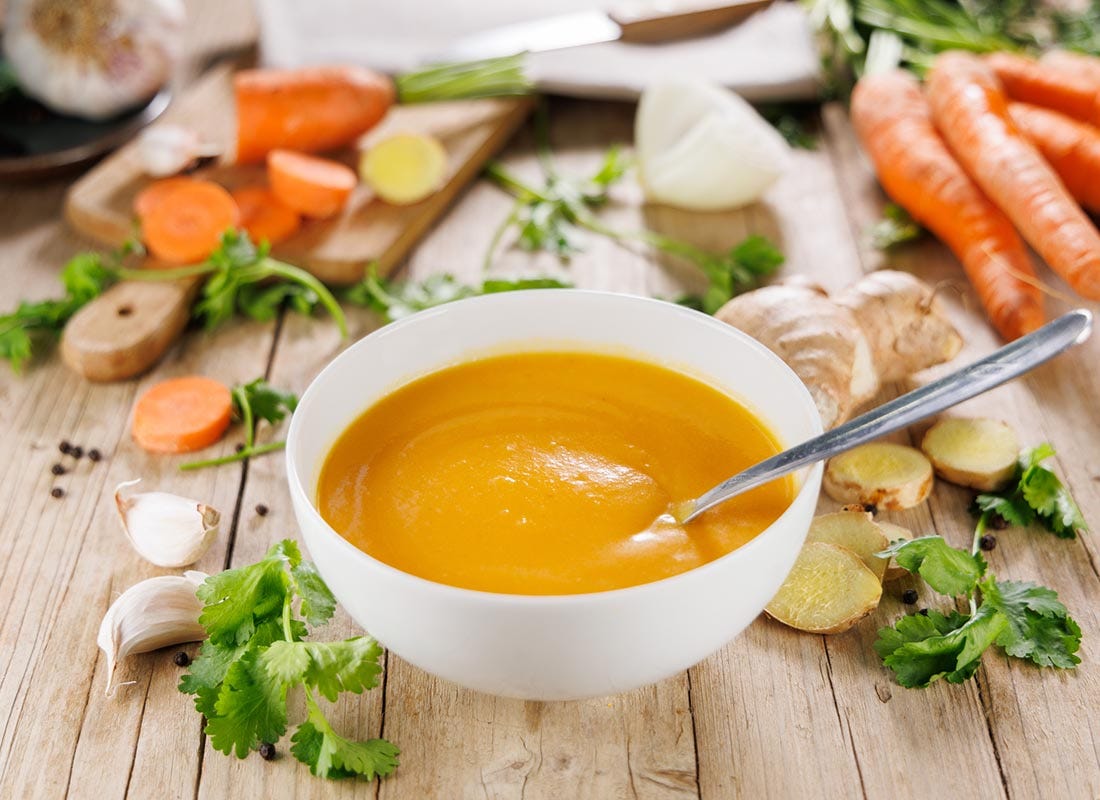
Carrots pack a nutritional punch as impressive as any ginger blossom. Combine the two roots, and you've got a delicious flavor combination. Buy smooth ginger pieces (avoid wrinkled ones, as they are old and dry) and peel the skin away.
Weil Nutrition Corner™ Takeaways:
Antioxidant-rich foods are a delicious way to support brain health; incorporate fruits, vegetables, tea, and especially blueberries into your diet.
Omega-3 fatty acids can also promote a healthy brain; consider adding salmon and flaxseed to your diet.
Anti-inflammatory herbs, such as ginger and turmeric, can help reduce the risk of Alzheimer’s disease.

Cooking for a Healthy Brain
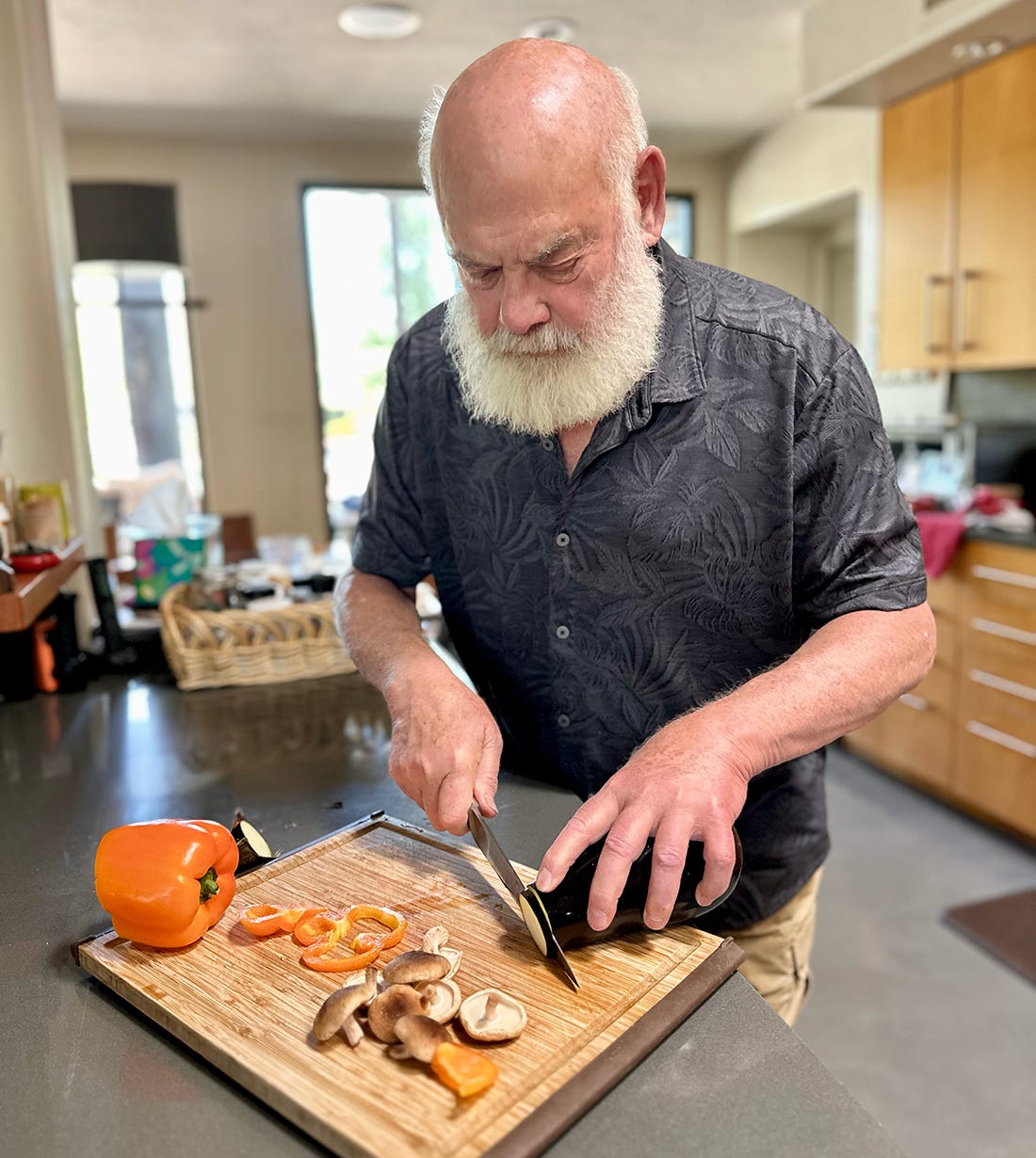
Diet plays a crucial role in maintaining good brain health, and how you cook also plays a role. This is especially true in the prevention of memory-related issues such as Alzheimer’s disease. Use these cooking tips to get the most out of your food, while also promoting optimal brain function - the foundation of robust thinking and memory skills.
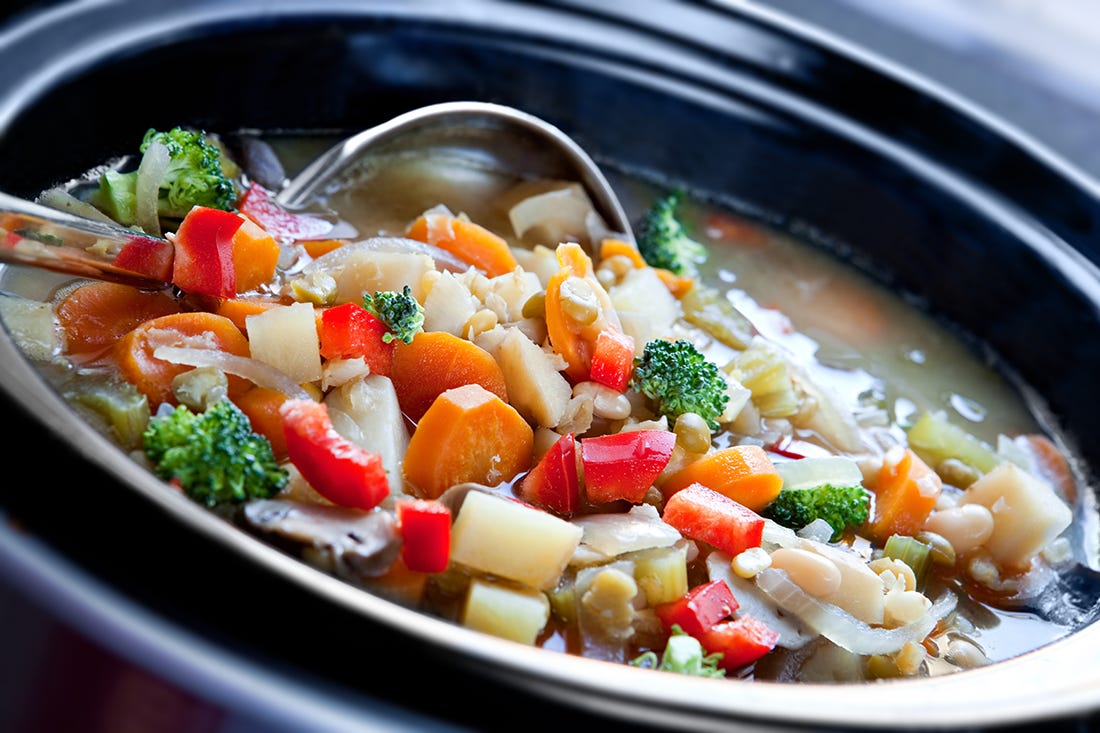
Slow Cook Your Foods. A slow cooker can be a real time saver: simply put fresh ingredients into the cooker in the morning, and a delicious soup or stew will be ready to eat when you get home. It also keeps food hot and fresh, even if family members have to eat at different times.