


I’m unfortunately writing about this from personal experience, as my toddler recently needed two rounds of antibiotics. As a dietitian, I already knew how important gut health was, but the more I learn, the more I realize just how much we still don’t understand about the gut microbiome and its influence on overall health. This is very much still something we are learning about, and anyone who tells you they know everything there is to know about gut health should raise a red flag!
Supporting gut health in children and toddlers can be a little tricky. They can be pickier eaters, and we don’t necessarily want to introduce a bunch of supplements unless there is a good reason. So what can we do? This has been my approach. Goes without saying: please check in with your pediatrician; my approach won’t apply to every kid, especially if they’re immunocompromised.
4 Ways To Address Gut Health In Toddlers
1. Use a probiotic.
I have been giving my toddler a probiotic. I’m not generally a fan of taking probiotics just for the sake of taking them. Not all probiotics are created equal, and their benefits are strain-specific. Some have been shown to help reduce the risk of diarrhea, but that doesn’t mean every probiotic will work or that they can fully restore the gut microbiome after antibiotics. There’s also not great research that probiotics make it through the digestive system alive, but since antibiotics kill off all bacteria, both good and bad, I think they’re at least worth a try.
I used probiotics while he was on antibiotics and for a few weeks after. We used MaryRuth’s probiotic gummies, and a friend also recommended MegaSpore gummies and Anomaly powder, which can be mixed into yogurt or smoothies.
2. Incorporate more fermented foods.
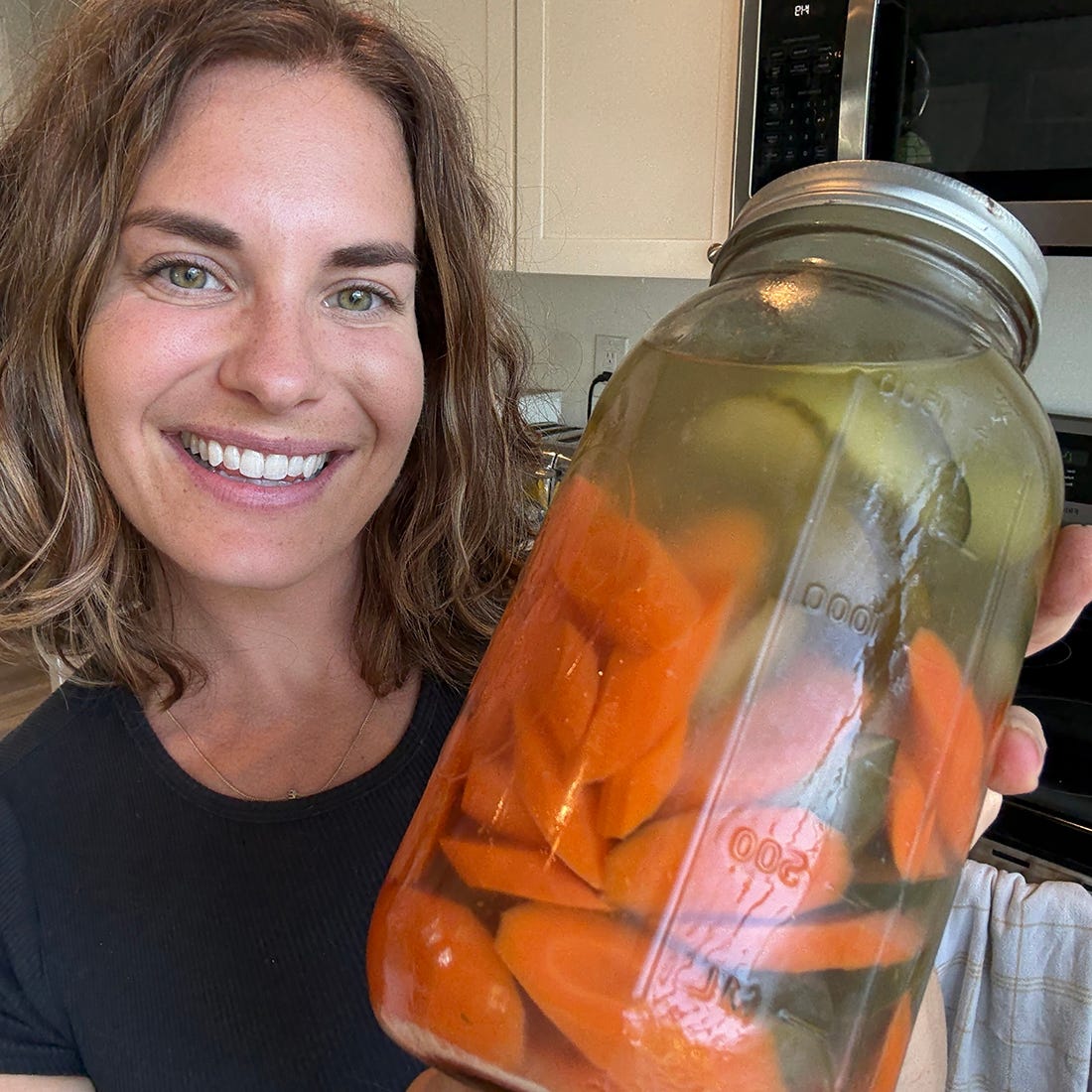
I’m also trying to incorporate as many gut-friendly foods as possible. Most of this has been yogurt because it’s something my toddler already loves and yogurt contains gut-happy live cultures. We buy whole-milk, plain Greek yogurt and sweeten it with a little maple syrup as needed. I also like to mash up thawed frozen blueberries for extra flavor, antioxidants, fiber, and nutrients. Plus, he loves it!
He’s also a fan of kombucha, so we drink that occasionally too as a dose of fermented foods.
3. Focus on fiber and variety.
This next part can be a little harder depending on what kind of eater you have, but one of the best ways to support a healthy gut microbiome is to eat a variety of fiber-rich foods.
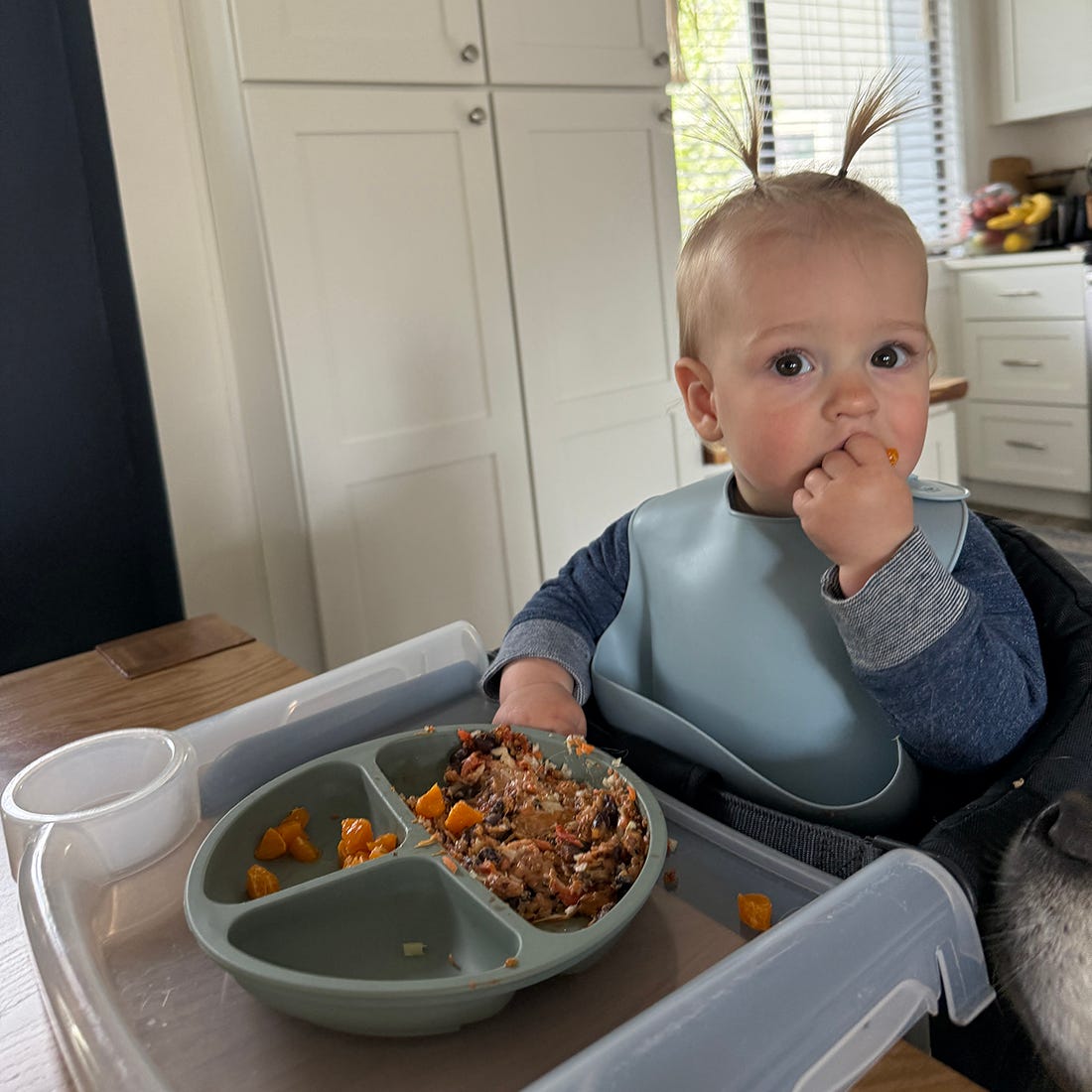
Think whole grains, beans, lentils, fruits, and vegetables. The more variety, the better! But if fruit is the one food group your toddler loves, that’s a great place to start. Keep offering different foods and look for opportunities to add fiber to foods they already enjoy.
For children ages 1–3, the recommended daily fiber intake is approximately 19 grams. If your toddler isn’t getting close to that right now, don’t stress. Just remember that increasing fiber too quickly can cause gas and bloating, and it’s really important to offer enough water when increasing fiber to help prevent constipation.
4. Remember that the gut is resilient.
This is something I remind myself anytime I’m taking antibiotics or my children are. Our bodies are incredibly resilient, especially kids’. Antibiotics are sometimes necessary, and we shouldn’t feel guilty about using them when our children need them. They can temporarily disrupt the gut microbiome, but the microbiome is dynamic and can recover over time.
I share Nourished Mama Collective every Tuesday. If you’d like these reflections and nutrition insights delivered to your inbox, you can subscribe below.
WEIL Nutrition Corner® is the registered trademark of Healthy Lifestyle Brands, LLC