



This issue includes a look at picky eaters and how to get kids to enjoy nutrient-rich, wholesome foods - hopefully setting them on a path to healthy eating. We also offer some of our favorite healthy snack suggestions, including a tip to get you to snack healthier without even thinking about it and Dr. Weil’s go-to dip. Plus, a hummus recipe and our first gardening post - a monthly feature we look forward to sharing with you! This week Dr. Weil tells us how he got into gardening, gives his four tips to starting a garden, and shows off his latest harvest!
We want to know: How do you deal with picky eaters in your life? Do you make special meals or sneak in foods? Became a paid subscriber to join the conversation!


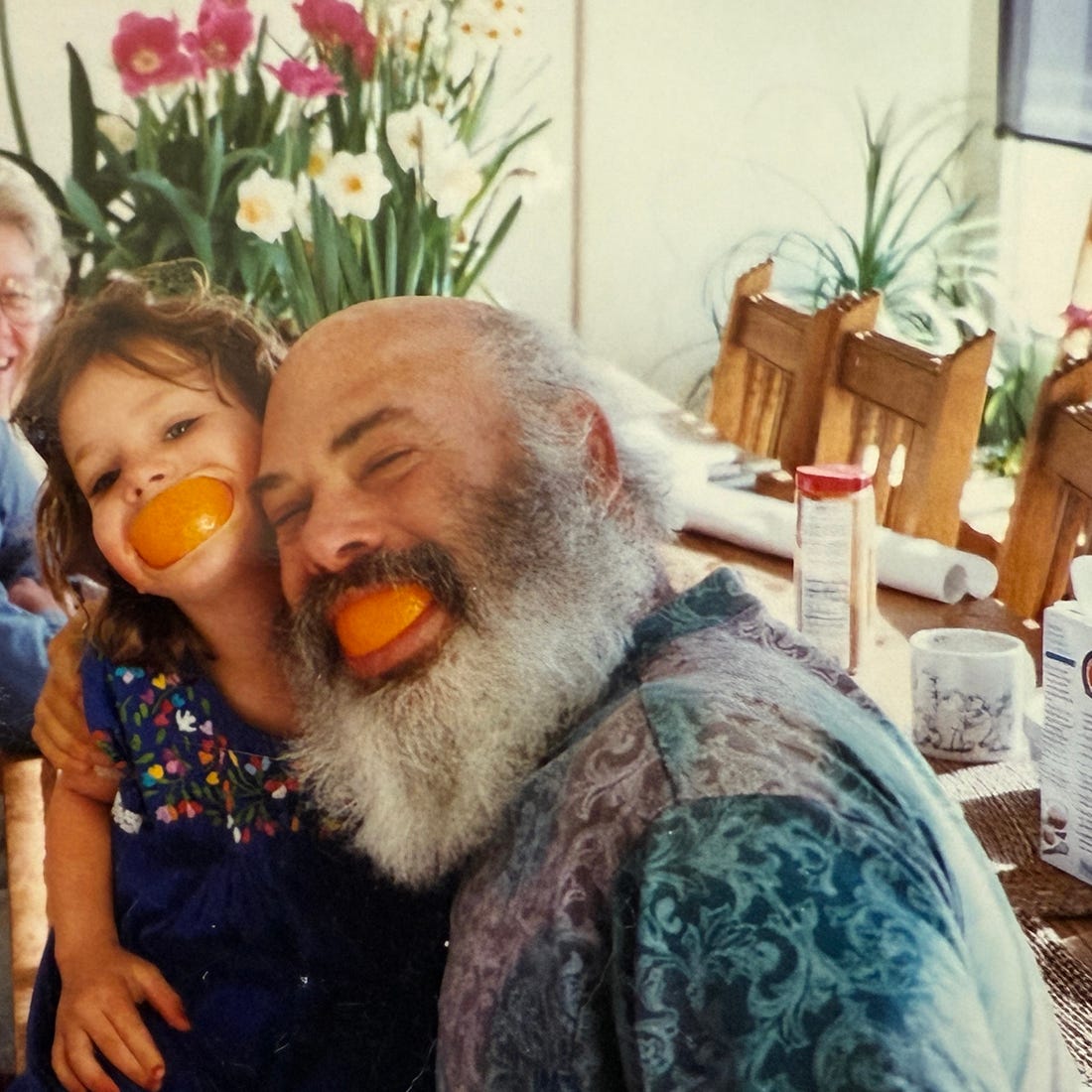
The best strategy I’ve found for raising kids who are not picky eaters is to involve them in food preparation from an early age. When Diana was little, I invited her to help me in the kitchen, introduced her to ingredients, and explained what I was doing. I also found ways to make foods she was hesitant to try more interesting. She was unsure about broccoli, for example. I got her to like it by steaming it lightly, chopping it finely, and mixing it with the flesh of a baked potato and some cheese. Stuffed back into the potato skin, this made an attractive and very tasty dish that became one of her favorites. It wasn’t long before she graduated to eating broccoli on its own.
- Dr. Weil
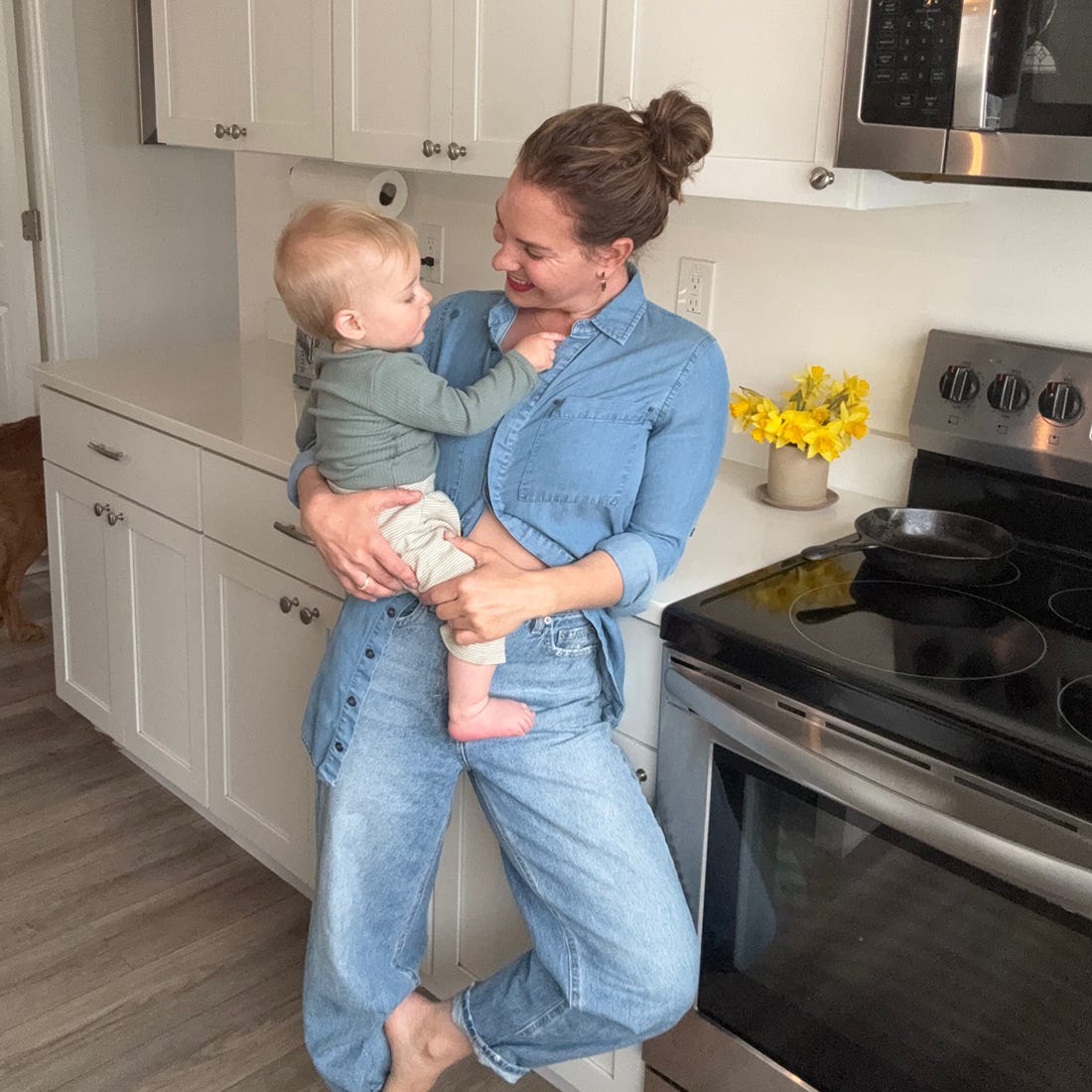
Elio is ten months old, so we haven’t really hit the picky-eating stage yet - but I know it’s coming, and I know it’s something I might struggle with. We began introducing allergenic foods just before he turned four months old. The recommendations around this have shifted recently. Experts used to suggest waiting until children were 1–2 years old to introduce top allergens (like soy, eggs, peanuts, wheat, dairy, shellfish, sesame, and tree nuts). Research now shows that earlier and more frequent exposure can actually reduce the risk of developing allergies.
Since then, we’ve made a point of including allergens in his meals, but I mostly try to feed him what we’re eating. I’m especially mindful of including spicy foods, strong flavors, and lots of fruits and vegetables in hopes that it will curb some picky eating later.
I do want to mention, though, that it’s completely developmentally normal for kids to become cautious or even resistant to new foods as they get older. This doesn’t mean we’ve failed as parents. Once we get to that stage, I plan to “sneak” in vegetables where I can. Adding spinach to a fruit smoothie, blending cooked vegetables and tomato sauce, and serving it over pasta, or making muffins with shredded zucchini are some small ways to add a bit of nutrition. But overall, my plan is to model healthy eating by sharing meals as a family, showing him that mom and dad enjoy a wide variety of foods, and reinforcing that while trying something new can be scary, it can also be fun.

I also want to make sure that nutritious options are always available at home and on his plate - even if he doesn’t eat them. On average, it can take 10–15 exposures to a food before a child is willing to try it, so I’m reminding myself that patience and consistency are key. I also plan to involve Elio in grocery shopping and cooking, too, since I believe that staying engaged with food in that way can make a big difference. I’ll be sure to keep you all updated on our food journey as it evolves!
Some resources and experts I’ve found helpful on this topic include:
Kids Eat in Color
My Little Food Critic
Feeding Littles
Growing Intuitive Eaters
My Little Eater
Boob to Food
Real Little Meals
- Diana Weil

Healthy Snacking 101
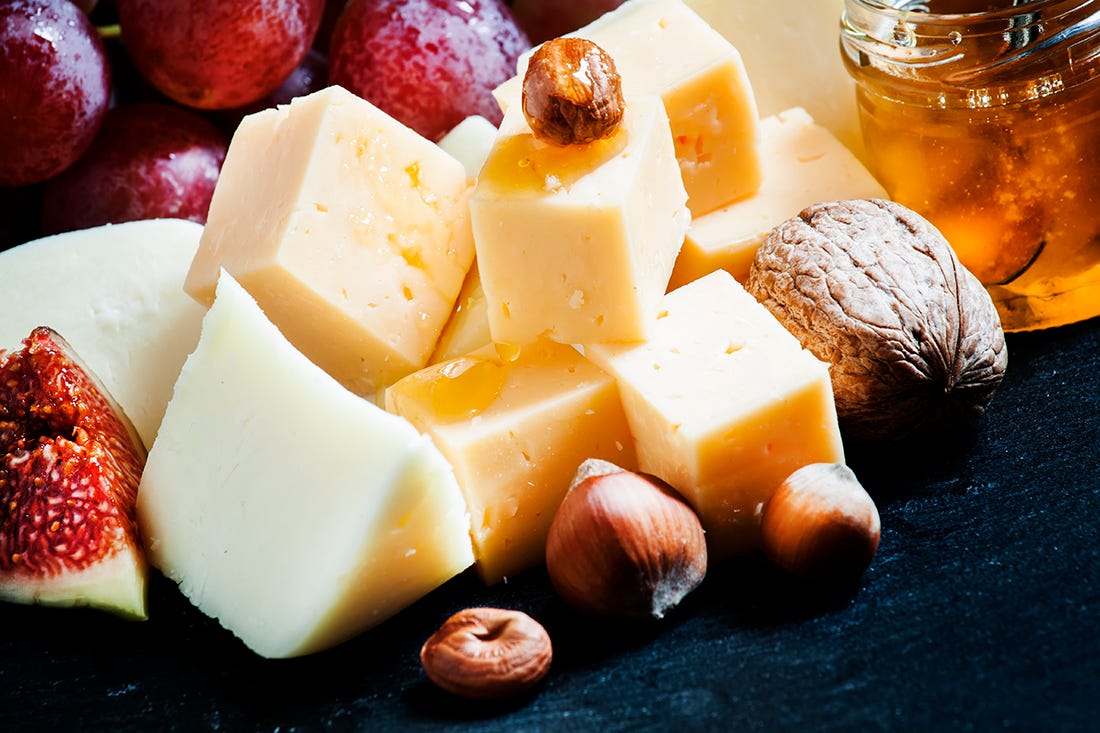
We both prefer satiating and satisfying meals rather than snacking throughout the day. This way of eating can give your digestive system a break and may reduce mindless eating. But that doesn’t mean snacking is unhealthy; it really comes down to personal preference, lifestyle, and what feels best for you. Having a few mindful snacks throughout the day may help keep blood sugar and energy levels steady and prevent overeating at mealtime. However, what you choose for your midday bites is important.
We list our favorite snacks below, all of which are staples in our kitchens. We also include some tips to help make healthy snacking a cinch. Just remember to keep snacks at about 100-150 calories or less. Diana recommends eating a snack with at least two macronutrients: something with protein and carbs, carbs and fat, protein and fat, etc.
Healthy Snacks

Berries. They are sweet, easy to pop into your mouth, and a much healthier choice than a candy bar. Raspberries, blueberries, strawberries, and blackberries are all anti-inflammatory,