



Happy Monday! Today, we’re taking a look at the relationship between food and sleep, including which foods can help you feel more relaxed, the foods and drinks that can aid in getting better rest, and some herbs that may promote better sleep. We’re also including some sleep snacks for what to munch on (or sip) when a late-night hunger pang hits, featuring Dr. Weil’s Golden Milk recipe. Watch as he prepares it - it’s all part of our Healthy Aging Month content!
We’re also covering how to safely store leftovers, including the recommended storage times for items in the refrigerator and freezer.
And Diana fills us in a little bit more on how she navigated pregnancy as a vegetarian. For more pregnancy insight, be sure to check out Diana’s new series, launching next week: The Weil Nutrition Corner™ Nourished Mama Collective. Forward to anyone who could benefit from nutrition and supplement insight while trying to get pregnant, during and after pregnancy, or while raising kids!
We want to know: Do you have a go-to bedtime snack? Share with the community!
(P.S. Become a paid subscriber to join the full conversation.)


Foods And Drinks That Can Help You Sleep
Sleep is not just about feeling rested; sleep is important for protecting your long-term brain health, maintaining hormonal balance and metabolic regulation, and reducing the risk of chronic diseases. During deep sleep, your body repairs muscles, tissues, and organs, and your brain consolidates memories and clears waste products (including beta-amyloid, which is linked to Alzheimer’s disease). Sleep also influences hormones, such as ones that regulate hunger (ghrelin and leptin), stress (cortisol), and blood sugar balance (insulin) - all of which are tied to weight gain. And chronic sleep deprivation is linked to high blood pressure, heart disease, and higher levels of systemic inflammation.
Getting good sleep is essential, and what you eat can help you get better sleep. Read on for what we eat to promote sleep, foods to add to your diet, some herbs that may help, and our Sleep Snack Guide.
What We Eat to Promote Better Rest and Sleep
Dr. Weil:
What you eat and how you eat can impact how well you sleep. Meal timing may be key. Eating too close to bedtime may interfere with sleep, as can eating large meals in the evening. Avoid caffeinated beverages late in the day, and pay attention to how alcohol affects you; drinking alcohol with or after dinner will cause some people to lose sleep.
Although alcohol may make you feel drowsy at first, it disrupts normal sleep architecture, reduces time spent in restorative REM sleep, and often leads to waking in the middle of the night. Personally, I find that even a single glass of wine noticeably disrupts my sleep, so I don’t drink at all these days. For those who are sensitive, avoiding alcohol altogether may be one of the most effective changes you can make to support deep, restorative rest. In addition, aim for balanced meals that include complex carbohydrates, protein, and healthy fats to help keep blood sugar steady through the night.
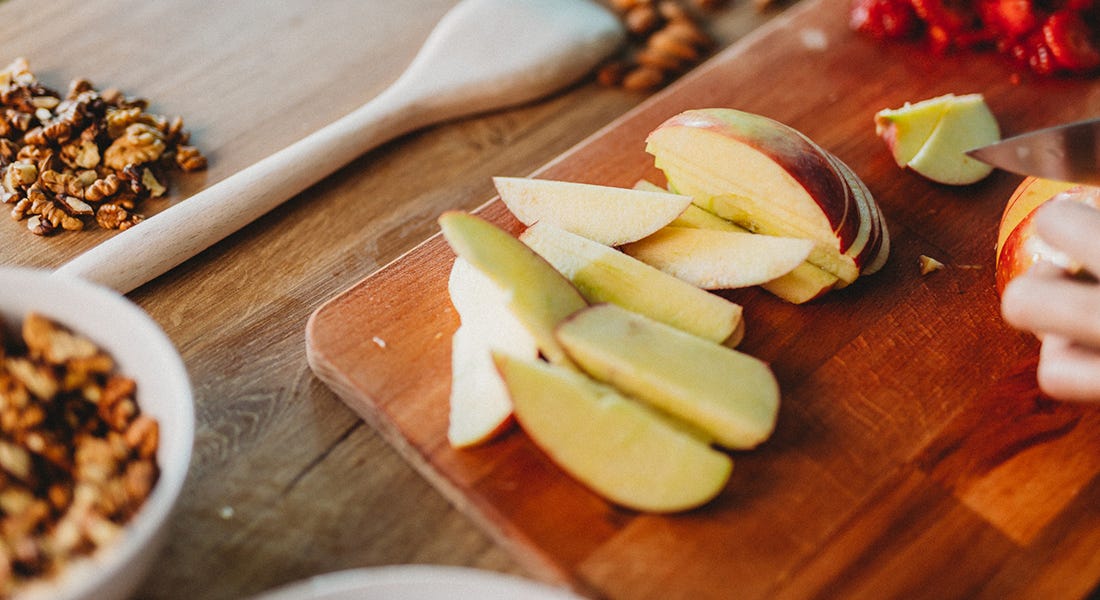
If I find I need a light snack before bed, I choose something simple, such as a handful of nuts, high quality cheese on a whole grain cracker, or fruit, rather than heavy or sugary foods.
Paying attention not only to what you eat, but also when you eat, can go a long way toward improving the quality of your rest.
Diana:
What you eat has a bigger impact on sleep than you may think! Not just the specific foods you eat, but when you eat them and what you eat and drink earlier in the day matters just as much as what you have right before bed. For me, this starts with setting a caffeine cutoff: I don’t drink any caffeinated tea or coffee after noon at the latest. Caffeine can linger in your system for hours, so cutting it off early helps your body wind down naturally by bedtime.
I also focus on keeping my meals balanced throughout the day with a mix of complex carbohydrates, protein, and healthy fats. I recommend eating a satisfying, filling, and balanced dinner a few hours before bed. You should leave the table feeling about a seven or eight on the fullness scale (out of ten). This helps keep blood sugar stable through the night and prevents those 2 a.m. wake-ups from blood sugar dips. If you love dessert (I do too!), try to enjoy it right after dinner instead of as a late-night snack, as eating it with dinner is better for blood sugar regulation and overall sleep quality.
When it comes to evening snacks, I keep them simple and nourishing. Some of my favorites are plain yogurt with a sprinkle of cinnamon and a drizzle of honey, and then dipping apple slices in it, peanut butter with a few chocolate chips, or a handful of nuts spread over a banana. I try to avoid high-sugar treats right before bed, as they can spike and then crash blood sugar levels, which isn’t great for restful sleep.
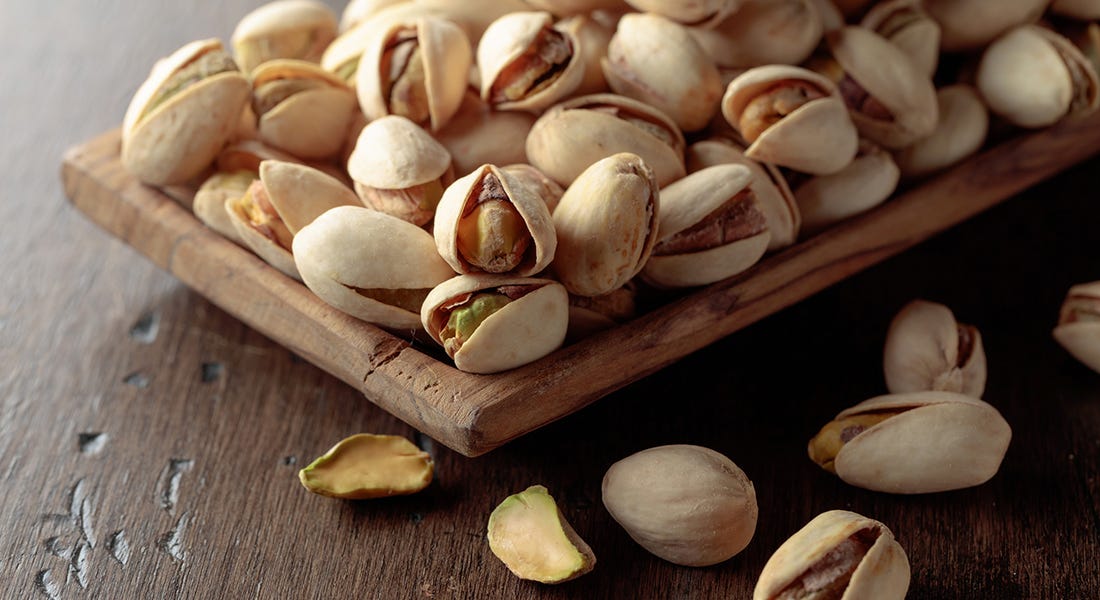
If you want something extra sleep-friendly, pistachios are a great choice as they provide protein, healthy fats, and fiber, and they’re also a natural source of melatonin, the hormone that helps regulate your sleep cycle.
6 Types of Foods For Sleep
The following foods contain specific nutrients that have been shown to help improve sleep and relaxation - give them a try.
1. Foods Rich in Tryptophan
Tryptophan is an amino acid that helps the body make serotonin and melatonin, both important for sleep.
Turkey and chicken
Eggs
Pumpkin seeds and sunflower seeds
Tofu and soy products
2. Magnesium-Rich Foods
Magnesium supports muscle relaxation and nervous system balance.
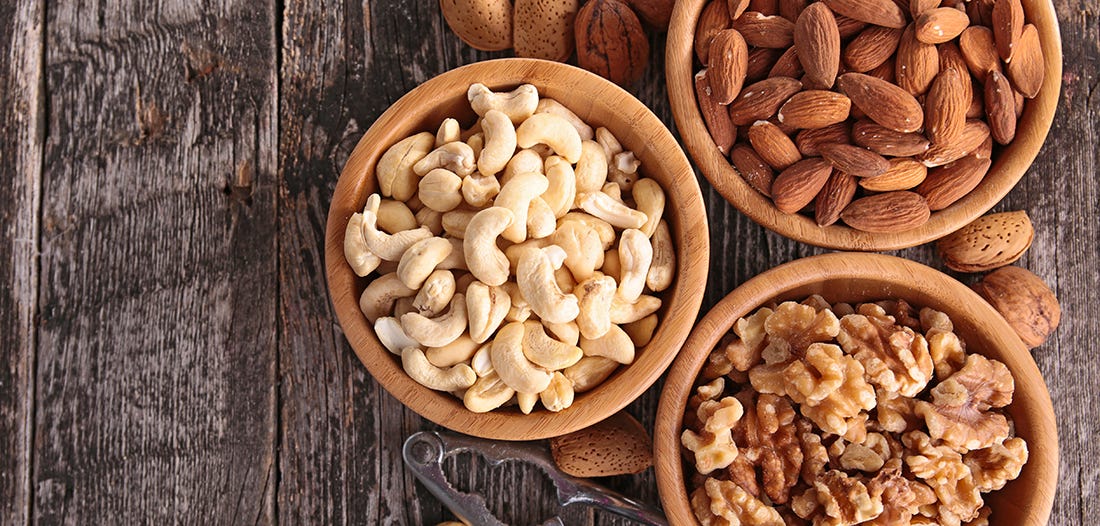
Almonds, cashews, walnuts
Spinach and Swiss chard
Avocados
Bananas
3. Foods with Natural Melatonin
Some foods contain melatonin directly, which can help regulate sleep-wake cycles.
Tart cherries (or tart cherry juice)
Pistachios
Grapes
Walnuts
Tomatoes
4. Complex Carbohydrates
Carbs paired with protein help tryptophan cross the blood-brain barrier more effectively.
Oats
Sweet potatoes
Brown rice or quinoa
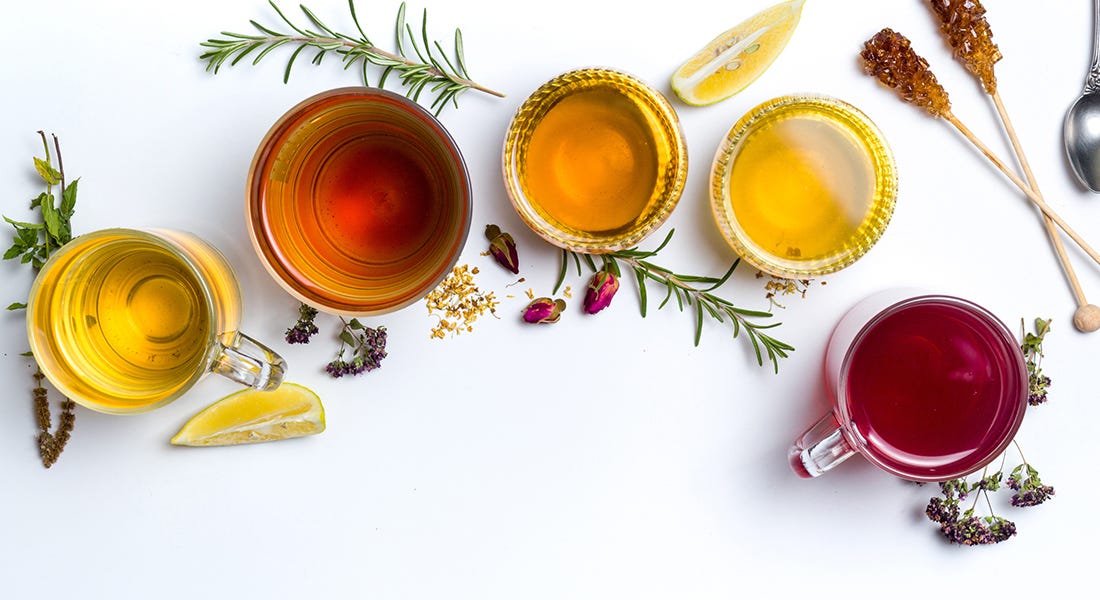
5. Herbal and Plant-Based Teas
These can promote relaxation.
Chamomile tea (contains apigenin, a calming antioxidant)
Passionflower tea
Lavender tea
6. Calcium-Rich Foods
Calcium helps the brain use tryptophan to make melatonin.
Yogurt or kefir (if tolerated)
Sardines
Fortified plant milks
Weil Nutrition Corner™ Tips
Eat a light snack (not a heavy meal) 1–2 hours before bed.
Avoid excess sugar, caffeine, and alcohol in the evening, since they disrupt sleep.
Pair protein and complex carbs (like yogurt with oats, or banana with almond butter) for optimal calming effect.
Relaxation Drinks: Yes or No?
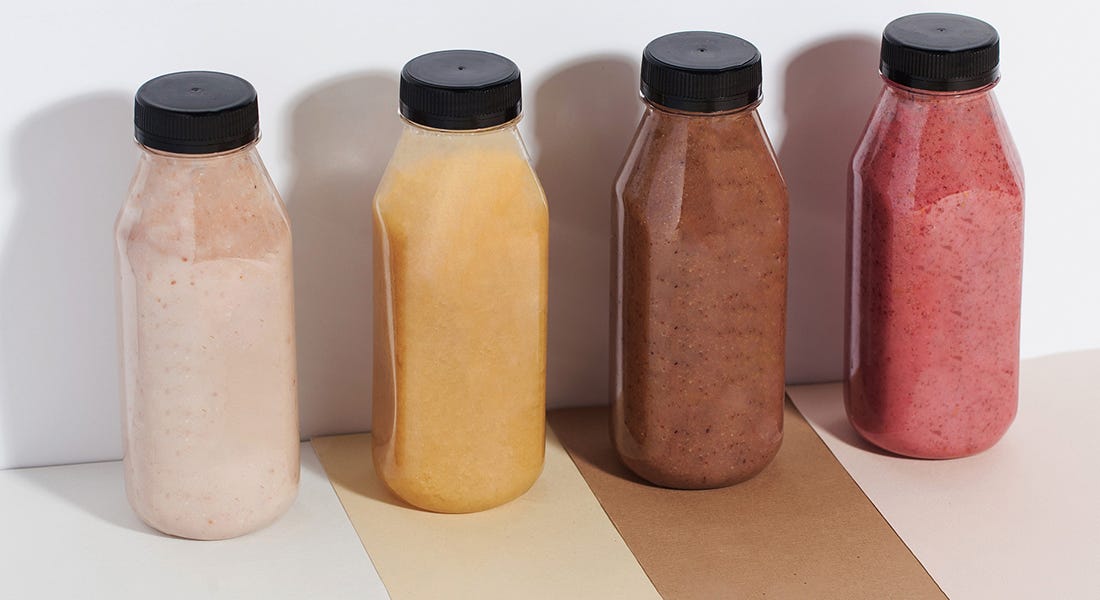
A quick note about pre-made “relaxation drinks”: These drinks appear to be attempts to capture a niche market as traditional soft drink sales continue to plummet. Containing ingredients such as melatonin, valerian, L-theanine, and GABA – all known to help promote sleepiness or to lessen anxiety - the downside is that not all labels specify the amounts contained. Testing has shown that amounts within may not be at the level needed to promote relaxation or sleep.
Additionally, there are often extra ingredients that you simply don’t need. If you enjoy these drinks and they work for you, that’s fine. However, it may be better to skip them and opt for the food and beverage suggestions within this post for a more restful night's sleep.
Supplements for Sleep
Dr. Weil has recommended the following supplements to help people who have trouble sleeping. As always, consult with your personal physician before taking any supplements, herbs, or medications.
Valerian: This herbal product is a safe sleeping aid that I often recommend, but it does not work for everyone.
Melatonin: I recommend melatonin as an occasional sleep aid. The dose is 2.5 mg to 3.0 mg placed under the tongue at bedtime.
L-Theanine: This compound, found in green tea, is said to promote relaxation and modify the stimulating effects of caffeine.
Passion flower: Made from the stems, leaves, and flowers of the plant, passion flower helps reduce stress and anxiety, calms without sedation, and can be used for insomnia when combined with other sedative herbs. It is weaker than valerian and not as effective as melatonin.
Sleep Snack Guide
While we don’t recommend eating before bedtime, a light snack one to two hours before bed can help quell hunger pangs and balance blood sugar. Try these five nourishing snacks to help you drift off and stay asleep.
Tart Cherry Oat Bowl
1/2 cup cooked oats
1/4 cup tart cherries (fresh or dried, unsweetened)
1 teaspoon chia seeds
Sprinkle of cinnamon
Weil Nutrition Corner™ Food As Medicine: Cherries provide natural melatonin, while oats and chia add fiber and calming minerals.
Banana-Almond Butter Bites
1 banana, sliced
1 tablespoon almond butter
Optional: sprinkle of flax or hemp seeds
Weil Nutrition Corner™ Food As Medicine: Bananas provide magnesium and potassium for muscle relaxation, while almond butter offers protein and healthy fats to stabilize blood sugar overnight.
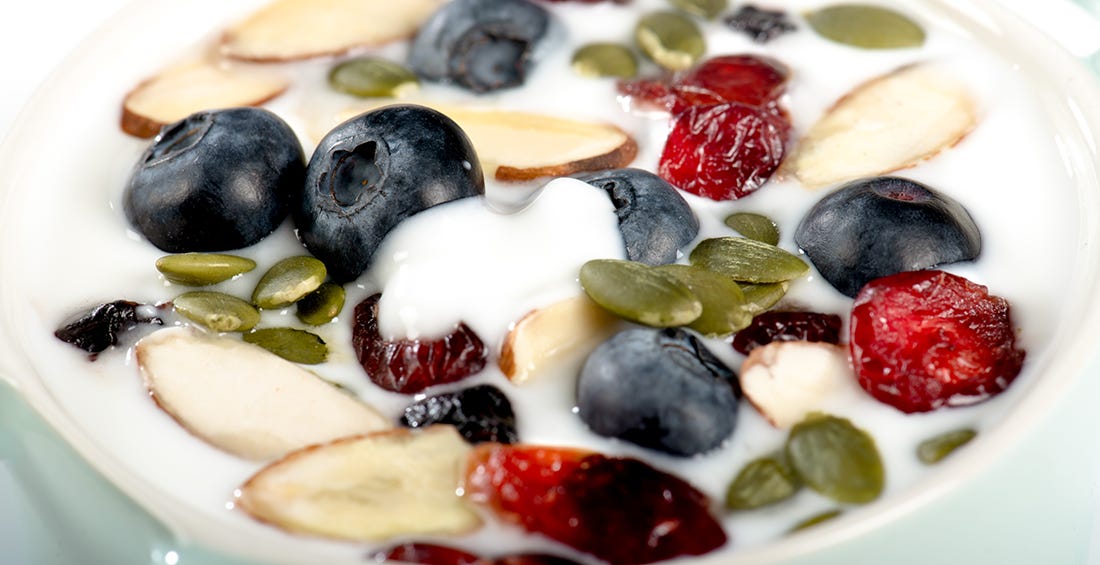
Yogurt with Pumpkin Seeds and Blueberries
1/2 cup plain yogurt (dairy or plant-based, fortified with calcium)
1 tablespoon pumpkin seeds
1/4 cup blueberries
Weil Nutrition Corner™ Food As Medicine: Calcium and protein in yogurt support melatonin production, while pumpkin seeds provide magnesium and zinc.
Walnuts and Grapes
1 small handful of walnuts
1/2 cup grapes
Weil Nutrition Corner™ Food As Medicine: Both walnuts and grapes contain natural melatonin, creating a simple, no-prep snack for restful sleep.
Dr. Weil’s Golden Milk
2 cups light, unsweetened coconut milk (or almond or soymilk)
1/2 tablespoon peeled, grated fresh ginger
1 tablespoon peeled, grated fresh turmeric
3-4 black peppercorns
Heat all ingredients in a saucepan, stirring well. Bring to a simmer and simmer covered for 10 minutes. Strain and sweeten to taste (if desired).
Weil Nutrition Corner™ Food As Medicine: Warm milk is soothing, and turmeric plus ginger bring anti-inflammatory benefits that calm the body.
Watch Dr. Weil Make Golden Milk!

How to Store (and Use!) Dinner Leftovers
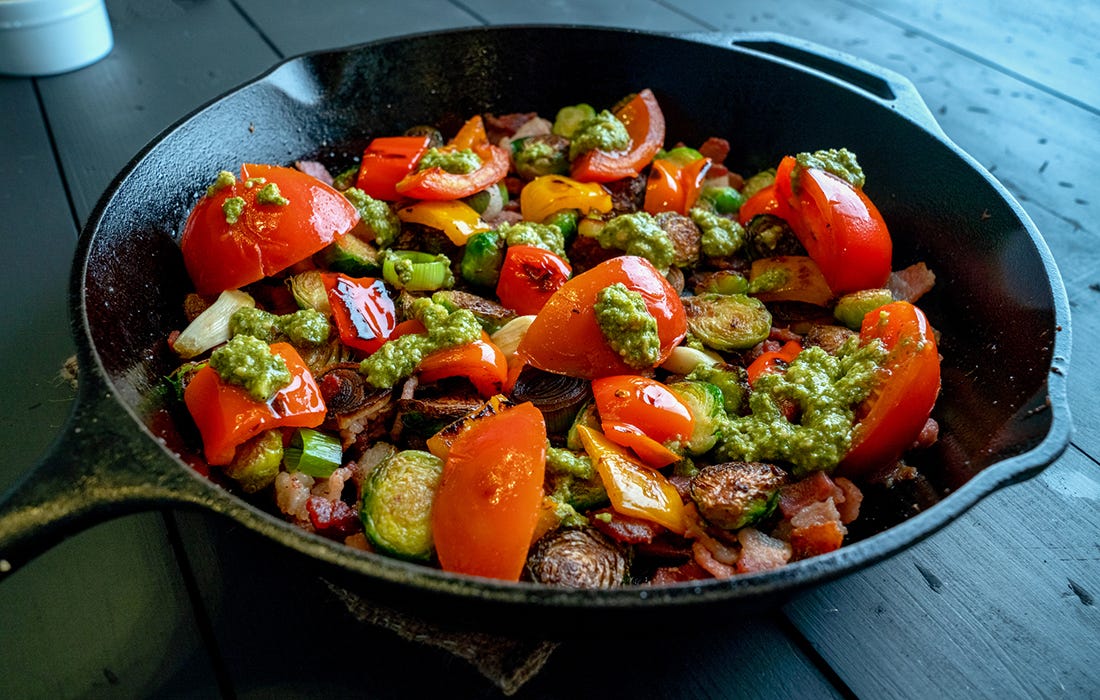
We are both believers in leftovers - many meals can be easily reheated or combined with other foods for a quick and easy meal. As Diana says, "Cook once, eat twice!" We have done posts on leftovers, but as it is Food Safety Month, let’s take a look at how to safely store those foods, when too long in the fridge means you should toss something, and freezer burn - OK to eat?
General Guidelines For Storing Leftovers
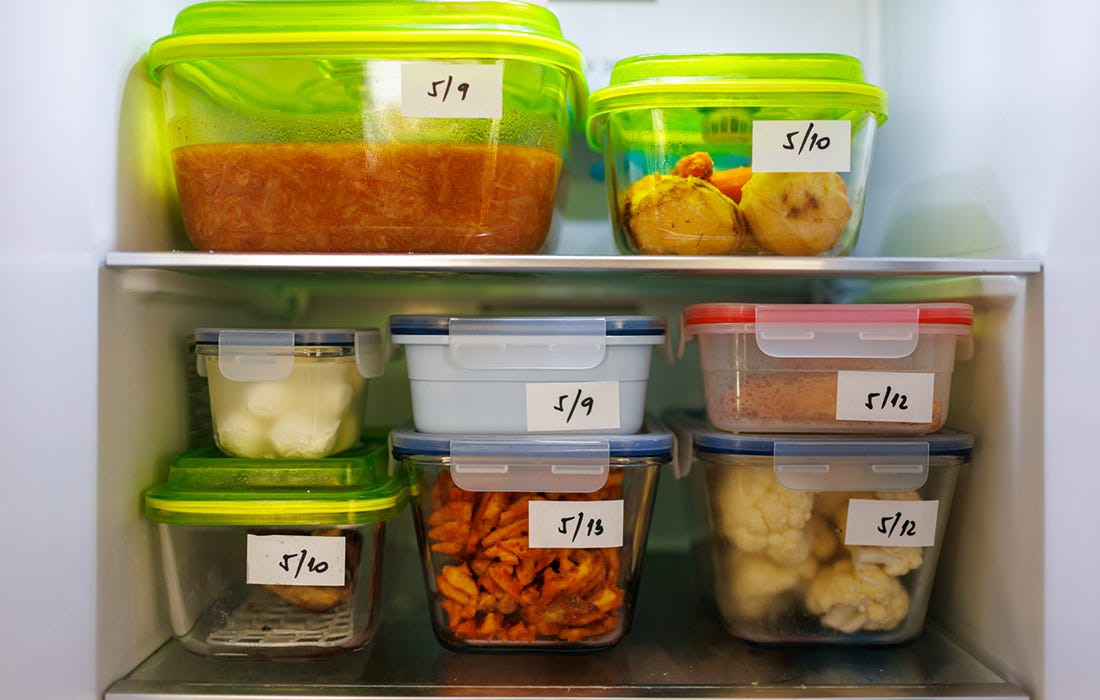
A few quick guidelines to get started:
Cool quickly: Refrigerate leftovers within 2 hours of cooking.