



Happy Wednesday! Today is Day 10 of our Food Relationship Reset, where we continue exploring the theme of food neutrality - learn how to remove labels to create space for understanding rather than shame.
Part 2 of the challenge is available to VIP members, who receive the full workbook, daily prompts, complete challenge resources and more.
For those of you who are not yet VIP, we’re sharing a previous In The News post below on Fiber: Our Take on How Much You Actually Need and how to meet your needs without overthinking it. This article is now available for everyone to enjoy!

Your Food Relationship Reset Day 10: Food Neutrality
Welcome to Day 10 of the Food Relationship Reset. Today’s focus is on food neutrality. Food is not a moral issue. Removing labels such as “good,” “bad,” “clean,” or “cheat” creates space for understanding rather than shame.
When you understand why certain habits exist, they often begin to soften on their own. This awareness opens the door to change that feels supportive rather than forced.
Today’s Reflection (VIP Access)
VIP members can access today’s guided workbook reflection, which includes:
A structured exploration of what food neutrality means for you
Reflection prompts to identify triggers for food judgment
A grounding affirmation to help release self-criticism
A simple practice you can apply to everyday eating
Full access to all Part 2 Food Relationship Reset materials
This reflection builds directly on the emotional awareness work of earlier days and supports one of the most meaningful shifts in Week Two: moving from reaction to choice.
This guided reflection, printable workbook, and daily prompts are available to VIP members.
Tomorrow’s reflection focuses on Rebuilding Trust With Your Body - because the more often you acknowledge and respond to your body’s signals, the stronger that trust becomes.

Fiber: Are You Getting Enough?
Dr. Weil’s Take:
Fiber seems to be one of the most overlooked yet essential nutrients. Unfortunately, most Americans are getting only about 15 grams per day - less than half of what’s needed for optimal health. This shortfall has profound implications. Decades of research have shown that fiber is not just about maintaining regular digestion; it’s also about reducing disease risk and promoting longevity.
I’ve been a proponent of high-fiber diets for decades. Large-scale analyses show that fiber intake is inversely linked to chronic conditions like heart disease, stroke, type 2 diabetes, and colorectal cancer. Even modest increases, just eight additional grams per day, can significantly lower these risks. But I recommend going beyond the minimum. Aim for at least 40 grams daily. Why?
Because fiber works to slow the absorption of sugar, moderates insulin response, supports healthy cholesterol levels, and nourishes the gut microbiome, which we now know influences immunity, inflammation and mood.
The best sources are whole, unprocessed plant foods. Think vegetables (avocados especially), fruits, legumes, nuts, seeds, and intact whole grains. A fiber-rich breakfast, such as steel-cut oats topped with berries and chia seeds, can easily provide 10 grams or more of fiber. A serving of lentils at lunch adds another 15 grams. If you make this a daily habit, hitting 40 grams becomes not only doable but enjoyable.
When you add colorful plant foods and whole grains to your plate, you’re doing more than improving digestion; you’re building resilience against chronic disease and supporting lifelong health.
Diana’s Take:
Most people aren’t getting enough fiber, and it’s a problem. We’ve spent years centering nutrition conversations around protein, which is, of course, vital, but I think fiber deserves much more attention. I’m starting to see these conversations happen on social media, which thrills me.
The more I learn and the more I practice, the more I am convinced that we all need to increase our fiber intake.
I recommend aiming for at least 35 grams per day, but 40 grams or more is even better. Just remember that as you increase your fiber intake, you also need to increase your water intake to avoid constipation. Another common complaint when people start to eat more fiber is feeling gassy. This can be super normal and typically improves within two weeks as your body and gut microbes adapt. Don’t give up!
There’s so much to support eating more fiber. A high-fiber diet supports healthy blood sugar regulation, heart health, weight management, appetite control, and even mood and brain function. It also helps “crowd out” less nutritious foods. A great example of how we can improve diet through the concept of nutrition by addition rather than restriction.
The catch is that it can be challenging to reach 40 grams of fiber a day by eating only vegetables and fruits, especially given the small amounts Americans typically consume. You really need to be eating whole grains and legumes daily. Just one serving of beans, lentils, or a true whole grain can significantly boost your fiber intake.
When it comes to fiber supplements, I do think they can be helpful in certain cases, but not something we rely on every day as a replacement for whole foods. And here’s the thing, not all fibers are created equal. Some interesting research shows that different types of fiber feed different gut microbes. A diet rich in fiber from diverse plant sources, such as vegetables, fruits, legumes, nuts, seeds, and whole grains, supports a healthier, more resilient microbiome. That diversity matters because your gut microbes influence everything from immunity to inflammation to mental health.
So, eat more plants and aim high when it comes to fiber. You really can’t overdo it. In the past, people used to consume well over 100 grams of fiber per day, and research shows there’s virtually no upper limit for fiber from whole foods - as long as your body adjusts gradually and you’re drinking enough water.
If you find this type of nutrition insight helpful, VIP members receive a new In The News post every Wednesday, along with expanded insight, guides, and practical tools.
Fiber: Why You Need It In Your Diet
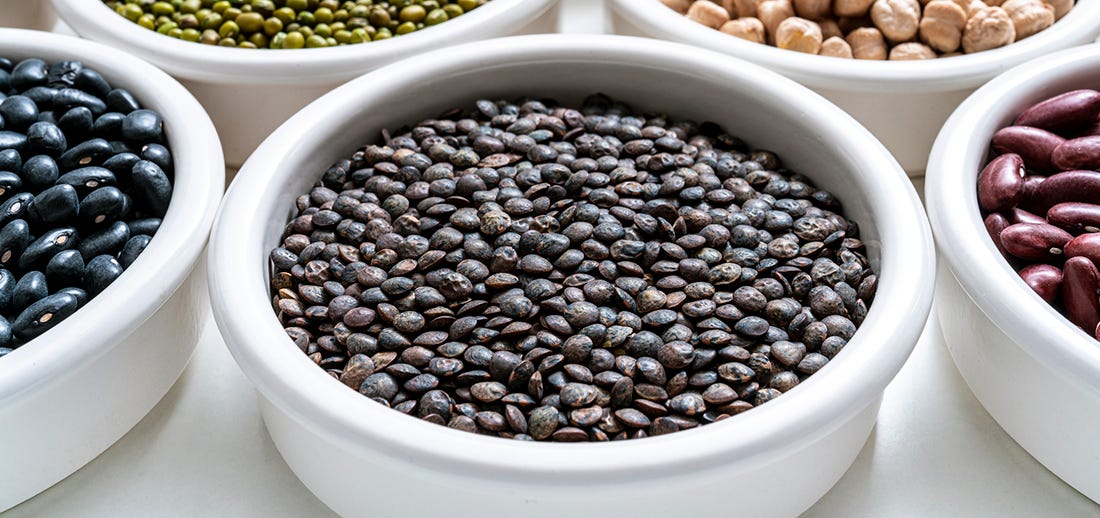
Fiber refers to the parts of plant foods that humans cannot digest. People who consume a high amount of fiber have a better-functioning gastrointestinal system than those who consume too little. Fiber increases the bulk and frequency of bowel movements, and a lack of dietary fiber is a common cause of constipation. It may also help reduce the risk of colon and rectal cancer. Learn more about the importance of fiber, some food sources we recommend, how much you need, and try our Mini Fiber Meal Plans!
Why Fiber Is Important
Fiber is essential to a healthy diet - it helps:
Digestive health, promoting regularity and preventing constipation.
The gut microbiome, acting as a prebiotic, feeds beneficial bacteria.
Cardiovascular health by lowering LDL cholesterol.
Blood sugar balance by slowing glucose absorption and preventing spikes.
Satiety and weight management. Fiber helps you feel fuller longer!
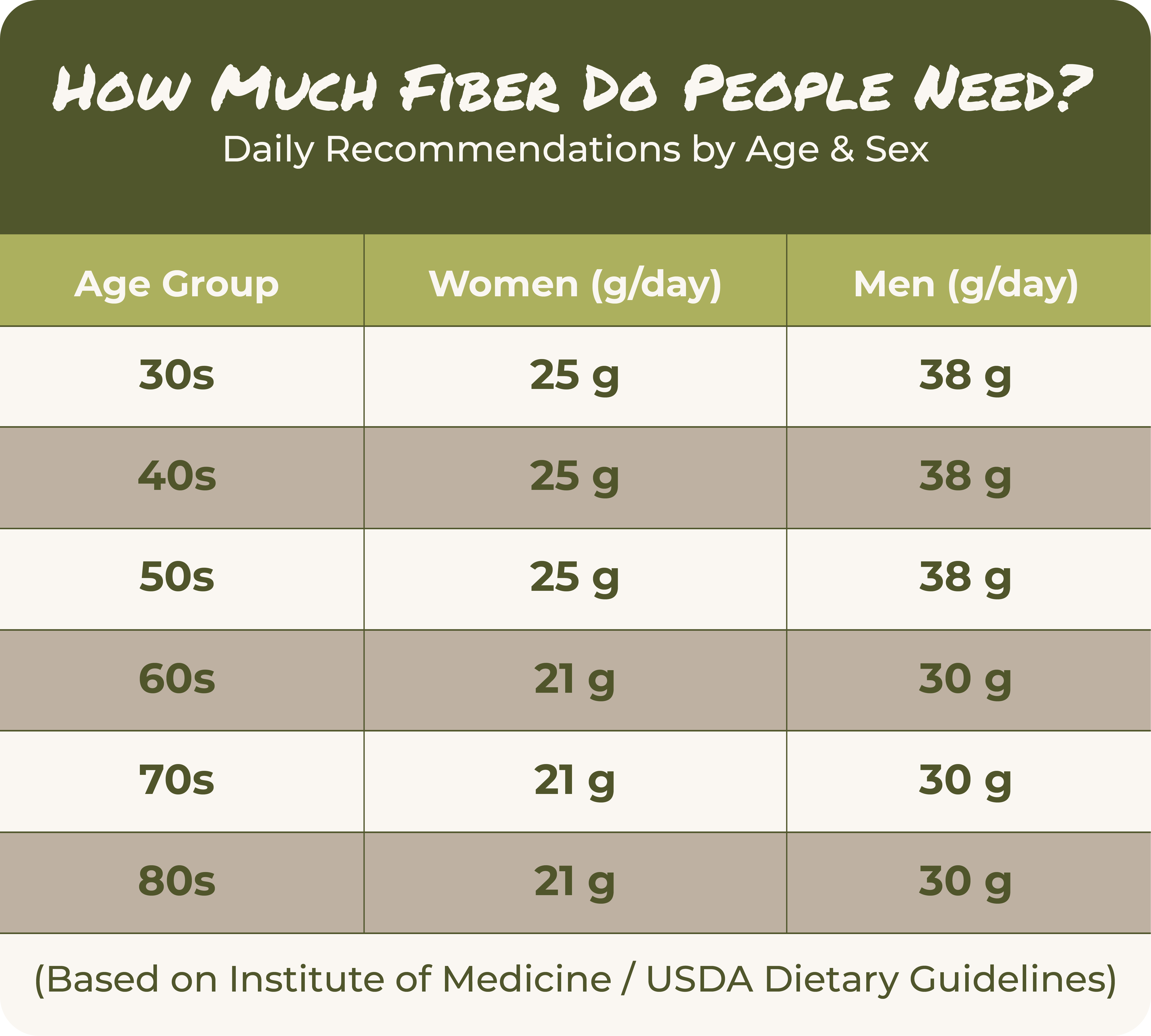
How Much Fiber Do People Need?
Weil Nutrition Corner™ Takeaway
Men generally need more fiber than women due to higher calorie intake.
After the age of 50, the recommended intake drops slightly, but fiber remains essential for digestion, heart health, and blood sugar regulation.
Healthy Fiber-Rich Foods
Below are some excellent food sources of fiber; incorporate them into your diet as part of your journey to a healthy gut.
Legumes (8-15 g per cup cooked)
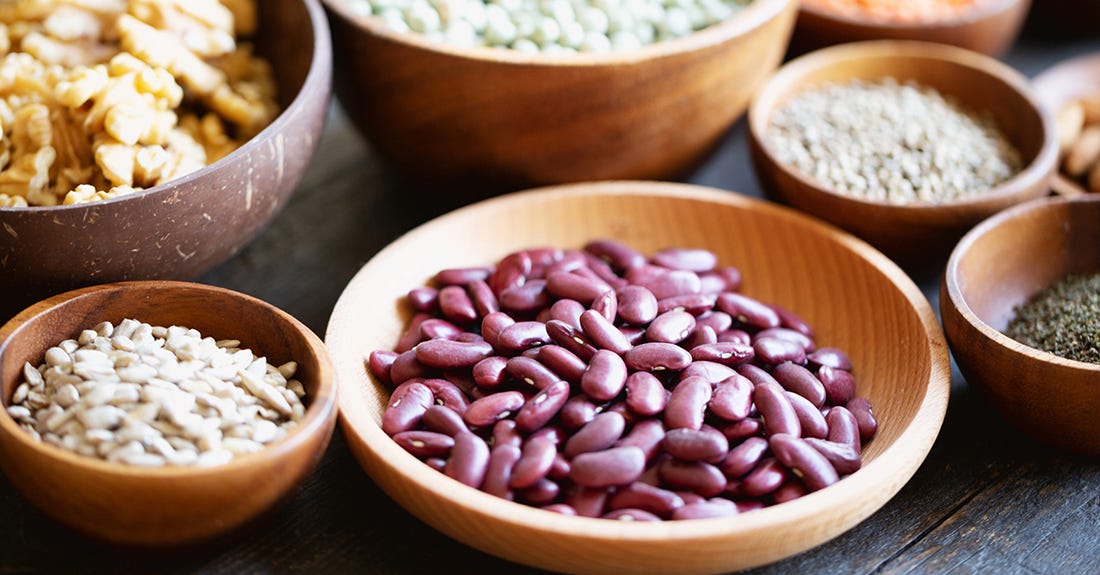
Lentils: ~15 g
Black beans: ~15 g
Chickpeas: ~12 g
Whole Grains (4–8 g per cup cooked)
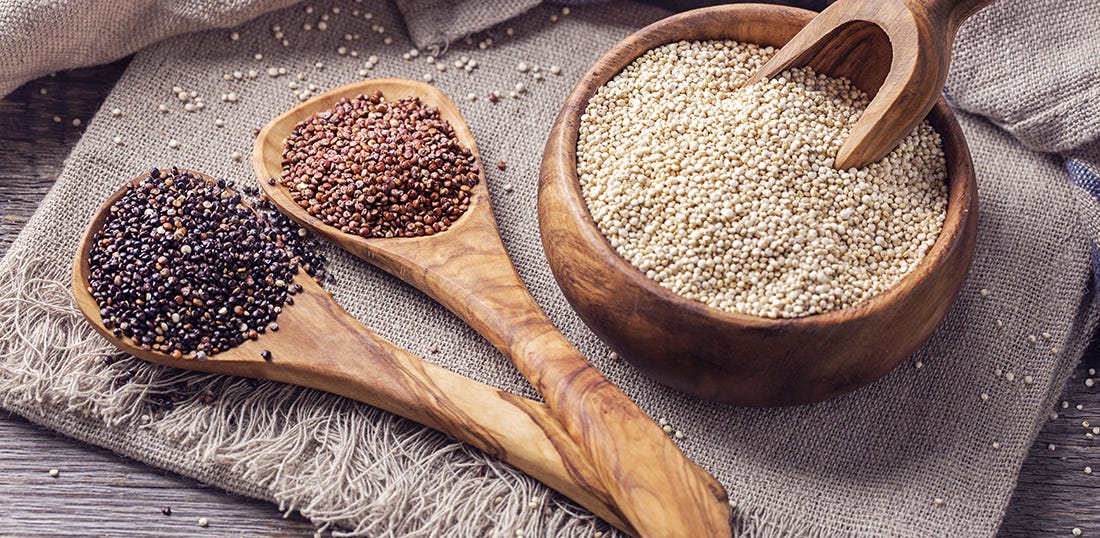
Barley: ~6 g
Oats: ~8 g per cup cooked steel-cut
Quinoa: ~5 g
Vegetables (2–5 g per cup raw/cooked)

Broccoli: ~5 g per cup cooked
Brussels sprouts: ~4 g per cup
Carrots: ~3.5 g per cup raw
Fruits (3–8 g per serving)

Raspberries: ~8 g per cup
Pear (with skin): ~5.5 g
Apple (with skin): ~4.5 g
Seeds & Nuts
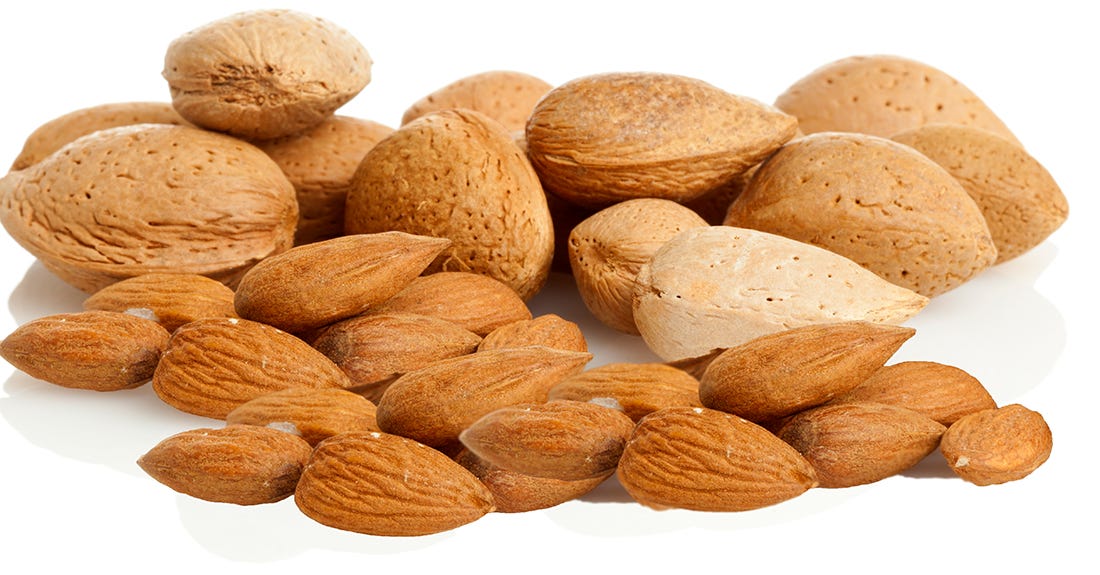
Chia seeds: ~10 g per 2 tbsp
Flaxseeds: ~5 g per 2 tbsp
Almonds: ~3.5 g per ounce (23 nuts)
What About Bloating?
Unfortunately, for all the benefits it provides, increasing fiber intake can lead to uncomfortable bloating. Much like beans, fiber contains types of complex carbohydrates that we can’t digest, but bacteria in the colon can, producing methane gas in the process.
Research suggests that bloating affects up to a third of U.S. adults. The good news is that there may be a simple solution to troublesome bloating: reducing salt intake as there is evidence that sodium can stimulate bloating.
You can also minimize bloating by gradually increasing your fiber intake. If beans are a big source of fiber for you, check out our Beans and Legumes article with plenty of information on how to cook them and how to reduce bloating.
Heal With Every Meal Available Now!
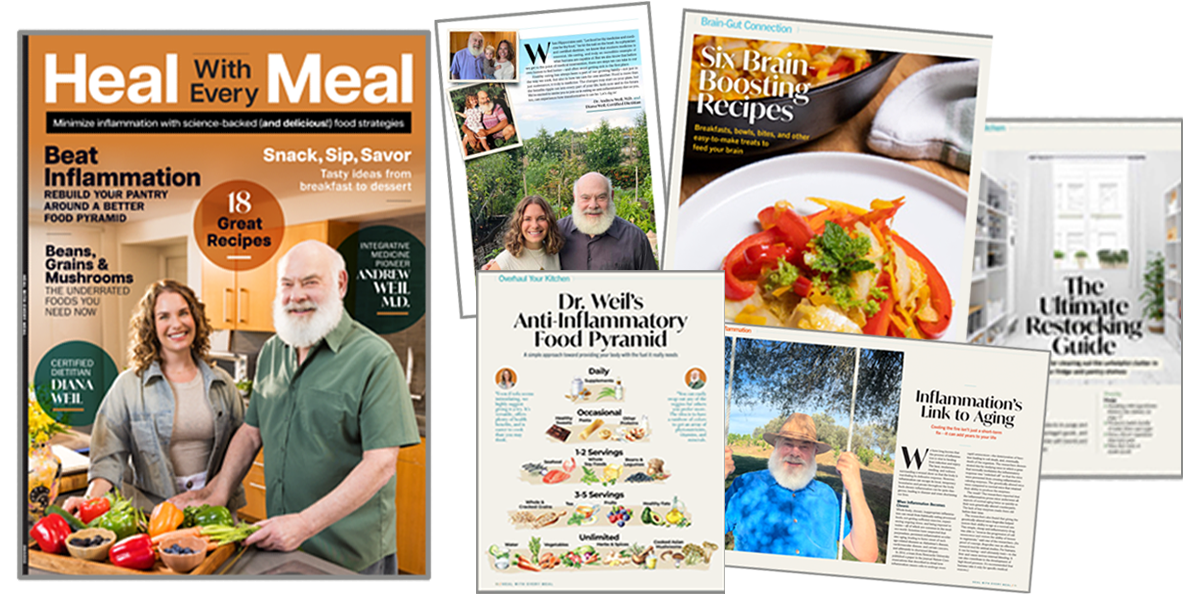
For decades, we have both considered food to be one of our most powerful tools for reducing inflammation and supporting healthy aging. We are proud to share Heal With Every Meal, an essential guide to anti-inflammatory eating that we created together. Within it we bring science-backed nutrition to life with practical pantry rebuilds, kitchen guidance, and delicious anti-inflammatory recipes. Whether you’re just beginning or refining your approach, this 100-page keepsake magazine offers clear, approachable tools to help you feel better - one meal at a time.
Available now wherever magazines are sold - and online.