


Happy Friday! We covered a lot this past week. On Monday, we shared our favorite one-pot meals, covered foods that support breast health, and introduced a One-Day Anti-Inflammatory Meal Plan for Breast Health (in honor of Breast Cancer Awareness Month). We also took a look at some in-season October foods.
On Wednesday, Diana shared her thoughts on breastfeeding versus formula - a topic that can be complex. See what she had to say about what is healthier for mama and baby in the Nourished Mama Collective. We also shared our thoughts on whole soy foods: Are they healthy for women? There’s a lot of misinformation out there, and we give our paid subscribers a deeper look into our thoughts (plus an Edamame Hummus recipe).
Today, we are sharing our latest Food As Medicine column: Fermented Foods For Gut Health. When you combine probiotics with prebiotics, you get what some people call the “Dynamic Duo of Gut Health.” We believe most people can do a better job of eating fermented foods regularly, and we want to help you start doing just that! Also, we share our weekly recommendations, along with a brand-new gut-healthy recipe exclusively for our paid subscribers: Kimchi Grilled Cheese.
We want to know: Do you enjoy fermented foods? Which ones? How do you eat them? Share in the comments!
(P.S. Become a paid subscriber to join the full conversation.)


Food as Medicine: Fermented Foods For Gut Health
Fermented foods are excellent for gut health because they contain probiotics (beneficial bacteria) and prebiotic fibers that support a balanced microbiome. Probiotics and prebiotics are often called a “dynamic duo” for gut health because they work together and are both needed for a healthy gut. Read on for more insight into both of these foods, including good sources and how to pair them for maximum benefit!
Probiotics: The Beneficial Bacteria
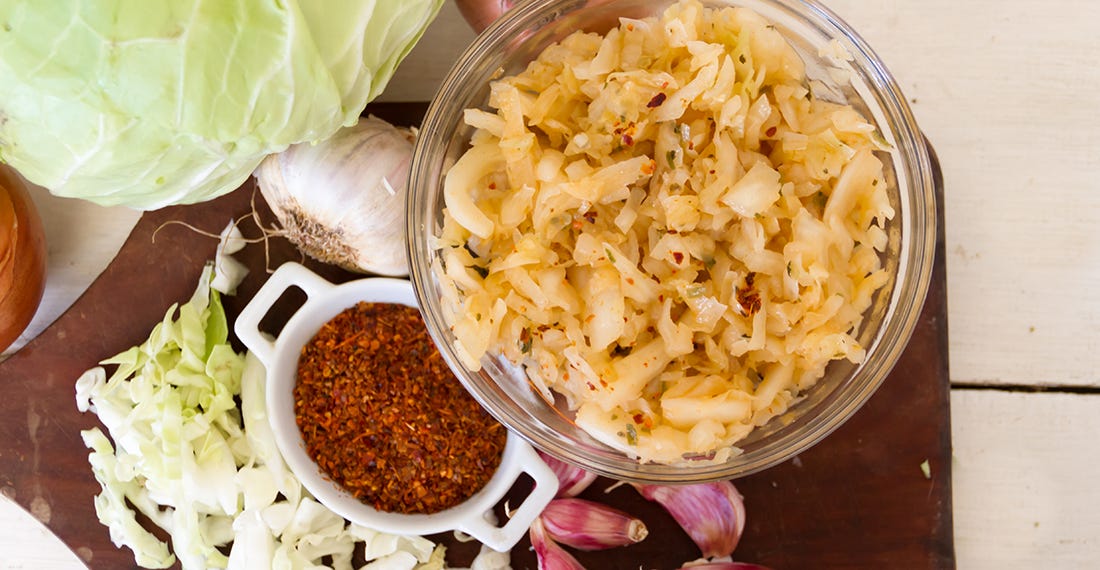
Probiotics are live microorganisms (like Lactobacillus and Bifidobacterium) that help balance the gut microbiome. They support digestion, regulate immune responses, produce vitamins (like B and K), and protect against harmful bacteria.
8 Good Sources of Probiotics
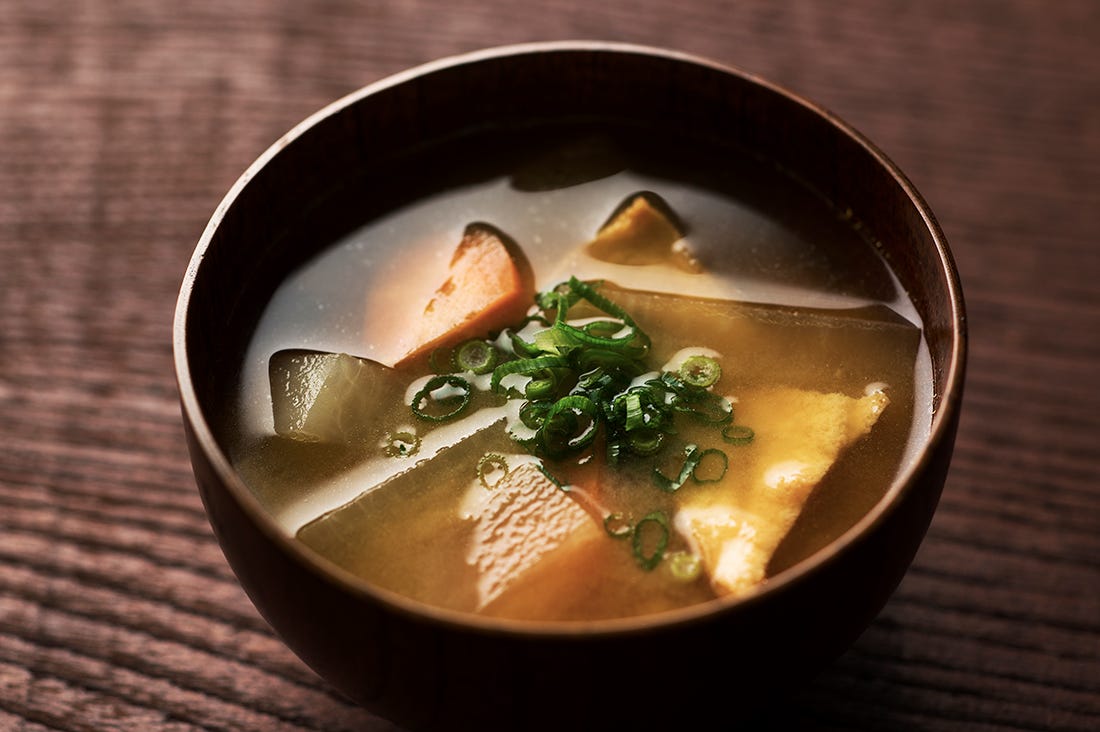
Here’s a rundown of some of the best options for getting more probiotics into your diet. They help to balance gut bacteria, improve digestion, reduce inflammation, and support mood and energy.
Yogurt. It contains live active cultures like Lactobacillus and Bifidobacterium, and helps support digestion and restore gut balance, especially after taking antibiotics. Choose plain, unsweetened yogurt to avoid added sugars.
Kefir. A fermented milk drink with a broader variety of probiotic strains than yogurt, kefir is rich in calcium, protein, and vitamin D, which support gut and bone health.
Sauerkraut. Fermented cabbage provides probiotics, fiber, and antioxidants, while also serving as a rich source of vitamin C and vitamin K.
Kimchi. This Korean dish is made from fermented vegetables, such as cabbage and radish. Spicy, tangy, and rich in probiotics, vitamins, and anti-inflammatory compounds like capsaicin and garlic, it is wonderful as a topping for many dishes.
Miso. A fermented soybean paste used in soups, dressings, and marinades, miso contains probiotics and beneficial enzymes that aid digestion.
Tempeh. A fermented soybean cake with a firm, nutty texture, tempeh is high in protein, fiber, and probiotics, making it a great plant-based option.
Kombucha. This naturally carbonated fermented tea offers probiotics and organic acids that may support digestion and liver detoxification.
Pickles (fermented, not vinegar-based). Naturally fermented cucumbers and other vegetables provide probiotics. Look for “naturally fermented” or “raw” labels in the refrigerated section of your grocery store. Pickles made with hot vinegar don’t contain live cultures and don’t need to be refrigerated. Check out our How to Make Homemade Pickles post for more insight!
Prebiotics: The Food for Probiotics
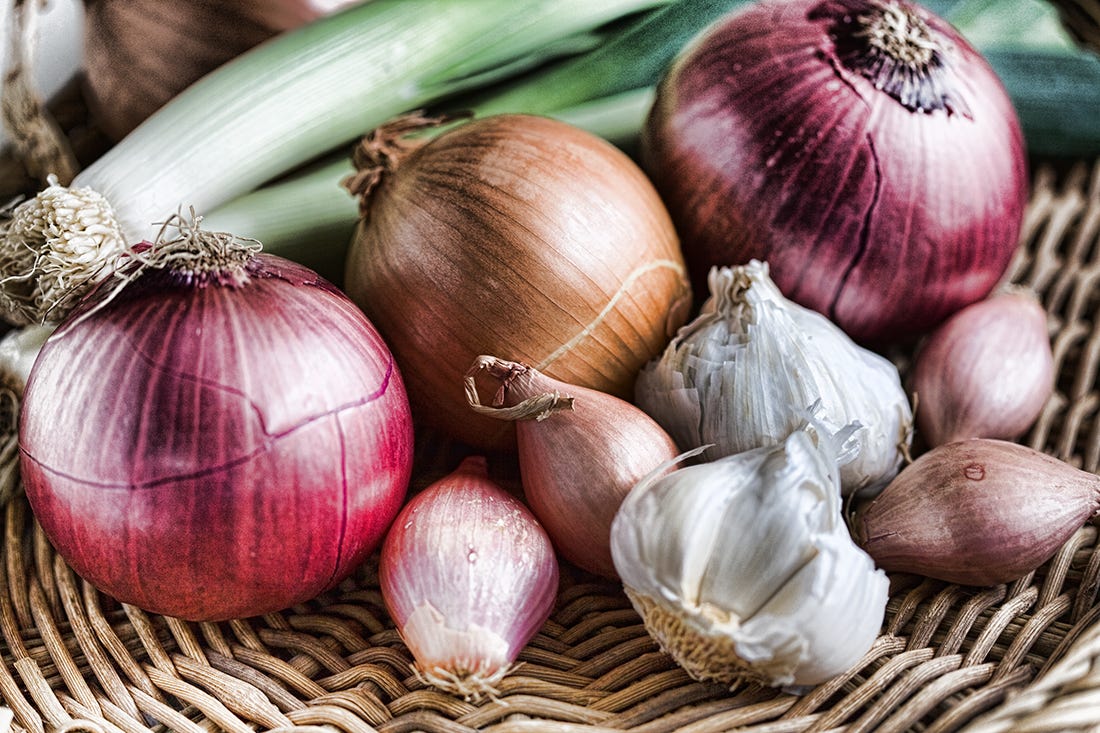
Prebiotics are the fibers and compounds that humans can’t digest, but gut bacteria can. They act as “fertilizer,” stimulating the growth of healthy bacteria in the colon. Common prebiotics include inulin, resistant starch, and oligosaccharides.
Here’s a list of key prebiotic foods that feed probiotics (the good bacteria) and help them thrive. This results in an increase in production of short-chain fatty acids (SCFAs) like butyrate, which reduce gut inflammation and nourish colon cells, and support immune balance, hormone regulation, and even mental health through the gut-brain axis.
5 Sources of Prebiotics
Root vegetables and alliums. Garlic, onions, leeks, and shallots are all rich in inulin and fructooligosaccharides (FOS), which feed beneficial bacteria. These help increase populations of Bifidobacteria and Lactobacilli in the gut.
Asparagus and Jerusalem artichokes. These are both excellent sources of inulin, which helps support improved digestion and calcium absorption.
Fruits. Bananas (especially slightly green ones contain resistant starch, which acts as fuel for probiotics. Apples are high in pectin, a type of soluble fiber that encourages the growth of good bacteria and helps regulate bowel movements. And berries (blueberries, raspberries, blackberries) contain polyphenols and fiber that support microbial diversity and reduce inflammation.
Legumes and beans. Lentils, chickpeas, black beans, and kidney beans provide galactooligosaccharides (GOS), which selectively stimulate beneficial bacteria. This helps to deliver fiber for bowel regularity and blood sugar balance.
Whole grains and seeds. Oats and barley are rich in beta-glucans, which fuel beneficial microbes and support immune health. Flaxseed and chia seeds supply prebiotic fibers and omega-3 fatty acids, thereby enhancing gut and anti-inflammatory benefits.
Regularly including a variety of prebiotic-rich foods in your meals helps maintain a diverse, resilient microbiome, which is essential for digestion, immunity, and long-term health.
Why They’re Healthiest Together (Synbiotic Effect)
When consumed together, probiotics and prebiotics create a symbiotic effect, which is beneficial for gut health. This effect promotes:
Enhanced survival and growth of probiotics. Probiotics need fuel to thrive once they reach the gut. Prebiotics provide that fuel, increasing the survival and activity of beneficial bacteria.
A stronger gut barrier. When eaten together, they strengthen the intestinal lining, making it harder for toxins and harmful microbes to pass through (reducing inflammation and “leaky gut”).
A balanced microbiome. Prebiotics encourage the growth of probiotics while inhibiting the growth of harmful bacteria, resulting in a more diverse and resilient gut ecosystem.
Metabolite production. The fermentation of prebiotics by probiotics produces short-chain fatty acids (like butyrate), which nourish colon cells, lower inflammation, and support immune health.
Systemic benefits. This combo supports not only digestion but also energy levels, mood (via the gut-brain axis), skin health, and hormone balance.
Weil Nutrition Corner™ Takeaway: Probiotics provide the “good bacteria,” while prebiotics feed and nourish them. Eating both together creates a synergistic effect that keeps your gut strong and balanced.
Simple Synbiotic Food Pairings
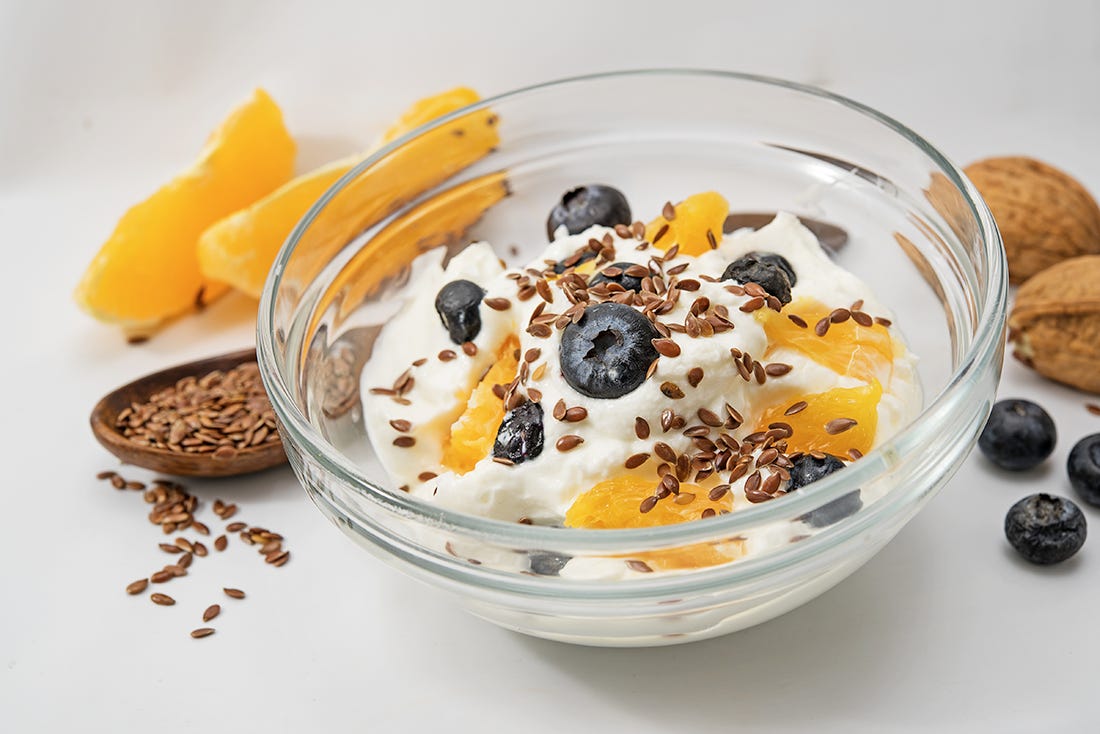
Combine these probiotics + prebiotics to support gut health in your daily meals.
Breakfast
Yogurt + berries + flaxseed. Yogurt is the probiotic and berries and flaxseed provide prebiotic fiber.
Overnight oats with kefir + banana slices. Kefir is the probiotic and oats and banana are prebiotics.
Snacks
Apple slices + miso-almond dip. Miso is the probiotic and apples provide prebiotic pectin.
Whole-grain crackers + sauerkraut. Sauerkraut is the probiotic and whole grains are the prebiotic fiber.
Lunch
Tempeh grain bowl + roasted veggies + garlic tahini dressing. Tempeh is the probiotic and garlic and roasted vegetables offer prebiotics.
Hummus wrap + kimchi. Kimchi is the probiotic and chickpeas offer prebiotic fiber.
Dinner
Grilled salmon + asparagus + side of fermented pickles. Pickles are the probiotic, if naturally fermented, and asparagus offers prebiotic inulin.
Miso soup + onion and leeks. Miso is the probiotic and onions/leeks are the prebiotics.
Drinks
Kombucha + a handful of walnuts. Kombucha is the probiotic and walnuts offer prebiotic fiber and healthy fats.
Weil Nutrition Corner™ Takeaway: Pairing probiotics with prebiotic fibers helps beneficial bacteria survive, thrive, and multiply in your gut, amplifying their positive effects on digestion, immunity, and overall health.

Every Friday, we share a quick roundup of products we actually use and love - whether in the kitchen, at the table, or while shopping. These are the tools and staples that make cooking, serving, and clean-up easier and more enjoyable.
Nordic Naturals Algae Omega-3: Since I don’t eat fish, I take an algae-based omega-3 supplement. I’ve had a great experience with the omega-3 from Nordic Naturals. - Diana
Bubbies. I have mentioned this before, but it’s worth recommending again based on today’s topic - I love Bubbies pickles and sauerkraut. They are naturally fermented and full of healthy probiotics. - Dr. Weil
Melissa Clark’s Dinner In One Cookbook. A great cookbook if you like one-pan meals is Melissa Clark’s Dinner In One cookbook. They really are simple and delicious! - Diana

Kimchi Grilled Cheese
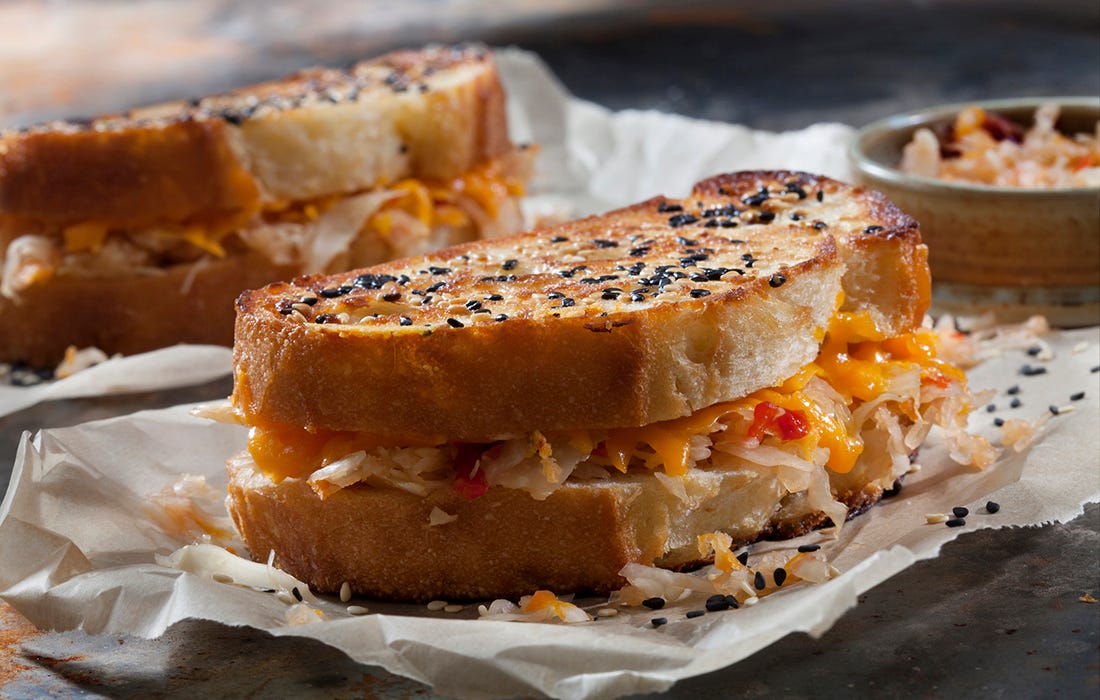
If you aren’t the biggest fan of fermented foods, but want to try and eat more of them, please do me a favor and make this kimchi grilled cheese. It’s so simple and easy and a great way to sneak in some healthy probiotics to your meal. For a more complete, nutrient-dense meal, serve alongside a big salad. Kimchi is typically made with fish sauce, but you can find vegan varieties.