



Happy Monday! Today, we’re diving into muscle health. Strong muscles matter at every stage of life, and it’s never too late to support them. Along with regular strength training, the foods you eat can play a big role in maintaining muscle strength and recovery.
In this week’s post, you’ll find:
What we eat to help keep muscles strong
Our favorite anti-inflammatory foods to stock in your kitchen
A free One-Day Anti-Inflammatory Muscle Meal Plan with recipes
A peek at our end-of-summer garden harvest (and how we’re cooking it!)
Keeping a few anti-inflammatory staples on hand makes it easy to build meals that are both nourishing and delicious. Save our list and add some to your next grocery run!
We’d love to hear from you: Do you try to eat with inflammation in mind? Which anti-inflammatory foods are your favorites? Share in the comments!
(P.S. Become a paid subscriber to join the full conversation.)


What To Eat For Muscle Health
Maintaining strong muscles requires a combination of strength training and a steady intake of protein, healthy fats, vitamins, and minerals that support muscle repair, growth, and resilience. Here is a sample of what we eat to support our muscles:
Dr. Weil:

Maintaining strong muscles in older age is vital in maintaining overall health, vitality, and independence. Loss of muscle mass, a condition called sarcopenia, is a major contributor to frailty, falls, and a diminished quality of life in older adults.
Protein is the building block of muscle, and while it’s important to get enough, I believe most people, at least in the United States, consume too much protein. For most adults, aiming for a moderate intake is sufficient. I think it’s good to have a mix of animal and plant-based sources, such as wild-caught salmon, organic eggs, beans, lentils, quinoa, and tofu, which are all excellent options. For those who prefer mostly plant-based eating, combining legumes with whole grains can provide all of the essential amino acids needed for muscle repair and growth.
But it’s important to remember that muscles require more than just protein. Healthy fats from sources such as extra-virgin olive oil, nuts, and avocado support cellular function. Vegetables and fruits contain antioxidants that can help reduce inflammation, which can interfere with muscle recovery. Magnesium-rich foods, such as leafy greens and pumpkin seeds, also play an important role in maintaining muscle function.
Overall, I encourage eating a varied diet, rich in whole, unprocessed foods. Paired with regular physical activity, this way of eating supports muscles that will carry you gracefully into later life.
Diana:
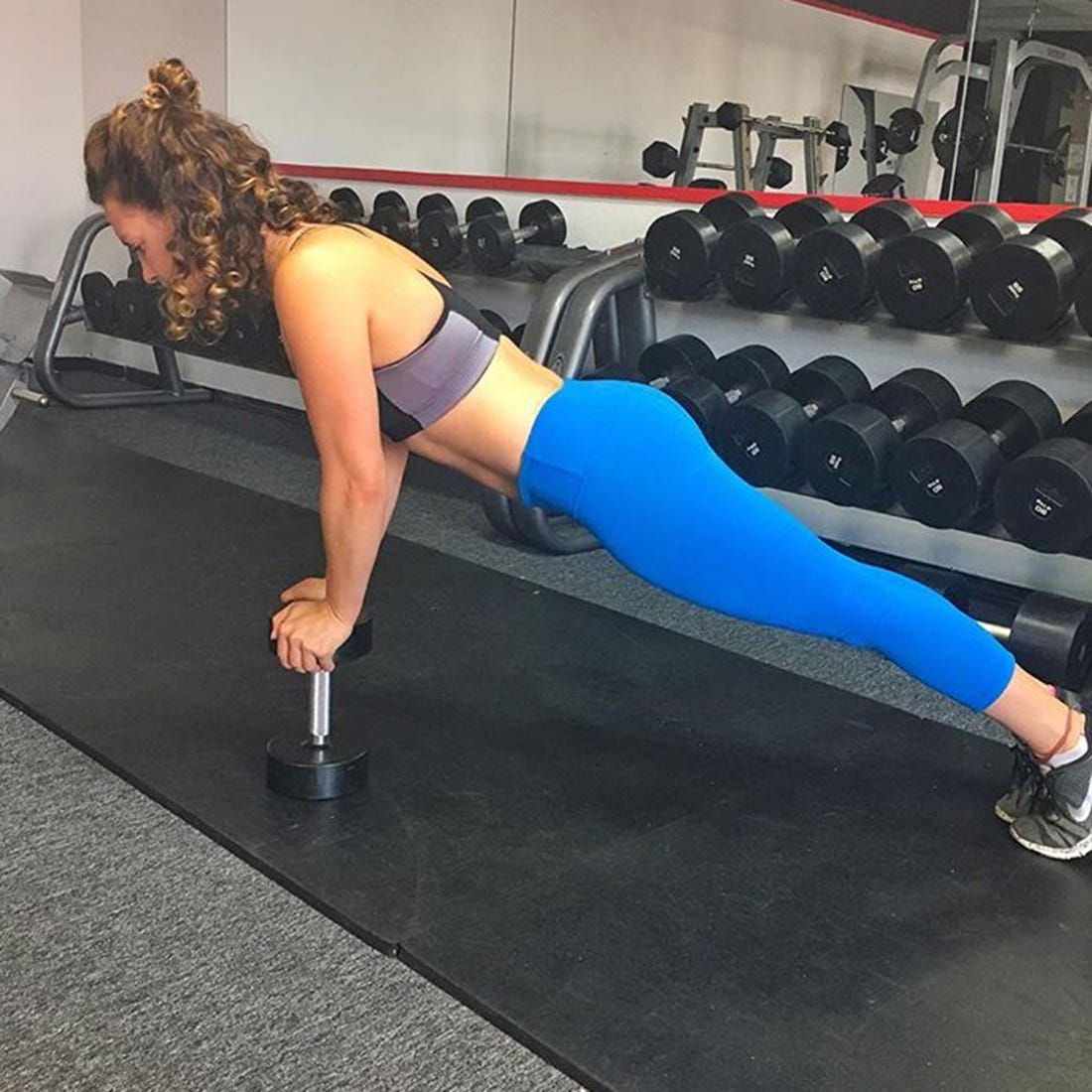
I read a quote recently that I loved: “I’m not exercising for my summer body, I’m exercising for my 80-year-old body.” I’m so here for this mentality. Preserving muscle mass is essential for healthy aging, particularly for women, and especially in later life. I’m grateful the conversation has shifted and that women are now encouraged to lift heavy.
When it comes to muscle health, it’s pretty simple: if we don’t use it, we lose it.
Diet, movement, and supplements can all play a role in muscle health. A balanced, whole-food diet lays the foundation. Make sure you’re getting adequate protein, healthy fats, and plenty of colorful vegetables and fruit. Strength training provides the signal our bodies need to build and preserve muscle. And certain supplements can also be helpful.
I recently started taking creatine, which I’m excited about. The research is solid, as it’s one of the most studied and consistently proven safe supplements out there. It has been shown to aid in muscle growth and recovery, as well as cognitive health. Always consult a medical professional before starting a new supplement, but it’s generally recommended to take 5 mg daily, which is what I’ve started doing.
When it comes to my own diet, I try to eat as varied a diet as possible and ensure I get enough protein (which is less than what a lot of influencers recommend). It’s as simple as that! As a vegetarian, I rely on legumes, tofu, and Greek yogurt the most for my protein sources. If I’m feeling low in protein for that day, I’ll add a scoop of protein powder to a smoothie. If you’re unsure whether you’re getting enough protein, try logging your meals for three days to see where you stand and go from there.
Nutrition for Strong Muscles
Here’s a breakdown of foods that help promote healthy muscles at every age.
Protein-Rich Foods
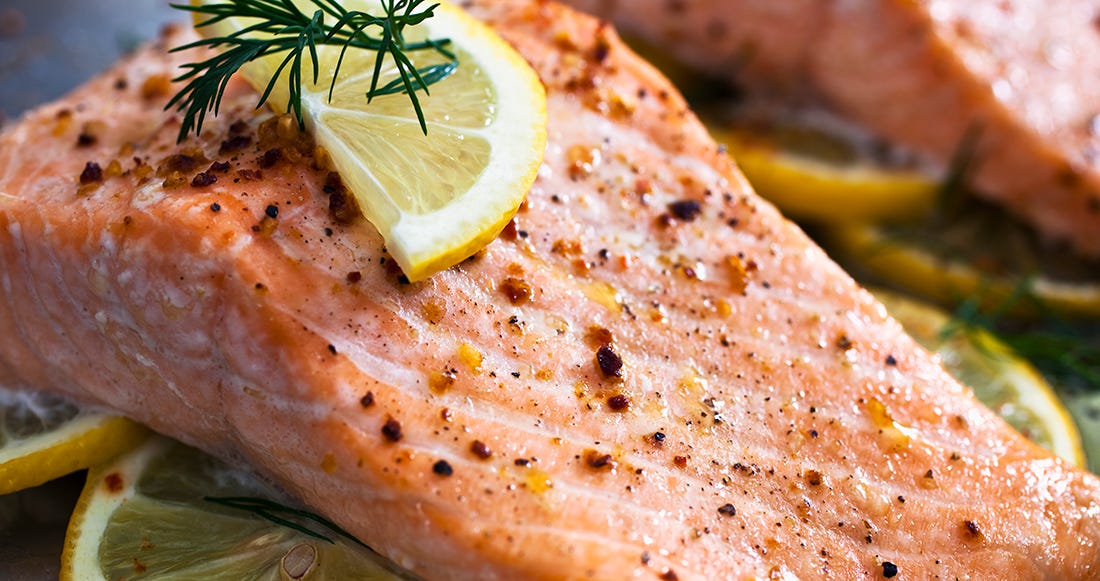
Protein is the building block of muscle, and these are good sources. (For specifics on protein requirements by age and gender, see our post, “How Much Protein Do You Really Need?”)
Lean meats: Chicken, turkey, grass-fed beef
Fish: Salmon, sardines, tuna (rich in omega-3s for inflammation control)
Eggs: Contain high-quality protein and leucine, an amino acid crucial for muscle synthesis
Legumes: Lentils, chickpeas, black beans for plant-based protein and fiber
Tofu and tempeh: Great vegetarian protein sources
Healthy Fats
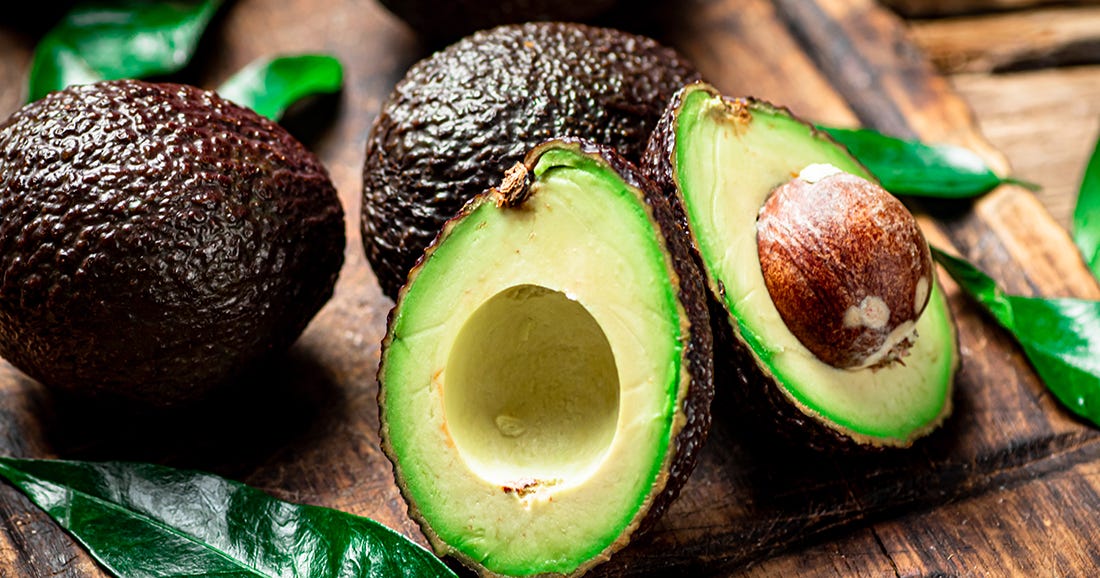
Inflammation is a normal part of building up your muscle strength. Healthy fats help reduce that inflammation for a quicker recovery and also support hormone production (including those tied to muscle growth and repair) and help your body absorb fat-soluble vitamins like D, which is key for bones and muscles.
Avocado: Provides monounsaturated fats and potassium for muscle function
Nuts and seeds: Almonds, walnuts, chia, flax, pumpkin seeds (contain protein, magnesium, and omega-3s)
Olive oil: Anti-inflammatory fat that supports recovery
Complex Carbohydrates
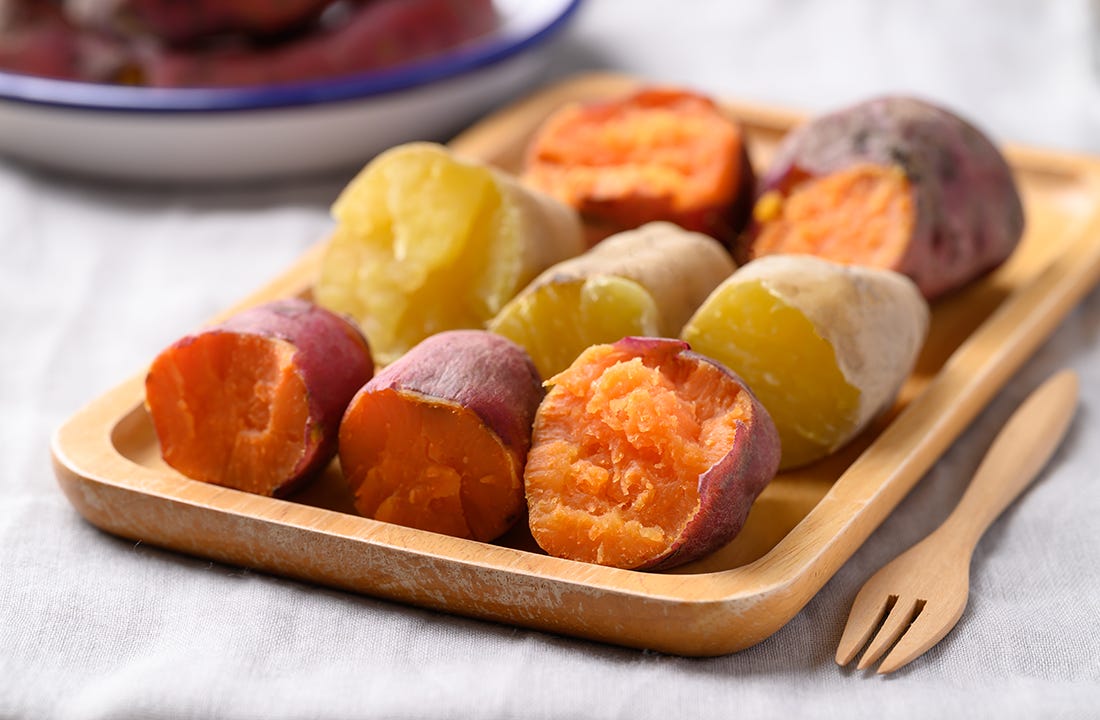
Carbohydrates are your body’s primary fuel source and are especially important before and after a workout.
Whole grains: Quinoa, oats, brown rice, barley (provide steady energy and fiber)
Sweet potatoes: Rich in antioxidants and slow-digesting carbs
Vegetables: Broccoli, spinach, and leafy greens add micronutrients and support muscle recovery
Vitamins and Minerals
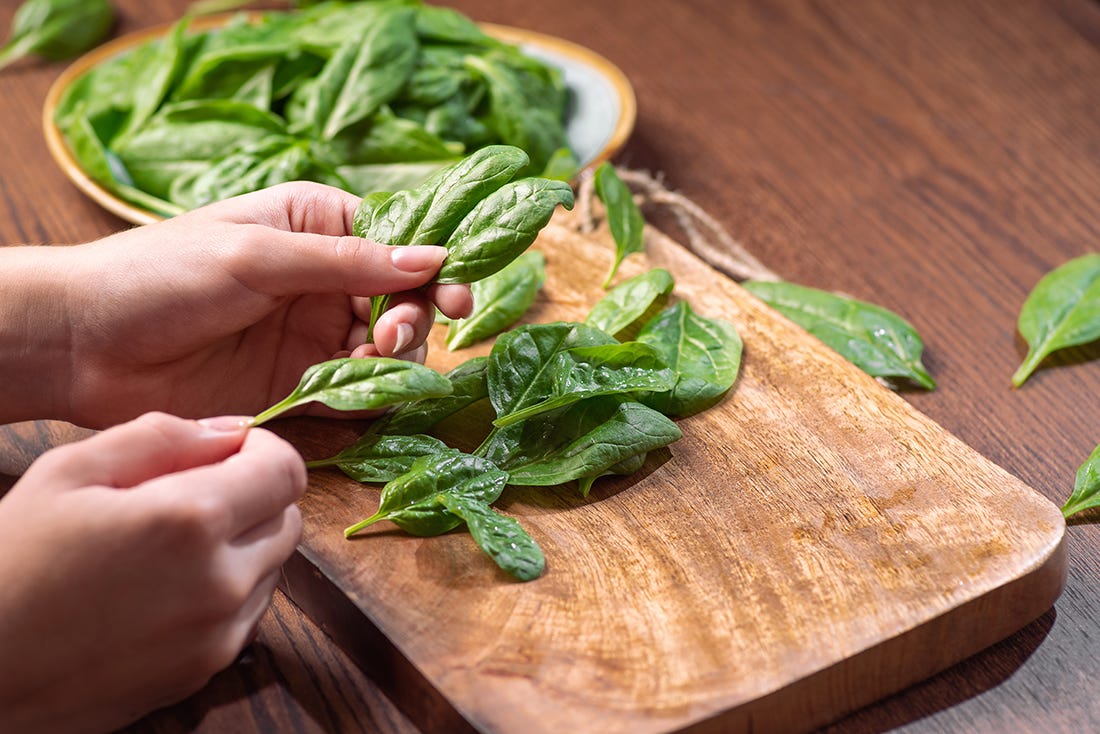
Micronutrients are essential for muscle strength, repair, and energy.
Magnesium: Found in spinach, pumpkin seeds, and almonds; helps muscles contract and relax
Iron: Lentils, beans, and leafy greens deliver oxygen to muscles for energy
Vitamin D and Calcium: Found in fortified milks, leafy greens, and salmon; support bone and muscle strength
Hydration and Recovery Foods
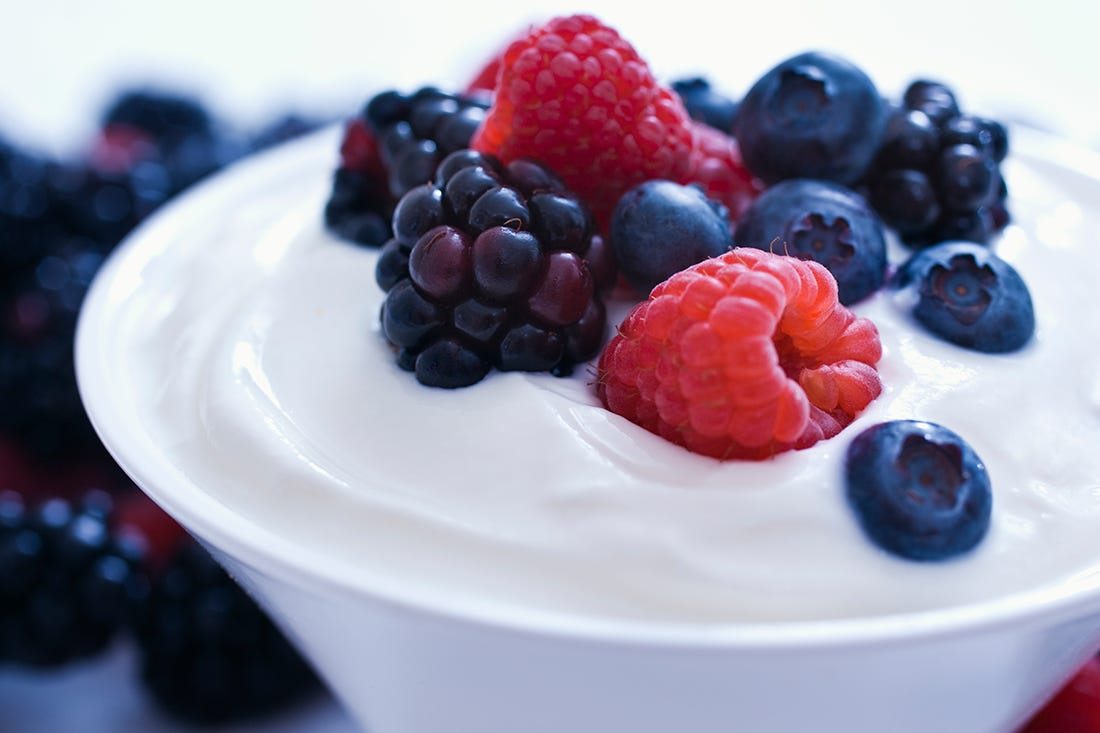
Muscles need hydration and antioxidants to repair and rebuild.
Greek yogurt: Protein plus probiotics for gut and muscle health
Berries: Antioxidants reduce oxidative stress and muscle soreness
Bananas: Potassium supports muscle contraction and reduces cramping
Weil Nutrition Corner™ Takeaway: Aim for balanced meals that combine protein + complex carbs + healthy fats + colorful veggies. For example: Grilled salmon with quinoa and roasted broccoli, topped with olive oil and pumpkin seeds.
Try our One-Day Anti-Inflammatory Healthy Muscle Meal Plan!
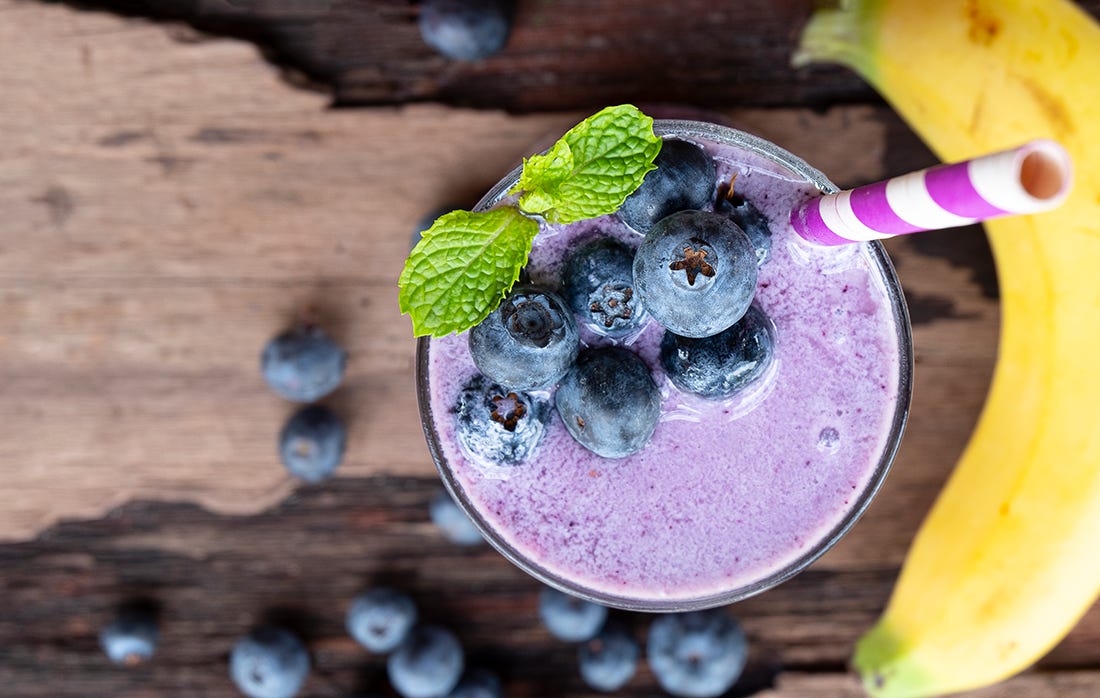
This meal plan delivers high-quality protein at every meal, healthy fats for recovery, complex carbs for energy, and a wide spectrum of vitamins and minerals. It’s appropriate for both men and women who want to support muscle health through an anti-inflammatory diet.

Best Antioxidant-Rich Foods
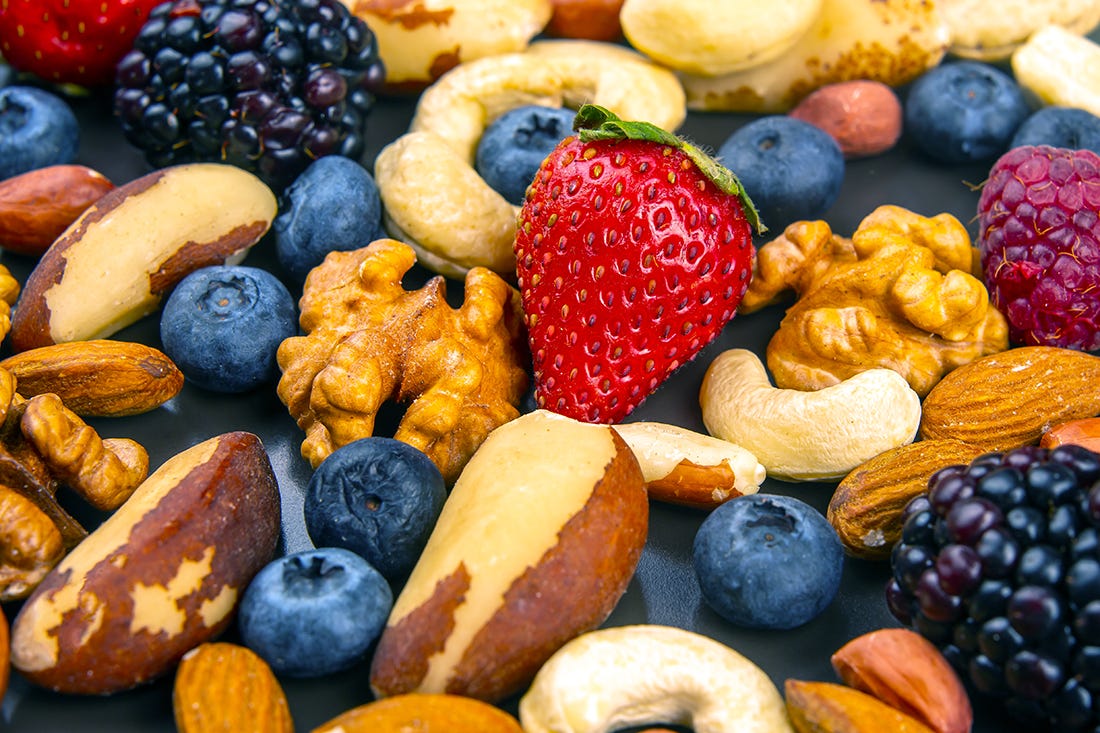
Antioxidants help counter oxidative stress, a process that can damage cells and may accelerate aging. Antioxidants may also boost your immune system and decrease your risk of infection. The best source of antioxidant vitamins and minerals is a wholesome, varied diet. If you concentrate on eating plenty of fresh (preferably organic) fruits, vegetables, nuts, and seeds, you can get most, if not all, of the antioxidants you need from diet alone. A daily antioxidant supplement can fill in any gaps in a healthy diet.
Below is a list of some of the highest-ranked foods when it comes to the antioxidants they deliver. Add these to your grocery list!