


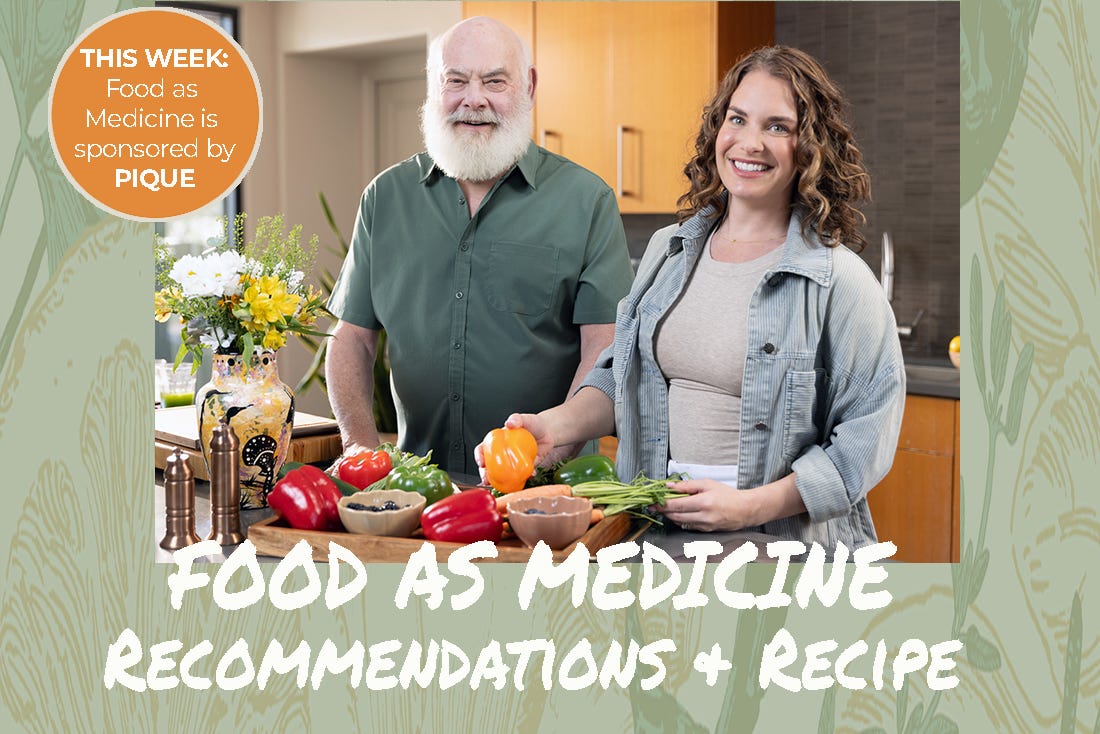
Happy Friday! Today, we are looking at nutrient-dense foods: Why you need them, the ones Dr. Weil recommends, and how to eat more of them in our Nutrient-Dense Meal Plan! This topic was submitted by a handful of readers for our Questions From The Corner Series, and we wanted to provide detailed takeaways you can put into action.
Forward this post to anyone you know who may be interested in our healthy kitchen recommendations and anti-inflammatory Food As Medicine series and recipes!


Why You Need Nutrient-Dense Foods As You Age

As we get older, our bodies often need fewer calories, and we tend to eat less, so what we eat needs to be nutrient-dense to meet all our nutritional needs. Choosing foods that deliver vitamins, minerals, protein, and healthy fats without excess empty calories is important.
A diet rich in vegetables, healthy fats, whole grains, and omega-3s consistently can help promote and support the health of our bodies, including:
Muscle mass. This naturally declines as we age. Adequate protein and nutrient intake help preserve strength and mobility.
Bone health. Nutrients like calcium, vitamin D, and magnesium become more important.
Metabolism. This slows as we get older, so choosing nutrient-rich foods helps avoid excess calories while still meeting nutritional needs.
Absorption. The body may absorb certain nutrients less efficiently as we get older, making food quality even more important.
By eating more vegetables and fruits, having a quality protein at each meal, focusing on healthy fats (olive oil, nuts, seeds), whole grains, and legumes, and minimizing ultra-processed foods, you will support your body’s health - no matter your age.
12 Nutrient-Dense Foods and Drinks To Add To Your Diet
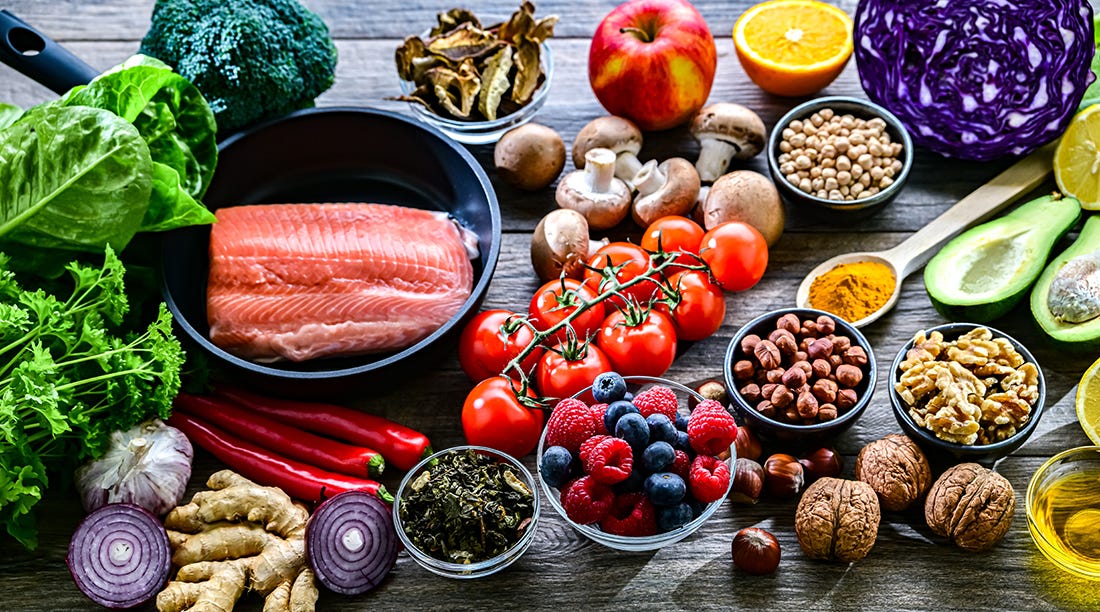
Here are some of the most naturally nutrient-dense anti-inflammatory foods. They deliver vitamins and minerals while being minimally processed.
Fatty Fish (Salmon, Sardines, Mackerel). These are rich in omega-3 fatty acids (EPA & DHA), which support heart, brain, and joint health. They can also help reduce inflammation. Dr. Weil’s Tinned Fish Guide offers budget-friendly fatty fish options to try.
Dark Leafy Greens (Kale, Spinach, Swiss Chard). High in vitamins A, C, K, and folate, leafy greens are packed with antioxidants and fiber, helping support detoxification and overall cellular health. Just be aware that high doses of vitamin K can interfere with blood thinners.
Berries (Blueberries, Strawberries, Blackberries). Loaded with polyphenols and vitamin C, berries help combat oxidative stress and support brain and heart health.
Extra-Virgin Olive Oil. Rich in monounsaturated fats, EVOO contains polyphenols with anti-inflammatory effects. Learn more in our Olive Oil Guide!
Nuts & Seeds (Walnuts, Almonds, Flax, Chia). Nuts provide healthy fats, fiber, and minerals. Walnuts and flax in particular offer plant-based omega-3s, which support heart and metabolic health.
Legumes (Lentils, Chickpeas, Beans). Excellent sources of fiber and plant protein, this group helps regulate blood sugar, supports gut health and satiety, and is an inexpensive way to get protein and fiber into your diet.
Whole Grains (Quinoa, Farro, Oats, Brown Rice). These provide steady energy and fiber while delivering important minerals like magnesium. Whole grains are less inflammatory than refined grains such as white rice.
Cruciferous Vegetables (Broccoli, Cauliflower, Brussels Sprouts, Cabbage). These inexpensive vegetables contain compounds like sulforaphane, support detox pathways and hormone balance, and have strong antioxidant activity
Colorful Vegetables (Peppers, Tomatoes, Carrots). Rich in carotenoids and vitamin C, these support immune function and skin health.
Garlic, Ginger and Turmeric. Potent anti-inflammatory and immune-supporting compounds that also promote healthy digestion and circulation.
Green Tea. High in polyphenols (EGCG), green tea supports metabolism and cellular protection. See how Dr. Weil makes his green matcha tea!
Electrolytes. Electrolytes - primarily sodium, potassium, magnesium, and calcium - are essential to health. They regulate nerve and muscle function, fluid balance, and pH levels.
Want an Easy and Tasty Way to Stay Hydrated? Try Pique’s Deep Hydration Protocol.
This day-to-night electrolyte routine helps keep you hydrated during the day while promoting nervous system recovery at night.
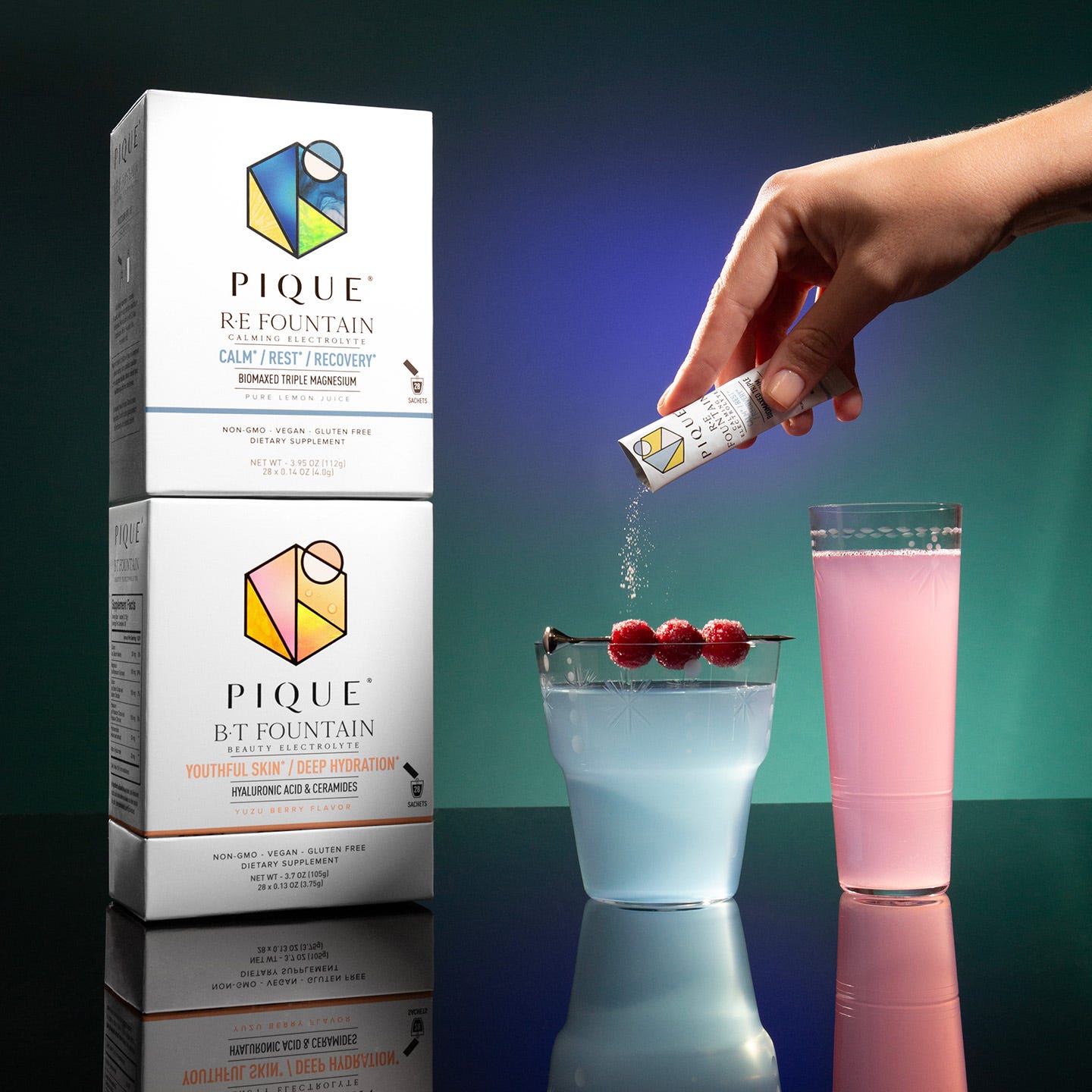
The Morning Formula - BT Fountain - helps to activate hydration and boost energy levels. BT Fountain’s first three ingredients are calcium, sodium, and potassium, and is a great way to make sure you’re staying properly hydrated - especially important as we age.
The Evening - RE Fountain - helps you to unwind, calm the nervous system, support muscle recovery, and prepare for deep sleep. RE Fountain contains magnesium (glycinate, taurate, and L-threonate) to soothe stress, deepen REM sleep, and sharpen next-morning focus.
Both formulas are organic and vegan, with no added sugar, preservatives, or artificial ingredients.
Right now, you can get 20% off when you subscribe through this link. Plus, every order is backed by Pique’s 90-day money-back guarantee, so you can experience the difference completely risk-free.

3-Day Anti-Inflammatory Nutrient-Dense Meal Plan
Brought to you by Pique’s Hydration Protocol
Here’s a 3-day meal plan designed to support steady, all-day energy using nutrient-dense, balanced meals that help avoid spikes and crashes. This follows our Anti-Inflammatory Diet approach: whole foods, healthy fats, quality protein, and plenty of fiber. Since many of our readers asked for no-cook or low-cook options, we tailored it for that way of eating. Enjoy!
WEIL Nutrition Corner® is the registered trademark of Healthy Lifestyle Brands, LLC
Do you have any advice on weight loss for a women after menopause??? I would like to lose about 20 pounds but want too do it sensibly???