



Happy Friday! We had a busy week here, launching the first Weil Nutrition Corner™ Nourished Mama Collective column! We are both excited for our Wednesday posts and want this to be a space for people of all ages interested in pregnancy and nutrition. You can learn more here, and if you think you know someone who is interested, we’d be so honored if you sent it to them!
We also covered what to eat in peri-menopause, and on Monday, we took a deep dive into foods to eat for energy throughout the decades, plus we shared some favorite Trader Joe’s quick and easy meal ideas. We’ll be sure to do more of these simple, healthy meal hacks in the future, as it was a hit!
Today, we’re covering how cayenne pepper can help boost metabolism. Also, our Friday recommendations and a delicious recipe: Sleepy Cocoa & Cayenne Latte.
We want to know: What habits or practices help you sleep better? Share in the comments!
(P.S. Become a paid subscriber to join the full conversation.)


Food as Medicine: Cayenne Pepper For Metabolism

Hot and spicy, cayenne pepper (Capsicum annuum) is a member of the Capsicum family of vegetables, commonly known as chili peppers. The name “cayenne” originates from the town where these peppers were first cultivated, in French Guiana, located off the northeast coast of South America.
There are numerous health benefits associated with cayenne pepper, due to its high concentration of capsaicin – the substance that causes its fiery hot sensation. Capsaicin, when applied topically, can be used as an analgesic – it can temporarily relieve chronic pain due to rheumatoid arthritis, osteoarthritis, psoriasis, shingles, and diabetic neuropathy.
When eaten, cayenne pepper can promote cardiovascular health and help prevent ulcers and drain congested nasal passages.
Cayenne peppers can also help to suppress appetite and increase the burning of body fat (a process called thermogenesis). Here is how it works:
Thermogenic Effect (Heat Production)
Capsaicin has been shown to slightly increase body temperature by stimulating thermogenesis (the process of burning calories to produce heat). This can result in a temporary boost in calorie expenditure, even at rest.
Fat Oxidation
Some studies suggest that capsaicin may promote the body’s ability to burn fat for energy rather than storing it. It works by influencing certain enzymes and signaling pathways linked to fat metabolism.
Appetite Regulation
Capsaicin may help reduce hunger and increase satiety, which can indirectly support weight management and energy balance. This effect is believed to result from its stimulation of specific receptors in the digestive and nervous systems.
Improved Circulation and Digestion
Cayenne can boost circulation and stimulate digestive enzymes, helping the body absorb nutrients more efficiently - another factor in sustaining energy metabolism.
How To Get More Cayenne Into Your Diet
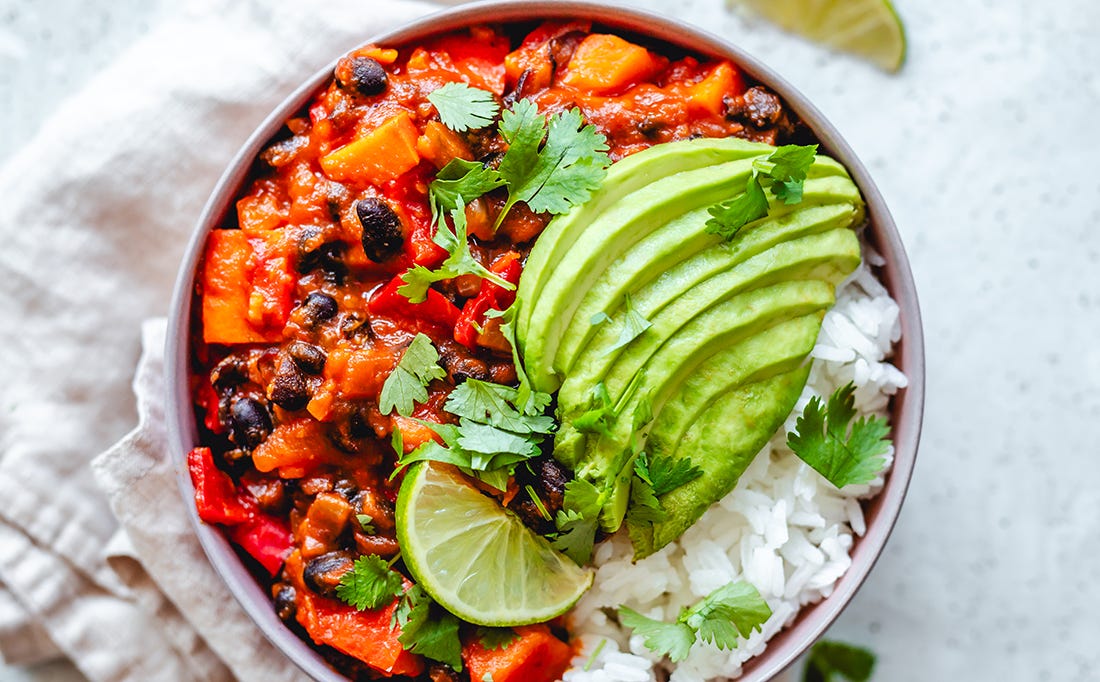
Here are some ways we like to use cayenne:
Spice up roasted vegetables. Sprinkle a pinch of cayenne with olive oil, garlic powder, and sea salt before roasting sweet potatoes, cauliflower, or Brussels sprouts.
Add heat to proteins. Mix cayenne into marinades or rubs for salmon, chicken, or tofu for a subtle kick.
Enhance soups and stews. Stir in a small amount toward the end of cooking for chili, lentil soup, or bone broth.
Season whole grains. Add a dash to quinoa, rice, or barley dishes. Bonus if you also include turmeric or paprika!
In smoothies. Just a dash with cacao, banana, and almond milk adds warmth and metabolic support.
To spice up tea. Add a pinch to ginger tea or turmeric “golden milk” for extra circulation benefits.
Weil Nutrition Corner™ Takeaways:
The metabolism boost from cayenne is modest - it’s not a magic bullet for weight loss, but rather a supportive tool in an overall anti-inflammatory, nutrient-dense diet.
Consuming it regularly in reasonable amounts (in soups, stews, dressings, or teas) may help, but excessive intake can cause digestive discomfort.
It works best when combined with a balanced diet, regular movement, and other anti-inflammatory foods.
Start small (just a pinch), since cayenne is strong. You can always build up to more if you enjoy the heat!

Every Friday, we share a quick roundup of products we actually use and love - whether in the kitchen, at the table, or while shopping. These are the tools and staples that make cooking, serving, and clean-up easier and more enjoyable.
Spice House Cayenne Pepper. This is a good cayenne pepper to keep on hand to use for everyday cooking. - Dr. Weil
Molcajete. If you want to grind your own cayenne peppers, this is a must-have. Be sure to wear gloves if you do grind your own! - Diana
Automatic Plant Watering Globes. I just got these for when we travel, so our plants stay properly watered. So far so good - but I will report back if they don’t do the job! - Diana

Sleepy Cocoa & Cayenne Latte (w/magnesium)
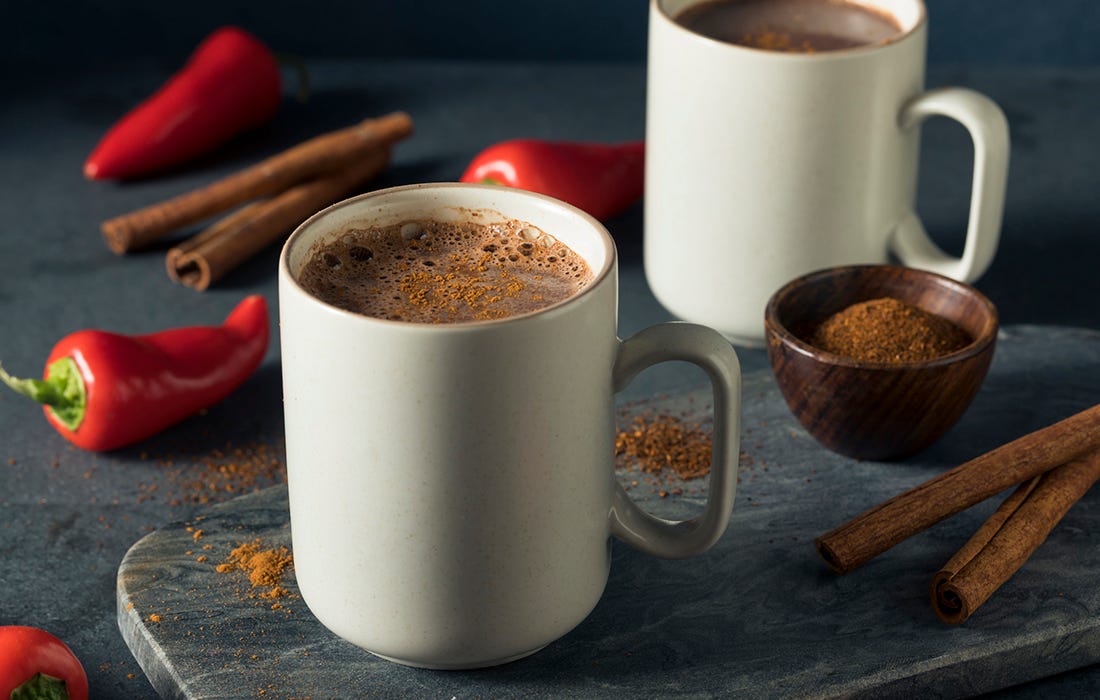
I love having a warm beverage to sip on before bed, and this “latte” is a favorite. It contains cocoa powder, a pinch of cayenne, magnesium powder, and your go-to milk. Magnesium is helpful to take before bed as it can help promote relaxation, just make sure you use the right form. I generally recommend taking magnesium glycinate before bed as it is typically well-tolerated and has been shown to improve sleep quality. Magnesium citrate is another good option.